Groong News Digest — Week of July 6–12, 2026
Published July 12, 2026 15 min read See also: Podcast Digest →Armenia’s opposition takes parliamentary seats despite rejecting election results as fraudulent; Pashinyan pursues constitutional change and TRIPP corridor while managing tensions with Iran, Russia, and internal political repression.
News Highlights from Armenia
Domestic Politics & Elections
Armenia’s two leading opposition blocs, Strong Armenia and the Hayastan alliance, announced they will take seats in the new parliament despite rejecting the June 7 election results as fraudulent. Strong Armenia won 23.3 percent of the vote and 29 seats, while Hayastan secured 9.9 percent and 12 seats. Both groups initially faced pressure from supporters to boycott parliament entirely, but their leaders opted instead to use their parliamentary presence as a platform for continued political struggle. Strong Armenia’s Narek Karapetyan and Hayastan’s leadership argued that occupying seats would allow them to fight more effectively against government policies and maintain pressure on the ruling Civil Contract party.
Pashinyan’s Civil Contract party retained its parliamentary majority with approximately 49.8 percent of the vote and 64 seats, though it fell short of the constitutional supermajority needed to unilaterally amend the constitution. The Armenian Constitutional Court rejected opposition challenges to the election results, upholding the official tallies. Five opposition groups formed a unified bloc to contest the government’s legitimacy, though constitutional constraints limit their ability to block legislation. Pashinyan stated that constitutional reform remains a campaign commitment and that voters endorsed his agenda despite the balance of forces in parliament making passage difficult.
The Armenian Revolutionary Federation (ARF), which failed to enter parliament, issued a statement characterizing the elections as conducted under unprecedented state terror, citing administrative pressure, propaganda, and electoral violations. The ARF alleged that the regime systematically deployed state resources to limit political competition and suppress voter choice. An international analysis noted that Pashinyan’s victory reflected Armenian society’s reluctant acceptance of his argument that national security now depends on recognized borders and regional connectivity rather than maximalist territorial claims, though this mandate does not guarantee smooth legislative passage of controversial constitutional changes.
Sources (10)
Armenian Opposition To Take Up Parliament Seats (azatutyun.am)
Հայաստանի ընտրությունների արդյունքները. «բաժակը կիսով չափ դատա՞րկ… (168.am)
“Armenia’s Election and the Reordering of the South Caucasus: Pas… (issi.org.pk)
«Ուժեղ Հայաստանից» հետո «Հայաստան» դաշինքը ևս վերցնում է ԱԺ մանդա… (verelq.am)
Ռոբերտ Քոչարյանի գլխավորությամբ տեղի է ունեցել «Հայաստան» դաշինքի… (verelq.am)
Armenia Alliance Vows to Continue Political Struggle Following Co… (asbarez.com)
Asbarez: ARF Bureau Member Lilit Galstyan Calls on OSCE to Monito… (asbarez.com)
RFE/RL - Karapetian Defends Post-Election Caution (azatutyun.am)
Armenia’s top court rejects pro-Russia opposition’s request to th… (theprint.in)
Asbarez: ARF Bureau Issues Statement on June 7 Parliamentary Elec… (asbarez.com)
Opposition & Legal Accountability
Opposition leader Gagik Tsarukyan was arrested on July 7 on charges of large-scale fraud and money laundering involving approximately $22 million in goods allegedly misappropriated from Iranian business partners between 2022 and 2024. The arrest followed a 12-hour search of his villa and raids on dozens of his companies, operations that disrupted thousands of workers at his major enterprises including the Ararat cement plant. Tsarukyan’s lawyers argued the charges are politically motivated and that he himself was defrauded by Iranian partners, having alerted authorities to the alleged misconduct. He was placed in two-month pre-trial detention after a court hearing where hundreds of supporters gathered outside the investigative committee building.
The arrest sparked immediate international concern and criticism. The Iranian ambassador warned of dangerous division within Armenia and expressed hope for a diplomatic settlement between Tsarukyan and Iranian entrepreneurs. The Ararat cement plant, which employs nearly 1,000 workers, resumed operations after employees protested unpaid leave, with the government initially dismissing their action as orchestrated before allowing work to resume. Tsarukyan remained defiant, telling reporters the accusations were fabricated, and linked his imprisonment to alleged rigging of the June elections. His network has faced serial prosecutions, with another opposition politician, Aregnaz Manukian, arrested on high treason charges in connection with classified information allegedly disclosed during parliamentary hearings.
Former President Serzh Sargsyan’s assets valued at approximately 630 million drams were ordered seized by a court under a 2020 law allowing nationalization of holdings deemed illegally acquired, a controversial measure enacted by Pashinyan’s government that critics say violates the presumption of innocence. A prosecutor blocked criminal charges against a Pashinyan supporter who called for the murder of Catholicos Garegin II, head of the Armenian Apostolic Church, in December 2025. Judge Sargis Petrosyan presiding over former President Robert Kocharyan’s trial insisted that Pashinyan’s public pledges to jail opposition leaders would not influence his judicial decisions, though Kocharyan challenged the judge’s impartiality given past links to the ruling party.
Sources (19)
Iranian Envoy Warns Of Disunity In Armenia After Tsarukyan’s Arre… (azatutyun.am)
Իրանի դեսպանը՝ Գագիկ Ծառուկյանի ու Իրանի քաղաքացիների միջև տնտեսա… (168.am)
Verelq: Քաղաքապետարանը “պարզաբանել է” Գագիկ Ծառուկյանի կենդանիներ… (verelq.am)
RFE/RL - Uproar As Armenian Authorities Expose Tsarukyan’s Violen… (azatutyun.am)
Սա հայ ժողովրդի ու Հայոց պետականության դեմ բացված դատ է. Դավիթ Իշ… (168.am)
Ոչինչ Փաշինյանը բնում խեղդել չի կարող. նա լեգիտիմ չէ. Սամվել Կարա… (168.am)
168: Եթե Նիկոլ Փաշինյանը մի օր Գագիկ Ծառուկյանի առյուծի նման քնի … (168.am)
Pashinian Supporter Not Prosecuted For Death Call Against Armenia… (azatutyun.am)
Բագրատ Սրբազանը դատական հայց է ներկայացրել ընդդեմ Նիկոլ Փաշինյանի (verelq.am)
Սոփեստների «մահացու զենքը»՝ ԻՍԿԱՆԴԵՐԸ. Փաշինյանի դեմ պայքարը պիտի… (168.am)
Armenian opposition figure Gagik Tsarukyan arrested (oc-media.org)
Armenian opposition leader Gagik Tsarukyan held in fraud probe as… (weeklyblitz.net)
RFE/RL - Tsarukyan’s Plant Allowed To Reopen After Protest (azatutyun.am)
Verelq: Խուզարկություններ Գագիկ Ծառուկյանի տանը. ուժայինները շրջա… (verelq.am)
Court Allows Seizure Of Ex-President Sargsyan’s Assets (azatutyun.am)
Tsarukyan Denies ‘Fabricated’ Charges After Arrest (azatutyun.am)
Armenian opposition leader charged with fraud to be held for two … (reuters.com)
‘This Is a Politically Motivated Trial,’ Says Jailed Artsakh Lead… (asbarez.com)
Tsarukyan Remains Defiant In Jail As Another Ally Arrested (azatutyun.am)
Peace Process & Regional Corridor
Azerbaijan’s foreign minister reiterated that a peace agreement signing remains conditional on Armenia removing territorial claims from its constitution, specifically references to Nagorno-Karabakh in the preamble. Baku stated it has completed its part of peace agreement finalization work, with border delimitation and demarcation proceeding from north to south; approximately 13 kilometers of the state border have been delimited. Azerbaijan pressed its constitutional precondition even as Pashinyan said voter endorsement of his election platform gives him a mandate to pursue constitutional change, though parliamentary arithmetic prevents unilateral passage. The foreign minister also highlighted ongoing work on the TRIPP project, referencing road and railway infrastructure connecting through Armenian territory.
The Iranian government expressed serious concerns about the TRIPP (Trump Route for International Peace and Prosperity) project, which would create a 74 percent U.S.-controlled joint venture operating railways, roads, and energy infrastructure through Armenia’s Syunik region to connect Azerbaijan with its Nakhichevan exclave. Iran’s ambassador called Tehran’s concerns about potential U.S. military presence and security threats “very legitimate and logical,” noting the U.S.-Israeli military campaign against Iran and recent ceasefire violations. The Iranian ambassador urged creation of a mechanism to manage risks, while Pashinyan countered that TRIPP also serves Iran’s interests by establishing a railway connection from the Persian Gulf to the Black Sea and expanding trade opportunities. Pashinyan insisted implementation should begin in fall 2026 despite Iranian objections, stating Armenia remains transparent and committed to addressing concerns.
American engineering firm AECOM conducted site surveys for TRIPP infrastructure design in early July. EU Commission President Ursula von der Leyen visited Baku and Yerevan on July 1-2, pledging up to 200 million euros for transport, energy, and digital connectivity projects in the South Caucasus under the Global Gateway investment program, with prospects for mobilizing an additional 2 billion euros. Turkey’s parliament speaker stated that Armenia, Azerbaijan, and Turkey would form a regional power center, while noting the TRIPP project’s importance for linking Central Asia and Europe. The situation reflects shifting geopolitical alignments as Armenia pivots westward despite maintaining EAEU membership, creating tensions with Russia and requiring careful balancing with Iran.
Sources (19)
RFE/RL - Iran’s Concerns Over U.S.-Armenian Corridor Deal Yet To … (azatutyun.am)
168: «Ակնկալում ենք, որ Ադրբեջանի նկատմամբ տարածքային պահանջները … (168.am)
ՀՀ-ի տարածքով նախատեսված TRIPP-ը կարող է ծառայել միայն Ադրբեջանի … (168.am)
Asbarez: Iran’s Says its Concerns over TRIPP ‘Legitimate.’ Tehran… (asbarez.com)
Իրանական մտահոգությունները ԹՐԻՓՓ-ի շուրջ պահպանվում են. ի՞նչ «մեխ… (168.am)
RFE/RL - Baku Repeats Key Precondition For Peace Deal With Yereva… (azatutyun.am)
Pashinian Undeterred By Iran’s Concerns Over ‘Trump Route’ (azatutyun.am)
Ամերիկացի ճարտարագետները Հայաստանում աշխատում են ԹՐԻՓՓ նախագծի վր… (verelq.am)
Ժամանակավոր հրադադարի ժամանակավոր չեղարկումն ու պատերազմի ռիսկերը (verelq.am)
Փաշինյանը՝ սահմանազատման, անկլավների և անձնագրերի մասին (verelq.am)
Չենք կարող քարտեզը վերցնենք մկրատով կտրենք, Ադրբեջանն էլ Ջերմուկի… (168.am)
Azerbaijan has completed its part of work on peace agreement with… (armenpress.am)
Adoption of new Constitution is part of our election commitments,… (armenpress.am)
TRIPP project also serves Iran’s interests, Pashinyan says (armenpress.am)
168: Ուրսուլան սիրաշահում է Կովկասին- Եվրահանձնաժողովի ղեկավարը Բ… (168.am)
Rubinyan, EU envoy discuss Armenia-Azerbaijan peace process (armenpress.am)
Situation in the South Caucasus to be among key topics of Trump-E… (armenpress.am)
Armenia-Turkey. Border Opening Triggers Uncertainty (orientxxi.info)
Armenia has made its choice. Can it replace Georgia as the Caucas… (eualive.net)
Israel & Genocide Recognition
Israel’s government formally recognized the Armenian Genocide on June 28, 2026, marking a historic shift after decades of strategic silence rooted in the desire to maintain ties with Turkey. The Israeli Cabinet unanimously approved the recognition, though final ratification by the Knesset remains pending. Foreign Minister Gideon Sa’ar framed the decision in moral terms, citing Israel’s duty to reject genocide denial and join 32 other countries in acknowledgment. However, observers and analysts widely characterized the move as a calculated diplomatic maneuver driven by deteriorating Israeli-Turkish relations following the Gaza conflict rather than principled moral conviction. The recognition generated significant controversy both internationally and within Armenia itself.
Azerbaijan issued a rare rebuke to its Israeli ally, calling the recognition a distortion of historical facts and reduction of a complex issue to political convenience without sound legal or scholarly basis. Turkey similarly condemned the move as a distraction from allegations of genocide against Israel. Azerbaijan’s chief Sephardic rabbi stated the recognition makes little sense, does little to punish Turkey, and threatens harm to one of Israel’s most valuable allies. The decision deepened an existing crisis in Israeli-Azerbaijani relations, with Baku viewing it as Israel crossing a red line and failing to reciprocate support Azerbaijan showed during the Gaza war. Azerbaijan subsequently sought to block the Knesset vote by signaling it would damage their strategic partnership, effectively halting the recognition process at the parliamentary stage.
Pashinyan notably declined to celebrate the Israeli recognition, stating Armenia saw no need to respond because refraining from the weaponization of genocide served Armenian interests. The Armenian Ministry of Foreign Affairs issued no official statement, while the Armenian National Committee released only a tepid welcome paired with accusations of Israeli complicity in Armenian deaths during the 2020 war. Diaspora commentators and activists criticized the move as exploitative, with some arguing that the Israeli government using genocide recognition as a geopolitical tool against Turkey insulted the memory of 1.5 million Armenians killed in the Ottoman Empire. Critics noted that Israel, alongside Turkey, had supplied Azerbaijan with intelligence and weaponry during the 44-Day War , making recognition appear opportunistic rather than principled.
Sources (18)
Israel Recognizing Armenian Genocide Doesn’t Go Far Enough – They… (asbarez.com)
Azerbaijan issues rare rebuke against key ally Israel over Armeni… (greekcitytimes.com)
Armenians oppose the weaponization of genocide in the war between… (thecaliforniacourier.com)
‘Israel crossed a red line’: Azerbaijan crisis deepens after Arme… (ynetnews.com)
Israel’s Opportunistic Recognition of the Armenian Genocide (theamericanconservative.com)
Azerbaijan rabbi slams Israel’s Armenia genocide recognition (jns.org)
Տարաձայնություններ դաշնակիցների միջև. Բաքվում քննադատում են Իսրայ… (168.am)
Israel’s Recognition of the Armenian Genocide Isn’t Enough (meforum.org)
Conscience or convenience: What’s behind Israel’s recognition of … (thecaliforniacourier.com)
Why isn’t the Armenian government celebrating the official Israel… (thecaliforniacourier.com)
The Politics of the Armenian Genocide (washingtonjewishweek.com)
Israel’s decision to recognise the Armenian Genocide driven prima… (armenpress.am)
Israel’s recognition of the events of 1915 as the Armenian Genoci… (defence24.com)
Middle power in action. Azerbaijan halts Israel’s recognition of … (fakti.bg)
Opinion | Israel’s disingenuous, cynical steps towards recognisin… (oc-media.org)
Baku’s red line: Israel halts process of recognizing Armenian “ge… (ukranews.com)
Armenia’s Jews hope Israeli recognition of 1915 Ottoman genocide … (jta.org)
Armenia’s Jews hope Israeli recognition of Ottoman genocide will … (timesofisrael.com)
Foreign Policy & Regional Relations
Pashinyan met Russian Prime Minister Mikhail Mishustin in Yekaterinburg on July 6 amid heightened Moscow-Yerevan tensions. Notably, Mishustin declined to congratulate Pashinyan on his election victory, instead voicing hope that Armenia’s new government would ensure progressive bilateral relations based on friendship and mutual respect. Russian President Putin has neither congratulated Pashinyan nor spoken with him by phone since the June elections, which Russian officials described as deeply flawed. Russia imposed trade restrictions on Armenian produce and beverages on grounds of alleged health violations, widely understood as political pressure over Yerevan’s pivot toward the European Union. Pashinyan cited problematic issues in bilateral relations and sought to address trade and EAEU coordination concerns, though Russia remains skeptical of Armenia’s divided strategic loyalties.
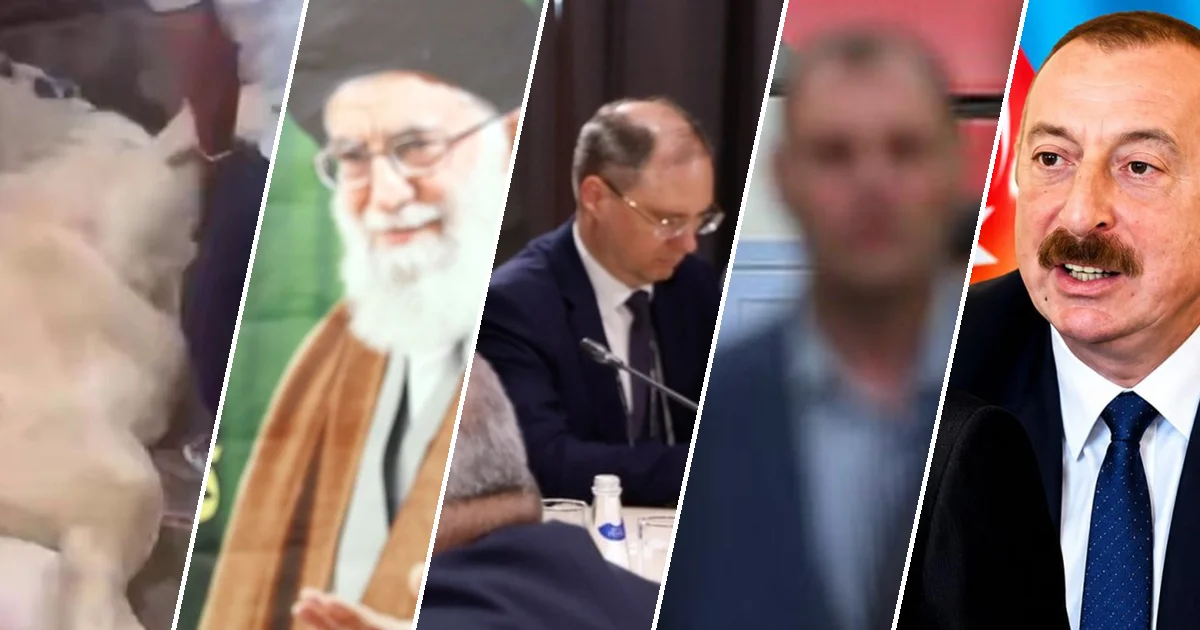
Pashinyan attended funeral ceremonies for Iran’s Supreme Leader Ayatollah Ali Khamenei in Tehran on July 5-6, underscoring Armenia’s enduring ties with Iran despite the emerging TRIPP corridor concerns. The visit followed his Yekaterinburg meeting with Mishustin and reflected Armenia’s attempt to balance relationships across multiple external powers as it navigates westward integration while maintaining EAEU membership. Iran’s ambassador emphasized that Pashinyan’s attendance reflected the special nature of Armenian-Iranian relations and cooperation. Turkish Vice President Cevdet Yilmaz stated that South Caucasus developments would be central to upcoming Trump-Erdogan talks, with Turkey continuing mediation efforts toward Armenian-Azerbaijani peace while calling for opening the transport corridor under the Turkish terminology “Zangezur Corridor.”
U.S. President Trump announced plans to lift sanctions on Turkey and consider readmitting it to the F-35 fighter jet program despite bipartisan Congressional opposition. Representatives led by Dina Titus warned that reintegrating Turkey into the F-35 program would conflict with statutory obligations and cited Turkey’s aggressive posture toward Greece and Cyprus and material support to Azerbaijan in military campaigns against Armenia. The NATO summit in Ankara on July 7-8 featured bilateral meetings between regional leaders including Azerbaijani President Ilham Aliyev and Turkish President Recep Tayyip Erdogan, with South Caucasus stability and transport corridors as key agenda items. Meanwhile, analysts warned that Azerbaijan has effectively assumed de facto governance of Armenia through high-level official visits rather than reciprocal bilateral engagement, suggesting negotiations have stalled in favor of Azerbaijani oversight.
Sources (20)
Սա կմնա մեր հիշողության մեջ. Իրանի դեսպանը` Ալիևի և Էրդողանի Թեհր… (verelq.am)
“Turkey, Armenia and Azerbaijan will form a power center” (agos.com.tr)
Trump Defies Bipartisan Congressional Opposition to Arming Turkey (asbarez.com)
Չենք կարող բացառել, որ ՌԴ-ն կգնա Հայաստանի հետ հարաբերությունների… (168.am)
RFE/RL - Russian, Armenian PMs Meet Amid Tensions (azatutyun.am)
Անկարայի գագաթնաժողով. ՆԱՏՕ-ի ռազմավարական հաշվարկներն ու Թուրքիա… (168.am)
Ֆրաու Ուրսուլան Կովկասում. Բրյուսելը «բարեկամություն» է պարտադրու… (168.am)
Ադրբեջանը փաստացի ստանձնել է Հայաստանի կառավարումը (verelq.am)
IDMS համակարգի ներդրմամբ Ադրբեջանում Հայաստանին առնչվող տվյալներ … (168.am)
Congressional Opposition Mounts Against Turkey’s Return to F-35 P… (asbarez.com)
Հայաստանը՝ մեծ բանտ՝ բաց երկնքի տակ (168.am)
Ի՞նչ խնդիր է լուծել Ալիևը՝ Ջերմուկի հատված մտնելով, արդյո՞ք կա պլ… (168.am)
Դուք Հայաստանը ադրբեջանական մոդելով ու կամքով խեղելու քվե չունեք (verelq.am)
Բռնապետի համարում ունեցող Ալիևը Փաշինյանին «զգուշացնում է»՝ դիկտա… (168.am)
Ադրբեջանում խաղարկվել են երկաթուղով ռազմական անձնակազմ և տեխնիկա … (168.am)
Vardanyan’s Wife Appeals for International Support for Humanitari… (asbarez.com)
Here’s Why Armenia Can’t Win an Air War Against Azerbaijan (nationalinterest.org)
Armenpress: Appeal hearing continues in Baku for Armenian prisone… (armenpress.am)
Pashinyan Visits Russia To Strengthen Armenian-Russian Relations (eurasiareview.com)
Pashinyan’s attendance at Khamenei’s farewell ceremonies reflects… (armenpress.am)
Brief Notes
- Denmark’s ambassador to Armenia participated in an EU Mission patrol in Syunik, highlighting European engagement in border monitoring with six Danish experts deployed to the mission. (armenpress.am )
- OSCE Secretary-General Feridun Sinirlioglu reportedly offered to assist Armenia’s government in ousting Catholicos Garegin II during a call with Russian pranksters posing as Pashinyan, according to Russian media.
- The Diasporan Perspectives think tank launched a call for research proposals on contemporary Armenian Diaspora issues, seeking diverse scholarly voices and interdisciplinary perspectives. (mediamax.am )
- A U.S.-based nonprofit delegation led by Save Armenia visited Armenia and Artsakh in mid-June to assess peace conditions and engage with displaced Armenians and war victims. (mediamax.am )
- Azerbaijan’s parliament restricted diaspora interference in elections, signaling Armenia’s shift away from diaspora-dependent confrontation toward cooperation with neighbors. (azernews.az )
- Ruben Vardanyan , former Artsakh State Minister sentenced to 20 years imprisonment in Baku, plans to appeal to the European Court of Human Rights , arguing the charges are political. (azatutyun.am )
- Armenian statistical methods developed at the Yerevan Physics Institute three decades ago are now finding applications in modern astronomy and cosmology research. (asbarez.com )
- An Israeli-founded bar in Yerevan, Mama Jan, was transferred to a Palestinian-Armenian refugee with Armenian ancestry from Gaziantep, reflecting Yerevan’s diverse expatriate communities. (thecaliforniacourier.com )
- The Armenian National Committee of America marked 40 years of its Leo Sarkisian Internship Program, with this year’s class of 11 interns representing the most geographically diverse cohort in program history. (asbarez.com )
- Community leaders in Canberra commemorated the 111th anniversary of the Armenian, Greek, and Assyrian genocides, honoring the memory of more than 2.5 million victims. (greekherald.com.au )
- A Groong analysis examined drone integration in South Caucasus warfare, concluding Azerbaijan leads regional unmanned systems development while Armenia rapidly modernizes post-2020 defeat capabilities. (eurasiareview.com )
- EU Ambassador Vassilis Maragos stated Armenia can be at the heart of European developments, emphasizing the 270 million euro Resilience and Growth Plan’s implementation to strengthen Armenian economic and societal resilience. (euneighbourseast.eu )
- Glendale, California appointed Robert William as its first Armenian-American police chief after 24 years of service advancing through departmental ranks. (asbarez.com )
- The Shirvanian Youth Center in Gyumri celebrated its 10th anniversary, having served over 5,000 youth through educational and cultural programs while establishing 100 partnerships. (asbarez.com )
- Ruben Vardanyan’s wife Veronika Zonabend appealed for international support to organize a humanitarian mission allowing Armenian hostage families to visit detained relatives in Baku. (asbarez.com )
Stay Connected
For the full, unfiltered stream of Armenia news as it happens, subscribe to the Groong Mailing List on Google Groups. Subscribers receive the complete daily news feed directly in their inbox — expect tens of emails per day covering Armenia, Artsakh, the diaspora, and the broader region.