Groong News Digest — Week of June 29–5, 2026
Published July 5, 2026 13 min read See also: Podcast Digest →Armenia’s Constitutional Court upheld contested June 7 election results, opposition leaders pledged legal challenges to a new diaspora voting restriction, and Israel’s genocide recognition sparked regional tensions while drawing Armenia’s muted response.
News Highlights from Armenia
Domestic Politics & Elections
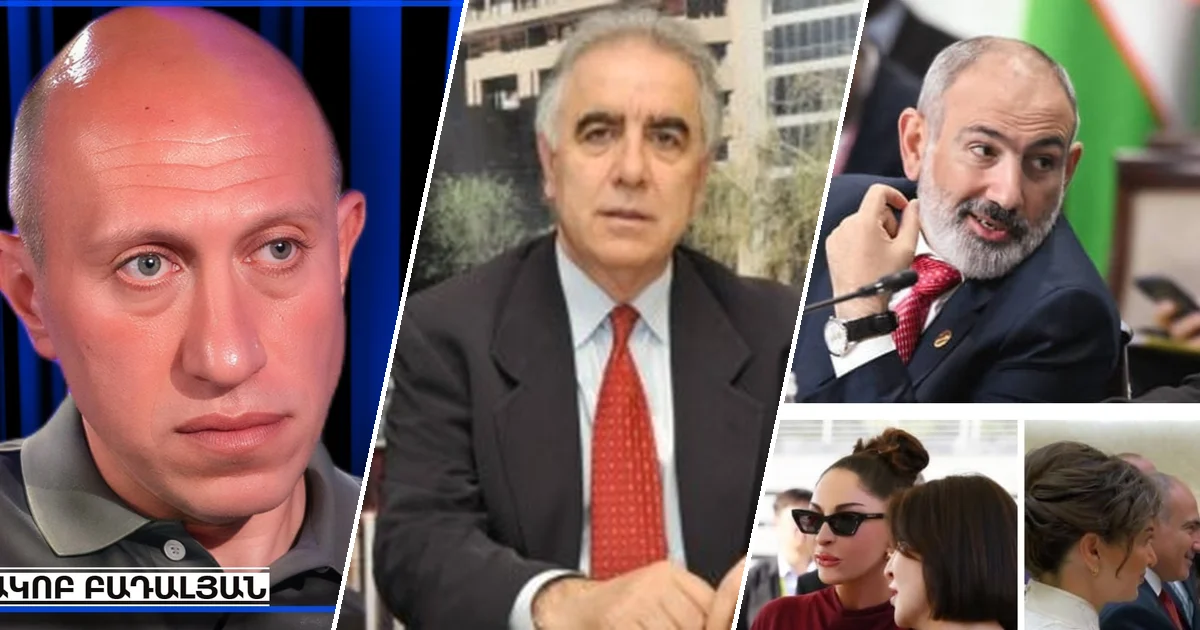
Armenia’s Constitutional Court rejected opposition appeals on July 4, upholding the June 7 parliamentary election results that gave Pashinyan ’s Civil Contract party 49.8 percent of votes and 64 seats in the 105-member National Assembly. Seven opposition groups, including Strong Armenia with 23.3 percent and 29 seats, had challenged the results as fraudulent, citing vote miscounting and allegations that authorities coerced public employees and security personnel to vote for Civil Contract . The court offered no public explanation of its reasoning, though observers noted that over the past 8 years the court is fully packed with judges sympathetic to Pashinyan.
The opposition immediately announced plans to challenge a hastily passed law that will strip voting rights from hundreds of thousands of Armenians abroad, particularly in Russia, if they do not spend at least half of the two years before elections within Armenia. Civil Contract pushed the bill through parliament’s final session on July 2 without public debate or referral to international bodies like the Venice Commission. Opposition lawmakers condemned the measure as unconstitutional, violating Article 48’s guarantee of universal suffrage without residency requirements.
Outgoing Speaker Alen Simonyan stepped down after Civil Contract’s leadership unexpectedly nominated deputy speaker Ruben Rubinyan as his replacement on June 25. Simonyan said he received no explanation for the move, though speculation centered on a possible attempt to curry favor with Turkey. Rubinyan later stated he would resign his post as special envoy for “normalization” with Turkey if elected speaker. Strong Armenia leader Samvel Karapetyan said his bloc has a secret plan to remove Pashinyan from power but declined to reveal details, citing ongoing constitutional court proceedings.
Pashinyan also announced personnel changes within the judicial system, with reports indicating that Prosecutor General Anna Vardapetyan would be named chair of the Supreme Judicial Council, replacing Artur Atabekyan. The ruling party pushed through administrative measures in early July, including the removal of murals depicting soldiers killed in the 2020 war, citing renovation of underpasses. Pashinyan’s government also restricted social welfare benefits for tens of thousands of citizens whose incomes had risen following modest pension increases, effective July 1.
Sources (13)
RFE/RL - Armenia’s Constitutional Court Upholds Election Results (azatutyun.am)
Asbarez: Constitutional Court Rejects Opposition Appeals, Upholds… (asbarez.com)
Armenpress: Armenia’s Constitutional Court rejects opposition app… (armenpress.am)
RFE/RL - Armenian Opposition To Challenge Voter Disenfranchisemen… (azatutyun.am)
Armenian Expats To Lose Voting Rights (azatutyun.am)
RFE/RL - Armenian Speaker Baffled By His Removal (azatutyun.am)
Armenian Parliamentary speaker Simonyan leaves office after losin… (oc-media.org)
Մեր գաղտնի պլանն ունենք Փաշինյանին հեռացնելու, չեմ բացահայտելու. … (168.am)
168: Պուտինը Փաշինյանի հավեսը չունի. ո՞ւմ ընտրությունն էր Ռուբինյ… (168.am)
168: Շաբաթ օրը հաղթող կհռչակվի հայկական Լուկաշենկոն (168.am)
Opposition Election Candidate Fired From Armenian College (azatutyun.am)
RFE/RL - Murals Of Fallen Soldiers Removed From Yerevan’s Streets (azatutyun.am)
Peace Process & Regional Relations
European Commission President Ursula von der Leyen visited Baku and Yerevan on July 1-2, announcing 20 million euros for demining and humanitarian projects in the South Caucasus and pledging an additional 52 million euros directly to Armenia. She proposed autonomous trade measures granting tariff-free access to 80 percent of Armenian exports to the EU, targeting products previously sold to Russia. Von der Leyen described the EU’s focus on connectivity initiatives, including the TRIPP (Trump Route for International Peace and Prosperity), as essential to anchoring the region’s economic future. She emphasized that open borders resulting from Armenia-Azerbaijan peace efforts would unlock economic potential for the entire region.
Armenia’s Deputy Foreign Minister Mnatsakan Safarian stated on July 1 that Yerevan is not in talks with Russia regarding TRIPP implementation, rejecting Moscow’s repeated assertions that it should have a role in the transit corridor. Russia’s Deputy Foreign Minister Mikhail Galuzin warned that American involvement in TRIPP posed geopolitical risks and claimed Armenia had promised 49 percent ownership to the United States, raising questions about Tehran’s response post-American strikes on Iran. The diplomatic positioning underscores competing international claims over regional infrastructure and strategic influence.
Pashinyan attended funeral ceremonies for Iran’s Supreme Leader Ayatollah Ali Khamenei in Tehran on July 3, where Iranian President Massoud Pezeshkian urged protection of Armenia-Iran relations from extra-regional interference, an apparent reference to American and EU engagement. The two leaders discussed strengthening bilateral ties independent of foreign pressure. Meanwhile, Azerbaijan’s Ilham Aliyev told U.S. President Trump on July 4 that Armenia and Azerbaijan now live in peace, framing the TRIPP as an alternative, reliable connection between Asia and Europe.
Reports circulated of Azerbaijan and Armenia establishing an anonymous system for citizens to report locations of missing persons and burial sites, managed through an international database. The initiative, announced by Azerbaijan’s security service, aims to facilitate humanitarian identification of the dead. Opposition activists in Yerevan rallied against von der Leyen’s visit on July 2, accusing the EU of ignoring political arrests and jailed opposition figures while backing Pashinyan’s authoritarian consolidation.
Sources (16)
Asbarez: EU Proposes Tariff-Free Access for Armenia’s Exports; Of… (asbarez.com)
Asbarez: EU to Pump More Money for ‘Peace in South Caucasus’ (asbarez.com)
Russian Involvement In TRIPP ‘Not On Yerevan’s Agenda’ (azatutyun.am)
Yerevan Says Not In Talks With Russia on TRIPP (asbarez.com)
A Russian Role in TRIPP Project ‘Would Make it More Viable,’ Mosc… (asbarez.com)
RFE/RL - EU’s Von Der Leyen Promises Armenia More Aid Against Rus… (azatutyun.am)
RFE/RL - Tehran Warns Against ‘Foreign Interference’ In Armenia-I… (azatutyun.am)
Իրանական ուղերձներ՝ Երևանին. Թեհրանը սպասում է ռազմավարական հստակ… (168.am)
Aliyev says Azerbaijan and Armenia now live in peace in Independe… (armenpress.am)
Հայաստանի և Ադրբեջանի քաղաքացիները կկարողանան անանուն հայտնել թաղ… (verelq.am)
EU Accused Of Ignoring ‘Political Arrests’ In Armenia (azatutyun.am)
‘Stop making democracy selective,’ Armenian protesters tell von d… (panorama.am)
Եվրամիության նոր խաղը՝ Հարավային Կովկասում․ ի՞նչ ուղերձներով էր Ո… (168.am)
TRIPP-ը՝ աշխարհաքաղաքական սակարկության առարկա՞. Ինչի՞ է պատրաստվո… (168.am)
Rubinyan says he will step down as Armenia’s special envoy for no… (armenpress.am)
EU extends Ukraine-style trade relief to Armenia (politico.eu)
Armenian Genocide Recognition & International Response
Israel’s cabinet voted unanimously on June 28 to formally recognize the 1915 Armenian Genocide , with Foreign Minister Gideon Sa’ar calling it a moral and historical duty rooted in Jewish memory of the Holocaust. The recognition, pending Knesset ratification, represents a historic shift after decades of Israeli diplomatic caution driven by strategic ties to Turkey. Sa’ar stated that despite extensive historical documentation, the genocide has been subject to an institutionalized denial campaign primarily by the Turkish government. The move signals a recalibration of Israeli regional interests amid deteriorating relations with Turkey over Gaza.
Turkey and Azerbaijan reacted sharply. Turkish President Recep Tayyip Erdogan denounced the recognition as hypocrisy, accusing Israel of weaponizing history to mask its actions in Gaza, where he claims over 73,000 civilians have died. Azerbaijan’s Jewish communities, led by rabbis Shneur Segal and Milikh Yevdayev, submitted letters to Israeli lawmakers urging them to reconsider, claiming the recognition would negatively impact peace in the South Caucasus and threaten the stability Jewish communities enjoy in Azerbaijan. Foreign policy experts including Israeli academic Efraim Inbar called the decision a childish mistake that risks alienating Azerbaijan, a strategic Israeli partner.
Armenia’s response proved notably muted. Pashinyan stated on June 29 that Armenia sees no need to respond to Israel’s recognition, arguing that refraining from weaponizing the genocide serves Armenian interests better. The Foreign Ministry issued no official statement, breaking with past practice of marking major genocide recognitions. The Armenian National Committee released a tepid welcome while accusing Israel of complicity in Armenian deaths during the Azerbaijan conflict. Former parliament member Mihran Hakobyan criticized the move as immoral cynicism, calling Israel after Turkey the most active in fighting genocide recognition.
Analysts across international media noted that the timing and framing of Israel’s recognition reflected current geopolitical contests rather than newly discovered historical evidence. The decision appeared designed to strain Turkish-Israeli ties and signal American support for historical justice claims, though observers questioned whether recognition served the interests of surviving Armenians or instead served as a tool in broader Middle Eastern power struggles.
Sources (15)
Israeli gov’t recognition of Armenian Genocide fulfills ‘moral du…
Erdoğan rejects Israel’s Armenian genocide recognition, points to… (politico.eu)
Erdogan rejects Israel’s Armenian Genocide recognition, blasts ‘m… (israelnationalnews.com)
Azerbaijani Jewish community calls on Israeli Parliament not to r… (oc-media.org)
Azerbaijan chief rabbi asks Knesset to reconsider recognition of …
Why isn’t the Armenian government celebrating the official Israel… (allisraelnews.com)
«Իսրայելի այս քայլը չի վնասում Թուրքիային, երկու երկրներն ունեն վ… (168.am)
TURKISH press: Armenia opposes ‘weaponisation’ of 1915 events aft… (en.yenisafak.com)
Israel’s Armenian Genocide recognition a ‘childish mistake,’ expe…
Why Israel’s recognition of the Armenian genocide is raising new … (rfi.fr)
Conscience or convenience: What’s behind Israel’s recognition of …
History Continues to Serve Foreign Policy: Why Israel Finally Rec… (juancole.com)
The Road to Israel’s Recognition of the Armenian Genocide Is Pave… (thewire.in)
Why Israel Suddenly “Recognized” the Armenian Genocide (thecaliforniacourier.com)
Analysis / Armenian Genocide: New Israeli Card in Geopolitical Co… (en.abna24.com)
Economy & Development
Armenia’s Public Services Regulatory Commission froze retail gas prices for domestic consumers through December 31 at up to 148 drams per cubic meter on July 1, blocking Gazprom Armenia’s attempt to raise rates following Russian threats to eliminate price exemptions granted by a 2013 bilateral agreement. Energy Minister Sergei Tsivilev had warned that Armenia’s EU integration efforts contradict partnership obligations, signaling Moscow’s willingness to suspend export duty waivers on Russian gas, oil, and diamonds. The regulatory freeze reflects continued tensions over energy pricing amid Armenia’s strategic reorientation toward Europe.
The EU’s support package includes 18 million euros specifically designated for export promotion infrastructure and the creation of an Export Support Agency, announced by von der Leyen during her July 2 meetings in Yerevan. Pashinyan stated the government had already begun forming the agency before EU funding arrived, signaling readiness to diversify trade partners amid Russian sanctions targeting Armenian agricultural products. The EU package totals 52 million euros, with potential to mobilize up to 2 billion euros in public and private investment through regional connectivity initiatives focused on transport, energy, and digital infrastructure.
EU officials framed Armenia’s economic transformation as contingent on peace and open borders. The proposed tariff-free access covers nearly 99 percent of fresh fruits and vegetables, over 90 percent of beverages and spirits, and other agricultural products historically marketed to Russia. The EU emphasized that these measures directly compensate for Russian trade restrictions and position Armenia as a transit hub between Asia and Europe once regional conflicts resolve. Armenian officials highlighted the export agency as essential infrastructure for channeling EU support to small and medium businesses.
The Armenian government announced digitalization initiatives in urban planning and construction sector oversight, with the Building Committee discussing quality control mechanisms and international technology transfer. Officials described modernization as critical to infrastructure projects underpinning TRIPP and regional connectivity. Private sector commentary emphasized the need to balance EU integration with maintaining functional relationships with Russia-led economic structures like the Eurasian Economic Union, a continuing source of institutional friction.
Sources (6)
RFE/RL - Armenian Regulator Caps Russian Gas Price For 2026 (azatutyun.am)
Verelq: Հայաստանում կստեղծվի Արտահանման աջակցության գործակալությո… (verelq.am)
Asbarez: EU Proposes Tariff-Free Access for Armenia’s Exports; Of… (asbarez.com)
Asbarez: Between Two Powers: Armenia’s Foreign Policy Dilemma (asbarez.com)
Open borders will transform Armenia’s economic future, EU is read… (armenpress.am)
Քննարկվել են քաղաքաշինության ոլորտի թվայնացման առաջիկա ծրագրերը (verelq.am)
Diaspora & International Engagement
The Armenian National Committee of America testified before the U.S. Senate Appropriations Committee on July 3, calling for immediate release of over 1,000 Armenian hostages held by Azerbaijan for more than 1,000 days and demanding the right of return for the 150,000 Armenians ethnically cleansed from Artsakh in September 2023. ANCA Government Affairs Director Tereza Yerimyan urged restrictions on Section 907 waiver extension of U.S. military aid to Azerbaijan and expanded security support for Armenia. The testimony linked continuing hostage detention to broader accountability for the ethnic cleansing operation that depopulated Artsakh entirely.
Armenia launched its annual professional development program for Diaspora teachers in July, bringing together approximately 60 educators from 11 countries. Education Minister Zhanna Andreasyan emphasized that Diaspora teachers preserve Armenian language, history, and culture in diverse linguistic environments, serving as bridges between scattered Armenian communities and their homeland. The ministry committed to ongoing professional support beyond the summer program.
The Armenian General Benevolent Union announced its inaugural AGBU Global Run for September 20, 2026, with hundreds of runners and walkers across 21 cities supporting AGBU Camp Nairi, a therapeutic sleep-away program for children affected by war and displacement. The campaign targets trauma-affected youth from the 2020 war and Artsakh blockade . The Armenian Revolutionary Federation’s Western U.S. Regional Convention, held June 25-28, condemned the June 7 elections as stolen and called for mobilization against what it termed an anti-Armenian, anti-national regime.
Diaspora cultural initiatives expanded with the Matenadaran’s Armenian manuscript exhibition in Spain attracting 13,000 visitors before returning to Yerevan, demonstrating international appetite for Armenian cultural heritage. The Armenian American Medical Society opened applications for 2026-2027 healthcare scholarships for Armenian-descent and Armenian-interested students. ANCA-Western Region launched a summer internship program for seven Armenian-American youth, emphasizing advocacy skills and grassroots mobilization around the Armenian cause.
Sources (9)
ANCA Testifies in Favor of Restricting U.S. Aid to Azerbaijan, De… (asbarez.com)
Armenia launches training program for Diaspora Armenian teachers (armenpress.am)
AGBU Launches First-Ever Global Run Fundraiser in Support of Arme…
Asbarez: ARF Western United States 60th Regional Convention Decla… (asbarez.com)
Matenadaran’s Armenian Manuscript Exhibition In Spain Concludes, … (asbarez.com)
AAMS Announces 2026 to 2027 Healthcare Student Scholarship Progra… (asbarez.com)
Asbarez: ANCA-WR Launches 2026 Summer Internship Program (asbarez.com)
Asbarez: America at 250 and the Armenians (asbarez.com)
The ‘Armenian Woman’ Book Highlights the Women that History Almos… (asbarez.com)
Brief Notes
- Yerevan municipality removed murals of soldiers killed in the 2020 war from underground pedestrian passages, citing renovation work but angering families and opposition figures who linked removals to Pashinyan’s statements discouraging Armenians from fighting for Artsakh. (azatutyun.am )
- Strong Armenia’s Narek Karapetyan argued that Georgian opposition’s boycott of parliament in 2024 backfired by strengthening the ruling party, suggesting Armenia’s opposition should consider parliamentary participation. (168.am )
- A columnist in Turkey noted that Artsakh-born taxi drivers in Yerevan remain psychologically displaced even after crossing the physical border, experiencing alienation rooted in displacement from their homeland. (agos.com.tr )
- Historian Ruben Melkonian warned that Turkish and Azerbaijani pan-Turanic projects operate as long-term state programs spanning decades, describing the Zangezur Corridor as repackaging of Ottoman imperial ambitions under contemporary political rhetoric. (168.am )
- Political analyst Gagik Gambaryan cautioned that Russian leadership may not recognize the strategic danger posed by TRIPP’s American backing and questioned whether Moscow understands implications of reduced Russian control over the South Caucasus. (168.am )
- Yerevan municipal authorities announced that animal cruelty is criminally punishable under Armenian law and stated they conduct ongoing surveillance in public spaces to prevent illegal animal performances. (verelq.am )
- The Armenian Chess Federation congratulated former President Serge Sarkissian on his birthday, thanking him for his contributions to Armenian chess development. (168.am )
Stay Connected
For the full, unfiltered stream of Armenia news as it happens, subscribe to the Groong Mailing List on Google Groups. Subscribers receive the complete daily news feed directly in their inbox — expect tens of emails per day covering Armenia, Artsakh, the diaspora, and the broader region.