Groong News Digest — Week of June 15–21, 2026
Published June 21, 2026 12 min read See also: Podcast Digest →Armenia’s June 7 parliamentary elections yielded Pashinyan’s third consecutive victory but triggered constitutional challenges from six opposition groups, mass arrests, and deepening geopolitical tensions with Russia.
News Highlights from Armenia
2026 Armenian Parliamentary Election
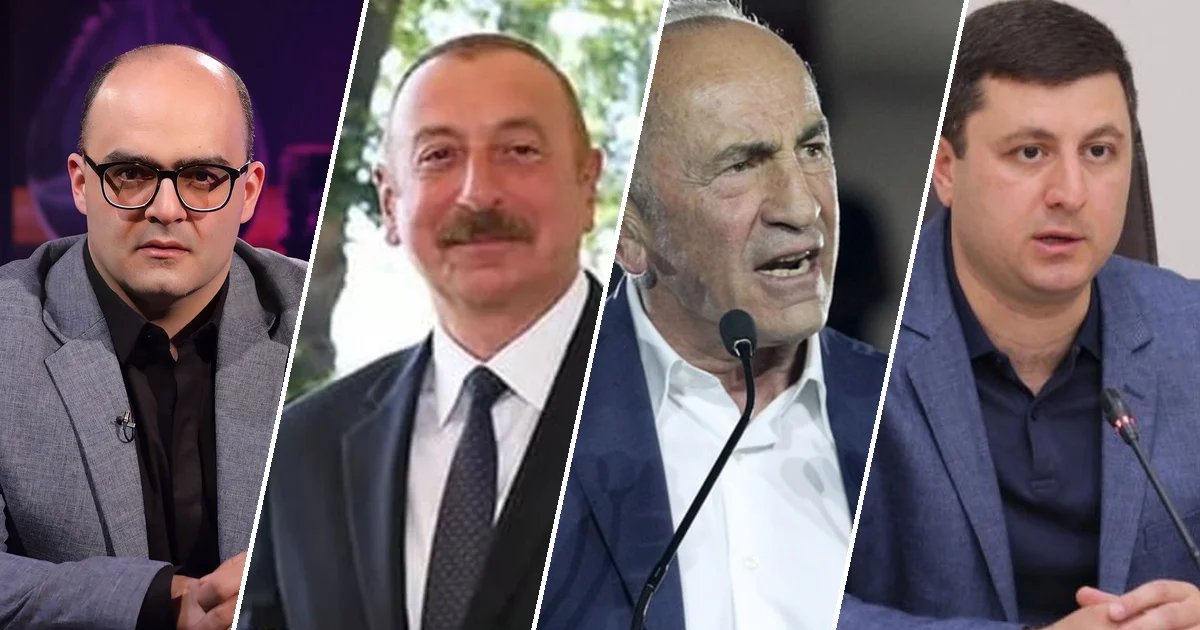
Armenia’s June 7 parliamentary elections returned Pashinyan’s Civil Contract party to power with 49.8 percent of the vote, granting it 64 of 105 parliament seats and a working majority. Strong Armenia, led by Samvel Karapetyan , finished second with 23.3 percent and 29 seats, followed by Robert Kocharyan ’s Armenia Alliance at 9.9 percent with 12 seats. Gagik Tsarukyan’s Prosperous Armenia Party allegedly fell just short of the 4 percent threshold after the Central Election Commission invalidated results from three precincts, a decision the commission refused to reverse by ordering fresh elections.
All six opposition groups and one pro-government party petitioned the Constitutional Court to invalidate the results, alleging systematic fraud including ballot miscounting, forced voting by public sector employees and security personnel, and voter intimidation. Independent monitors also rejected the official count, accusing the CEC of illegally manipulating seat allocation. Strong Armenia alternatively requested a runoff between itself and Civil Contract. The Constitutional Court announced it would rule within 15 days of each application’s filing, examining cases through oral proceedings.
Pashinyan defended the results as legitimate, asserting that Civil Contract voters cast authentic ballots while opposition votes were bought through bribery. He characterized victory as a mandate for his peace agenda with Azerbaijan and warned that 500,000 expats holding nationalist views posed an existential threat. The ruling party proposed legislation that would disenfranchise Armenians living abroad unless they spent at least 183 days in Armenia annually, a measure critics said was designed to punish diaspora opposition supporters and facilitate future rigging.
Sources (14)
Constitutional Court Asked To Scrap Armenian Election Results (azatutyun.am)
More Armenian Opposition Groups To Challenge Election Results In … (azatutyun.am)
Armenian Monitors Also Reject Official Election Results (azatutyun.am)
Asbarez: Central Election Commission Upholds Election Results; Pr… (asbarez.com)
Verelq: Առևանգված ժողովրդավարություն. Հայաստանի կեղծված խորհրդարա… (verelq.am)
Ընտրություններ՝ Առանց Լեգիտիմության. մանդատները վերցնելու և Սահմա… (168.am)
Armenia releases final election results as pro-Russian opposition…
Civil Contract won’t apply to Constitutional Court to annul elect… (armenpress.am)
After Strong Armenia, other opposition parties also seek annulmen… (armenpress.am)
New Force and For the Republic Alliance challenge parliamentary e… (armenpress.am)
Սահմանադրական դատարանը որոշում կընդունի դիմումի ընդունման օրվանից… (verelq.am)
Strong Armenia challenges election results in high court (armenpress.am)
High court outlines process for reviewing opposition election cha… (armenpress.am)
Armenian opposition members arrested after contesting election (pbs.org)
Domestic Politics and Opposition
Pashinyan pledged to crush opposition leaders and accused them of vote-buying and treason, vowing that as long as he remains prime minister he will systematically target Karapetyan, Kocharyan, and Tsarukyan. Opposition figures and critics countered that Pashinyan is using the election results as cover for a repression campaign. Karapetyan argued that Pashinyan had not actually won because opposition votes were stolen through administrative pressure and bribery, and stated that if opposition parties refuse to take their seats, Pashinyan will rule alone without accountability. Former diplomat Vardan Oskanyan rejected international framing of the election as a geopolitical contest between West and Russia, insisting instead that Armenians voted against state collapse and further territorial concessions.
The security apparatus moved swiftly against opposition figures. Authorities arrested Ruben Hakobian, a 70-year-old former parliamentarian, on charges of inciting hatred through posts made in 2024, and detained opposition member Davit Ghazinyan. The Prosecutor General’s Office secured permission from the CEC to lift Robert Kocharyan’s immunity and indict him on money laundering charges related to a 2004 transaction never previously challenged legally. A court stripped Gagik Tsarukyan’s National Olympic Committee of ownership of a 225-hectare parcel near the Tsaghkadzor ski resort valued at over 36 billion drams, and tax officials launched sweeping audits of Tsarukyan’s Multi Group conglomerate.
Karapetyan proposed forming a post-election opposition coalition to coordinate legal challenges and decide whether to take parliament seats or boycott as leverage to prevent what he called Pashinyan’s pan-Turkish agenda. Opposition lawyers and analysts argued that the election lacked legitimacy, that Pashinyan himself had rejected its results by claiming half a million voters cast fraudulent ballots, and that a non-legitimate government managing state institutions posed fundamental dangers to Armenia’s future. Former ombudsman Arman Tatoyan ’s Wings of Unity party and fugitive blogger Vartan Ghukasian’s DOK party each secured over 2 percent, entitling them to enter parliament alongside the three leading forces.
Sources (21)
«Փաշինյանի հիմնական խաղադրույքը Թուրքիայի ու Ադրբեջանի վրա է. ընդ… (168.am)
Լինո՞ւմ են արդյոք տարօրինակ զուգադիպություններ. Նիկոլ Փաշինյանը Հ… (168.am)
Ընտրությունները ազգային բողոք էին, այլ ոչ աշխարհաքաղաքականություն… (verelq.am)
Եթե ընդդիմությունը մանդատները չվերցնի, ՔՊ-ն կունենա միանձնյա թուր… (168.am)
Դավիթ Ղազինյանին բանտարկելը սովորական քաղաքական հետապնդում է․ «Ու… (168.am)
168: Փաշինյանը կիսում է Հայաստանը (168.am)
Մենք պայքարում ենք մեխանիզմի դեմ. բացարձակ իմաստ չկա պայքարել Փաշ… (168.am)
Karapetian Initiating ‘Post-Election Opposition Coalition (azatutyun.am)
«Իրավաչափ չէ. եթե չեն ուզում, որ մարդը մասնակցի ընտրական գործընթա… (168.am)
RFE/RL - Armenian Village Official ‘Forced To Quit’ After Claimin… (azatutyun.am)
Փաշինյանի նոր ռազմավարությունը՝ Բաքվին հանգստացնել, ընդդիմությանը… (verelq.am)
RFE/RL - Pashinian Vows To ‘Crush’ Top Opposition Leaders (azatutyun.am)
Pashinyan: Armenian voters gave legitimacy to peace with Azerbaij… (armenpress.am)
Փաշինյանը հայտնել է, թե հատկապես ինչից է դժգոհ կայացած ընտրությու… (verelq.am)
«Ունենք իրավիճակ, երբ հաջորդ քայլը պետք է իրականացնի ընդդիմությու… (168.am)
RFE/RL - Armenian Oppositionist Prosecuted Again (azatutyun.am)
Asbarez: CEC Lifts Robert Kocharian’s Immunity, Fulfilling Prosec… (asbarez.com)
RFE/RL - Prosecutors Move To Indict Kocharian (azatutyun.am)
RFE/RL - Tsarukian’s Firms ‘Raided By Tax Officials’ (azatutyun.am)
Անդրանիկ Սիմոնյանին հարցրել եմ՝ ինչպես է ՀՀ ԱԱԾ հսկիչ-անցագրային … (168.am)
Դատարանը Գագիկ Ծառուկյանի ղեկավարած ՀԱՕԿ-ին զրկեց Ծաղկաձորի 225 հ… (verelq.am)
Armenia-Azerbaijan Peace Process
Hikmet Hajiyev, Azerbaijani President Ilham Aliyev’s top foreign policy aide, entered Armenia via the delimited border and met with Armenia’s National Security Council Secretary Armen Grigoryan in Dilijan on June 14. Both governments issued identical, terse readouts stating that the parties stressed the importance of continued bilateral dialogue and would hold their next meeting in Azerbaijan. Pashinyan characterized the talks as evidence of progress in managing border risks, while critics saw them as validation of Azerbaijani demands that Armenia surrender more territory and accept pan-Turkish regional designs. At the same event in occupied Shushi commemorating the fifth anniversary of the Shushi Declaration, Azerbaijani Education Minister Emin Amrulayev declared that Western Azerbaijan is a strategic goal and called for the return of ethnic Azerbaijanis to Armenia, claiming that sustained effort could achieve any objective.
Aliyev repeatedly attacked Armenia, insisting that Azerbaijani territories had been under occupation for thirty years and that the OSCE Minsk Group had enabled that occupation. He praised the August 2025 Washington peace declaration and said the functioning Zangezur Corridor would bind Azerbaijan’s mainland to Nakhijevan and become part of the Middle Corridor. Pashinyan stated that Armenia and the United States are determined to move quickly on TRIPP (Trump Route for International Peace and Prosperity ), that a TRIPP Development Company has been created with substantial U.S. funding, and that the implementation agreement is in ratification. Turkish Foreign Minister Hakan Fidan called Pashinyan’s government very important and said Ankara stands ready for normalization when conditions emerge, citing direct trade, direct flights, and border opening discussions as progress.
A European Parliament member from Cyprus warned that Turkey and Azerbaijan aim to wipe Armenia off the map and that Armenia’s desire for neutral cooperation with them reflects dangerous illusion. Pashinyan rejected as unfounded claims that snap elections were being prepared, and stated that proposals to require a residency qualification for voters predated the June elections. The constitutional framework for a final peace agreement remains unresolved, as Civil Contract fell short of the two-thirds majority needed to amend the constitution and remove Armenia’s implicit claim to Artsakh, a condition Azerbaijan has demanded.
Sources (16)
Aliyev Again Accuses Armenia of Occupying Azerbaijan (asbarez.com)
Asbarez: Aliyev’s Adviser Enters Armenia Through Delimited Border (asbarez.com)
Lavrov and Fidan discuss Armenia-Azerbaijan peace process (armenpress.am)
Ադրբեջանցի պաշտոնյաներն իրենց արդեն տանն են զգում Հայաստանում (verelq.am)
RFE/RL - Aliyev Aide Visits Armenia (azatutyun.am)
Armenia’s election and peace in the South Caucasus (iiss.org)
Բաքվի համար «Արևմտյան Ադրբեջանը» ռազմավարական նպատակ է (verelq.am)
Շուշիի հռչակագրի ստորագրումից անցել է 5 տարի, ո՞ր պահանջներն են կ… (168.am)
Asbarez: Roll Up the Red Carpet (asbarez.com)
Asbarez: Turkey and Azerbaijan Want to Wipe Armenia ‘Off the Map,… (asbarez.com)
Turkish FM hails “very important” steps toward normalization with… (armenpress.am)
Pashinyan says Armenia and U.S. determined to advance quickly on … (armenpress.am)
Pashinyan comments on latest Armenia–Azerbaijan meeting (armenpress.am)
RFE/RL - Baku Renews Demands For ‘Return Of Western Azeris’ (azatutyun.am)
Ադրբեջանը Աստղաշենում 2 հուշարձան է ոչնչացրել (verelq.am)
Armenia’s Peace Will Be Decided by One Constitutional Clause (nationalinterest.org)
Geopolitics and International Relations
Russia’s Foreign Intelligence Service chief Sergei Naryshkin called Armenia’s election results questionable and complex, breaking tradition as Vladimir Putin declined to congratulate Pashinyan on his victory. Russia had imposed de facto bans on Armenian agricultural exports and beverages ahead of the voting, pressuring Yerevan to choose between the EU and the Russian-led Eurasian Economic Union and CSTO . Pashinyan signaled no shift in foreign policy, with Foreign Minister Ararat Mirzoyan visiting EU counterparts in Luxembourg and emphasizing that most Armenians voted for European aspirations, marking his first post-election trip abroad to that venue.
A possible U.S.-Iran accord announced by President Trump promised to end military operations across all fronts including Lebanon, lift naval blockades, and cancel sanctions, developments that analysts said would directly affect South Caucasus security architecture. One expert predicted Iran might reconsider TRIPP or cease viewing it as a red line, and that Washington may accelerate the Trans-Caspian Gas Pipeline while repositioning the South Caucasus as a NATO logistics node. Turkish and U.S. scholars urged Armenia to move quickly on constitutional amendments and advance regional normalization while NATO hosts its July summit in Ankara, calling this a diplomatic window.
Russian-Turkish coordination on Ukraine, with Foreign Minister Hakan Fidan visiting Moscow for talks with Sergey Lavrov, showed both nations managing a complex balancing act amid global multipolarity. Trump praised Iran’s current leadership as intelligent and easy to work with, signaling a departure from his first term’s maximum pressure posture. Experts analyzed Armenia’s election as a survival strategy for small states caught between great powers, with Pashinyan’s pro-Western alignment differentiating him from pro-Russia opposition, yet his narrow loss of constitutional supermajority complicated implementation of Azerbaijan’s constitutional demands for peace.
Sources (19)
ԱՄՆ-Իրան հնարավոր համաձայնությունը ուղղակի ազդեցություն կունենա Հ… (168.am)
Իրանի դիրքերն ամրապնդվում են Հարավային Կովկասում (verelq.am)
Armenia’s 2026 Election: Between Geopolitical Rivalry, Domestic F… (asbarez.com)
Թուրք-ամերիկյան փորձագետները գծագրում են «նոր» Հարավային Կովկասի … (168.am)
Ռուս-թուրքական «կոնսենսո՞ւս», թե՞ դիվանագիտական խաղ. Ինչո՞ւ է Անկ… (168.am)
168: Իրանի վերադարձը՝ գլոբալ խա՞ղ. Ինչպե՞ս կանդրադառնա ԱՄՆ-Իրան հ… (168.am)
Հիքմեթ Հաջիևի ՆԱՏՕ-ական ձախողումների մասին, ինչո՞ւ է նա ուզում պա… (168.am)
Ընտրություններից հետո Ադրբեջանի մեդիայում ամենաակտիվ քննարկումներ… (168.am)
Verelq: Մենք Հայաստանում գործ ունենք Ադրբեջանի կամակատար իշխանութ… (verelq.am)
Թրամփը խելացի է համարում Իրանի ներկայիս ղեկավարությանը (verelq.am)
Yerevan Signals No Foreign Policy Change Despite Russian Pressure (azatutyun.am)
Azerbaijani news: Pashinyan Wins Again — But Armenia’s Real Test …
Azerbaijani news: Armenian PM Rejects Claims of Snap Election Pla…
Armenia between Russia and Europe (mirrorspectator.com)
Turkish authors: How Do Small States Survive? The Armenian Electi… (e-ir.info)
Russia calls Armenian elections ‘questionable’ (oc-media.org)
Aliyev praises Trump, calls TRIPP contribution to regional peace (armenpress.am)
Why Russia Still Isn’t Finished with Armenia (nationalinterest.org)
Փխրուն հրադադարի ստվերում. մեկնարկում են ԱՄՆ-Իրան բանակցություննե… (168.am)
Security and Military Affairs
Joint military exercises codenamed Eagle Partner 2026 began June 17 and ran through June 25, marking the fourth annual U.S.-Armenia drill and the first to include French and Greek participation. The exercises involved 250 Armenian peacekeeping soldiers alongside 58 U.S. personnel, 24 French service members, and 11 Greek troops, training at the Zar range near Yerevan for joint peacekeeping operations. The U.S. Embassy said the drills strengthened interoperability, supported best practices, and enhanced readiness while building on longstanding defense cooperation, taking place amid heightened Armenia-Russia tensions following Moscow’s threats over Yerevan’s European orientation.
Armenian Defence Minister Suren Papikyan met French Defence Minister Catherine Vautrin in Paris, where Vautrin congratulated him on Civil Contract’s election victory and both sides affirmed their commitment to deepening Armenia-France bilateral and multilateral cooperation. The European Court of Human Rights ordered Azerbaijan to compensate the family of Major Hayk Toroyan, an Armenian officer captured and decapitated by Azerbaijani troops in 2016, finding that Azerbaijani soldiers tortured him before killing him and had failed to return his body parts for proper burial. The ruling rejected Azerbaijan’s failure to provide any explanation or documentation about the perpetrators.
Sources (4)
Armenia Hosts Military Exercises With U.S., French and Greek Troo… (asbarez.com)
RFE/RL - Armenia Hosts Joint Drills With U.S, French, Greek Troop… (azatutyun.am)
Armenian and French defence ministers discuss ongoing cooperation (armenpress.am)
RFE/RL - Beheaded Soldier’s Family Wins European Court Case Again… (azatutyun.am)
Brief Notes
- The Armenian National Committee of America called on California leaders to deny Turkish President Erdogan any official welcome ahead of his June 25 World Cup attendance, accusing him of genocide denial and complicity in Artsakh’s ethnic cleansing . (asbarez.com )
- Armenians employed across the United Nations system gathered in New York for a second forum to discuss how to increase Armenian involvement in the global organization. (armenianweekly.com )
- The Mesrop Mashtots Matenadaran signed a cooperation agreement with Mtqaran Academy to expand public access to Armenia’s ancient manuscript heritage through educational content and digital media.
- Over 460 Armenian high school students from Armenia and the diaspora gathered in Hankavan for the second annual AI Careers Camp, organized by FAST and the Armenian Missionary Association of America. (asbarez.com )
- The Armenian National Committee of America strengthened the Armenian-Hellenic alliance at the 41st annual PSEKA Cyprus Conference, calling on Washington to end quiet diplomacy and impose real costs on Turkey. (asbarez.com )
- Professor Seta B. Dadoyan published a groundbreaking historical work examining Western Armenian evolution and historiography from the tenth to fifteenth centuries as the third in a book series on Western Armenian studies. (asbarez.com )
- A curated list of Armenian artistic works spanning podcasts, films, and visual art honored the impact and complexity of Armenian fathers and grandfathers. (armenianweekly.com )
Stay Connected
For the full, unfiltered stream of Armenia news as it happens, subscribe to the Groong Mailing List on Google Groups. Subscribers receive the complete daily news feed directly in their inbox — expect tens of emails per day covering Armenia, Artsakh, the diaspora, and the broader region.