Groong News Digest — Week of June 2–8, 2026
Published June 8, 2026 10 min read See also: Podcast Digest →Armenia’s June 7 parliamentary elections test Pashinyan ’s Western pivot amid Russian pressure, mass opposition arrests, strategic U.S. engagement through TRIPP, and the country’s post-Karabakh (Nagorno Karabakh) geopolitical realignment.
News Highlights from Armenia
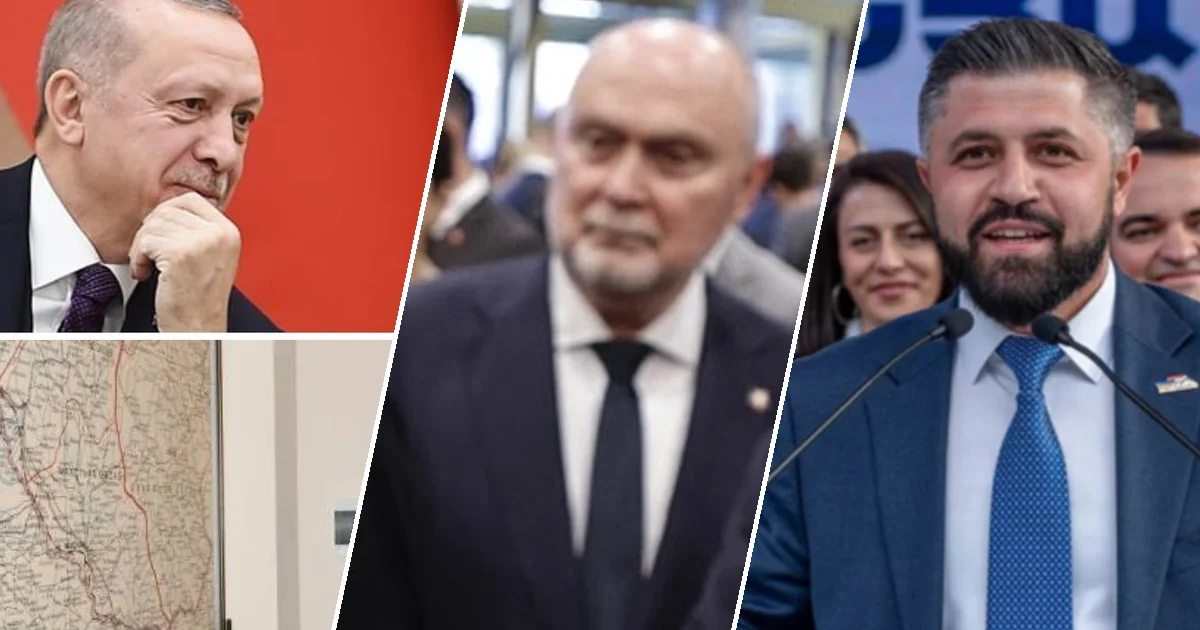
2026 Armenian Parliamentary Elections
Armenia’s June 7, 2026, parliamentary election pitted Pashinyan’s Civil Contract against sixteen parties and two alliances. Civil Contract’s internal exit poll showed them leading with 56.7%, followed by Samvel Karapetyan’s Strong Armenia alliance at 17.5%. The high-turnout vote capped eight years of upheaval, serving as a referendum on Pashinyan’s rule since 2018 and the catastrophic 2023 ethnic cleansing of over 150,000 Armenians from Artsakh.
The voting was preceded by a massive state crackdown, with authorities raiding fifty Strong Armenia offices and arresting dozens of opposition figures—including senior bloc member Aleksan Aleksanian—on corruption charges. On election eve, Pashinyan vowed to completely shut out the three main opposition forces, strip Karapetyan and Tsarukyan of their primary assets, and arrest former President Kocharyan. Observers reported that opposition arrests and detentions of election officials continued through election day.
Sources (12)
ANN/Groong – RFE/RL - Armenian Opposition Figure Arrested Ahead … (azatutyun.am)
ANN/Groong – RFE/RL - Dozens More Oppositionists Arrested Ahead … (azatutyun.am)
ANN/Groong – RFE/RL - Pashinian Wants No Opposition Presence In … (azatutyun.am)
ANN/Groong – RFE/RL - Voting Underway In Armenian Parliamentary … (azatutyun.am)
ANN/Groong – RFE/RL - Armenian Opposition Reports Continuing Arr… (azatutyun.am)
ANN/Groong – RFE/RL - Armenian Opposition Leader Arrested Again (azatutyun.am)
ANN/Groong – Ընտրություններից առաջ Հայաստան ժամանած ՀՀ քաղաքացի… (verelq.am)
ANN/Groong – Exit Poll shows Pashinyan’s Civil Contract party l… (1tv.ge)
ANN/Groong – Video: Armenian PM and opposition vote in election,… (apnews.com)
ANN/Groong – Ռոբերտ Քոչարյանը և Գագիկ Ծառուկյանը չեն մասնակցի ն… (verelq.am)
ANN/Groong – Ոչ մի տեղ չեմ վերադառնալու, 10 տարի աշխատելու եմ Հ… (168.am)
ANN/Groong – Հանուն ո՞ր Հայաստանի է քվեարկել Սերժ Սարգսյանը (verelq.am)
Press Freedom and Opposition Suppression
Pashinyan’s campaign rhetoric escalated into severe authoritarian threats against both public challengers and opposition leaders. He publicly leveled graphic, violent warnings at a missing soldier’s relative and prominent figures like Kocharyan, Karapetyan, Sargsyan, and Tsarukyan, vowing to eliminate them. Activist Artur Osipyan faced similar vitriol before being arrested on hooliganism charges, while the prosecutor’s office refused to investigate Pashinyan’s behavior. Meanwhile, physical assaults by government loyalists against Strong Armenia campaigners went unprosecuted despite clear video evidence. Days before the vote, security forces raided the pro-opposition ArmatMedia.am offices, locking staff inside and raising data manipulation concerns by plugging USB drives into office computers. This volatile environment was further degraded by alleged Russian disinformation campaigns, alongside eleventh-hour corruption charges leveled against figures close to the former administration.
Sources (9)
ANN/Groong – Pashinyan Vows to ‘Destroy’ Political Opponents: T… (arminfo.info)
ANN/Groong – RFE/RL - Prosecutors Refuse To Probe Pashinian’s T… (azatutyun.am)
ANN/Groong – No One Prosecuted For Assaults On Armenian Oppositi… (azatutyun.am)
ANN/Groong – Opposition Media Outlet Raided On Election Eve (azatutyun.am)
ANN/Groong – Փաշինյանը ներքին լեգիտիմության անկումը փորձում է ք… (168.am)
ANN/Groong – 168: Սամվել Կարապետյանը լրջագույն ճգնաժամային կառա… (168.am)
ANN/Groong – «Ելքի փոփոխություն չենք ակնկալում, կլինեն մեղադրակ… (168.am)
ANN/Groong – A wave of Russian fake news has swept Armenia’s inf… (civilnet.am)
ANN/Groong – Ընդդիմությունը դուրս կգա փողոց, Փաշինյանը կուղարկի… (168.am)
U.S.-Armenia Strategic Partnership and TRIPP
The United States deepened strategic engagement with Armenia ahead of the elections, signaling Washington’s commitment to the country’s pivot away from Russia. On a May 26 40-minute stopover, U.S. Secretary of State Marco Rubio met Armenian Foreign Minister Ararat Mirzoyan at Yerevan’s Zvartnots airport to initial a bilateral framework agreement on the Trump Route for International Peace and Prosperity (TRIPP), a U.S.-administered transit corridor through Armenian territory for the benefit of Turkey and Azerbaijan. The agreement was formally signed on June 1 by Rubio in Washington and on June 4 by Mirzoyan in Yerevan, moving toward parliamentary ratification following the election. Rubio testified before the U.S. Senate Foreign Relations Committee that TRIPP has the potential to revolutionize Armenia’s strategic location and become a central hub for regional trade, promising to transform the Armenian economy while solving Azerbaijan’s long-standing demand for transit access. The U.S. International Development Finance Corporation announced a $2.5 billion financing initiative for TRIPP development, underscoring American commitment to the project as a counterweight to Russian and Iranian influence.
The TRIPP agreement reflects a broader U.S. strategy to secure Armenia as a logistics hub while limiting Chinese and Russian regional dominance and accessing critical minerals independent of Iran and Russia. Rubio emphasized that the corridor does much more than serve as an anchor for peace between Armenia and Azerbaijan, framing it as part of Washington’s competition with Beijing. The initiative includes additional agreements on cooperation in critical minerals and other strategic sectors. However, Turkey and Azerbaijan frame the same corridor as the Zangezur Corridor , a label reflecting their pan-Turanic ambitions that differs fundamentally from the U.S. framing. President Donald Trump publicly endorsed Pashinyan’s reelection as supporting his vision for regional peace and prosperity, signaling that Washington views the incumbent’s victory as essential to TRIPP implementation.
Moscow interpreted the U.S. engagement as a direct threat to Russian interests in the South Caucasus . Rubio stated openly that Russia wants Pashinyan to lose the elections precisely because of Armenia’s growing relationship with the United States, noting clear signs of Russian displeasure in open-source intelligence. The European Union simultaneously pledged at least 50 million euros in urgent economic assistance to help Armenia weather Russian import bans, framing the aid as a response to Moscow weaponizing economic relations for political pressure. EU officials reiterated solidarity with Armenia and announced measures to ease trade for Armenian agricultural products, with new opportunities for Armenian flower exports to EU member Latvia. This coordinated Western support underscored a shared strategic interest in preventing Armenia from slipping back under exclusive Russian control.
Sources (8)
ANN/Groong – U.S.-Armenian Deal On ‘Trump Route’ Signed (azatutyun.am)
ANN/Groong – Asbarez: Rubio says TRIPP Could ‘Revolutionize’ Ar… (asbarez.com)
ANN/Groong – Armenia’s election could define Trump’s Caucasus l… (eurasianet.org)
ANN/Groong – Armenia-US Officially Sign TRIPP Agreement (asbarez.com)
ANN/Groong – Արևմուտքի նախընտրական «նվերները» և TRIPP-ը. Ինչո՞ւ… (168.am)
ANN/Groong – Verelq: Ընտրություններ, TRIPP և հանքանյութեր. ինչպ… (verelq.am)
ANN/Groong – Rubio: Russia wants Pashinyan to lose elections ove… (georgiatoday.ge)
ANN/Groong – As EU Mulls More ‘Support’ For Armenia, U.S. Says … (asbarez.com)
Regional Diplomacy and Peace Process
Pashinyan framed the election as a choice between peace and war, touting normalization with Turkey and Azerbaijan as a core platform. A June 3 call with Erdoğan highlighted tangible progress: direct trade procedures, the Akhalkalaki-Kars railway opening for Armenian goods, and Vice President Yilmaz’s attendance at the May EPC summit. Pashinyan argues this opening unlocks vital economic opportunities and enables a balanced diplomatic strategy.
Ankara continued to condition border openings on an Azerbaijani peace deal and demands the “Zangezur Corridor.” Meanwhile, Yerevan is racing to ratify a peace treaty immediately post-election, with border delimitation talks and expanded trade discussions underway. Analysts view the vote as a high-stakes referendum on strategic diversification: testing if Armenia can pivot toward the West and manage Russian and Iranian pressure while navigating incomplete normalization following the loss of Artsakh.
Sources (13)
ANN/Groong – Pashinyan Calls Erdogan as Official Ankara Again Ci… (asbarez.com)
ANN/Groong – RFE/RL - Pashinian Phones Erdogan Ahead Of Election… (azatutyun.am)
ANN/Groong – Pashinyan Is Confident Armenia Will Normalize Ties … (menafn.com)
ANN/Groong – Turkish Press: Turkish President Erdogan, Armenian … (aa.com.tr)
ANN/Groong – Armenia’s Election and the Future of Security in t… (wired-gov.net)
ANN/Groong – Anadolu: “Pashinyan is Leading Armenia toward a Me… (mediamax.am)
ANN/Groong – Անկարայի լուռ քարտ-բլանշը. Ինչո՞ւ է Էրդողանն աջակց… (168.am)
ANN/Groong – «3+3» ձևաչափի ապագան. Ինչի՞ց է կախված Երևանի, Բաքվ… (168.am)
ANN/Groong – Turkish Press: Armenians’ choice may set course of… (dailysabah.com)
ANN/Groong – Armenia’s election to test Pashinyan’s peace drive … (reuters.com)
ANN/Groong – Armenia’s election to test Pashinyan’s peace drive… (internazionale.it)
ANN/Groong – Armenia’s election to test Pashinyan’s peace drive … (reuters.com)
ANN/Groong – Pashinyan administration to work toward speedy form… (armenpress.am)
Russia, Sanctions, and Geopolitical Pressure
Moscow intensified its economic and trade embargo directed at Armenia before the election, halting over $160 million in monthly Armenian agricultural exports by citing phytosanitary issues. Imposed during the critical apricot and cherry harvests, this de facto ban devastated local farmers. Opposition figures like Tsarukyan and Kocharyan blamed Pashinyan’s pro-Western tilt, warning it mimicked Ukraine’s destructive path and forfeited vital Russian markets and remittances.
Russian officials explicitly framed the vote as a choice between Moscow’s alliance and Western betrayal. Putin warned that pursuing EU membership meant losing cheap Russian energy, while a structured EEU regulatory review was launched to lock Yerevan into obligations until late 2026. The EU countered with €50 million in emergency aid, while Iran closely watched, sharing Moscow’s opposition to Armenia’s U.S. strategic partnerships.
Sources (12)
ANN/Groong – Armenian Opposition Leaders Blame Pashinian For Rus… (azatutyun.am)
ANN/Groong – RFE/RL - Moscow Tells Armenians To ‘Save’ Their Co… (azatutyun.am)
ANN/Groong – RFE/RL - Armenian Fruit Imports Also Banned By Russ… (azatutyun.am)
ANN/Groong – Պուտինն ու Փաշինյանը քննարկել են ԵԱՏՄ-ին Հայաստանի… (verelq.am)
ANN/Groong – Թրամփը հայտնել է Հարավային Կովկասում էներգետիկ ինտ… (verelq.am)
ANN/Groong – Armenia To Get EU Aid Against Russian Sanctions (azatutyun.am)
ANN/Groong – Moscow Nervous About Armenian Parliamentary Electio… (jamestown.org)
ANN/Groong – Putin issues warning to Armenia over European ambit…
ANN/Groong – Ալիևը չի փակել «արևմտյան ադրբեջանցիների» վերադարձի… (168.am)
ANN/Groong – Iran And The Upcoming Armenian Elections: What’s A… (specialeurasia.com)
ANN/Groong – Ընտրություն՝ առանց մանևրի ընդարձակ դաշտի. Ինչպես ե… (168.am)
ANN/Groong – Հայաստանը ԵՄ-ի հետ քննարկում է մաքսատուրքերի նվազե… (verelq.am)
Brief Notes
- Catholicos Garegin II, the head of the Armenian Apostolic Church , ruled out resigning despite arrest risk, reaffirming his vow to defend the church’s rights as Pashinyan’s Civil Contract party pledged to oust him from office. (azatutyun.am )
- The Armenian Film Society announced a panel discussion titled Armenians in Television scheduled for June 28 at LOOK Cinemas in Glendale, featuring actors from series including The Pitt, Euphoria, The Lincoln Lawyer, and The Rookie. (asbarez.com )
- Bloomsbury Press published late Dr. Garabet K. Moumdjian’s The Armenian Revolutionary Federation and Constitutionalism in the Ottoman Empire, 1895-1908, examining the complex relations between Young Turks and Armenian revolutionaries. (asbarez.com )
- Archbishop Bagrat Galstanian, detained on coup charges he rejects as politically motivated, was moved to house arrest nearly one year after arrest amid Pashinyan’s efforts to oust top Armenian Apostolic Church clergy. (azatutyun.am )
- Opposition leader Gagik Tsarukyan called on Armenians to vote so the country remains sovereign and Armenian, expressing confidence that the unified opposition would win the June 7 elections. (verelq.am )
- The American University of Armenia community gathered on June 3 to celebrate the life and enduring legacy of late AUA President Dr. Haroutune K. Armenian, a renowned public health expert who dedicated more than a decade to the university. (asbarez.com )
- Verelq reported that a potential U.S.-Azerbaijan-Armenia big deal could link prisoner exchanges to political arrangements between Washington and Baku, referencing U.S. renewal of a waiver on Section 907 restrictions on aid to Azerbaijan. (verelq.am )
- An editorial warned that Pashinyan has declared war on Armenia’s economy and citizens by pursuing destructive policies under external pressure, risking winter energy crises and economic collapse. (168.am )
Stay Connected
For the full, unfiltered stream of Armenia news as it happens, subscribe to the Groong Mailing List on Google Groups. Subscribers receive the complete daily news feed directly in their inbox — expect tens of emails per day covering Armenia, Artsakh, the diaspora, and the broader region.