Groong News Digest — Week of May 18–24, 2026
Published May 24, 2026 18 min read See also: Podcast Digest →Armenia’s June 7 parliamentary campaign turned sharply confrontational as security forces raided opposition offices, Russia escalated economic pressure through export bans, and Pashinyan announced new railway connectivity through Turkey while signaling further territorial concessions to Azerbaijan.
News Highlights from Armenia
Elections & Domestic Politics
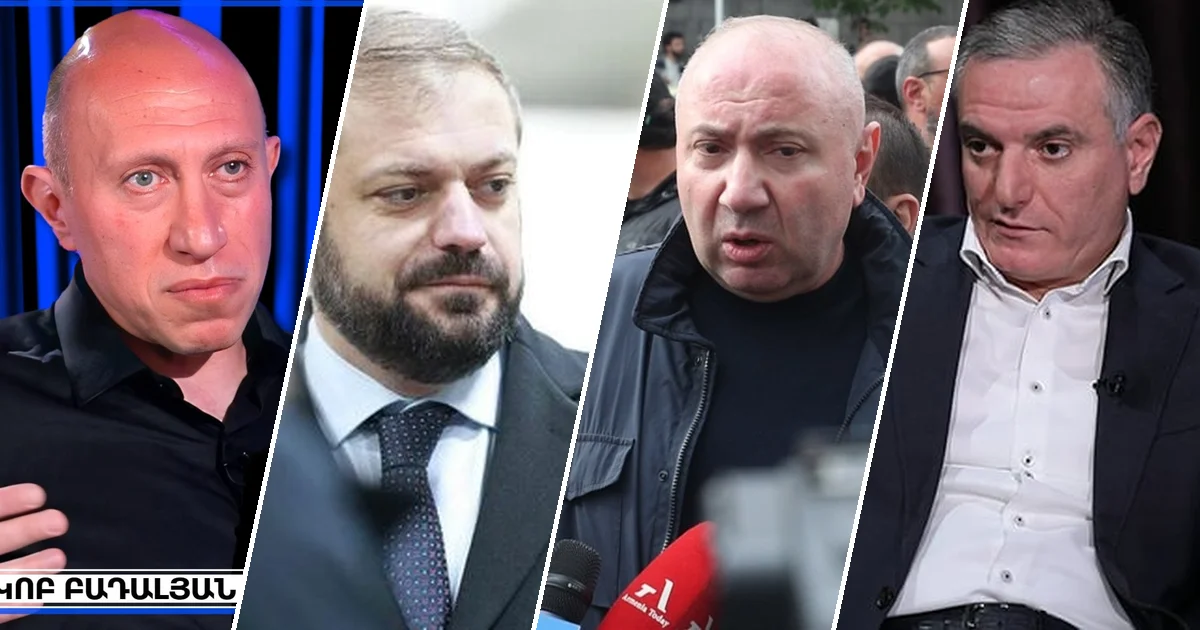
The campaign ahead of Armenia’s June 7 parliamentary elections grew increasingly hostile during the week of May 18-24, as law-enforcement actions targeted opposition figures allied with Prosperous Armenia Party (PAP) leader Gagik Tsarukian. Masked officers from the National Security Service raided the homes and offices of PAP candidates Andranik Tevanian and Martun Grigorian. Tevanian, who holds the second slot on the PAP electoral list and is known for his pro-Russian views, faced a high treason charge that Pashinyan personally announced on the campaign trail. The Investigative Committee claimed Tevanian had been recruited by a foreign intelligence service and paid $622,000 to supply state secrets, but could not explain how he accessed closed-door parliamentary sessions after his August 2023 resignation. NSS officers also entered the headquarters of the Mother Armenia party on Mashtots Avenue in Yerevan early Friday morning. PAP spokesperson Iveta Tonoyan called the actions politically motivated, timed to disrupt the opposition following a large Gyumri rally organized around Tsarukian’s return.
The Strong Armenia bloc led by Samvel Karapetyan , who remains under house arrest, mounted its own aggressive campaign. Karapetyan demanded Pashinyan swear on Aliyev ’s name that he would not allow 300,000 Azerbaijanis to settle in Armenia, challenged his record on poverty in his native Tavush Province, and pledged to reduce compulsory military service to one year with pay, modernize the armed forces, and make higher education free. He also held an emotional meeting with Armenians displaced from Artsakh (Nagorno Karabakh), with party members emphasizing national unity under his prospective leadership. Narek Karapetian, Samvel’s nephew and the formal list leader for the bloc, denied police allegations that he had concealed Russian dual citizenship from the Central Election Commission. Parliament Speaker Alen Simonian had first publicized a purported Russian registry document naming Narek Kirakosian as a Russian national, a charge Narek Karapetian rejected.
Pashinyan’s campaign rhetoric generated its own controversy. His remark asking why certain displaced Artsakh figures had not died during the fighting drew sharp condemnation. He clarified the comment was directed at what he called a Karabakh ‘pseudo-elite’ who he accused of fleeing rather than fighting, but critics, including military veteran Martun Yesayan, questioned who could have arranged the incident that prompted the remarks and whether the whole episode was staged to stoke hostility toward Artsakh Armenians. Pashinyan also described the 2020 war’s aftermath as a period of personal crisis, saying he stopped praying for the first time in his life after November 8, 2020, and framed the loss of Artsakh as Armenia escaping a historical trap rather than a national catastrophe. Armenian political analyst Hakob Badalyan and commentator Tatevik Hayrapetyan argued in separate analyses that Pashinyan’s campaign style was aimed purely at mobilizing a core electorate, and that Azerbaijan was actively investing resources to support his re-election by running negative content against opposition figures in English-language Azerbaijani media.
International observers and foreign governments also featured prominently in the election story. The OSCE Parliamentary Assembly observer mission met with National Assembly Vice Speaker Ruben Rubinyan and Standing Committee on Foreign Relations Chair Sargis Khandanyan in Yerevan. Russia denied a detailed report by The Insider alleging that the Kremlin was running an active influence operation in Armenia through SVR, GRU, and FSB officers, calling The Insider a foreign agent. Armenian critics of Pashinyan’s enclave policy, including ‘Wings of Unity’ party premier candidate Arman Tatoyان, argued that any handover of Tigranashen and nearby villages to Azerbaijan would sever roads, expose border communities to Azerbaijani military observation, and produce a security collapse in northern Armenia. Prosperous Armenia outlined a post-war development vision calling for balanced great-power relations, diaspora engagement, and internal solidarity as the basis for national revival.
Sources:
- Armenian parliament vice speaker meets OSCE PA observer mission delegation in Yerevan (armenpress.am)
- Strong Armenia bloc premier candidate Samvel Karapetyan: Let PM Pashinyan swear he won’t resettle 300,000 Azerbaijanis in Armenia (news.am)
- Samvel Karapetyan meets with Artsakh Armenians (panorama.am)
- RFE/RL - Armenian Opposition Leaders’ Homes, Offices Raided Ahead Of Elections (azatutyun.am)
- 168: Փաշինյանը Հայաստանը հանձնել է Ադրբեջանին. սա եվրոպական վերնախավի սցենարն է, գինը Միջին միջանցքն է. վճարողը հայ ժողովուրդն է լինելու. Հակոբ Բադալյան (168.am)
- Armenian security officers raid opposition party headquarters in Yerevan (panorama.am)
- Pashinyan says “Why didn’t you die?” remark was aimed at Karabakh-Armenian pseudo-elite who abandoned troops (armenpress.am)
- RFE/RL - Armenian Oppositionist Denies Secret Russian Citizenship (azatutyun.am)
- Samvel Karapetyan pledges one-year military service, free education in Armenia (panorama.am)
- Prosperous Armenia Party accuses Pashinyan of political vendetta ahead of elections (panorama.am)
- Pashinyan reflects on emotional aftermath of war, says he is proud to have led Armenia out of “trap” (armenpress.am)
- Russia denies The Insider report alleging meddling in Armenian elections (armenpress.am)
- «Այսինքն՝ ո՞րն է Փաշինյանի նպատակը, որ բոլոր արցախահայերը պետք է զոհվեին ու մնային Արցախո՞ւմ, Հայաստան չգայի՞ն». Մարտին Եսայան (168.am)
- Սրանք հայ ժողովրդի մասին չեն մտածում, այլ ոնց բերեն, ադրբեջանցիներին լցնեն, որ պատերազմ սկսվի. Սամվել Կարապետյան (168.am)
- Առանձնահատուկ հետաքրքիր է Ադրբեջանի շատ ուղիղ միջամտությունը և իրենց կողմից լուրջ ռեսուրսների ներդրումը՝ հանուն Փաշինյանի. Տաթևիկ Հայրապետյան (168.am)
- Փաշինյանի «պատմագիտական» թեզերը, իրականությունը և Ալիևի նյութական օգուտը (168.am)
- Քարոզարշավը Նիկոլ Փաշինյանի կողմից վերածվում է բացահայտ քաղաքական հաշվեհարդարի (verelq.am)
- Ինձ համար անկլավների հարց գոյություն չունի. Տիգրանաշենը պատմական հայկական հող է. Արման Թաթոյան (168.am)
- Բարգավաճ Հայաստան. հետպատերազմյան զարգացման տեսլական (verelq.am)
- Քաղաքական հաշվեհարդար Ծառուկյանի դեմ. ո՞ւմ շահերն է սպասարկում Փաշինյանը (verelq.am)
Peace Process & Armenia-Azerbaijan Relations
Territorial concessions remained a flashpoint in both the election campaign and the broader peace process. Pashinyan signaled during campaign stops that border delimitation would require resolving the status of three Soviet-era Azerbaijani enclaves inside Armenia, prompting opposition groups to accuse him of preparing another uncompensated handover. At a May 22 press briefing, Pashinyan insisted Armenia could not abandon the enclave issue because Armenia itself possesses the exclave of Artsvashen, and any official renunciation of sovereign territory would constitute criminal liability. He also said current discussions on Tigranashen and related villages involved no finalized agreement, and that any resolution would be conducted openly. On the question of Azerbaijani resettlement in Armenia, he flatly denied opposition claims, stating: ‘I guarantee it,’ and declared that the Artsakh issue was permanently closed with no prospect of return to Karabakh, Nakhchivan, Sumgait, or any other formerly Armenian-populated Azerbaijani city.
Armenia’s Defense Ministry denied a video-backed claim by a Strong Armenia Alliance member that a military post near Jermuk had been quietly surrendered to Azerbaijan, calling the report disinformation and urging law enforcement to investigate the source. Former Azerbaijani Foreign Minister Tofiq Zulfugarov, writing from Baku, accused Pashinyan of prematurely celebrating peace while core border and enclave issues remained unresolved. An Armenian-language analysis in Verelq also dismissed as fabricated Baku’s planned ‘Return to Western Azerbaijan’ festival scheduled for Nakhchivan in June, noting the promotional materials relied entirely on images of nomadic encampments because no meaningful Azerbaijani cultural imprint exists on historic Armenian territory. French President Emmanuel Macron called Azerbaijani President Ilham Aliyev to reaffirm Paris’s support for the Armenia-Azerbaijan peace process and pledged to raise the issue of 19 Armenian prisoners still held in Azerbaijan, including former Artsakh leadership figures convicted on what Yerevan describes as fabricated charges.
The United States also weighed in on the peace trajectory. U.S. Chargé d’Affaires David Allen said the return of Peace Corps volunteers to Syunik was not directly tied to the TRIPP initiative but reflected Washington’s growing confidence that the Armenia-Azerbaijan process was on track. He confirmed that negotiations on agreements tied to TRIPP had taken place the previous week, though no new announcements were imminent. Meanwhile, Azerbaijan’s ambassador to Turkey, Rashad Mammadov, told Cumhuriyet that the Turkey-Armenia land border would open only after Armenia’s June 7 elections and subsequent constitutional amendments removing language Baku characterizes as territorial claims, after which the full Armenia-Azerbaijan peace agreement would be signed. The Armenian government announced that school curricula would be updated to include AI and cybersecurity, though one Armenian-language analysis noted the timing of that announcement coincided with the unveiling of a proposal to route Armenian agricultural exports through Turkey to Europe, which critics compared to other high-profile promises the government had failed to deliver.
Sources:
- Macron reiterates support for Armenia-Azerbaijan peace process in call with Aliyev (armenpress.am)
- RFE/RL - Pashinian Signals More Territorial Concessions To Azerbaijan (azatutyun.am)
- Armenpress: US envoy says Peace Corps return to Syunik reflects confidence in Armenia-Azerbaijan peace process (armenpress.am)
- Armenia premier: There will be no topic of return to Karabakh (news.am)
- Pashinyan: Armenia cannot abandon enclave talks with Azerbaijan because of its own exclave (armenpress.am)
- Armenia PM on Tigranashen village issue: We cannot abandon topic of enclaves (news.am)
- Pashinyan dismisses opposition claims of Azerbaijani “resettlement” (armenpress.am)
- Defense ministry denies Jermuk military post handover claims (armenpress.am)
- Զուլֆուգարովը Փաշինյանին «մեղադրում» է վաղաժամ խաղաղության հաղթանակ տոնելու մեջ (168.am)
- Կեղծ «Արևմտյան Ադրբեջան». Բաքվի հերթական կեղծարարությունը (verelq.am)
- Հայաստանում դպրոցական ծրագրեր են նախապատրաստվում ԱԲ-ի վերաբերյալ (verelq.am)
- Asbarez: ‘Return to Western Azerbaijan’ Festival to be Held in Nakhichevan (asbarez.com)
Armenia-Russia Relations & Regional Geopolitics
Russia’s relationship with Armenia deteriorated sharply across the week, moving from political warnings into direct economic retaliation. Russian Security Council Secretary Sergei Shoigu convened an emergency working group at the Kremlin to review the future of Russian-Armenian relations, accusing Yerevan of systematically taking hostile steps against Moscow, including seeking EU membership and allowing Ukrainian President Volodymyr Zelenskyy to attend the European Political Community summit in Yerevan earlier in May. Russian State Duma speaker Vyacheslav Volodin added his voice, writing that Pashinyan was ‘cynically using’ opportunities Russia had granted while pursuing an unfriendly policy, and that Moscow ‘can no longer remain silent.’ Russian Deputy Prime Minister Alexey Overchuk said Armenia’s EAEU status would be discussed at the May 28 Astana summit, though he also insisted Russia did not want Armenia to leave the bloc.
Pashinyan responded by insisting that only Armenia can decide its own EAEU membership status under the union’s own regulations, and that no other member can initiate an expulsion. He said he would not attend the Astana summit due to the campaign period, with Deputy Prime Minister Mher Grigoryan representing Armenia instead. Russia confirmed it had received official notification of his absence. On the gas front, Pashinyan ruled out any price increase, citing an existing contract he described as mutually beneficial. He also dismissed fears of a mass deportation of Armenians from Russia, arguing that legally resident Armenians were protected by existing regulations and noting that 2025 marked the first year Armenia recorded return migration exceeding emigration.
Russian economic pressure materialized in concrete trade restrictions. Rosselkhoznadzor imposed a ban on Armenian flower imports effective May 22, citing quarantine organism violations. Rospotrebnadzor then banned imports and sales of Jermuk mineral water, citing excessive bicarbonate, chlorine, and sulfate levels, a ban that took effect immediately and extended an earlier batch-specific restriction from April. Days later, Rospotrebnadzor also suspended sales of brandy and wine produced by three Armenian companies: Vedi-Alco, Abovyan Brandy Factory, and Shahnazaryan Wine-Brandy House. Armenian Economy Minister Gevorg Papoyan confirmed that Russian Rosselkhoznadzor representatives were conducting on-site inspections at affected Armenian companies, and framed the situation as a normal working process while stressing that Armenia’s exports to China and the EU had doubled in the first four months of 2026. Former Deputy Agriculture Minister Ashot Harutyunyan warned the flower restrictions were only the first signs of damage from a flawed foreign policy and predicted severe consequences if the situation went unresolved. Armenian-language analysis in 168.am described Russia as waging an ’economic cold war,’ using asymmetric trade leverage to demonstrate the cost of Armenia’s westward drift.
On broader regional geopolitics, Iranian Supreme Leader advisor and former Foreign Minister Ali Akbar Velayati issued a rare statement suggesting the map of regional corridors was now being drawn by Tehran’s ground realities rather than Washington’s pressure, referencing the fading of the so-called ‘Trump Route’ through southern Armenia. An Armenian-language analysis noted this was the first statement of its kind from such a senior Iranian figure since leadership changes in Tehran during the recent Iran-US conflict. Pashinyan also commented on Georgia, calling Tbilisi a ‘key’ factor in Armenia’s EU connectivity while insisting bilateral Armenian-Georgian relations remained strategic and fraternal regardless of either country’s alignment with outside blocs.
Sources:
- Armenia will not take any abrupt actions in relations with Russia, Pashinyan says (armenpress.am)
- Moscow Reviewing Ties With ‘Unfriendly’ Yerevan (azatutyun.am)
- Pashinian Claims Good Rapport With Putin Amid Rising Tensions (azatutyun.am)
- Russia confirms official notification that Armenian PM will skip EAEU summit (armenpress.am)
- Armenia’s Ruling Party Downplays Russian Warnings (azatutyun.am)
- Armenia alone has authority over its EAEU status, says Pashinyan (armenpress.am)
- Pashinyan dismisses concerns over possible mass deportation of Armenians from Russia (armenpress.am)
- Pashinyan rules out Russian gas price hike for Armenia (armenpress.am)
- Russia bans imports and sales of Armenian Jermuk mineral water (armenpress.am)
- Russia bans sales of brandy and wines produced by three Armenian companies (armenpress.am)
- Տնտեսական «սառը պատերազմ». Ինչպե՞ս է Մոսկվան թիրախավորում հայկական բիզնեսը (168.am)
- Կոշտ էլիտա և մտահոգ փորձագետներ. Ռուսաստանի ներքին երկվությունը Հայաստանի դեմ «տնտեսական պատերազմում» (168.am)
- Ազդակներ Պետդումայից. Մոսկվան այլևս չի հանդուրժում. Ի՞նչ է սպասվում Երևանին «ֆիտոսանիտարական պատերազմից» հետո (168.am)
- Հայ հասարակությանը պարտադրվում է «կառավարության քննադատությունը հավասար է Մոսկվայի գործակալի» պարզունակ պատմությունը․ ՌԴ ԱԳՆ (168.am)
- «Ռոսսելխոզնադզոր»-ի ներկայացուցիչները հայկական ընկերություններում ստուգումներ են անում (verelq.am)
- «Սա սխալ քաղաքականության առաջին ձնծաղիկներն են, չկարգավորվեց՝ որպես նախկին պաշտոնյա՝ ահազանգում եմ. հետևանքները շատ ծանր են լինելու». Աշոտ Հարությունյան (168.am)
- Իրան-ԱՄՆ նոր էսկալացիայի ստվերը. Ի՞նչ է սպասվում Հարավային Կովկասին (168.am)
- Տարածաշրջանային միջանցքների քարտեզը այլևս գծում է Իրանը, այլ ոչ թե Վաշինգտոնը (verelq.am)
- Pashinyan: Georgia plays crucial role in Armenia-EU relations (armenpress.am)
Armenia-Turkey Normalization & Regional Connectivity
A series of developments advanced Armenia’s connectivity agenda with Turkey during the week. Pashinyan announced on May 24 that the Akhalkalaki-Kars railway, running through Georgia, was now open for Armenian export and import traffic, following the earlier opening of the Azerbaijani railway to Armenian trade. He thanked Georgia and Turkey, and outlined an emerging rail map that already connects Armenia to Russia via Georgia and Azerbaijan, and onward to China through Russia and Kazakhstan. The newly activated corridor adds EU access via Georgia and Turkey. Pashinyan framed these openings as connected to the TRIPP project and said further links, including a direct Armenia-Turkey railway, a direct Armenia-Azerbaijan line, and eventually a connection to Iran via Nakhchivan, were expected in the near future. Turkey’s special envoy for the normalization process, retired Ambassador Serdar Kilic, welcomed the announcement.
The first meeting of the joint Armenia-Turkey Commission on the use of shared water resources from the Akhuryan and Araks rivers was held in Yerevan on May 21, beginning at the Armenia-Turkey border checkpoint and continuing at Jrar Inc. facilities. Tigran Vardanyan, director of Jrar, said the signed documents were drawn up on mutually beneficial terms. No additional details were made public. Azerbaijani Ambassador to Turkey Rashad Mammadov told Cumhuriyet that both the Turkey-Armenia and Armenia-Azerbaijan borders would open once Armenia removed constitutional language Baku deems a territorial claim, with a post-June 7 constitutional referendum in Armenia as the next step. National Assembly Vice Speaker Rubinyan also met with U.S. Chargé d’Affaires Allen on May 22 to discuss the Armenia-Turkey normalization process alongside broader regional peace efforts.
An Armenian economist interviewed by Verelq cautioned that Turkey’s formal legalization of direct bilateral trade, while the land border remains closed, was primarily a customs and legal reclassification rather than a structural economic shift. Much of the Turkish goods already entering Armenia had done so through third countries for years. The economist raised questions about whether Armenian producers could find European buyers on their own, and whether the Azerbaijani energy factor shaped Ankara’s decisions more than trade interests. An Armenian official also presented Armenia’s transport cooperation projects at the Asia and Pacific Transport Forum in Manila, underscoring Yerevan’s effort to diversify infrastructure partnerships beyond its immediate neighborhood.
Sources:
- Turkish Press: Azerbaijani ambassador says Turkey-Armenia border to open after Armenian constitutional changes (turkishminute.com)
- First Armenia-Turkey Commission on Joint Use Water Resources Meets in Yerevan (asbarez.com)
- Armenian parliament vice speaker and US chargé d’affaires discuss Armenia-Türkiye normalisation process (armenpress.am)
- Pashinyan thanks Georgian and Turkish partners: Akhalkalaki-Kars railway now available for Armenian export and import (1tv.ge)
- Turkish Press: Armenia gains rail access to Europe via Türkiye, Georgia for first time (turkiyetoday.com)
- Verelq: Առևտուրն՝ ուղիղ, սահմանը՝ փակ. ի՞նչ է նշանակում Թուրքիայի նոր որոշումը. տնտեսագետ (verelq.am)
- Armenian official presents projects at Asia and the Pacific Transport Forum 2026 (armenpress.am)
Economy, Defense & Development
Armenia’s domestic defense industry made headlines for the first time as an exporter. High-Tech Industry Minister Mkhitar Hayrapetyan announced that three Armenian companies had sold Armenian-made weapons worth millions of dollars to two foreign countries, calling it an unprecedented milestone. He declined to name the companies, the weapons types, or the buyers. Pashinyan confirmed the exports at a May 22 press briefing, saying long-term contracts were in place and deliveries would continue. The RISE Powered by Silicon Mountains 2026 exhibition, scheduled for June 3-4 at the Karen Demirchyan Sports and Concert Complex in Yerevan, was announced as a showcase for Armenian defense systems, engineering products, and tech innovations, with 60 million drams in government grant funding provided to support the event. Three Armenian startups, Denovo Sciences, TACTUN, and MedPair, were also selected to represent Armenia at VivaTech 2026 in Paris under the EU4Innovation East program.
Russia’s trade restrictions on Armenian agricultural exports forced Yerevan to accelerate market diversification. Economy Minister Papoyan said Armenian greenhouse flower production met international quality standards competitive in EU and U.S. markets, and confirmed the government was developing compensation mechanisms for transportation costs and intellectual property expenses needed to enter European auctions, including in the Netherlands. He reported that Armenia’s exports to China and the EU both doubled in the first four months of 2026 compared to the same period in 2025. Armenia and Iran discussed infrastructure and energy projects including the Kajaran-Agarak section of the North-South corridor , which Iranian companies are helping build. Armenian Ambassador Grigor Hakobyan and Iranian Deputy Foreign Minister Hamid Ghanbari agreed to accelerate implementation within established timelines.
On the EU track, Internal Affairs Minister Arpine Sargsyan reported that Schengen visas issued to Armenian citizens rose from 51,000 in 2019 to 86,300 in 2024, with the share of multiple-entry visas growing from 34.8 percent to 43.5 percent. Armenia received its first EU visa liberalization progress report on May 5 and is continuing work on the EU Visa Liberalization Action Plan. With U.S. support, Armenia also established a modern cybercrime laboratory within the police’s Department for Combating Cybercrime, and launched a Centralized Monitoring Center alongside the CertScan customs screening system at the State Revenue Committee headquarters. The border e-gate system, planned for rollout alongside biometric passports, was under active inter-agency discussion. Belgium’s first TUMO center opened in Liège, offering free digital skills training to young people aged 12 to 18 and extending the Armenian-developed education model further into Western Europe. Armenia’s armed forces launched the largest military-sports relay in the country’s history, a 1,450-km route across the entire country dedicated to Military Sports Day, with a May 28 military parade also scheduled at Republic Square in Yerevan. The prestigious Concours Mondial de Bruxelles wine competition opened in Armenia for the first time, drawing around 400 experts from 65 countries to the Garni Temple for its opening ceremony, with approximately 130 Armenian wines entered in the competition.
Sources:
- As Armenian defense industry enters export market, minister says more deals ahead (armenpress.am)
- Armenia to showcase high-tech innovations at RISE 2026 exhibition in Yerevan (armenpress.am)
- EU visas issued to Armenian citizens increase significantly, says minister (armenpress.am)
- Armenpress: Three Armenian Startups Selected to Participate in Europe’s Leading Technology and Innovation Gathering VivaTech 2026 (armenpress.am)
- Armenian greenhouse flower industry eyes EU market (armenpress.am)
- Armenia and Iran discuss key trade and infrastructure projects amid push for deeper economic ties (armenpress.am)
- Armenia to continue arms exports, Pashinyan confirms long-term defense industry deals (armenpress.am)
- Armenian police set up cyber lab with U.S. support to fight cybercrime (armenpress.am)
- Armenia launches new border monitoring center and CertScan system with U.S. support (armenpress.am)
- Armenia to introduce e-gate system at border checkpoints (armenpress.am)
- Armenian Defense Ministry announces salute charge drills ahead of May 28 military parade (armenpress.am)
- Armenia launches record-breaking military sports relay across the country (armenpress.am)
- Armenia takes centre stage on global wine map as Concours Mondial de Bruxelles opens in Yerevan (armenpress.am)
- Հայաստանը կվերաուղղորդի ծաղիկների արտահանումը ԵՄ և ԱՄՆ. նախարար (verelq.am)
- Պապոյան. Հայաստանը չորս ամսում կրկնապատկել է արտահանումը դեպի Չինաստան և ԵՄ (verelq.am)
- Լուսակերտում թնդանոթից կարձակվի 1 կրակոց, իսկ Երևանում՝ 2 կրակոց․ ՊՆ (verelq.am)
- Հայաստանում մեկնարկել է ԶՈՒ պատմության մեջ ամենախոշոր ռազմամարզական փոխանցումավազքը (verelq.am)
- Belgium opens first TUMO centre as Armenian education model builds new bridge with Wallonia (armenpress.am)
- Central Bank of Armenia: exchange rates and prices of precious metals - 20-05-26 (armenpress.am)
Brief Notes
- HayPost issued a commemorative souvenir sheet marking the 125th anniversary of Alex Manoogian, the Armenian-American inventor of the single-handled Delta faucet and long-serving AGBU president. (armenpress.am )
- Armenian international forward Finn Geragusyan, 18, was named Sunderland U-21 Player of the Season for 2025-2026. (armenpress.am )
- The U.S. Senate advanced a war-powers resolution that would require congressional authorization to continue military action against Iran, with four Republicans joining Democrats in the 50-to-47 procedural vote. (armenpress.am )
- CNN reported, citing U.S. intelligence sources, that Iran has restarted drone production during the ceasefire and is reconstituting its military capabilities faster than initially estimated. (armenpress.am )
- California State Superintendent Tony Thurmond visited Vahan and Anoush Chamlian Armenian School in Glendale, praising its integration of STEAM learning with Armenian heritage education. (asbarez.com )
- Los Angeles City Planning launched work on the city’s Armenian American Historic Context Statement, which may be the first municipal historic preservation document in the United States focused specifically on Armenian American heritage. (asbarez.com )
- A Greek court sentenced a 27-year-old Azerbaijani man to seven years and one month in prison for espionage after he was found monitoring the Souda naval base on Crete. (armenpress.am )
- Albert Shahinyan, a 12th-grade student at the National Polytechnic University of Armenia’s High School in Yerevan, won third place in the Physics and Astronomy category at the Regeneron International Science and Engineering Fair in Phoenix. (armenpress.am )
Stay Connected
For the full, unfiltered stream of Armenia news as it happens, subscribe to the Groong Mailing List on Google Groups. Subscribers receive the complete daily news feed directly in their inbox — expect tens of emails per day covering Armenia, Artsakh, the diaspora, and the broader region.