Category: US
Ambassador Jack Matlock - Did the West Fumble the Post-Cold War Peace? | Ep 580, Aug 28, 2026 [EP580]
Posted on Friday, Aug 28, 2026 | Category: Armenia, US, Russia, Geopolitics, History, Soviet Armenia, USSR | Series: cog, video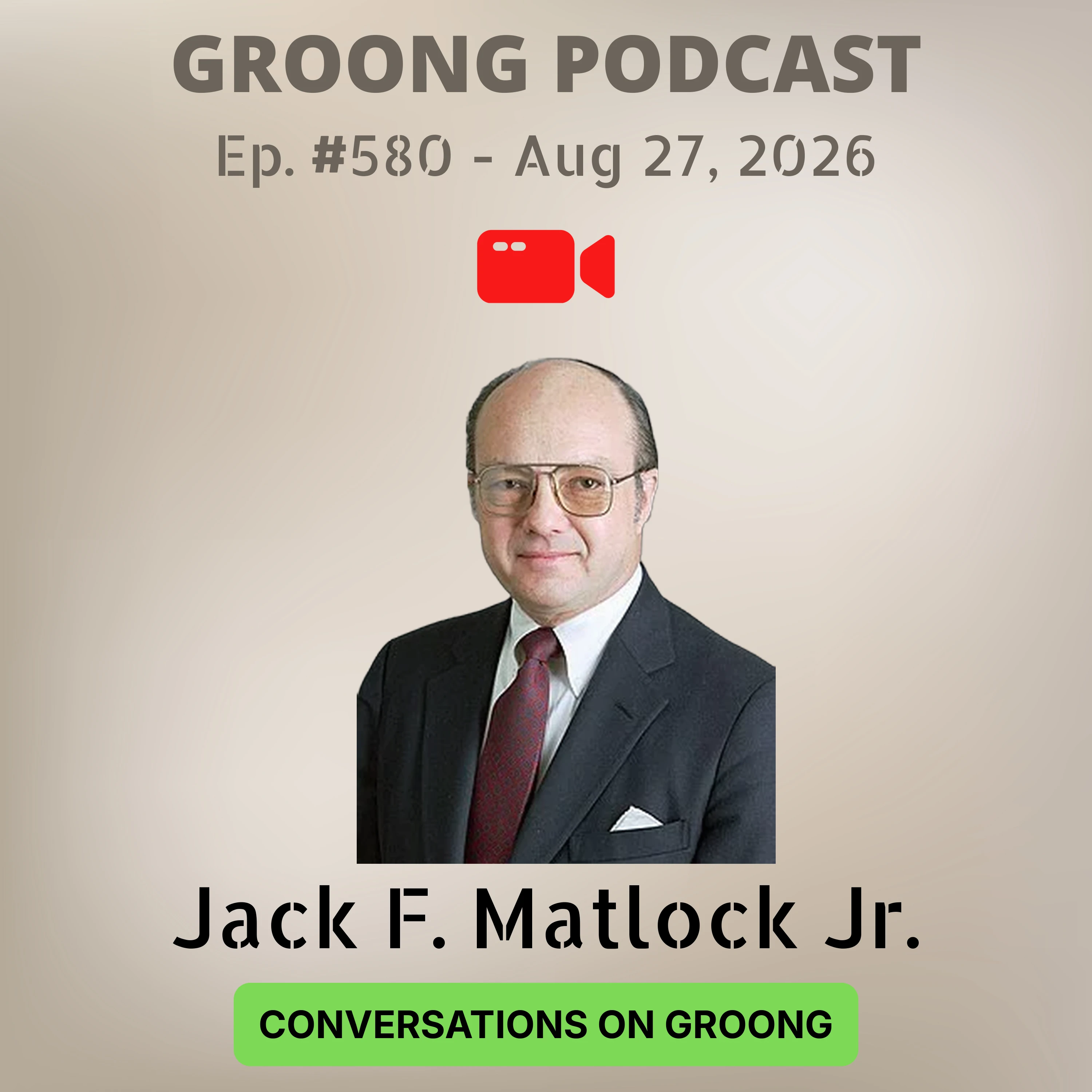
Groong Links:
Guest(s):
Topics:
- Recollections from Soviet South Caucasus
- Why the Soviet Union collapsed
- How the Cold War ended
- Reagan and Gorbachev’s diplomacy
- America’s post-Cold War triumphalism
- NATO expansion and Russian backlash
- Great-power rivalry in the Caucasus
- Armenia’s geopolitical choices today
Episode 580 | Recorded: Aug 27, 2026
#JackMatlock #ColdWar #SovietUnion #Reagan #Gorbachev #NATO #Russia #SouthCaucasus #Armenia
Ambassador Jack Matlock - Did the West Fumble the Post-Cold War Peace? | Ep 580, Aug 28, 2026 [EP580]
Posted on Friday, Aug 28, 2026 | Category: Armenia, US, Russia, Geopolitics, History, Soviet Armenia, USSRGroong Links:
Guest(s):
Topics:
- Recollections from Soviet South Caucasus
- Why the Soviet Union collapsed
- How the Cold War ended
- Reagan and Gorbachev’s diplomacy
- America’s post-Cold War triumphalism
- NATO expansion and Russian backlash
- Great-power rivalry in the Caucasus
- Armenia’s geopolitical choices today
Episode 580 | Recorded: Aug 27, 2026
#JackMatlock #ColdWar #SovietUnion #Reagan #Gorbachev #NATO #Russia #SouthCaucasus #Armenia
Transcript: Ambassador Jack Matlock - Did the West Fumble the Post-Cold War Peace? | Ep 580, Aug 28, 2026 [EP580]
Posted on Friday, Aug 28, 2026 | Category: Armenia, US, Russia, Geopolitics, History, Soviet Armenia, USSR, TranscriptIn this episode of Conversations on Groong, we speak with Ambassador Jack Matlock, the last US Ambassador to the Soviet Union, about whether the West missed a historic opportunity to integrate Russia into Western security architecture after the Cold War. We discuss the internal collapse of the Soviet Union, Reagan-Gorbachev diplomacy, NATO expansion and Russian backlash, and how Cold War-era decisions shape Armenia’s geopolitical choices today, including Matlock’s firsthand observations of Soviet Armenia during glasnost and the Nagorno Karabakh movement.
Scott Horton - Why Are We at War with Iran? | Ep 523, Mar 20, 2026 [EP523]
Posted on Friday, Mar 20, 2026 | Category: Politics, US, Iran, Israel, Syria, Lebanon, Turkey, Azerbaijan, Nagorno Karabakh, China, NATO | Series: cog, video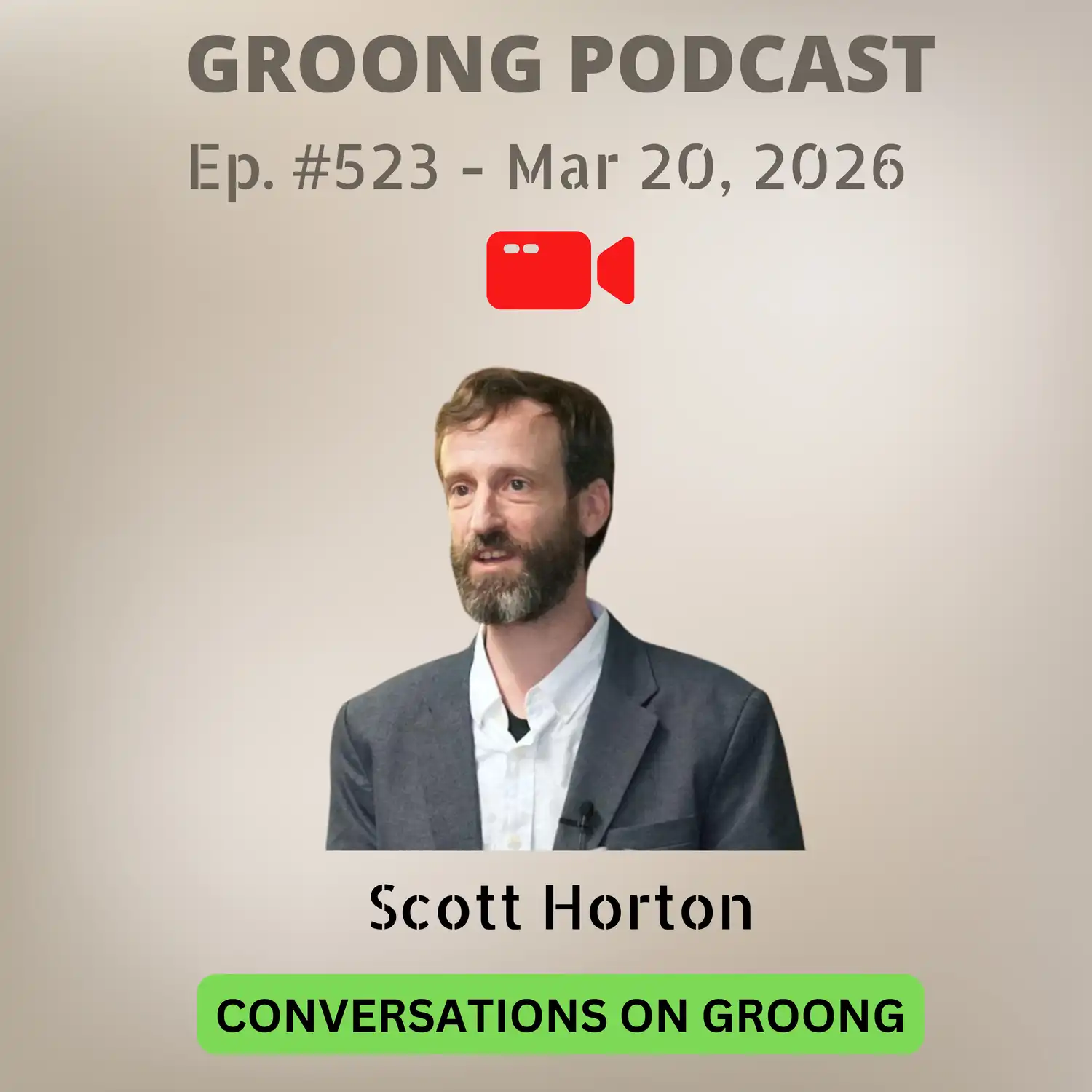
Groong Links:
Guest:
Topics:
- Why this war began
- U.S. fallout and political costs
- Paths to wider regional escalation
Episode 523 | Recorded: March 19, 2026
#IranWar #ScottHorton #USIsrael #MiddleEastWar #Geopolitics
Scott Horton - Why Are We at War with Iran? | Ep 523, Mar 20, 2026 [EP523]
Posted on Friday, Mar 20, 2026 | Category: Politics, US, Iran, Israel, Syria, Lebanon, Turkey, Azerbaijan, Nagorno Karabakh, China, NATOGroong Links:
Guest:
Topics:
- Why this war began
- U.S. fallout and political costs
- Paths to wider regional escalation
Episode 523 | Recorded: March 19, 2026
#IranWar #ScottHorton #USIsrael #MiddleEastWar #Geopolitics
Transcript: Scott Horton - Why Are We at War with Iran? | Ep 523, Mar 20, 2026 [EP523]
Posted on Friday, Mar 20, 2026 | Category: Politics, US, Iran, Israel, Syria, Lebanon, Turkey, Azerbaijan, Nagorno Karabakh, China, NATO, TranscriptScott Horton joins us to examine the U.S.-Israeli war on Iran, asking how this war began, what strategic goals are driving it, and where it could lead next. We discuss the limits of air power, the risk of a wider or ground war, the longer arc of U.S. and Israeli policy toward Iran and Syria, Turkey’s role in the region, and the domestic political consequences inside the United States as Trump presses ahead without broad public or congressional support.