Category: Geopolitics
Armenia Votes, Opposition Jailed: Pashinyan's Democracy | Ep 597, Oct 25, 2026 [EP597]
Posted on Monday, Oct 26, 2026 | Category: Armenia, Politics, Geopolitics | Series: wir, video
Groong Links:
Topics:
- Municipal elections and one-party dominance
- Opposition arrests ahead of Stepanavan elections
- Pashinyan’s threats of snap elections
- Constitutional changes and Azerbaijani demands
- Can elections bring political change?
- Government bonuses, cronyism, and accountability
- Remembering Rita Vorperian and Osheen Keshishian
Episode 597 | Recorded: October 25, 2026
#Armenia #ArmenianPolitics #NikolPashinyan #ArmenianElections #OppositionCrackdown #SnapElections #ConstitutionalReform #DemocracyUnderThreat
Armenia Votes, Opposition Jailed: Pashinyan's Democracy | Ep 597, Oct 25, 2026 [EP597]
Posted on Monday, Oct 26, 2026 | Category: Armenia, Politics, GeopoliticsGroong Links:
Topics:
- Municipal elections and one-party dominance
- Opposition arrests ahead of Stepanavan elections
- Pashinyan’s threats of snap elections
- Constitutional changes and Azerbaijani demands
- Can elections bring political change?
- Government bonuses, cronyism, and accountability
- Remembering Rita Vorperian and Osheen Keshishian
Episode 597 | Recorded: October 25, 2026
#Armenia #ArmenianPolitics #NikolPashinyan #ArmenianElections #OppositionCrackdown #SnapElections #ConstitutionalReform #DemocracyUnderThreat
Vache Gabrielyan - Is the Growth Model Running Out of Steam? | Ep 596, Oct 25, 2026 [EP596]
Posted on Sunday, Oct 25, 2026 | Category: Armenia, Politics, Geopolitics | Series: cog, video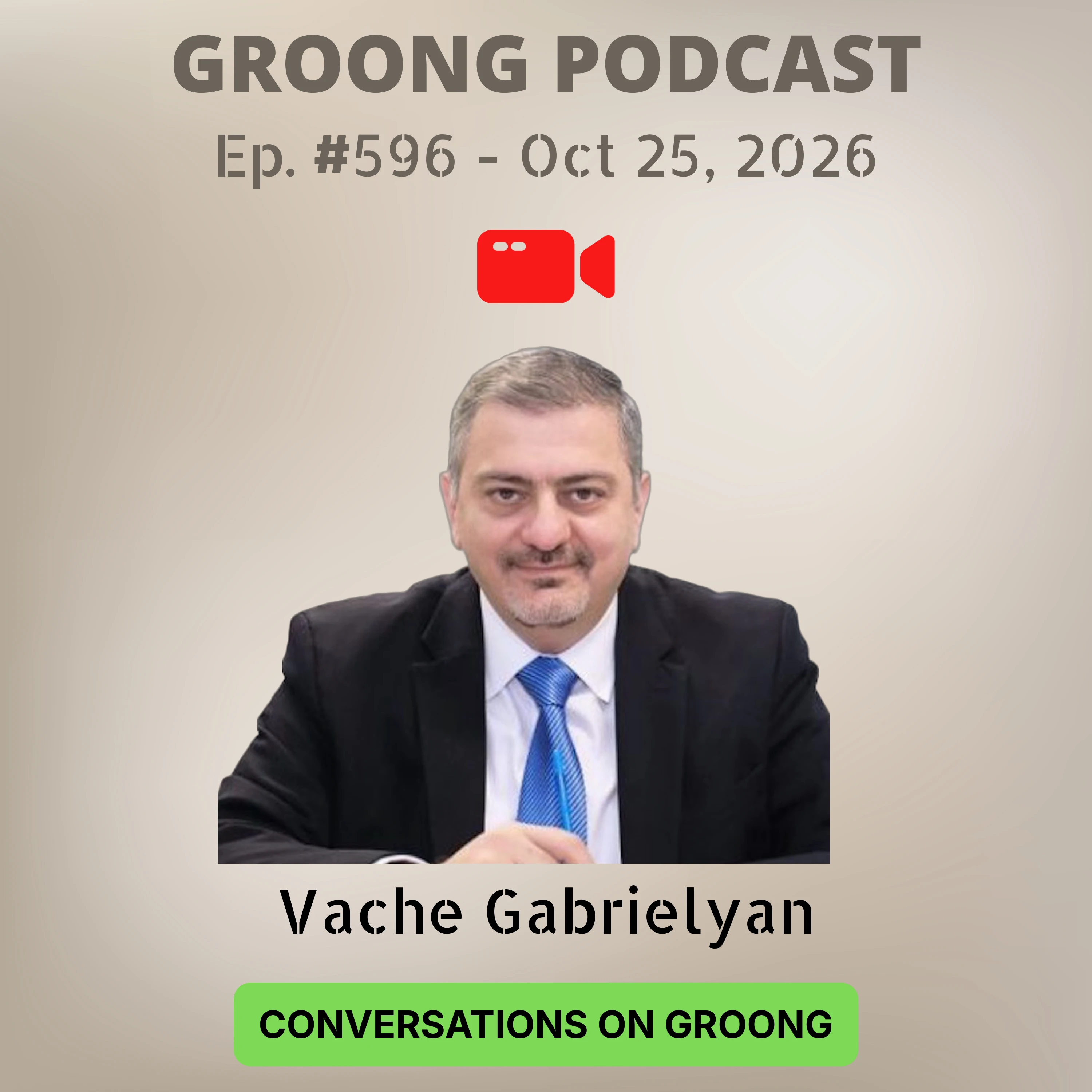
Groong Links:
Guest(s):
Topics:
- Armenia’s 2026 economic performance and structural imbalances
- Construction boom and housing market risks
- Consumer credit growth and weak industrial productivity
- Systemic failures in government budget execution
- Armenia’s 2027 budget priorities and fiscal risks
- Rising public debt and debt servicing costs
- Defense spending and competing budget priorities
- High-tech investments, AI, and economic sustainability
Episode 596 | Recorded: October 23, 2026
#ArmenianEconomy #EconomicGrowth #Armenia2026
Read MoreVache Gabrielyan - Is the Growth Model Running Out of Steam? | Ep 596, Oct 25, 2026 [EP596]
Posted on Sunday, Oct 25, 2026 | Category: Armenia, Politics, GeopoliticsGroong Links:
Guest(s):
Topics:
- Armenia’s 2026 economic performance and structural imbalances
- Construction boom and housing market risks
- Consumer credit growth and weak industrial productivity
- Systemic failures in government budget execution
- Armenia’s 2027 budget priorities and fiscal risks
- Rising public debt and debt servicing costs
- Defense spending and competing budget priorities
- High-tech investments, AI, and economic sustainability
Episode 596 | Recorded: October 23, 2026
#ArmenianEconomy #EconomicGrowth #Armenia2026
Read MoreTranscript: Armenia Votes, Opposition Jailed: Pashinyan's Democracy | Ep 597, Oct 25, 2026 [EP597]
Posted on Monday, Oct 26, 2026 | Category: Armenia, Politics, Geopolitics, TranscriptIn this Groong Week in Review episode, Hovik and Asbed break down Armenia’s October 25, 2026 municipal elections and the stark reality of one-party rule under Pashinyan. We discuss administrative pressure, opposition arrests in Stepanavan, jailed candidates, and coerced party defections—exposing how Civil Contract dominates through control of police and judiciary rather than genuine democratic competition. We also examine Pashinyan’s threats of snap elections, constitutional changes responsive to Azerbaijani demands, and whether electoral politics can still deliver political change in Armenia.
Transcript: Vache Gabrielyan - Is the Growth Model Running Out of Steam? | Ep 596, Oct 25, 2026 [EP596]
Posted on Sunday, Oct 25, 2026 | Category: Armenia, Politics, Geopolitics, TranscriptIn this episode of Conversations on Groong, we speak with Dr. Vache Gabrielyan about Armenia’s 2026 economic performance and fiscal challenges. We discuss structural imbalances in the economy, banking sector stability, government budget execution failures, rising public debt, and competing priorities for defense spending and economic development heading into 2027.
Armenia on Fire Sale: Land Swaps, COP17, POWs, and the War for Gyumri | Ep 595, Oct 18, 2026 [EP595]
Posted on Thursday, Oct 22, 2026 | Category: Armenia, Politics, Geopolitics | Series: wir, video
Groong Links:
Topics:
- Pashinyan’s territorial swap proposal with Azerbaijan
- COP17 controversies and environmental double standards
- UN inaction on Armenian POWs
- Inadequate housing aid for Artsakh refugees
- Municipal elections and alleged government pressure
- Gyumri’s growing role as an opposition stronghold
Episode 595 | Recorded: October 21, 2026
#Armenia #Azerbaijan #Pashinyan #TerritorialSwap #COP17 #ArmenianPOWs #ArtsakhRefugees #Gyumri
Armenia on Fire Sale: Land Swaps, COP17, POWs, and the War for Gyumri | Ep 595, Oct 18, 2026 [EP595]
Posted on Thursday, Oct 22, 2026 | Category: Armenia, Politics, GeopoliticsGroong Links:
Topics:
- Pashinyan’s territorial swap proposal with Azerbaijan
- COP17 controversies and environmental double standards
- UN inaction on Armenian POWs
- Inadequate housing aid for Artsakh refugees
- Municipal elections and alleged government pressure
- Gyumri’s growing role as an opposition stronghold
Episode 595 | Recorded: October 21, 2026
#Armenia #Azerbaijan #Pashinyan #TerritorialSwap #COP17 #ArmenianPOWs #ArtsakhRefugees #Gyumri
Is Every Square Inch of Armenia Equal? [EP595]
Posted on Thursday, Oct 22, 2026 | Category: Geopolitics, Politics, ArmeniaThe hosts explain why Tigranashen, Armenia’s road artery to Iran, is not an equal trade for the Artsvashen enclave.
Transcript: Armenia on Fire Sale: Land Swaps, COP17, POWs, and the War for Gyumri | Ep 595, Oct 18, 2026 [EP595]
Posted on Thursday, Oct 22, 2026 | Category: Armenia, Politics, Geopolitics, TranscriptIn this episode of Groong Week in Review, Hovik and Asbed break down Pashinyan’s territorial swap proposal with Azerbaijan, examining the strategic implications for Armenia’s 29,743 square kilometers and the security of border communities. We discuss the Armenia-Azerbaijan Peace Process, contradictions between government officials on formal negotiations, inadequate housing aid for Artsakh refugees displaced during the ethnic cleansing, UN inaction on Armenian Prisoners of War, and Gyumri’s emergence as an opposition stronghold ahead of municipal elections.
Arthur Martirosyan - Armenia at a Crossroads: Railways, Reactors, and Security | Ep 594, Oct 17, 2026 [EP594]
Posted on Saturday, Oct 17, 2026 | Category: Armenia, Politics, Geopolitics | Series: cog, video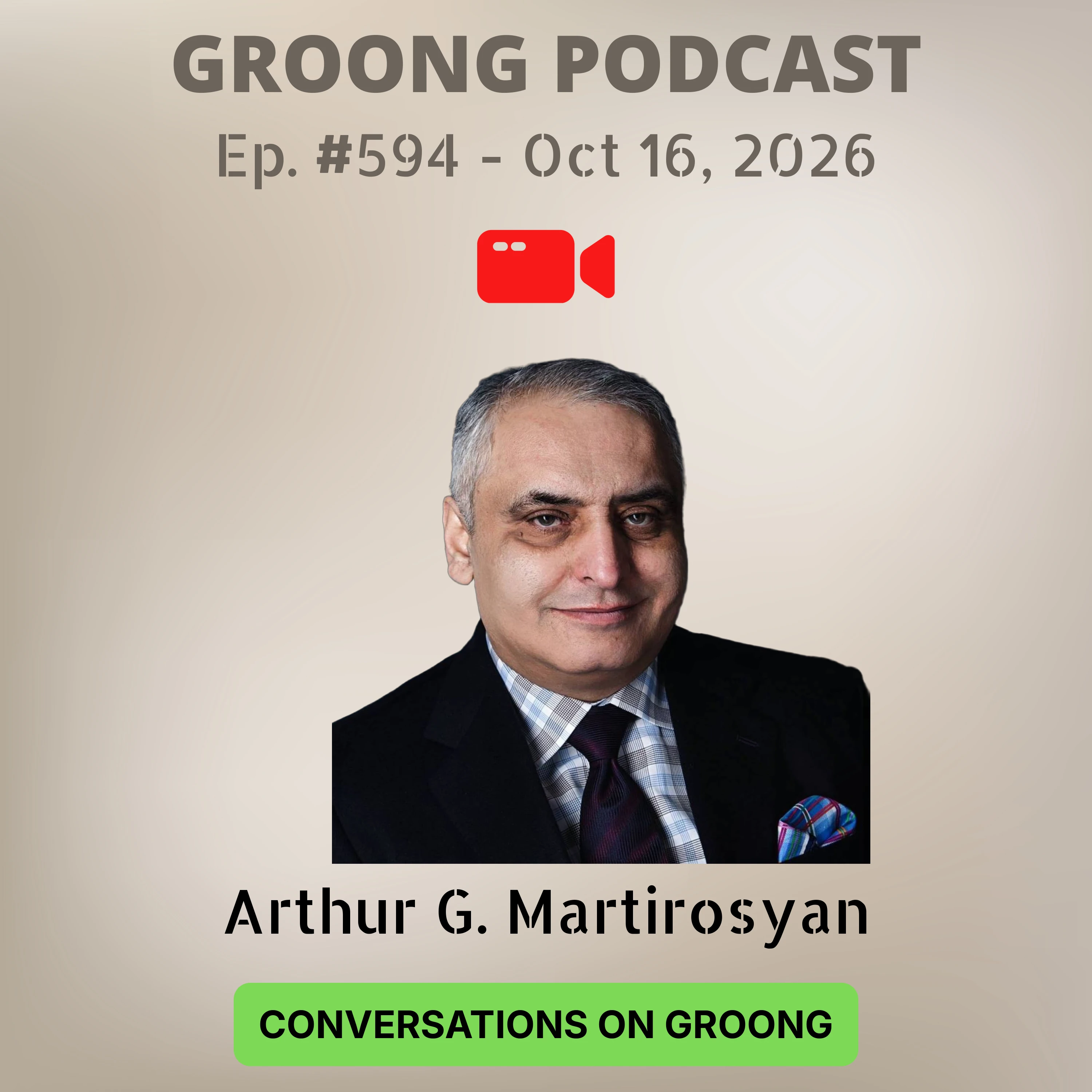
Groong Links:
Guest(s):
Topics:
- Azeri Soldier Infiltration and Shaki Shooting
- Government Accountability and Border Security Failures
- Russian Railways and Armenia’s Strategic Options
- Nuclear Power: Russian Reactors vs. Western SMRs
- TRIPP and Armenia’s Geopolitical Balancing Act
- COP17, Environmental Destruction, and Appeasing Azerbaijan
Episode 594 | Recorded: October 16, 2026
#ArmenianElections #Armenia #NikolPashinyan #CivilContract #StrongArmenia #ArmenianOpposition
Read MoreArthur Martirosyan - Armenia at a Crossroads: Railways, Reactors, and Security | Ep 594, Oct 17, 2026 [EP594]
Posted on Saturday, Oct 17, 2026 | Category: Armenia, Politics, GeopoliticsGroong Links:
Guest(s):
Topics:
- Azeri Soldier Infiltration and Shaki Shooting
- Government Accountability and Border Security Failures
- Russian Railways and Armenia’s Strategic Options
- Nuclear Power: Russian Reactors vs. Western SMRs
- TRIPP and Armenia’s Geopolitical Balancing Act
- COP17, Environmental Destruction, and Appeasing Azerbaijan
Episode 594 | Recorded: October 16, 2026
#ArmenianElections #Armenia #NikolPashinyan #CivilContract #StrongArmenia #ArmenianOpposition
Read MoreYou Can Win Without Firing a Shot [EP594]
Posted on Saturday, Oct 17, 2026 | Category: Geopolitics, Azerbaijan, PoliticsMartirosyan explains how Aliyev extracts concessions by threatening war, especially when Armenia’s leadership primes its own public to concede.
Transcript: Arthur Martirosyan - Armenia at a Crossroads: Railways, Reactors, and Security | Ep 594, Oct 17, 2026 [EP594]
Posted on Saturday, Oct 17, 2026 | Category: Armenia, Politics, Geopolitics, TranscriptIn this episode of Conversations on Groong, we speak with Arthur G. Martirosyan about Armenia at a crossroads in politics and security. We discuss the Shaki infiltration incident and government accountability, Pashinyan’s standoff with Russian Railways over the rail concession, nuclear energy options including Western SMRs versus Russian reactors, TRIPP’s implications for Armenian geopolitics, and environmental destruction at COP17.
Pashinyan's Nuclear U-Turn and Armenia's Security Failures | Ep 593, Oct 11, 2026 [EP593]
Posted on Wednesday, Oct 14, 2026 | Category: Armenia, Politics, Geopolitics | Series: wir, video
Groong Links:
Topics:
- Pashinyan’s Nuclear Policy U-Turn
- Azerbaijani Infiltration Into Shaki
- Karapetyan To Unite The Opposition?
- COP17 Spending Corruption
- Pashinyan’s Broken Environmental Promises
Episode 593 | Recorded: October 13, 2026
#Armenia #Pashinyan #NuclearEnergy #Azerbaijan #NationalSecurity #SamvelKarapetyan #Corruption #Amulsar
Pashinyan's Nuclear U-Turn and Armenia's Security Failures | Ep 593, Oct 11, 2026 [EP593]
Posted on Wednesday, Oct 14, 2026 | Category: Armenia, Politics, GeopoliticsGroong Links:
Topics:
- Pashinyan’s Nuclear Policy U-Turn
- Azerbaijani Infiltration Into Shaki
- Karapetyan To Unite The Opposition?
- COP17 Spending Corruption
- Pashinyan’s Broken Environmental Promises
Episode 593 | Recorded: October 13, 2026
#Armenia #Pashinyan #NuclearEnergy #Azerbaijan #NationalSecurity #SamvelKarapetyan #Corruption #Amulsar
Transcript: Pashinyan's Nuclear U-Turn and Armenia's Security Failures | Ep 593, Oct 11, 2026 [EP593]
Posted on Wednesday, Oct 14, 2026 | Category: Armenia, Politics, Geopolitics, TranscriptIn this week’s episode of Groong Week in Review, Hovik and Asbed examine Pashinyan’s abrupt reversal on nuclear energy policy, shifting from Western small modular reactors to consideration of a Russian gigawatt-scale plant amid surging data center demands. We discuss the security implications of long-term energy dependency, the geopolitics behind Armenia’s power infrastructure choices, and ongoing concerns about Azerbaijani infiltration, opposition unity under Samvel Karapetyan, and corruption at COP17.
Harut Sassounian - Armenia’s Identity Crisis: Church, State, and Diaspora | Ep 592, Oct 2, 2026 [EP592]
Posted on Friday, Oct 2, 2026 | Category: Armenia, Politics, Geopolitics | Series: cog, video
Groong Links:
Guest(s):
Topics:
- Church-State conflict and Garegin II
- Bern, Artsakh, and national identity
- Government plans to “reform” Church
- Pashinyan’s meeting with All-ASA
- Armenia-Diaspora relations after June 7
Episode 592 | Recorded: September 30, 2026
#Armenia #ArmenianChurch #GareginII #NikolPashinyan #Artsakh #ArmenianDiaspora #ChurchState #ArmenianIdentity
Harut Sassounian - Armenia’s Identity Crisis: Church, State, and Diaspora | Ep 592, Oct 2, 2026 [EP592]
Posted on Friday, Oct 2, 2026 | Category: Armenia, Politics, GeopoliticsGroong Links:
Guest(s):
Topics:
- Church-State conflict and Garegin II
- Bern, Artsakh, and national identity
- Government plans to “reform” Church
- Pashinyan’s meeting with All-ASA
- Armenia-Diaspora relations after June 7
Episode 592 | Recorded: September 30, 2026
#Armenia #ArmenianChurch #GareginII #NikolPashinyan #Artsakh #ArmenianDiaspora #ChurchState #ArmenianIdentity
Transcript: Harut Sassounian - Armenia’s Identity Crisis: Church, State, and Diaspora | Ep 592, Oct 2, 2026 [EP592]
Posted on Friday, Oct 2, 2026 | Category: Armenia, Politics, Geopolitics, TranscriptIn this episode of Conversations on Groong, we speak with Harut Sassounian about Armenia’s identity crisis amid escalating conflict between the Armenian government and the Armenian Apostolic Church. We discuss Catholicos Garegin II’s statements at the May 2025 World Council of Churches conference in Bern, Pashinyan’s public attacks on senior clergy, the constitutional role of the Armenian Church in national identity, and the deeper geopolitical questions surrounding Armenia-Diaspora relations following the June 2026 Armenian parliamentary elections.
France Freed Its Hostage. What About Ours? [EP591]
Posted on Thursday, Oct 1, 2026 | Category: Geopolitics, Human Rights, AzerbaijanFrance helped lift EU sanctions on a Russian billionaire the same day Azerbaijan pardoned a French prisoner, while Armenian hostages stay in Baku.
From Yerablur to Etchmiadzin: Armenia’s Battle Over Memory | Ep 591, Sep 27, 2026 [EP591]
Posted on Thursday, Oct 1, 2026 | Category: Armenia, Politics, Geopolitics | Series: wir, video
Groong Links:
Topics:
- September 27 war anniversary and memory
- Pashinyan escalates campaign against Church
- PACE raises concerns over elections
- Armenia, Turkey, Azerbaijan at UNGA
- Witkoff reveals Turkish regional advisers
- Opposition faces post-election divisions
- Arrests and prosecutions over speech
- France and Azerbaijan move toward normalization
Episode 591 | Recorded: September 27, 2026
From Yerablur to Etchmiadzin: Armenia’s Battle Over Memory | Ep 591, Sep 27, 2026 [EP591]
Posted on Thursday, Oct 1, 2026 | Category: Armenia, Politics, GeopoliticsGroong Links:
Topics:
- September 27 war anniversary and memory
- Pashinyan escalates campaign against Church
- PACE raises concerns over elections
- Armenia, Turkey, Azerbaijan at UNGA
- Witkoff reveals Turkish regional advisers
- Opposition faces post-election divisions
- Arrests and prosecutions over speech
- France and Azerbaijan move toward normalization
Episode 591 | Recorded: September 27, 2026
Turkey's Spy Chiefs Advise Washington on Armenia [EP591]
Posted on Thursday, Oct 1, 2026 | Category: Geopolitics, Turkey, USASteve Witkoff names his go-to advisors on Armenia: Turkey’s foreign minister and its intelligence chief, both spymasters.
Transcript: From Yerablur to Etchmiadzin: Armenia’s Battle Over Memory | Ep 591, Sep 27, 2026 [EP591]
Posted on Thursday, Oct 1, 2026 | Category: Armenia, Politics, Geopolitics, TranscriptIn this week’s Groong Week in Review, Hovik and Asbed mark the sixth anniversary of the 44-Day War and examine Armenia’s deepening crisis over historical memory and national identity. We discuss the Armenian government’s controversial response to September 27 commemorations, escalating tension between the state and the Armenian Church, international concern over election integrity, and Armenia’s isolated position as Azerbaijan demolishes Artsakh’s Armenian cultural heritage while Turkey advances regional integration plans.
Dziunik Aghajanian - From Moscow to Riyadh: New Fault Lines Around Armenia | Ep 590, Sep 25, 2026 [EP590]
Posted on Friday, Sep 25, 2026 | Category: Armenia, Politics, Geopolitics | Series: cog, video
Groong Links:
Guest(s):
Topics:
- Russian parliamentary election outcome
- Middle East escalation and the Houthis
- Armenia-Russia confrontation, including the 102nd base
- Asset confiscation, anti-corruption, and Russian interests
- Azerbaijan-Armenia “durable peace” tensions
- Armenian opposition strategy
Episode 590 | Recorded: September 23, 2026
#Armenia #Russia #SouthCaucasus #Azerbaijan #MiddleEast #UkraineWar #ArmenianPolitics #Geopolitics
Dziunik Aghajanian - From Moscow to Riyadh: New Fault Lines Around Armenia | Ep 590, Sep 25, 2026 [EP590]
Posted on Friday, Sep 25, 2026 | Category: Armenia, Politics, GeopoliticsGroong Links:
Guest(s):
Topics:
- Russian parliamentary election outcome
- Middle East escalation and the Houthis
- Armenia-Russia confrontation, including the 102nd base
- Asset confiscation, anti-corruption, and Russian interests
- Azerbaijan-Armenia “durable peace” tensions
- Armenian opposition strategy
Episode 590 | Recorded: September 23, 2026
#Armenia #Russia #SouthCaucasus #Azerbaijan #MiddleEast #UkraineWar #ArmenianPolitics #Geopolitics
Transcript: Dziunik Aghajanian - From Moscow to Riyadh: New Fault Lines Around Armenia | Ep 590, Sep 25, 2026 [EP590]
Posted on Friday, Sep 25, 2026 | Category: Armenia, Politics, Geopolitics, TranscriptIn this episode of Conversations on Groong, we speak with Dziunik Aghajanian about shifting geopolitical pressures on Armenia following Russia’s September 2026 parliamentary elections. We discuss Putin’s strengthened domestic position, the Armenia-Russia confrontation over the 102nd base, asset confiscation and anti-corruption efforts targeting Russian interests, and how Middle East escalation and the Iran War reshape Armenia’s strategic environment amid ongoing Armenia-Azerbaijan Peace Process tensions.
Can an Armenian Even Use TRIPP [EP589]
Posted on Wednesday, Sep 23, 2026 | Category: Geopolitics, Armenia, AzerbaijanHovik asks a simple question about TRIPP that no one will answer: can an Armenian board a train in one village and get off in the next?
Who Really Needs the Gyumri Base [EP589]
Posted on Wednesday, Sep 23, 2026 | Category: Geopolitics, Armenia, RussiaKhachatryan flips the question on Western journalists: if the Russian base leaves and Armenia is attacked, will NATO react?
Armenia at 35: Independence, Loss, and Unfinished Wars | Ep 588, Sep 20, 2026 [EP588]
Posted on Wednesday, Sep 23, 2026 | Category: Armenia, Politics, Geopolitics | Series: wir, video
Groong Links:
Topics:
- Armenia marks 35 years independent
- Artsakh remembered three years later
- Armenian POWs remain in Baku
- Ukraine strikes deep inside Russia
- Turkey-Azerbaijan deepen strategic coordination
- Citizenship costs rise sharply
- Government opacity over war casualties
Episode 588 | Recorded: September 22, 2026
#Armenia #Artsakh #UkraineWar #ArmenianPOWs #Azerbaijan #Turkey #SouthCaucasus #ArmenianPolitics
Armenia at 35: Independence, Loss, and Unfinished Wars | Ep 588, Sep 20, 2026 [EP588]
Posted on Wednesday, Sep 23, 2026 | Category: Armenia, Politics, GeopoliticsGroong Links:
Topics:
- Armenia marks 35 years independent
- Artsakh remembered three years later
- Armenian POWs remain in Baku
- Ukraine strikes deep inside Russia
- Turkey-Azerbaijan deepen strategic coordination
- Citizenship costs rise sharply
- Government opacity over war casualties
Episode 588 | Recorded: September 22, 2026
#Armenia #Artsakh #UkraineWar #ArmenianPOWs #Azerbaijan #Turkey #SouthCaucasus #ArmenianPolitics
The Turkey-Azerbaijan Alliance Armenia Held Off for 26 Years [EP588]
Posted on Wednesday, Sep 23, 2026 | Category: Geopolitics, Turkey, AzerbaijanHovik argues the Turkey-Azerbaijan bond is uniquely strong and that Armenia kept Turkey out of the conflict for 26 years until Pashinyan.
Transcript: Armenia at 35: Independence, Loss, and Unfinished Wars | Ep 588, Sep 20, 2026 [EP588]
Posted on Wednesday, Sep 23, 2026 | Category: Armenia, Politics, Geopolitics, TranscriptIn this week’s Groong podcast episode, Hovik and Asbed reflect on Armenia’s 35th independence anniversary amid ongoing regional tensions and unresolved conflicts. We discuss the state of Armenian statehood three years after the ethnic cleansing of Artsakh, Armenian prisoners of war still held in Baku, rising citizenship costs, government opacity over war casualties, and deepening Turkey-Azerbaijan strategic coordination.
China Is an Enabling Power, Not an Extractive One [EP587]
Posted on Sunday, Sep 20, 2026 | Category: Geopolitics, China, EconomyWarwick Powell defines China as an enabling power that funds infrastructure, training, and open source models with very few strings, not an extractive hegemon.
How Beijing Really Sees TRIPP and the Middle Corridor [EP587]
Posted on Sunday, Sep 20, 2026 | Category: Geopolitics, China, ArmeniaWarwick Powell on why Beijing stays relaxed about TRIPP and the Middle Corridor, and how the risk of any route becoming a chokepoint is managed by keeping alternatives.
Warwick Powell - From BRICS to AI: The Infrastructure Multipolarity | Ep 587, Sep 20, 2026 [EP587]
Posted on Sunday, Sep 20, 2026 | Category: Armenia, China, Geopolitics | Series: cog, video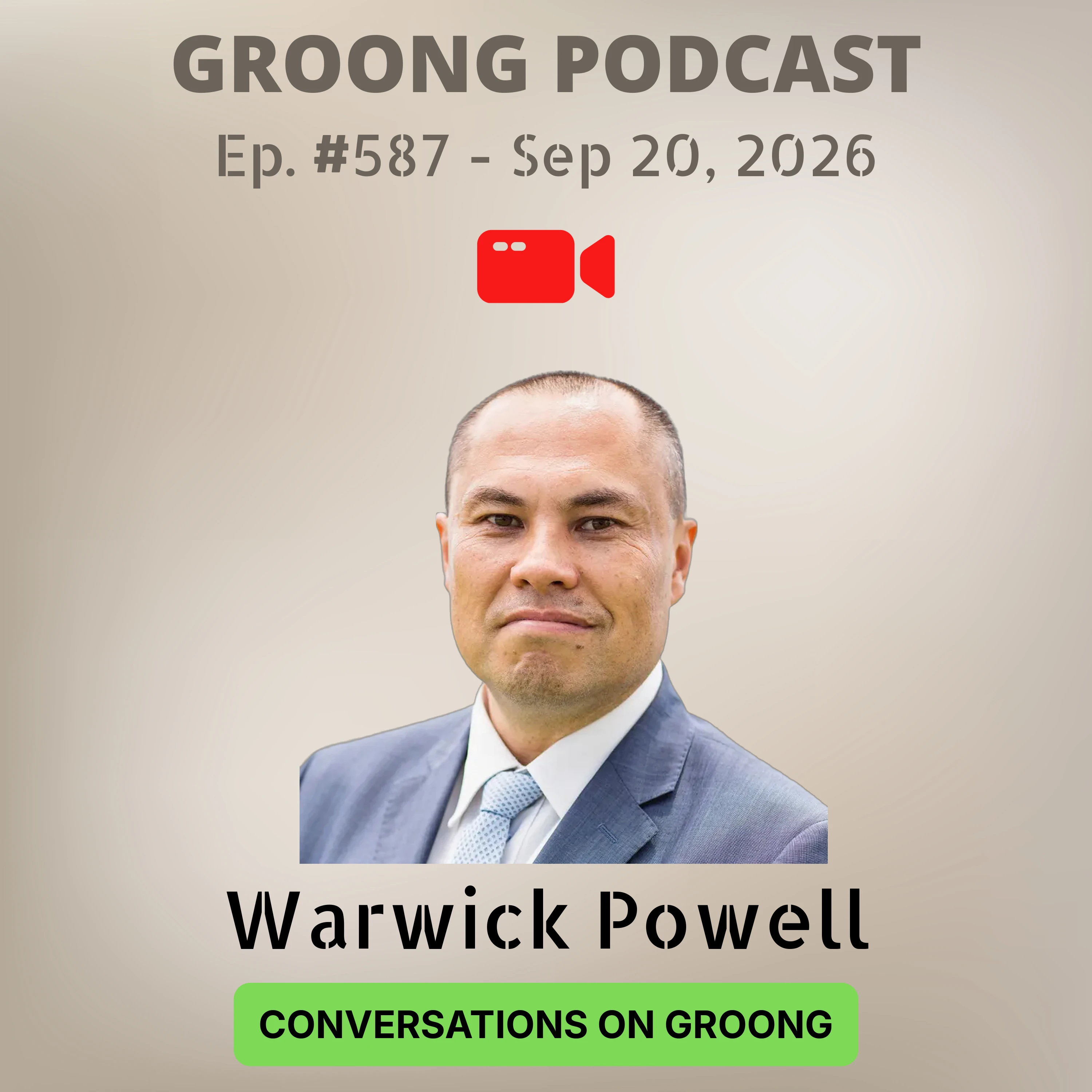
Groong Links:
Guest(s):
Topics:
- SCO and BRICS summit outcomes
- BRICS financial architecture and currencies
- AI safety and strategic competition
- AI sovereignty for smaller states
Episode 587 | Recorded: September 17, 2026
#BRICS #China #SCO #Multipolarity #Artificial0Intelligence #AISafety #DigitalSovereignty #TRIPP
Warwick Powell - From BRICS to AI: The Infrastructure Multipolarity | Ep 587, Sep 20, 2026 [EP587]
Posted on Sunday, Sep 20, 2026 | Category: Armenia, China, GeopoliticsGroong Links:
Guest(s):
Topics:
- SCO and BRICS summit outcomes
- BRICS financial architecture and currencies
- AI safety and strategic competition
- AI sovereignty for smaller states
Episode 587 | Recorded: September 17, 2026
#BRICS #China #SCO #Multipolarity #Artificial0Intelligence #AISafety #DigitalSovereignty #TRIPP
Why the American AI Business Model Collapsed [EP587]
Posted on Sunday, Sep 20, 2026 | Category: Technology, China, GeopoliticsWarwick Powell explains how DeepSeek’s open source model broke the proprietary American AI moat and why safety talk now doubles as commercial cover.
Transcript: Warwick Powell - From BRICS to AI: The Infrastructure Multipolarity | Ep 587, Sep 20, 2026 [EP587]
Posted on Sunday, Sep 20, 2026 | Category: Armenia, China, Geopolitics, TranscriptIn this episode of Conversations on Groong, we speak with Professor Warwick Powell about multipolarity, infrastructure, and the strategic implications of emerging power blocs. We discuss tangible outcomes from the SCO and BRICS summits, the shift toward local-currency settlement and financial alternatives to Western institutions, China’s role as an enabling power, and how countries like Armenia navigate the infrastructure competition between TRIPP and competing regional corridors. We also examine AI safety and digital sovereignty in a multipolar world, where both Washington and Beijing view artificial intelligence as a decisive strategic contest.
Hrant Mikaelian - Chips for TRIPP, Education Crisis, and Economic Risks | Ep 586, Sep 17, 2026 [EP586]
Posted on Friday, Sep 18, 2026 | Category: Armenia, Politics, Geopolitics | Series: cog, video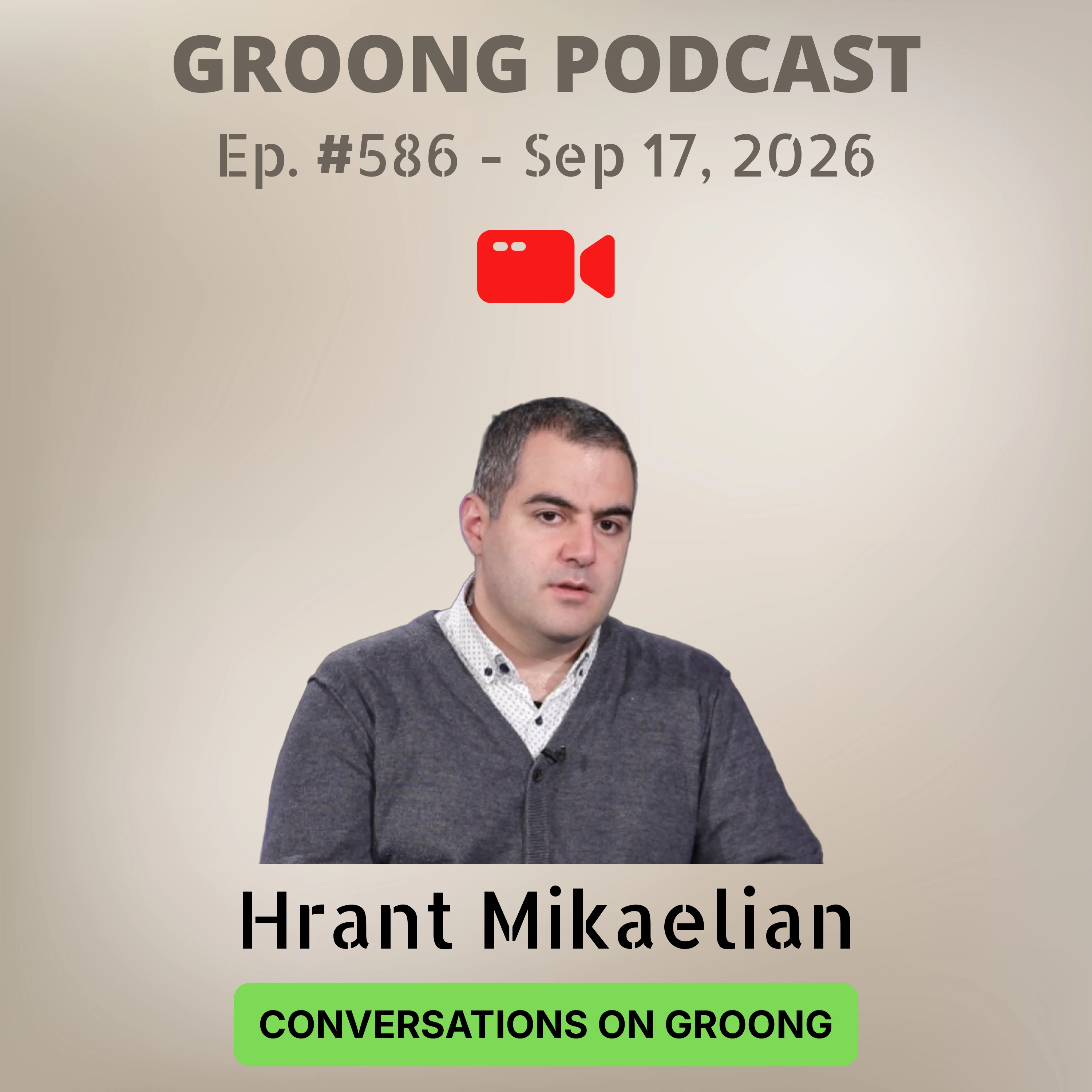
Groong Links:
Guest(s):
Topics:
- AI chips tied to TRIPP diplomacy
- Data centers raise major energy questions
- Armenia faces severe education outcomes
- Government reforms versus poor student performance
- Azerbaijan targets Armenian heritage in Artsakh
- Gas dependence exposes Armenia to shocks
Episode 586 | Recorded: September 16, 2026
#Armenia #TRIPP #ArtificialIntelligence #EducationCrisis #Artsakh #EnergySecurity #SouthCaucasus #HrantMikaelian
Hrant Mikaelian - Chips for TRIPP, Education Crisis, and Economic Risks | Ep 586, Sep 17, 2026 [EP586]
Posted on Friday, Sep 18, 2026 | Category: Armenia, Politics, GeopoliticsGroong Links:
Guest(s):
Topics:
- AI chips tied to TRIPP diplomacy
- Data centers raise major energy questions
- Armenia faces severe education outcomes
- Government reforms versus poor student performance
- Azerbaijan targets Armenian heritage in Artsakh
- Gas dependence exposes Armenia to shocks
Episode 586 | Recorded: September 16, 2026
#Armenia #TRIPP #ArtificialIntelligence #EducationCrisis #Artsakh #EnergySecurity #SouthCaucasus #HrantMikaelian
Transcript: Hrant Mikaelian - Chips for TRIPP, Education Crisis, and Economic Risks | Ep 586, Sep 17, 2026 [EP586]
Posted on Friday, Sep 18, 2026 | Category: Armenia, Politics, Geopolitics, TranscriptIn this episode of Conversations on Groong, we speak with Hrant Mikaelian about chip diplomacy, the TRIPP framework, and Armenia’s structural economic vulnerabilities. We discuss how the U.S. fast-tracked advanced AI exports to secure the Armenia-Azerbaijan Peace Process agreement, the massive energy demands of the planned Firebird data center, Armenia’s deepening education crisis, and the risks of energy dependence as the Armenian Nuclear Power Plant approaches shutdown.
Gandzasar Erasure, Chips for Territory, Russian Money & Pashinyan in Space | Ep 585, Sep 13, 2026 [EP585]
Posted on Wednesday, Sep 16, 2026 | Category: Armenia, Politics, Geopolitics | Series: wir, video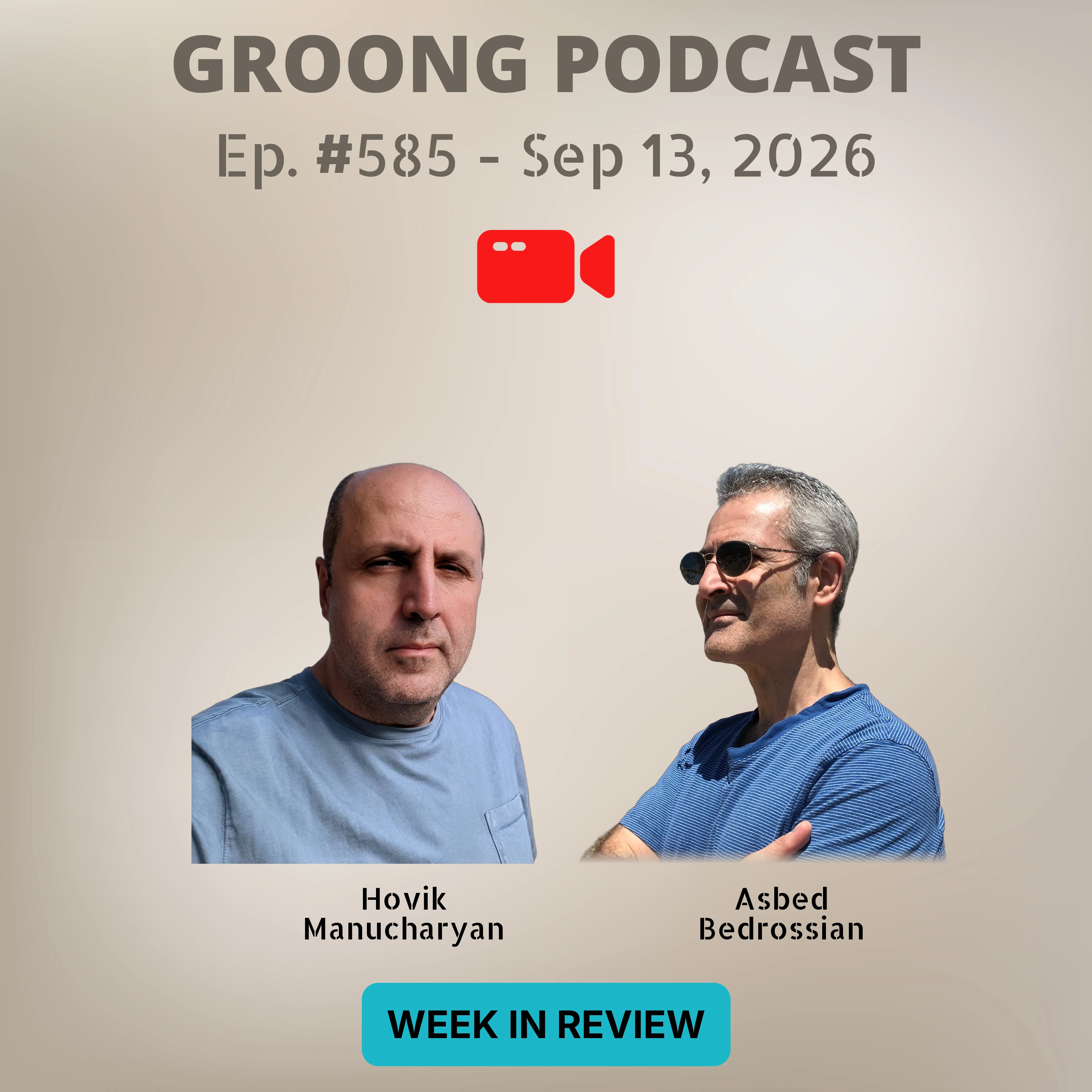
Groong Links:
Topics:
- 2022 border war and its legacy
- Hajiyev spouts hate, EU reps giggle
- Armenia’s muted response to Azerbaijan
- TRIPP, NVIDIA chips, and sovereignty
- Pashinyan’s Paris space summit visit
- Russian money flows through Armenia
- Russia-Iran coordination in South Caucasus
- Political prosecutions and Grigoryan reshuffle
Episode 585 | Recorded: September 14, 2026
#Armenia #Artsakh #Gandzasar #TRIPP #SouthCaucasus #Azerbaijan #Russia #Iran
Gandzasar Erasure, Chips for Territory, Russian Money & Pashinyan in Space | Ep 585, Sep 13, 2026 [EP585]
Posted on Wednesday, Sep 16, 2026 | Category: Armenia, Politics, GeopoliticsGroong Links:
Topics:
- 2022 border war and its legacy
- Hajiyev spouts hate, EU reps giggle
- Armenia’s muted response to Azerbaijan
- TRIPP, NVIDIA chips, and sovereignty
- Pashinyan’s Paris space summit visit
- Russian money flows through Armenia
- Russia-Iran coordination in South Caucasus
- Political prosecutions and Grigoryan reshuffle
Episode 585 | Recorded: September 14, 2026
#Armenia #Artsakh #Gandzasar #TRIPP #SouthCaucasus #Azerbaijan #Russia #Iran
Transcript: Gandzasar Erasure, Chips for Territory, Russian Money & Pashinyan in Space | Ep 585, Sep 13, 2026 [EP585]
Posted on Wednesday, Sep 16, 2026 | Category: Armenia, Politics, Geopolitics, TranscriptIn this Groong Week in Review episode, Hovik and Asbed examine the fourth anniversary of the September 2022 border war, Azerbaijan’s ongoing occupation of Armenian territory, and Pashinyan’s political trajectory toward recognizing Artsakh’s loss. We discuss Hajiyev’s inflammatory rhetoric, Armenia’s muted diplomatic response, TRIPP and semiconductor sovereignty, Pashinyan’s attendance at a Paris space summit, Russian financial flows through Armenia, and Russia-Iran coordination in the South Caucasus.
Armenia Has No Plan B if TRIPP Fails [EP583]
Posted on Saturday, Sep 5, 2026 | Category: Geopolitics, Armenia, PoliticsSuren Sargsyan warns that Pashinyan’s government has developed no contingency plans if the U.S.-backed TRIPP project fails, leaving the country dangerously exposed.
Can Armenia Avoid Choosing Sides Between Russia and the West? [EP583]
Posted on Saturday, Sep 5, 2026 | Category: Geopolitics, ArmeniaSuren Sargsyan argues that Armenia’s best survival strategy is to avoid picking sides in the Russia-West rivalry, despite mounting pressure from both sides.
Suren Sargsyan - Central Asia, TRIPP, Iran, and Armenia in the New Great Game | Ep 583, Sep 5, 2026 [EP583]
Posted on Saturday, Sep 5, 2026 | Category: Armenia, Geopolitics | Series: cog, video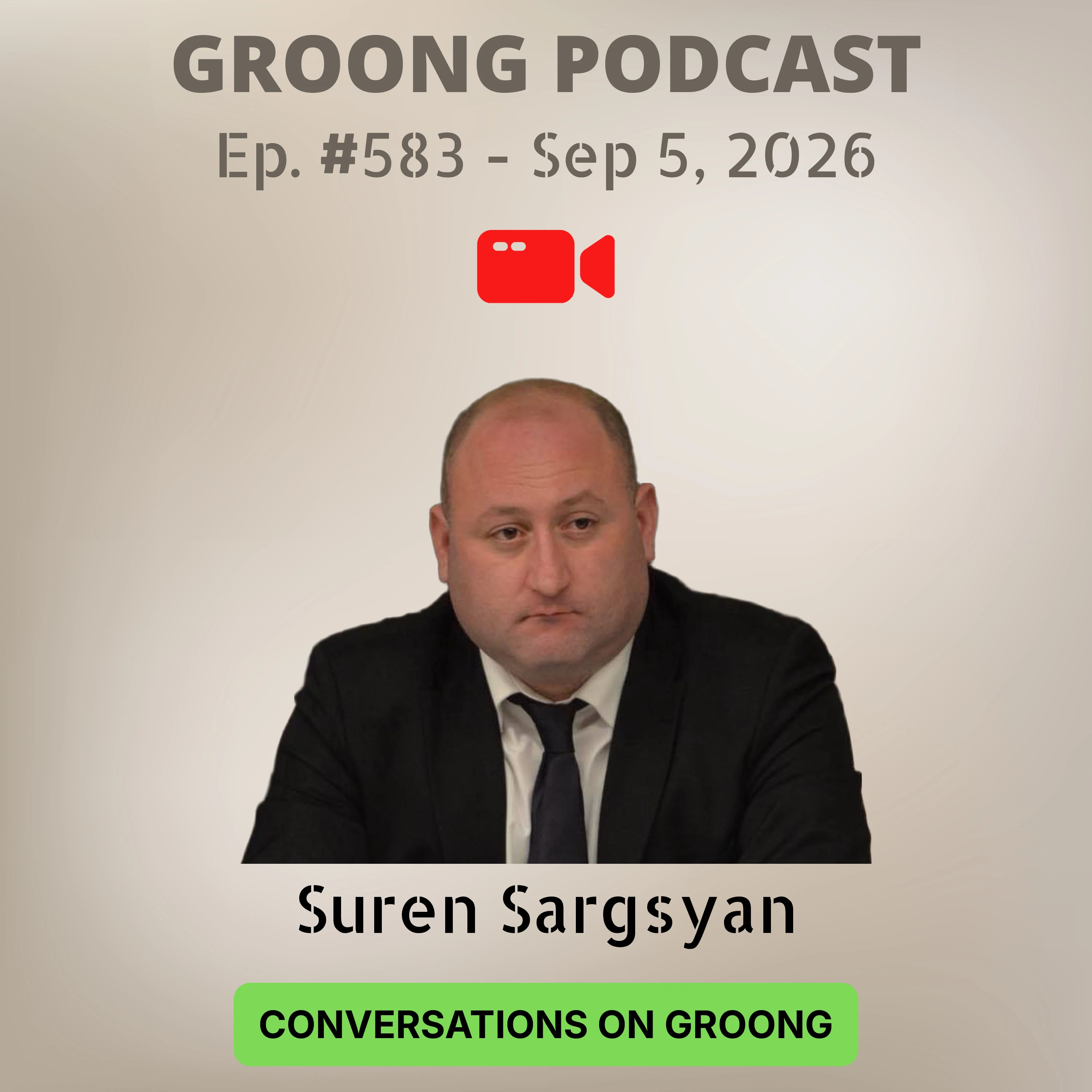
Groong Links:
Guest(s):
Topics:
- U.S. objectives in the Iran war
- Russia’s 102nd base in Armenia
- Pashinyan’s sovereignty policy contradictions
- Great-power rivalry across Central Asia
- U.S. and EU interests in TRIPP
- Armenia’s place in Eurasian competition
Episode 583 | Recorded: Sep 4, 2026
#Armenia #IranWar #TRIPP #CentralAsia #Russia #UnitedStates #Geopolitics #SouthCaucasus
Suren Sargsyan - Central Asia, TRIPP, Iran, and Armenia in the New Great Game | Ep 583, Sep 5, 2026 [EP583]
Posted on Saturday, Sep 5, 2026 | Category: Armenia, GeopoliticsGroong Links:
Guest(s):
Topics:
- U.S. objectives in the Iran war
- Russia’s 102nd base in Armenia
- Pashinyan’s sovereignty policy contradictions
- Great-power rivalry across Central Asia
- U.S. and EU interests in TRIPP
- Armenia’s place in Eurasian competition
Episode 583 | Recorded: Sep 4, 2026
#Armenia #IranWar #TRIPP #CentralAsia #Russia #UnitedStates #Geopolitics #SouthCaucasus
TRIPP: Who Developed the Corridor Deal and Why Steve Witkoff Matters [EP583]
Posted on Saturday, Sep 5, 2026 | Category: Geopolitics, Armenia, Azerbaijan, USASuren Sargsyan traces the origins of TRIPP back decades and identifies Steve Witkoff as the key architect of the current U.S. initiative.
Trump Has No Exit Strategy in Iran War [EP583]
Posted on Saturday, Sep 5, 2026 | Category: Geopolitics, Iran, USA, Middle EastSuren Sargsyan argues the Trump administration lacks a clear exit strategy in its escalating war with Iran, creating deeper policy problems.
Why Putin and Pashinyan Both Avoid Deciding on Russian Military Base [EP583]
Posted on Saturday, Sep 5, 2026 | Category: Geopolitics, Politics, Armenia, RussiaSuren Sargsyan analyzes why both Putin and Pashinyan publicly defer the decision on the 102nd Russian military base in Gyumri, avoiding responsibility while maintaining the status quo.
Why Russia Might Outsource South Caucasus Control to Iran [EP583]
Posted on Saturday, Sep 5, 2026 | Category: Geopolitics, Russia, Iran, ArmeniaSuren Sargsyan explores whether Russia might cede South Caucasus dominance to Iran as a strategic partner, given Moscow’s focus on Ukraine.
Transcript: Suren Sargsyan - Central Asia, TRIPP, Iran, and Armenia in the New Great Game | Ep 583, Sep 5, 2026 [EP583]
Posted on Saturday, Sep 5, 2026 | Category: Armenia, Geopolitics, TranscriptIn this episode of Conversations on Groong, we speak with Suren Sargsyan about the Iran War and great power competition for Armenia’s strategic position. We discuss Washington’s unclear endgame in the conflict with Iran, the future of Russia’s military presence in Armenia and CSTO membership, and competing U.S. and European interests in new east-west transit routes through Armenia and Central Asia amid broader geopolitical rivalries.
Putin's Birthday Message to Kocharyan: A Subtle Rebuke to Pashinyan [EP582]
Posted on Wednesday, Sep 2, 2026 | Category: Politics, Geopolitics, Russia, ArmeniaPutin congratulates imprisoned Robert Kocharyan on his birthday while ignoring Pashinyan’s reelection. The hosts decode the geopolitical message behind this selective honor.
Russia-NATO Proxy War or the Early Days of World War III? [EP582]
Posted on Wednesday, Sep 2, 2026 | Category: Geopolitics, Ukraine, Russia, NATOAsbed asks why the Kremlin misjudged a war everyone knew would pit Russia against NATO, notes that China’s backing keeps Russia in the fight, and relays that many analysts now see the early days of World War III.
Tigranashen: The Strategic Prize Behind the 'Peace' Narrative [EP582]
Posted on Wednesday, Sep 2, 2026 | Category: Geopolitics, Politics, Armenia, AzerbaijanTigranashen, a small village controlling roads between North and South Armenia, is the next territorial concession demanded by Azerbaijan as the price of ‘peace.’ Its strategic value exposes the coercive nature of the settlement.
Tigranashen: The Strategic Enclave Pashinyan Plans to Give Away [EP581]
Posted on Saturday, Aug 29, 2026 | Category: Geopolitics, Politics, ArmeniaPashinyan explicitly stated Armenia comprises 29,743 sq km, excluding Tigranashen. Expert analyzes this strategic territory’s importance and why Azerbaijan uses Jermuk occupation as leverage.
TRIPP, Kazakhstan, and the Western Encroachment in Central Asia [EP581]
Posted on Saturday, Aug 29, 2026 | Category: Geopolitics, PoliticsPashinyan offers TRIPP stakes to Kazakhstan and Kyrgyzstan to isolate Russia while EU seeks Central Asian access. Expert analyzes broader European strategy in Central Asia and China’s role.