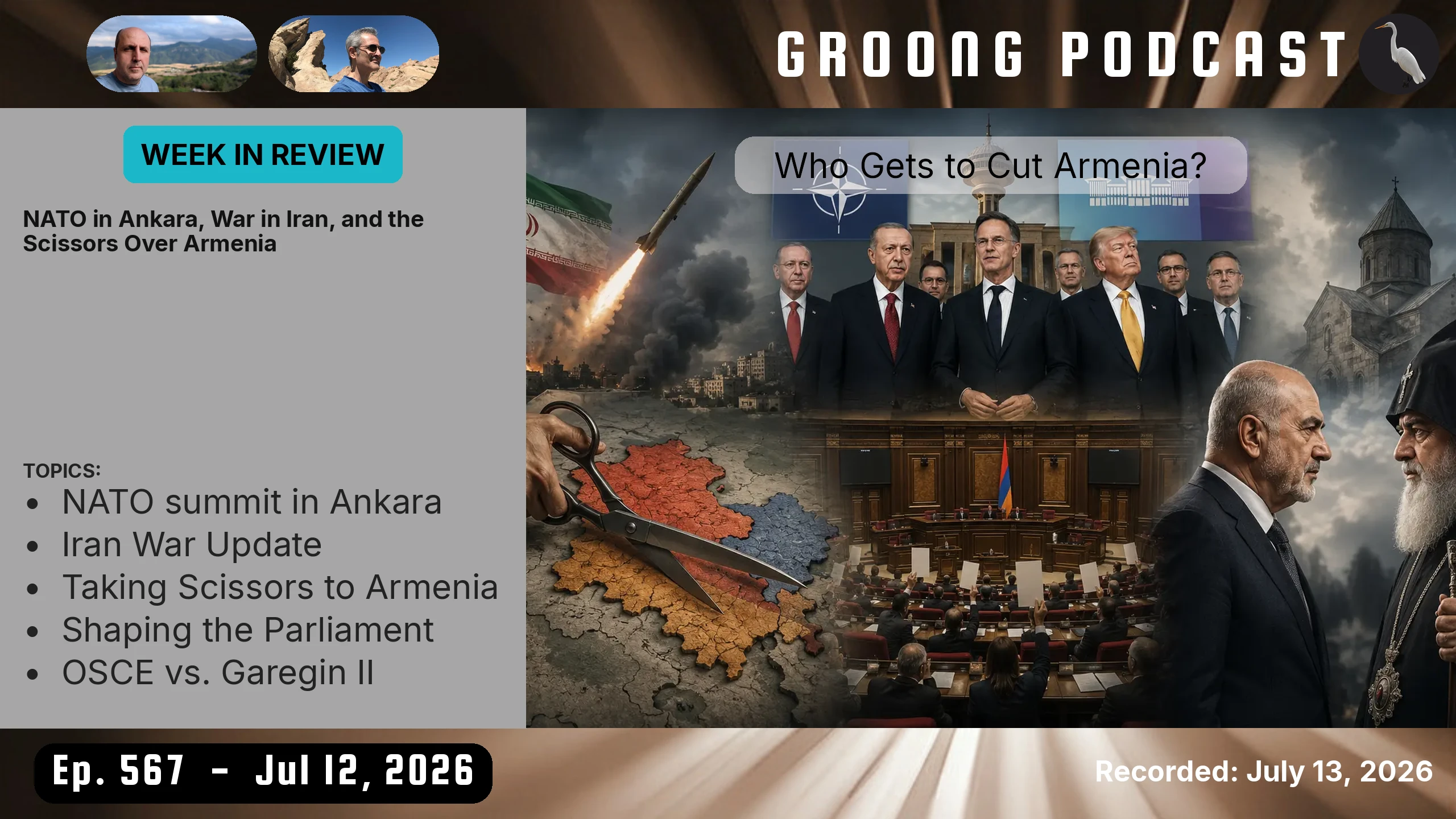
From Yerablur to Etchmiadzin: Armenia’s Battle Over Memory | Ep 591, Sep 27, 2026 [EP591]
Posted on Thursday, Oct 1, 2026 | Category: Armenia, Politics, Geopolitics | Series: wir, video
Groong Links:
Topics:
- September 27 war anniversary and memory
- Pashinyan escalates campaign against Church
- PACE raises concerns over elections
- Armenia, Turkey, Azerbaijan at UNGA
- Witkoff reveals Turkish regional advisers
- Opposition faces post-election divisions
- Arrests and prosecutions over speech
- France and Azerbaijan move toward normalization
Episode 591 | Recorded: September 27, 2026
Show Notes
Summary
In this week’s Groong Week in Review, Hovik and Asbed mark the sixth anniversary of the 44-Day War and examine Armenia’s deepening crisis over historical memory and national identity. We discuss the Armenian government’s controversial response to September 27 commemorations, escalating tension between the state and the Armenian Church, international concern over election integrity, and Armenia’s isolated position as Azerbaijan demolishes Artsakh’s Armenian cultural heritage while Turkey advances regional integration plans.Topics This Week
Remembering the 44-Day War
September 27 marked six years since Azerbaijan launched the 2020 war against Artsakh . The hosts discuss the thousands killed and wounded, the eventual ethnic cleansing of Artsakh in 2023, and Azerbaijan’s continuing treatment of Armenian cultural heritage. They contrast the commemorations at Yerablur with Armenian Public Television airing a Tata Simonyan concert and note the absence of senior Civil Contract officials from Yerablur. They also discuss the removal of the image of fallen artilleryman Albert Hovhannisyan from Victory Park in Yerevan and what they see as a wider effort to erase the public memory of the war and its heroes.
PACE and Armenia’s June 7 Election
The Parliamentary Assembly of the Council of Europe said Armenia’s parliamentary election offered voters a genuine choice and was well run, but criticized the Central Election Commission for annulling results at three polling stations without ordering new votes. PACE said the excluded votes could have affected the outcome. The hosts revisit the consequences of those annulments for parliamentary mandates and Civil Contract’s majority, while discussing the limits of PACE resolutions and the similar concerns raised by OSCE/ODIHR.
Armenia, Azerbaijan and Turkey at UNGA81
The hosts review the diplomacy surrounding the 81st UN General Assembly. Nikol Pashinyan met Recep Tayyip Erdogan and other Western officials and used his UN address to emphasize peace with Azerbaijan, normalization with Turkey, the opening of the Armenian-Turkish border, and the release of Armenian detainees in Baku. The discussion contrasts Pashinyan’s message with Jeyhun Bayramov’s position that there is de facto peace but that formal peace still depends on further Armenian steps, including constitutional change. Bayramov also raised the proposed settlement of Azerbaijanis in Armenia while devoting much of his wider diplomatic schedule to the Global South, OIC, ECO and regional transport initiatives.
The hosts also discuss the exchange between Erdogan and Benjamin Netanyahu over genocide and ethnic cleansing, including Netanyahu’s invocation of the Armenian Genocide . They view the exchange as part of the political confrontation between Turkey and Israel rather than a substantive shift toward Armenian concerns.
Who Advises Washington on Armenia?
Steve Witkoff said that when he needs regional advice, he turns through U.S. Ambassador to Turkey Tom Barrack to two Turkish officials: Foreign Minister Hakan Fidan, the former head of Turkish intelligence, and İbrahim Kalın, its current intelligence chief. The hosts discuss what this suggests about the Turkish role in shaping Washington’s approach to Armenia, Azerbaijan and TRIPP.
Government Campaign Against the Armenian Church
The Information and Public Relations Center, a body funded by the Armenian government, published a lengthy report describing a crisis within the Armenian Apostolic Church and laying out a path toward the removal of Catholicos Karekin II. The hosts examine the report’s allegations concerning celibacy, finances, governance, political activity and foreign influence, as well as its reliance on unnamed sources, media reports and social-media material. They discuss reports that Civil Contract may pursue parliamentary hearings on the Church and consider how such hearings could sustain a prolonged public campaign against the Catholicos.
The conversation also examines possible efforts to find a Church leader acceptable to the government. Hovik discusses names that have circulated, including Catholicos Aram I and Archbishop Hovnan Derderian, while stressing that this portion of the discussion is speculation rather than established fact. The broader question is whether pressure on the Church is tied to disputes over Artsakh, Armenian identity, diaspora relations and proposed constitutional changes.
International criticism has also grown. British MP Sir Edward Leigh told PACE that the Armenian Apostolic Church faces an unprecedented threat from Armenia’s own government and described the dispute as an attack on religious autonomy. Christian Solidarity International president John Eibner also rejected the government-backed report and called on Pashinyan to end the campaign against the Church.
Samvel Karapetyan and the Opposition
Samvel Karapetyan gave a rare long-form interview to 24 News, criticizing Pashinyan’s approach to Russia and discussing the large number of cases involving members of his political movement. Karapetyan also faulted unnamed opposition forces for failing to unite before the election. The hosts discuss Arman Tatoyan , Prosperous Armenia and the failure to form a broader opposition coalition. They then turn the criticism toward Strong Armenia itself, questioning parts of its election campaign, its position on TRIPP, its handling of the Church issue, and what concrete action it plans to take now that the election is over.
Arrests, Speech Cases and Political Pressure
Playwright and stage director Vahram Sahakyan was arrested over alleged hate speech connected to a Facebook post. The hosts place his case alongside that of blogger Artak Avetisyan, who was acquitted after having been detained over statements directed at Pashinyan. They argue that even cases that later collapse can create a chilling effect by imposing months of detention, legal costs and uncertainty on government critics.
The episode also updates several other cases. Aregnaz Manukyan was moved to house arrest with restrictions on contacts, Andranik Tevanyan’s detention was extended, and restrictions on Arthur Avanesyan were modified.
France and Azerbaijan: A Diplomatic Thaw?
The hosts close with the simultaneous developments involving France, Azerbaijan and sanctioned billionaire Alisher Usmanov. France reportedly supported removing Usmanov from EU sanctions, while Azerbaijan pardoned French citizen Martin Ryan, who had been imprisoned on espionage charges. French and Azerbaijani officials denied an explicit quid pro quo, while France described the developments as part of a normalization of bilateral relations. The hosts contrast France’s success in securing Ryan’s release with the continued detention of Armenian prisoners in Baku, including Ruben Vardanyan.
Key Questions
- How is the memory of the 2020 Artsakh War being treated in Armenia?
- What does PACE’s criticism mean for the disputed June 7 election results?
- What did the UNGA speeches reveal about the post-war Armenia-Azerbaijan relationship?
- What does Witkoff’s reliance on Turkish officials suggest about U.S. regional policy?
- How far can Armenia’s government go in its campaign against the Armenian Apostolic Church?
- What can Armenia’s opposition do now that the parliamentary election is over?
- Are speech-related prosecutions creating a chilling effect on government critics?
- What does the France-Azerbaijan thaw say about European priorities in the region?
Referenced Articles & Sources
- Azatutyun, Armenian Public TV broadcast on September 27
- Pastinfo, Albert Hovhannisyan image
- Armat Media, Albert Hovhannisyan image
- OC Media, PACE criticism of annulled election results
- Horizon Weekly, PACE and the disputed precinct results
- PanARMENIAN.Net, PACE election coverage
- Azatutyun, Pashinyan-Erdogan meeting
- NEWS.am, Erdogan invites Pashinyan to COP31
- Armenpress, Pashinyan on opening the Turkish-Armenian border
- Caliber, Bayramov’s UNGA diplomatic meetings
- Caucasus Watch, Witkoff and Turkish regional guidance
- Armenpress, government-backed report on the Armenian Church
- Asbarez, Armenian religious leaders meet Trump
- Asbarez, international criticism of campaign against Karekin II
- 24 News, Samvel Karapetyan interview
- RIA Novosti, Karapetyan on the Russian military base
- Pastinfo, cases involving Strong Armenia members
- Hraparak, Narek Karapetyan on Arman Tatoyan
- 168.am, Vahram Sahakyan case
- NEWS.am, Artak Avetisyan acquitted
- Pastinfo, Arthur Avanesyan restrictions
- Armlur, France-Azerbaijan normalization
- Armenews, Martin Ryan pardon
- Armenews, France-Azerbaijan diplomatic exchange
- Reuters, Azerbaijan and France deny quid pro quo
Wrap-up
Links and Resources
That’s our show , we hope you found it helpful. We invite your feedback and your suggestions, you can find us on most social media and podcast platforms.
Thanks to Laura Osborn for the music on our podcasts.
Hosts
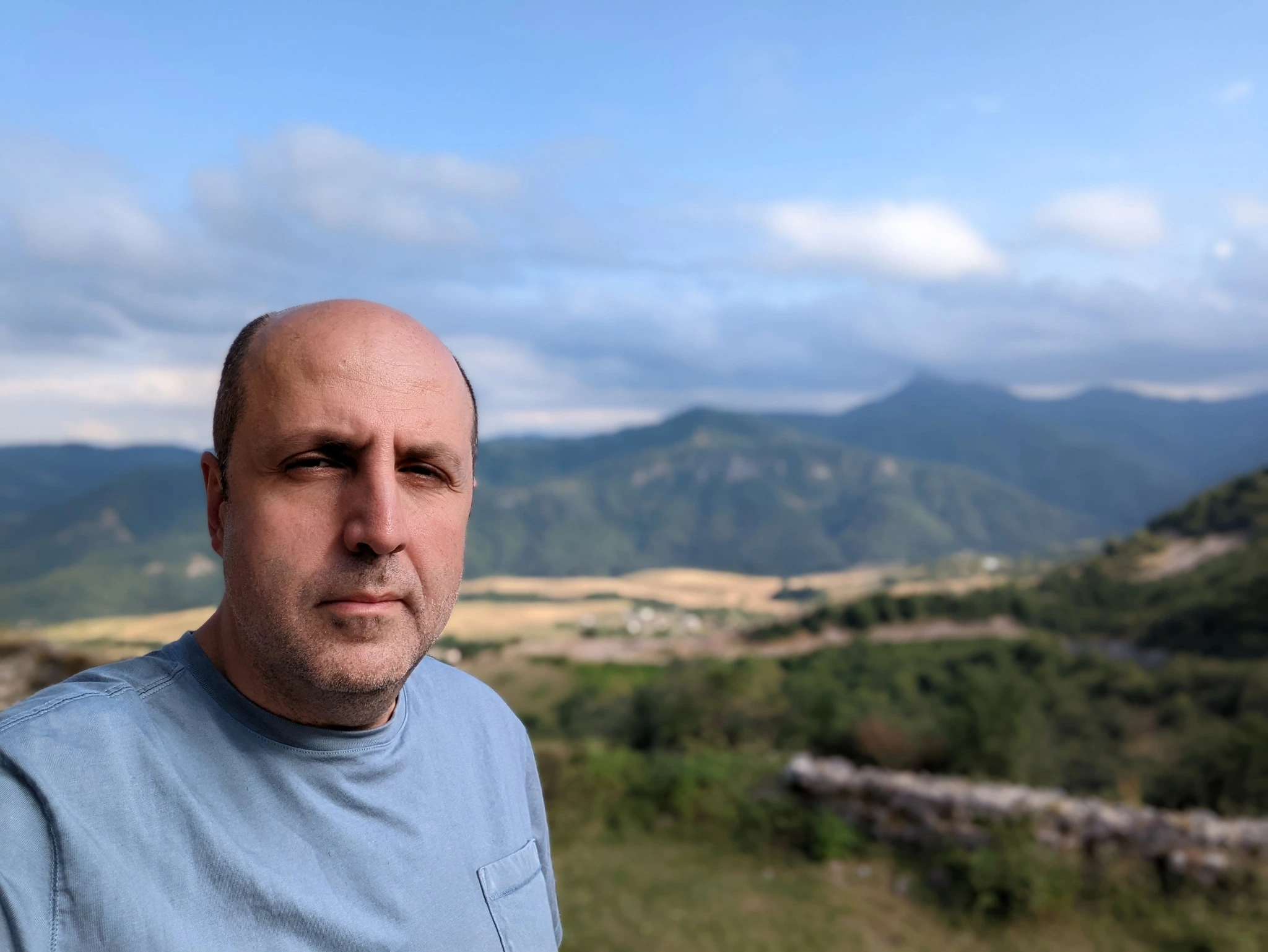
Hovik Manucharyan
Hovik Manucharyan is an information security engineer who moved from Seattle to Armenia in 2022. He co-founded the ANN/Groong podcast in 2020 and has been a contributor to Groong News since the late 1990s.
Disclaimer: The views expressed by Hovik Manucharyan on the ANN/Groong podcast are his own and do not necessarily reflect the opinions of his employer or any other organization.
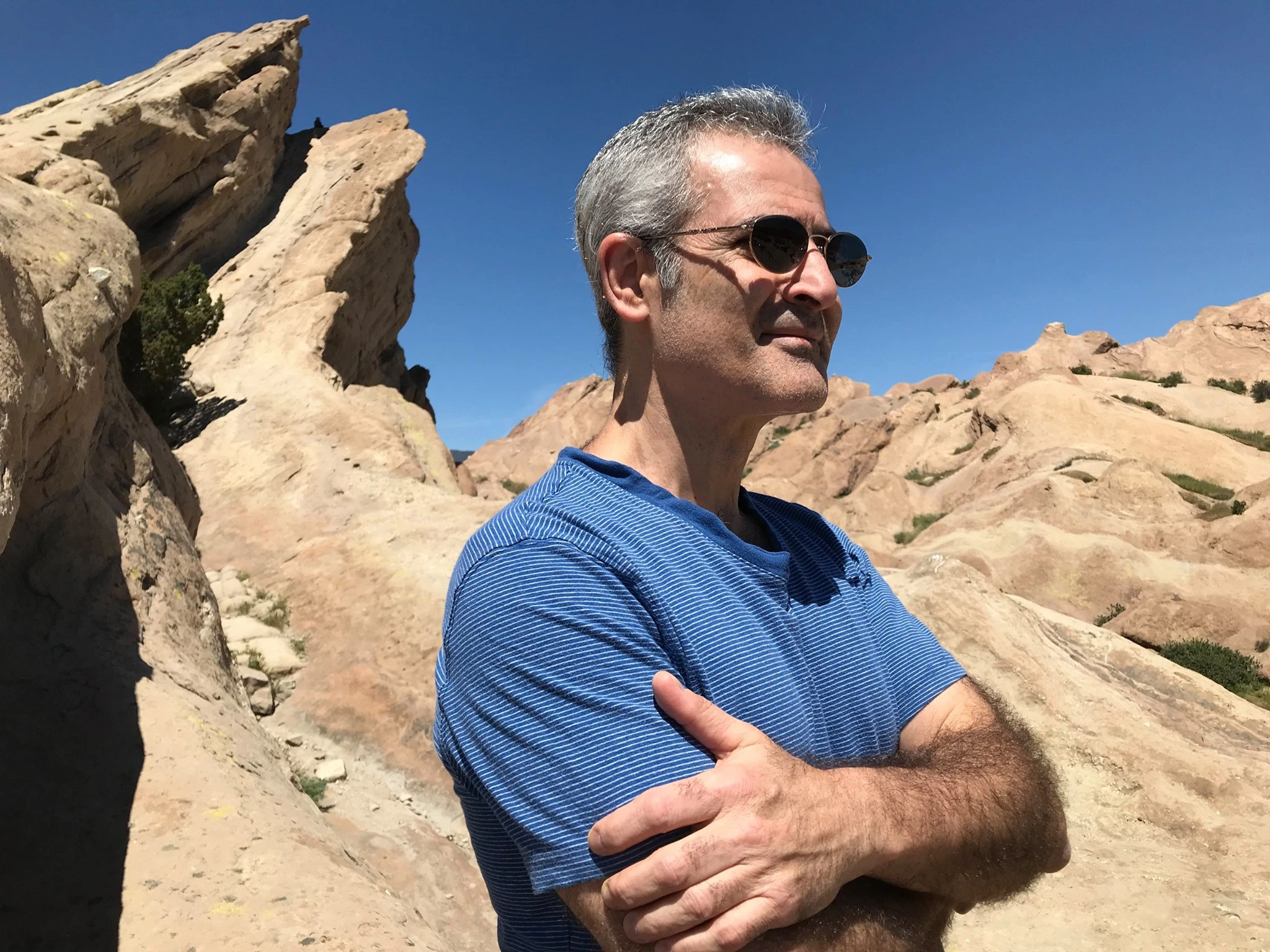
Asbed Bedrossian
Asbed Bedrossian is an IT professional, and for years oversaw the central IT enterprise infrastructure and services at USC. His decades of experience spanned across IT strategy, enterprise architecture, infrastructure, cybersecurity, enterprise applications, data center operations, high performance computing, ITSM, ITPM, and more.
Asbed founded the Armenian News Network Groong circa 1989/1990, and co-founded the ANN/Groong podcast in 2020.