Groong Links:
Topics:
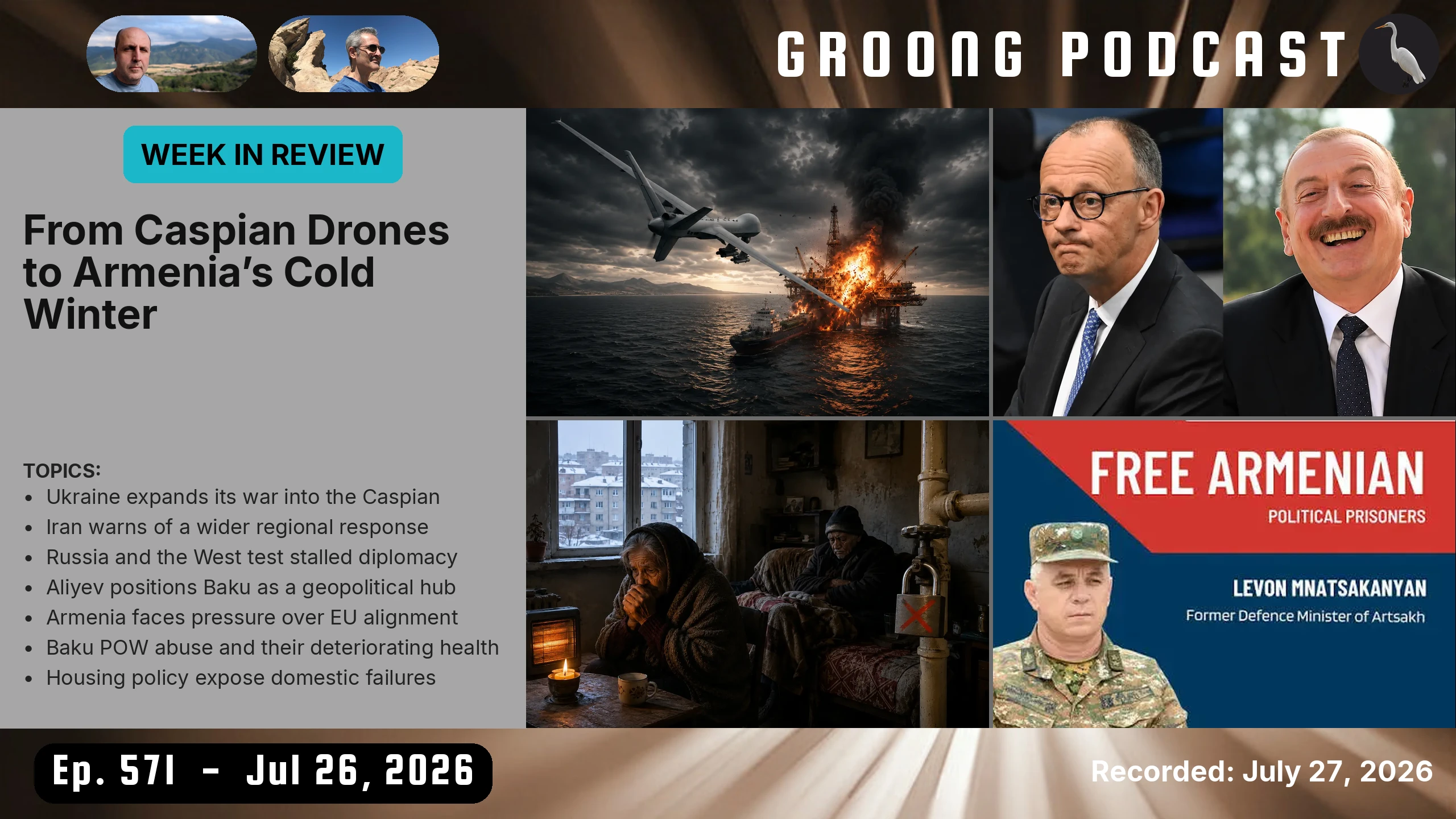
- Ukraine expands its war into the Caspian
- Iran warns of a wider regional response
- Russia and the West test stalled diplomacy
- Aliyev positions Baku as a geopolitical hub
- Armenia faces pressure over EU alignment
- Baku POW abuse and their deteriorating health
- Housing policy expose domestic failures
Episode 571 | Recorded: July 27, 2026
#Armenia #UkraineWar #Iran #CaspianSea #SouthCaucasus #MiddleCorridor #ArmenianPOWs #Geopolitics
Show Notes
Summary
In this week’s edition of the Armenian News podcast, Hovik and Asbed analyze escalating regional tensions as Ukraine expands operations into the Caspian Sea, striking Iranian and Russian assets. We examine how this merger of the Northern and Southern conflicts affects Armenia, Kazakhstan’s energy security, and Pashinyan’s diplomatic positioning amid new pressure from Western capitals following Aliyev’s recent visits to Germany and Berlin.Main Topics Addressed
- Ukraine’s drone attack in the Caspian Sea
- Risk of the Ukraine and Iran wars merging
- Caspian energy routes and the Middle Corridor
- Rubio-Lavrov talks in Manila
- Aliyev’s strategic partnership talks in Berlin
- Secret German-Russian diplomacy in Baku
- Pashinyan-Putin tensions over the EU and EAEU
- Armenia’s efforts to secure more Iranian gas
- Deteriorating health of Armenian prisoners in Baku
- Arrests and pressure against government critics
- Foreign online purchases of Armenian apartments
- Armenia’s housing crisis and rising property prices
- Correction concerning Gurgen and Ashot Arsenyan
- Reflections on the Anthony Barsamian interview
Key Questions Discussed
- How did Ukrainian drones reach targets deep inside the Caspian Sea?
- Were the drones launched from Ukraine, the South Caucasus , Turkey, or another nearby location?
- What level of U.S. or NATO intelligence support would such an operation require?
- Could Azerbaijan or another regional state have assisted the attack?
- Who benefits from merging the wars in Ukraine and the Middle East?
- Could attacks on Caspian infrastructure disrupt oil exports to Europe?
- How could Iran respond against states or facilities that assisted the operation?
- Is the Middle Corridor becoming a target in the wider struggle over trade between China and Europe?
- Did the Rubio-Lavrov meeting produce any path toward ending the Ukraine war ?
- Is Russia still seeking normalized relations with the United States despite continued escalation?
- What does Germany’s partnership with Azerbaijan mean for European energy policy?
- What “further peace steps” does Berlin expect from Armenia?
- Why did German and Russian representatives choose Baku for secret talks?
- Could unofficial diplomacy lead to formal negotiations between Russia and Europe?
- Is Russia using trade restrictions to force Armenia to choose between the EU and the EAEU?
- Can Iranian gas replace Russian supplies at a workable price?
- What is the Armenian government doing to secure the release of prisoners held in Baku?
- How serious are the reported health problems among Armenian detainees?
- Why are Armenian authorities using hooliganism charges against critics?
- Who benefits from allowing foreigners to buy new Armenian apartments online?
- Why are so many apartments being built when most Armenian families cannot afford them?
- Could the new property rules encourage speculation or foreign political influence?
Referenced Articles & Sources
Caspian Escalation and the Risk of a Wider War
- The American Conservative: As Netanyahu and Zelensky Visit Trump, Their Wars Converge
- Andrew Korybko: The Southern Front of the Ukrainian Conflict
- TASS: Caspian Pipeline Consortium Operations and Drone Attacks
Rubio-Lavrov Meeting in Manila
Aliyev’s Visit to Berlin
- Aliyev-Merz Press Conference
- Diplomat Magazine: President Ilham Aliyev on Official Visit to Germany
- Caspian Post: Aliyev Visits Berlin to Deepen Energy and Trade Ties with Germany
- Commonspace.eu: Azerbaijan and Germany Sign Joint Declaration
- OC Media: Aliyev Visits Berlin and Signs Strategic Partnership Declaration with Merz
Armenia, Russia, the EU, and Energy
- Asbarez: Putin Urges Pashinyan to Hold EU Membership Referendum
- Asbarez: Iran and Armenia Agree on Comprehensive Energy Partnership
Armenian Prisoners and Political Pressure
- Azatutyun: Health of Armenian Prisoners Held in Baku
- Azatutyun: Farmer Arrested After Confrontation with Pro-Government Blogger
Foreign Property Purchases in Armenia
- PanARMENIAN.Net: Foreigners Can Purchase Armenian Apartments Electronically
- Armenian Weekly: Don’t Let Turks Buy Land in Armenia
Errata
In Episode 567, we incorrectly stated that Gurgen Arsenyan, Armenia’s ambassador to Russia, is related to the Arsenyan family associated with Jermuk mineral water.
Correction: Ashot Arsenyan, the owner of Jermuk, is not related to Gurgen Arsenyan.
Wrap-up
Links and Resources
That’s our show , we hope you found it helpful. We invite your feedback and your suggestions, you can find us on most social media and podcast platforms.
Thanks to Laura Osborn for the music on our podcasts.
Hosts
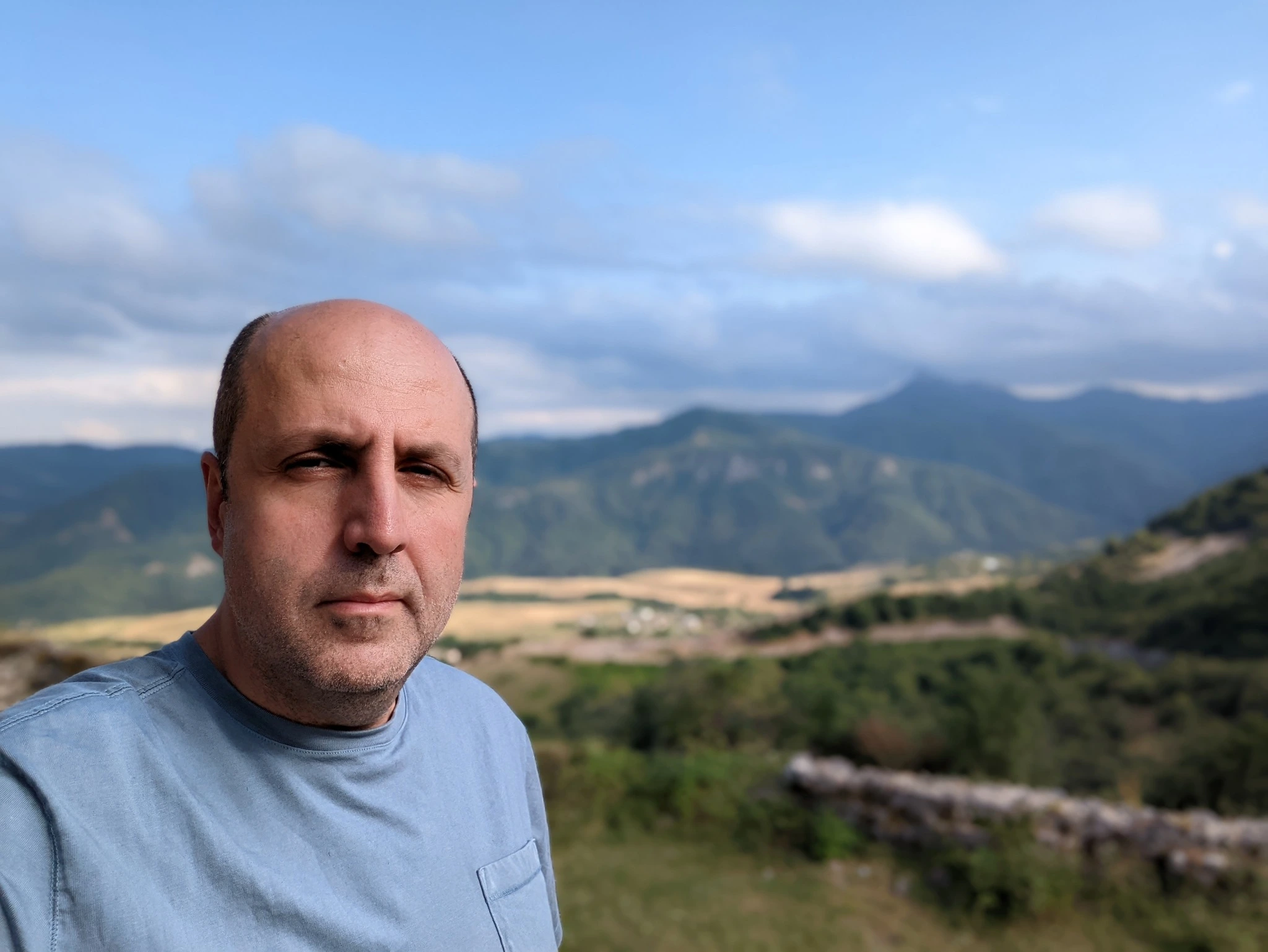
Hovik Manucharyan
Hovik Manucharyan is an information security engineer who moved from Seattle to Armenia in 2022. He co-founded the ANN/Groong podcast in 2020 and has been a contributor to Groong News since the late 1990s.
Disclaimer: The views expressed by Hovik Manucharyan on the ANN/Groong podcast are his own and do not necessarily reflect the opinions of his employer or any other organization.
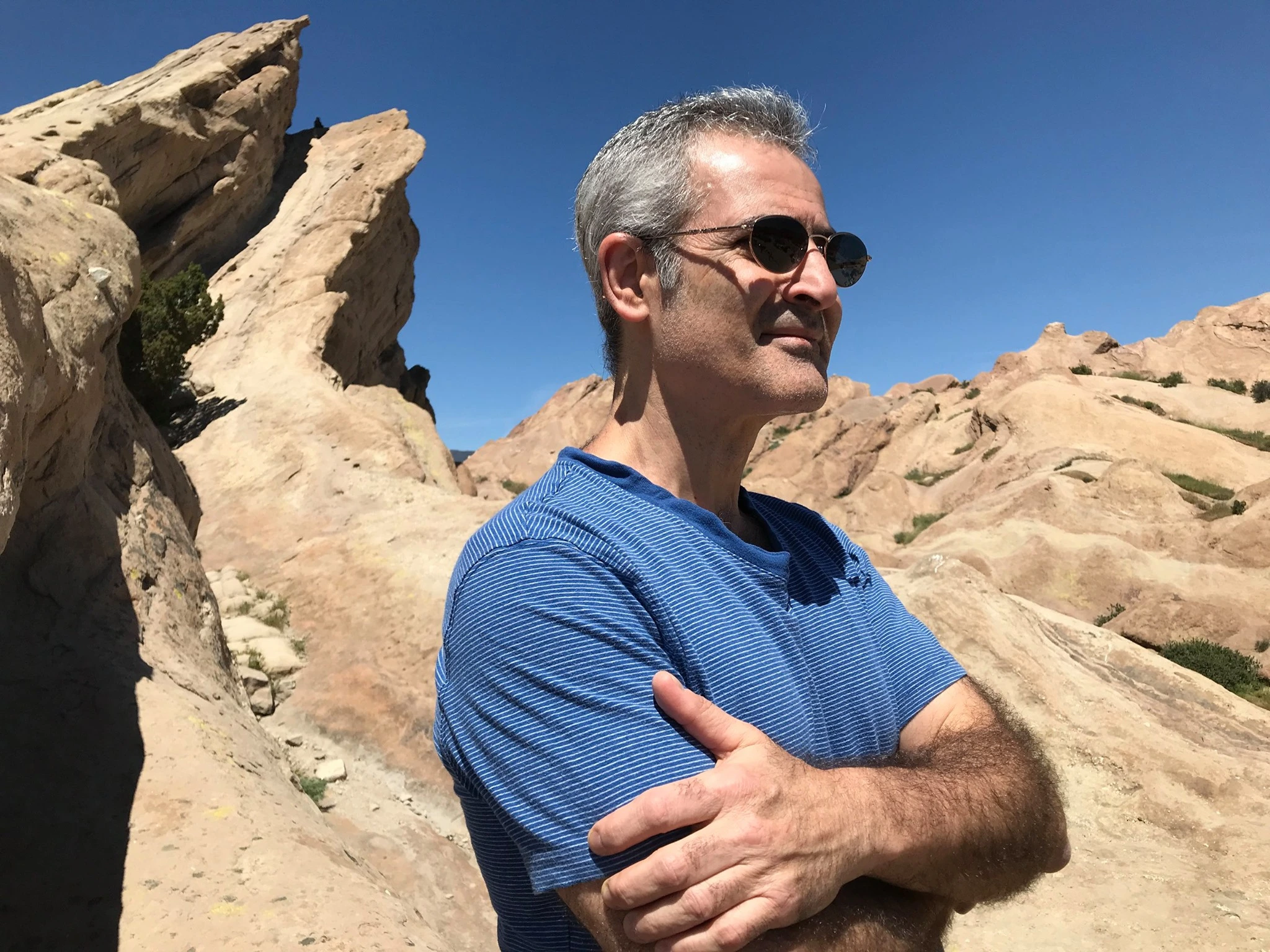
Asbed Bedrossian
Asbed Bedrossian is an IT professional, and for years oversaw the central IT enterprise infrastructure and services at USC. His decades of experience spanned across IT strategy, enterprise architecture, infrastructure, cybersecurity, enterprise applications, data center operations, high performance computing, ITSM, ITPM, and more.
Asbed founded the Armenian News Network Groong circa 1989/1990, and co-founded the ANN/Groong podcast in 2020.
Related Episodes


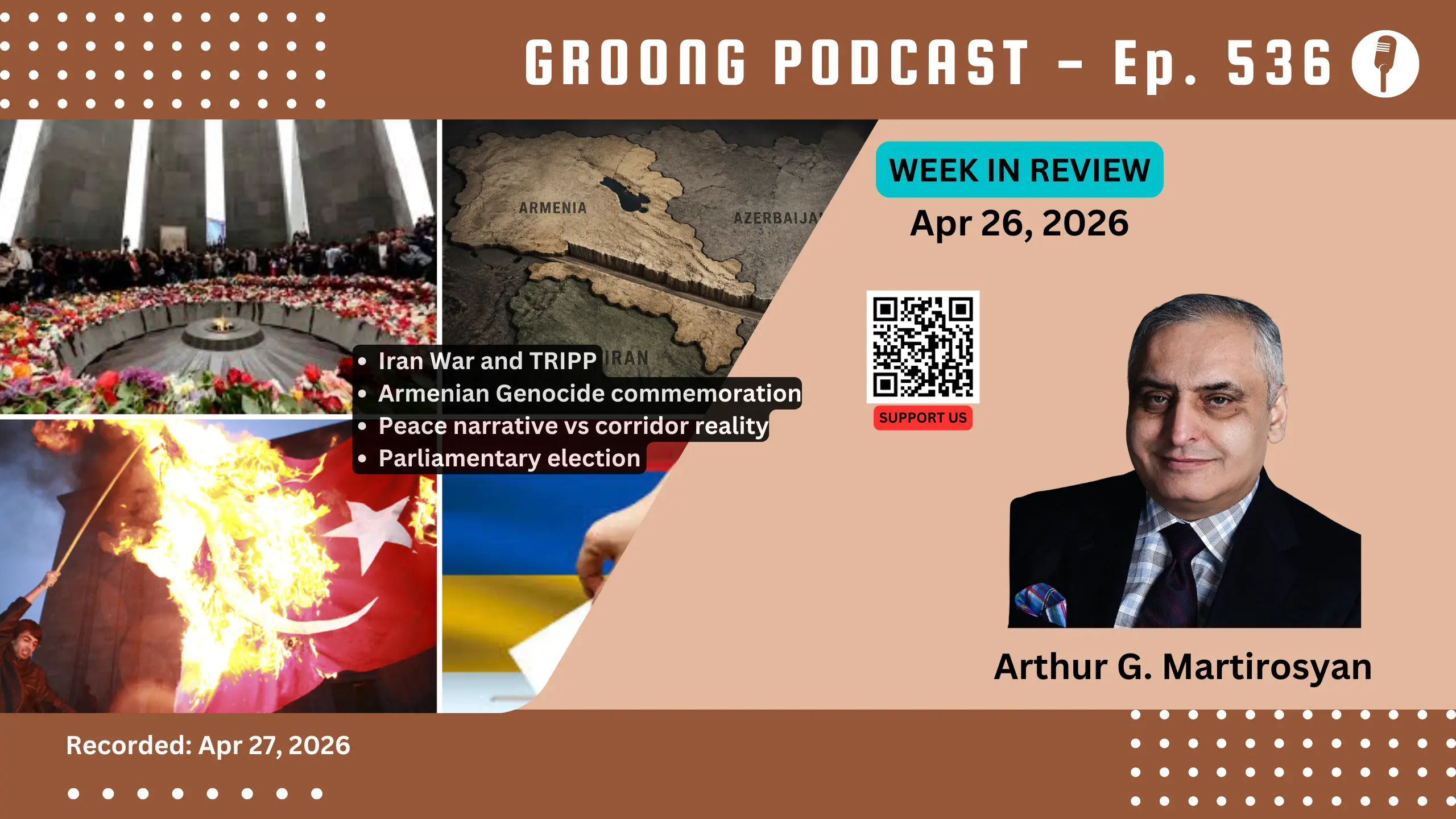
Clips from this episode
 Secret German-Russian Talks in Baku: Aliyev Throws Merz Under the Bus
 Ukraine's Caspian Drone Attack: How Did Drones Fly Undetected?
 Armenia's Housing Crisis: Foreigners Can Buy Apartments Easier Than Armenians
 Russia's Trade War on Armenia: Pashinyan Calls Putin Over Sanctions
 Armenian POWs in Baku: Bone Fractures, No Teeth, No Healthcare
 The Farmer and the Blogger: How Hooliganism Charges Silence Dissent in Armenia