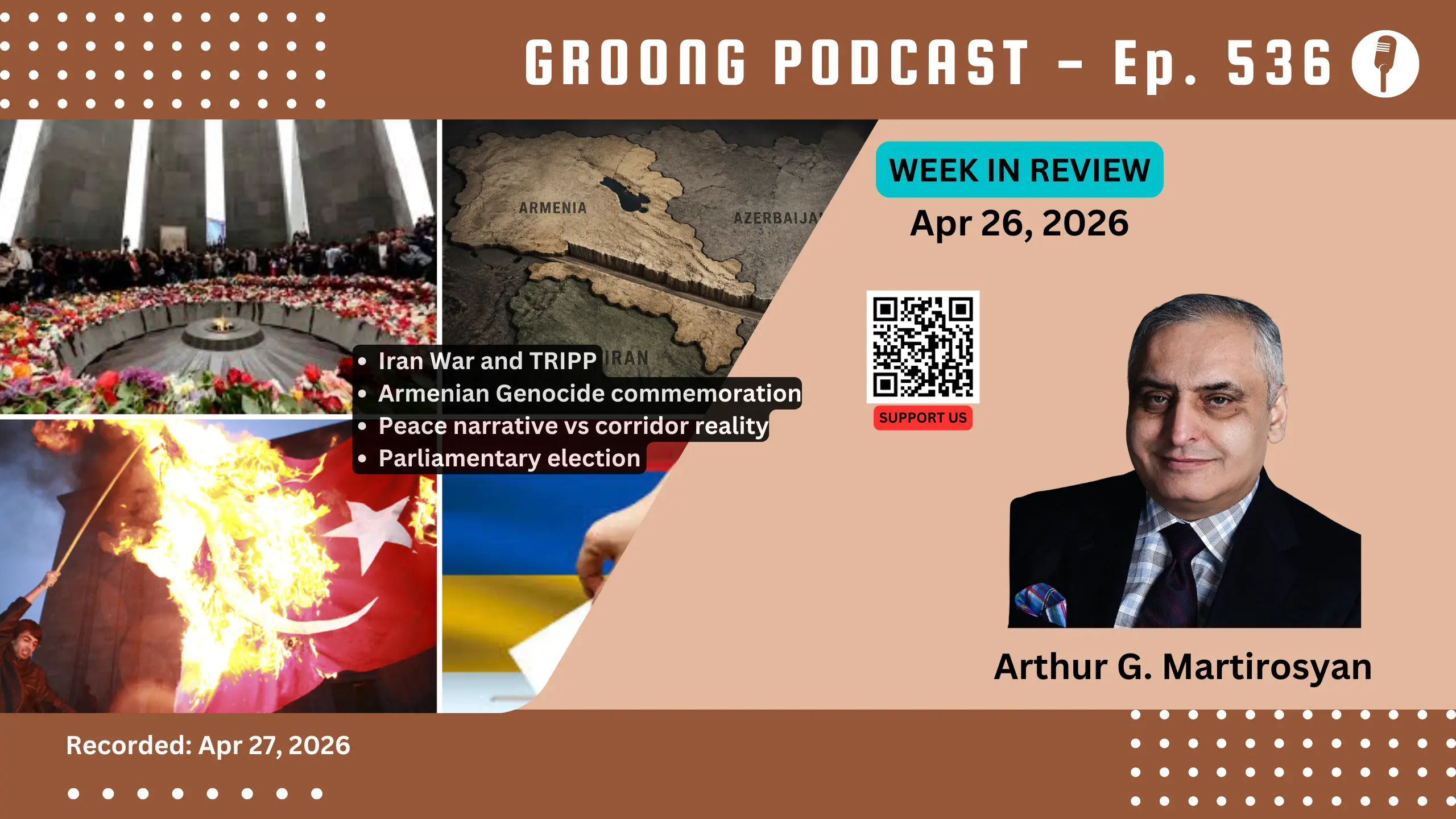
Sergey Markedonov - Russia-Armenia Relations Before the Vote | Ep 552, June 1, 2026 [EP552]
Posted on Monday, Jun 1, 2026 | Category: Armenia, Politics, Russia, Armenian Church, Nagorno Karabakh, Azerbaijan, Artsakh, Turkey, Iran, Georgia | Series: cog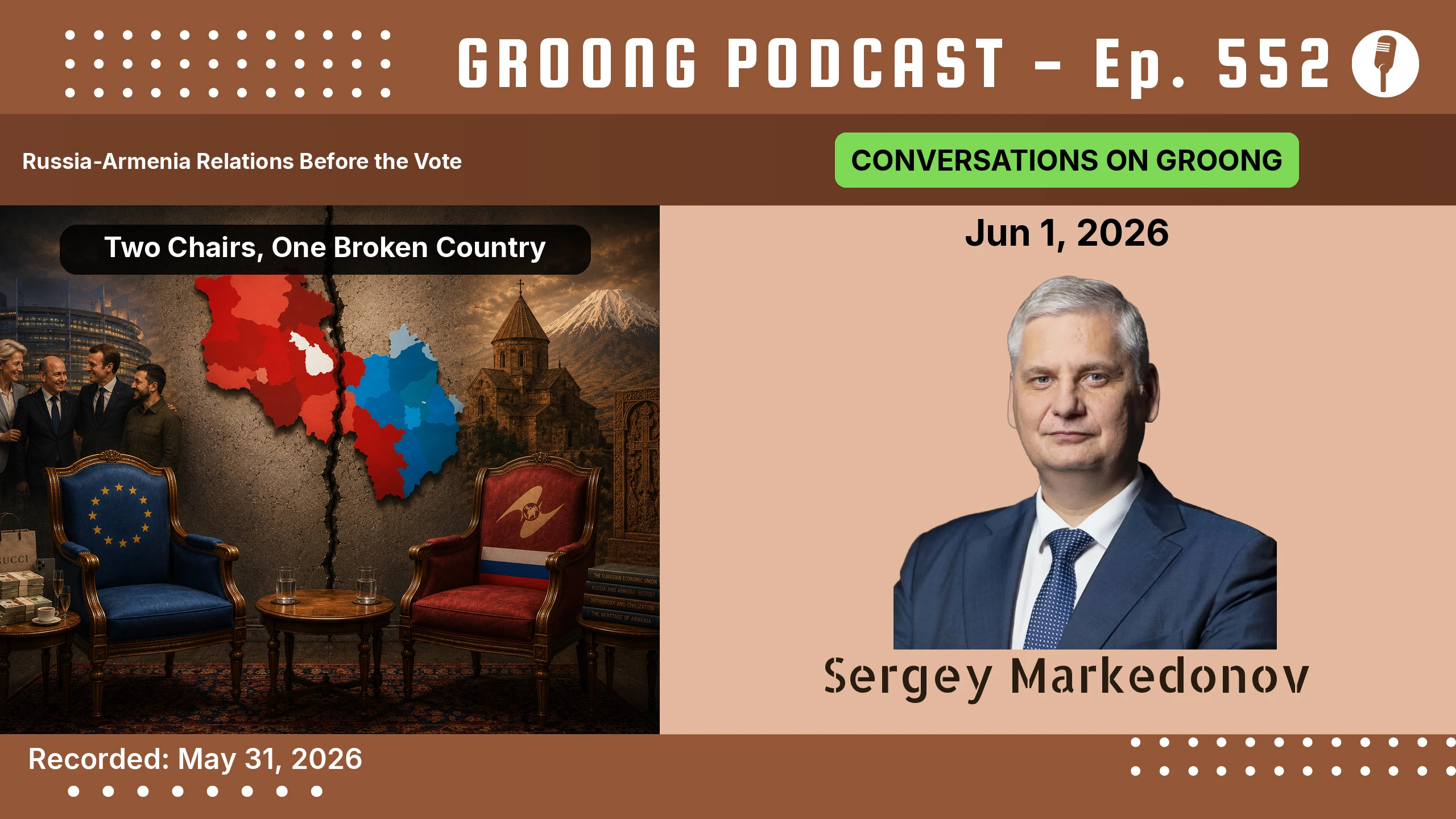
Groong Links:
Guest(s):
Topics:
- TRIPP and Regional Balance
- Armenia’s Geopolitical Election
- Pashinyan’s “Real Armenia”
- Russia’s Economic Pressure
Episode 552 | Recorded: May 31, 2026
#RussiaArmenia #SergeyMarkedonov #ArmeniaElections #Pashinyan #TRIPP #SouthCaucasus #RealArmenia #EAEU
Show Notes
Summary
In this episode of Conversations on Groong, we speak with Dr. Sergey Markedonov about Russia-Armenia relations and Armenia’s geopolitical position ahead of the June 7, 2026 Armenian parliamentary elections. We discuss the Trump Route for International Peace and Prosperity (TRIPP), Russian concerns about regional balance, Pashinyan’s westward orientation, economic pressure from Moscow, and how Armenia’s strategic partnerships will shape its future in the South Caucasus.Topics Covered
TRIPP and Regional Balance
- The Trump Route for International Peace and Prosperity
- The Alaska summit and U.S.-Russia diplomacy
- Russia’s delayed public objections to TRIPP
- The Treaty of Turkmenchay and regional balance
- Iran’s concerns over TRIPP after the U.S.-Israel war
Russia’s Role in the South Caucasus
- Russia as a Caucasus power
- U.S. and EU efforts to reduce Russian influence
- Moscow’s changing approach after the Ukraine war
- Armenia, Georgia, and Azerbaijan as separate but linked fronts
- Russia’s limits and remaining tools of influence
TRIPP vs. the Abkhaz Railway
- Armenia’s need for reliable access to Russia
- The state of transport infrastructure in Syunik
- The possibility of reopening the Abkhaz Railway
- Georgia’s political constraints
- Abkhazia, South Ossetia, and the transit question
The June Election as an Identity Test
- Markedonov’s view of the election as a systemic stress test
- Pashinyan ’s “Real Armenia” project
- Miatsum as a core national myth of post-Soviet Armenia
- The post-2020 and post-2023 collapse of the Artsakh-centered project
- The tension between state survival and historical identity
Church, Diaspora, and Historical Armenia
- The Armenian Church as a repository of identity
- Pashinyan’s attacks on the Church
- The role of the diaspora in Armenian statehood
- Armenian figures from outside Armenia, including Martiros Saryan, Alexander Tamanian, Levon Ter-Petrosyan, Vartan Oskanian, and Raffi Hovannisian
- The risks of cutting “Real Armenia” away from “Historical Armenia”
Russia, the EU, and the “Hybrid War” Frame
- Pashinyan’s claims about foreign interference
- Western support for Armenia’s anti-hybrid-war programs
- Russia’s view of Western political involvement
- U.S., EU, Turkish, and Azerbaijani preferences in Armenia’s election
- Whether Russia’s pressure helps Pashinyan fuel anti-Russian sentiment
Economic Pressure and Strategic Dependence
- Preferential Russian gas pricing
- Petroleum products, unrefined diamonds, and trade benefits
- Armenian exports facing Russian inspections and restrictions
- Armenian workers, remittances, and seasonal labor in Russia
- Russian-linked employment in Armenia through Gazprom Armenia, South Caucasus Railway, and other enterprises
EU Support: Alternative or Political Theater
- What the EU actually offers Armenia
- The absence of a clear EU membership path
- The gap between EU political support and economic replacement for Russia
- Armenia as a possible pressure point against Russia
- The risks of turning Armenia into another arena of Russia-West confrontation
Russian Policy Mistakes and Future Strategy
- Russia’s slow reaction during the second Karabakh war
- Moscow’s focus on Ukraine after 2022
- The Armenian government’s belief that Russia was losing influence
- Russia’s need for a more proactive Armenia policy
- Whether Russia-Armenia relations can still recover
Key Questions Discussed
Was TRIPP discussed in the context of the Alaska summit between Trump and Putin?
Why was Russia’s first public reaction to TRIPP muted?
Why do Russian officials now frame TRIPP as a threat to regional balance?
Does TRIPP replace Point 9 of the November 2020 trilateral statement, or is it a repackaged version of older transport-unblocking efforts?
Can Armenia realistically become a major transit hub through TRIPP?
Is the Abkhaz Railway a more practical transport option for Armenia than TRIPP?
Can Russia and Georgia negotiate the reopening of rail access through Abkhazia?
Why does Markedonov view Armenia’s June election as more than a normal parliamentary vote?
Is Pashinyan’s “Real Armenia” project a pragmatic adjustment to Armenia’s post-Artsakh reality, or a break with Armenian historical identity?
How central is the loss of Artsakh to Armenia’s current political and identity crisis?
What role does the Armenian Church play in Armenian identity, and why is it now a political target?
Can Armenia separate its current statehood from the diaspora, Church, Artsakh, and “Historical Armenia”?
Is Russia really trying to shape Armenia’s election, or is Pashinyan using Russia as a campaign foil?
Does Russian economic pressure help Pashinyan by strengthening anti-Russian rhetoric?
What would a smarter Russian policy toward Armenian voters look like?
What does the EU actually offer Armenia beyond political support?
Can the EU replace Russia as an economic, energy, and labor-market partner?
Is Armenia being integrated into Europe, or drawn into a Western project to contain Russia?
Did Russia make mistakes in its policy toward Armenia during and after the 44-day war?
Is there still a path to rebuilding Russia-Armenia relations?
Referenced Articles & Sources
Overchuk: Armenia is close to the point where Russia will have to restructure its economic relations
Russia steps up economic pressure on Armenia ahead of pivotal election
Armenia’s election: Choosing between peace, integration, and isolation
Armenia’s 2026 parliamentary elections: a vote not only about Russia and the European Union
Russia says Armenia could lose cheap gas if it turns away from Moscow
Russia Threatens to Rip Up Natural Gas Deal With Armenia Over Its EU Ambitions
Pro-Kremlin actors launch large scale disinformation campaign targeting Armenia’s elections
Russia denies The Insider report alleging meddling in Armenian elections
Armenia launches what appears to be first-ever investigation of Russian-backed espionage
All operations on Armenia: Russia’s influence machine targets the vote
Armenia: Catholicos Says Authorities Seek To Divide, Weaken Church
US and Armenia pledge to move forward on economic corridor during Rubio visit
TRIPP project will also create opportunities for Iran and Russia, Mirzoyan says
Pashinyan again calls for end to Russian railway management over sanctions concerns
Wrap-up
Links and Resources
That’s our show , we hope you found it helpful. We invite your feedback and your suggestions, you can find us on most social media and podcast platforms.
Thanks to Laura Osborn for the music on our podcasts.
Guests
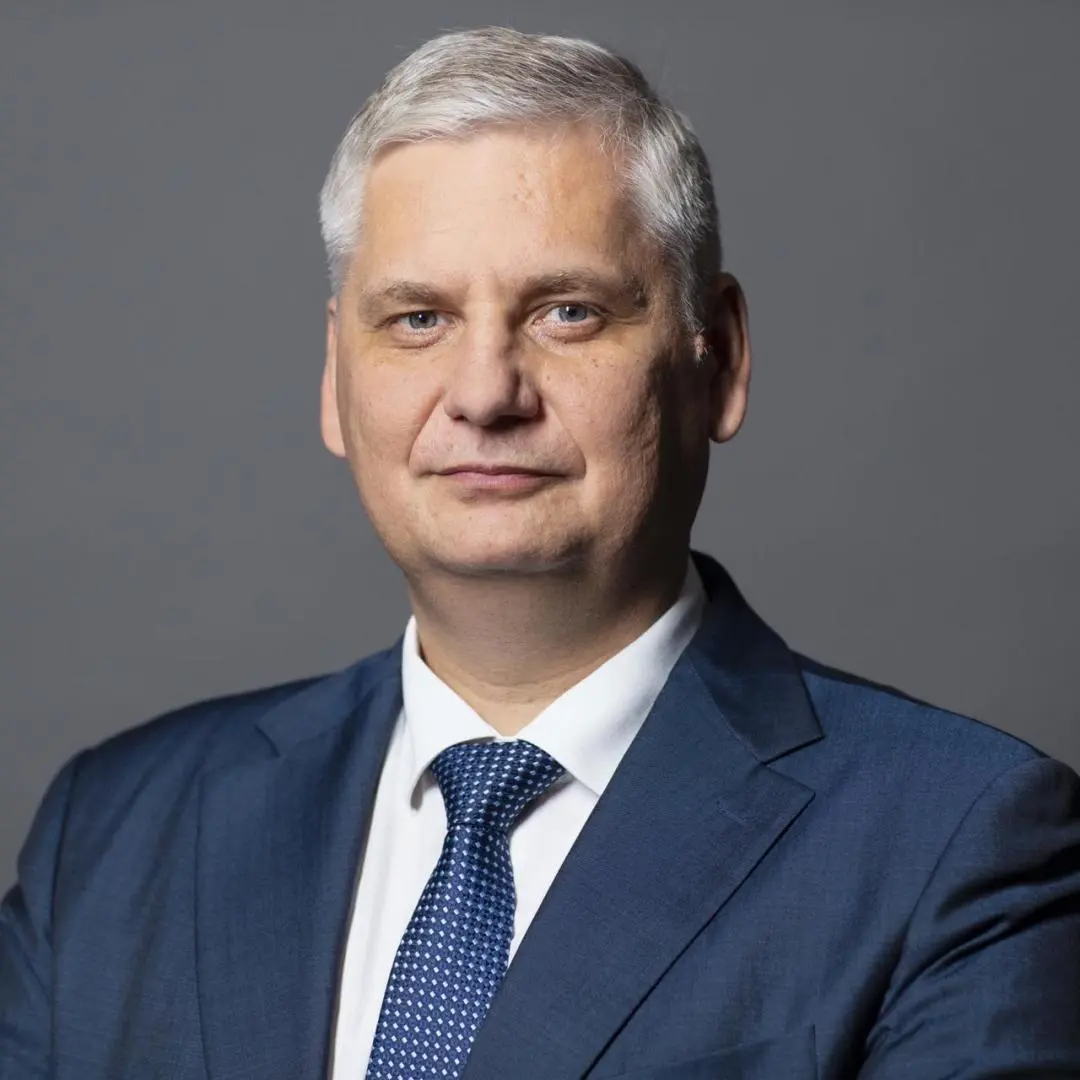
Sergey Markedonov
Dr. Sergey Markedonov is a historian and analyst specializing in Russia’s foreign policy, the South Caucasus, and post-Soviet conflict regions. He is a Leading Research Fellow at MGIMO University’s Institute for International Studies and Editor-in-Chief of International Analytics. He also served as Director of the Department for Problems of Ethnic Relations at the Institute for Political and Military Analysis in Moscow in 2001-2011.
Dr. Markedonov has written and commented widely for international policy forums and expert publications, including the Minsk Dialogue Council on International Relations, the Russian International Affairs Council, and Russia in Global Affairs. His analysis often examines the intersection of domestic politics, identity, and geopolitics in countries such as Armenia, Georgia, Azerbaijan, Ukraine, and Moldova.
Hosts
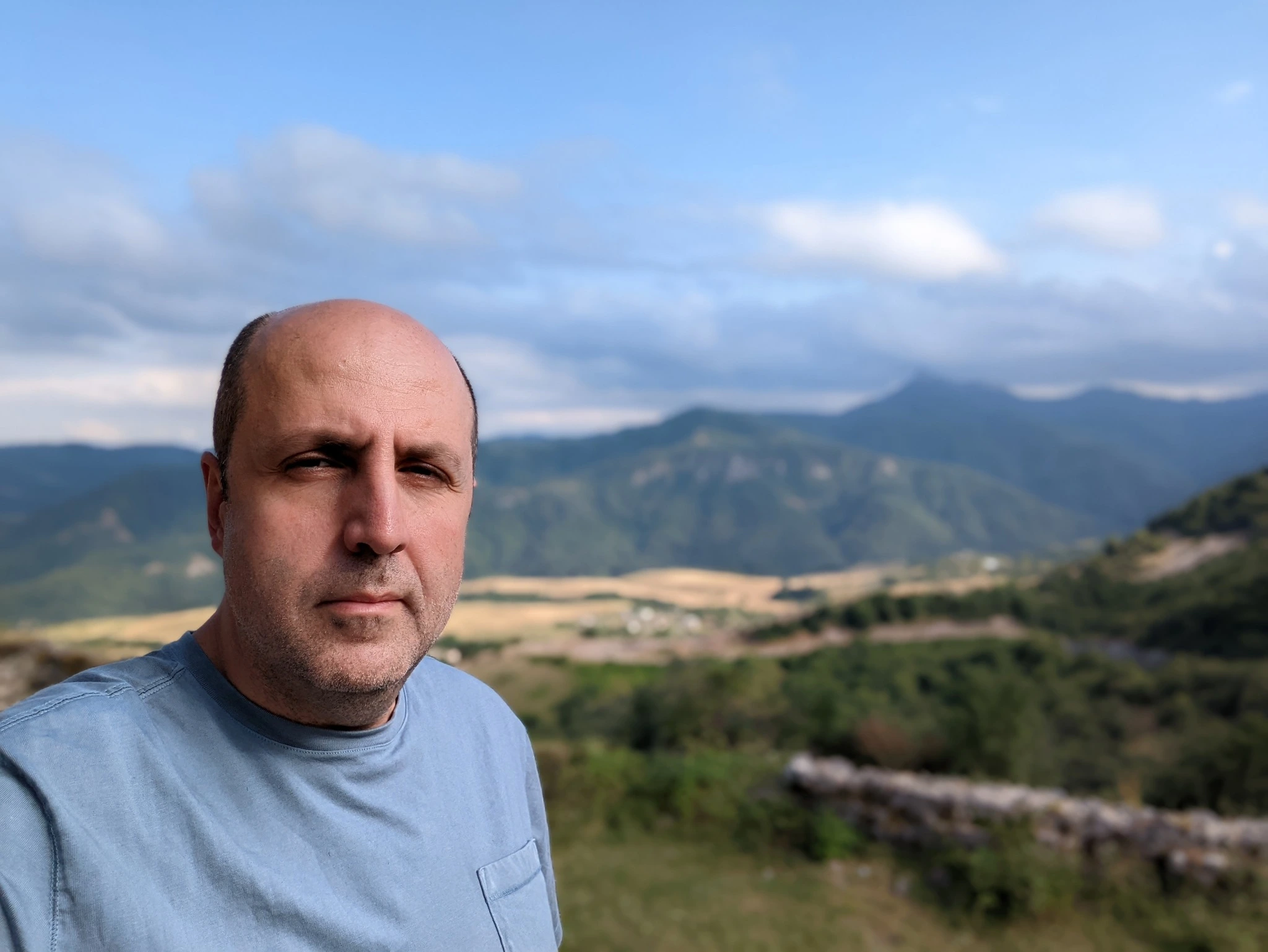
Hovik Manucharyan
Hovik Manucharyan is an information security engineer who moved from Seattle to Armenia in 2022. He co-founded the ANN/Groong podcast in 2020 and has been a contributor to Groong News since the late 1990s.
Disclaimer: The views expressed by Hovik Manucharyan on the ANN/Groong podcast are his own and do not necessarily reflect the opinions of his employer or any other organization.

Asbed Bedrossian
Asbed Bedrossian is an IT professional, and for years oversaw the central IT enterprise infrastructure and services at USC. His decades of experience spanned across IT strategy, enterprise architecture, infrastructure, cybersecurity, enterprise applications, data center operations, high performance computing, ITSM, ITPM, and more.
Asbed founded the Armenian News Network Groong circa 1989/1990, and co-founded the ANN/Groong podcast in 2020.