Pashinyan's Hate Speech, Threats, and the June 7 Election Climate | Ep 547, May 17, 2026 [EP547]
Posted on Tuesday, May 19, 2026 | Category: Armenia, Politics, Election, Armenian Church, Nagorno Karabakh, Artsakh Blockade, Russia, China, Azerbaijan, Georgia, Iran, NATO | Series: wir, video
Groong Links:
Topics:
- Trump, China, and Iran
- Armenia-Russia “soft divorce”
- Pashinyan’s violent campaign rhetoric
- State resources and election pressure
- Javakhk church vandalism concerns
Episode 547 | Recorded: May 18, 2026
#Pashinyan #ArmeniaElections #ArmenianPolitics #PoliticalViolence #HateSpeech #ArmeniaRussia #IranWar #SouthCaucasus
Show Notes
Summary
This Week in Review covers a tense mix of global and Armenian political crises, from Trump’s summit with Xi Jinping and the deepening Iran war, to Armenia’s worsening relations with Russia and the risks to trade, energy, and security ties. Hovik and Asbed also examine Armenia’s heated election climate, including allegations of state pressure, abuse of administrative resources, selective law enforcement, Pashinyan’s violent campaign rhetoric against opposition leaders, and the muted response of international observers. The episode also looks at Robert Kocharyan’s call for major-power guarantees for peace with Azerbaijan, and the vandalism of the Sourp Nshan Armenian Church in Javakhk.Topics Covered
Trump, China, and Iran
Hovik and Asbed discuss Trump’s May 14-15 summit with Xi Jinping in Beijing, including trade announcements, Boeing aircraft orders, rare earths, Taiwan, and U.S. export restrictions on high-tech chips. They also examine the summit’s limited results on Iran, China’s refusal to cut trade with Iran, and the wider question of whether U.S. sanctions pressure is losing force.
Armenia-Russia Relations
The hosts discuss the worsening relationship between Armenia and Russia ahead of the May 28 EAEU summit. They examine Moscow’s warnings about Armenia’s EU path, Sergey Lavrov’s comments about EAEU trade privileges, Russia’s inspections of Armenian goods, and the possible impact on cheap energy, the nuclear power plant, and Armenian exports.
Pashinyan’s Campaign Rhetoric and Calls for Violence
The episode focuses heavily on Pashinyan’s conduct during the election campaign, including his confrontation with Armine Soghoyan, his threats against opposition leaders, and his statements about making opponents kneel. Hovik and Asbed contrast this with the fast police response against critics and bloggers, and ask why similar standards are not applied to Pashinyan’s own speech.
Administrative Resources and Election Pressure
The hosts examine reports that teachers, principals, students, and public employees were pressured to attend Civil Contract rallies. They discuss the role of regional officials, the Central Electoral Commission, and local watchdogs, while questioning whether international observers will treat these violations as serious or reduce them to minor footnotes.
Selective Enforcement Against the Opposition
The discussion turns to police raids, arrests, and pre-trial detention targeting opposition forces, including Strong Armenia and Armenia Alliance members. The hosts contrast these cases with alleged ruling-party abuses that appear to face little or no enforcement.
Diaspora Vote and Russian Armenians
Pashinyan’s claim that more than 65% of Armenian citizens in Russia would vote for his party is discussed with skepticism. Hovik questions the basis for the claim and argues that Russian-Armenian voters are unlikely to be more pro-Pashinyan than voters inside Armenia.
Kocharyan’s Proposal for Peace Guarantees
Hovik and Asbed discuss Robert Kocharyan’s argument that Armenia needs enforceable security guarantees from major powers, including the United States, Russia, and France. They connect this to the former OSCE Minsk Group co-chair format and the lack of real guarantees in the current peace process with Azerbaijan.
Armenian Church in Javakhk Vandalized
The final topic is the vandalism of the Surb Nshan Armenian Church in Akhaltsikhe, in Georgia’s Armenian-populated Samtskhe-Javakheti region. The hosts discuss the desecration of Armenian religious items, the risk of ethnic provocation, and the need for a careful diplomatic response.
Key Questions Discussed
- What did Trump get from the summit with Xi Jinping, and what remained unresolved?
- Is China willing to help the U.S. manage or end the Iran war ?
- How much leverage does Russia still have over Armenia through energy, trade, and the EAEU?
- Is Armenia’s EU path compatible with its current EAEU commitments?
- Are teachers, students, and public workers being used to inflate Civil Contract rallies?
- Why is the Central Electoral Commission responding so weakly to campaign abuses?
- Why are opposition figures and critics targeted while ruling-party abuses face little response?
- What is the impact of Pashinyan’s hate speech and violent rhetoric during the campaign?
- Will international observers take the campaign climate seriously?
- Can any Armenia-Azerbaijan peace deal work without enforceable outside guarantees?
- Was the Javakhk church vandalism a hate crime, a provocation, or both?
Referenced Articles & Sources
- Can China and Iran save Trump from the Strait of Hormuz?
- Arman Tatoyan press conference on students attending Civil Contract rally
- Uproar As Schoolteachers, Students Attend Pashinian Rallies In Armenian Region
- After Uproar, Pashinyan Claims He Ordered Dismissal Of Educators
- Wings of Unity party PM candidate Arman Tatoyan to Armenia premier Nikol Pashinyan: Who are you to dismiss school principals?
- Armenia Bloc Members Arrested as Police Raid Spitak Headquarters
- Strong Armenia members arrested for disrupting Pashinyan’s campaign
- The director of the polyclinic called Arpine Soghoyan and told her to write a resignation letter: Hraparak
- Artak Avetisyan video and pre-trial detention discussion
- Selective enforcement of voter fraud arrests
- Azatutyun report on campaign and election developments
- Armenia Bloc Lawmakers Meet With PACE Election Observers
- Armenia Alliance fact-finding initiative
- CEC response to campaign violations
- Why is Pashinyan convinced Russian Armenians will vote for him?
- Kocharian Favors Big-Power Guarantees For Peace With Azerbaijan
- Armenian Church in Javakhk Vandalized, Religious Relics Thrown in Trash Bin
Wrap-up
Links and Resources
That’s our show , we hope you found it helpful. We invite your feedback and your suggestions, you can find us on most social media and podcast platforms.
Thanks to Laura Osborn for the music on our podcasts.
Hosts
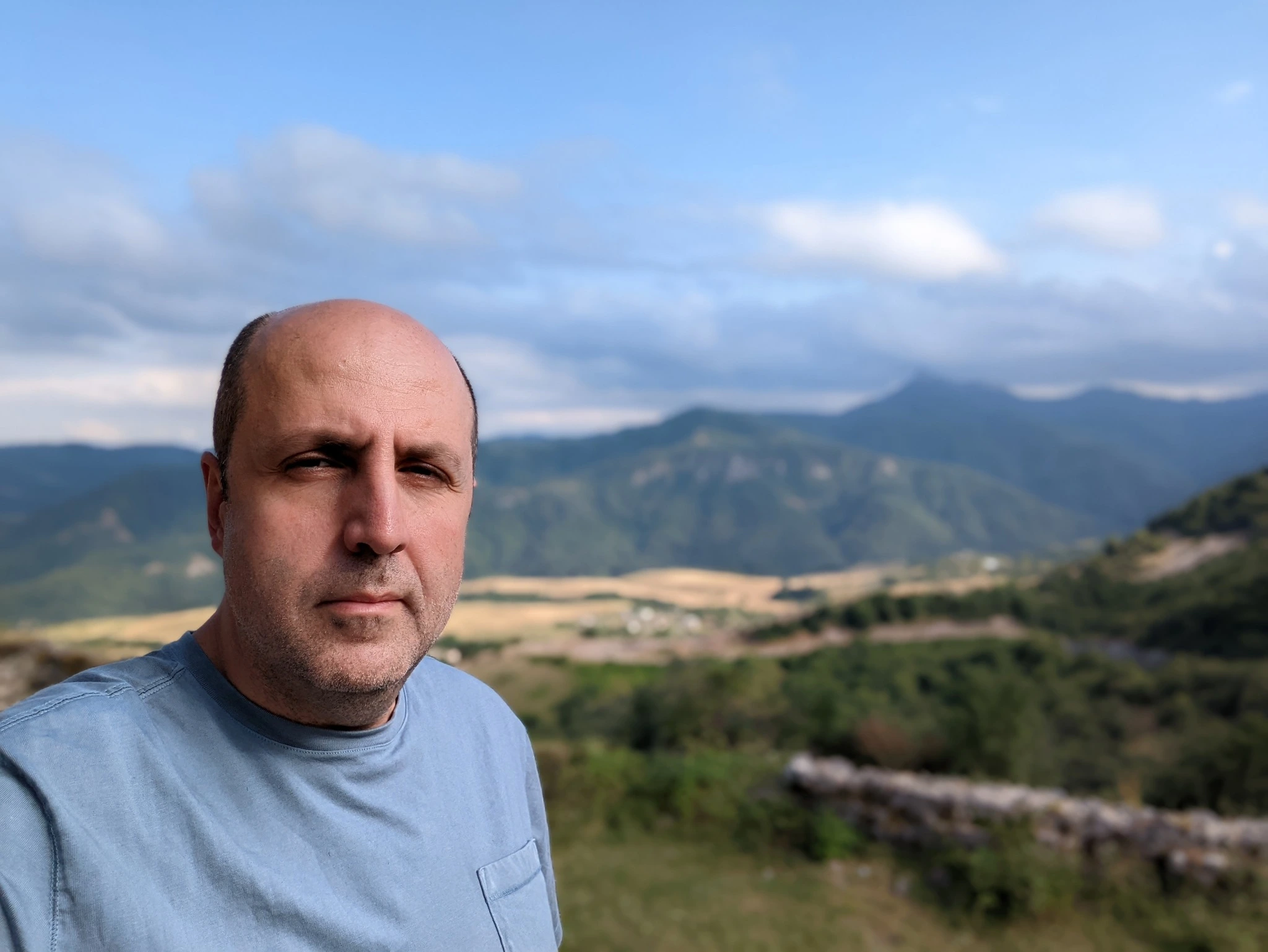
Hovik Manucharyan
Hovik Manucharyan is an information security engineer who moved from Seattle to Armenia in 2022. He co-founded the ANN/Groong podcast in 2020 and has been a contributor to Groong News since the late 1990s.
Disclaimer: The views expressed by Hovik Manucharyan on the ANN/Groong podcast are his own and do not necessarily reflect the opinions of his employer or any other organization.
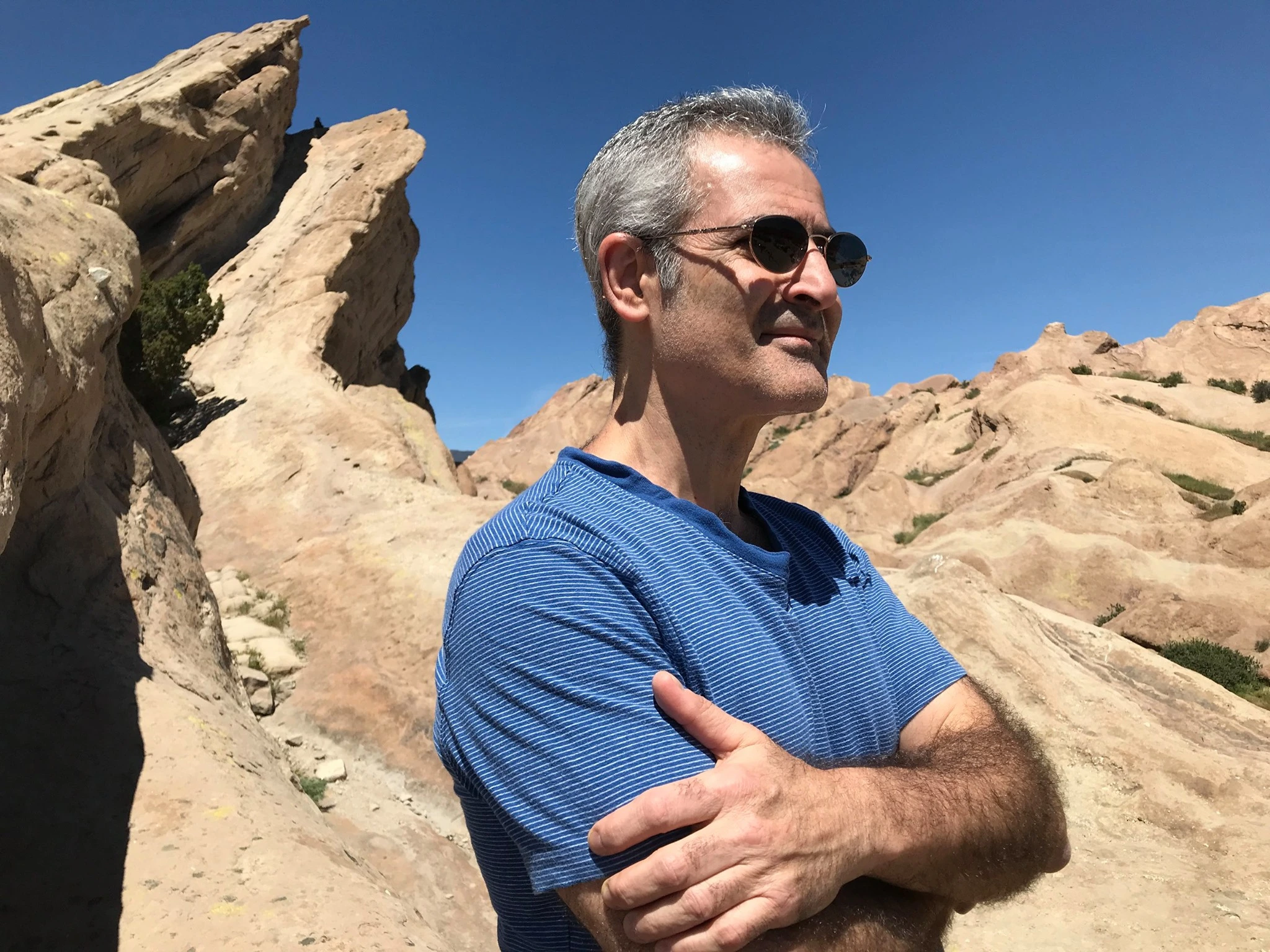
Asbed Bedrossian
Asbed Bedrossian is an IT professional, and for years oversaw the central IT enterprise infrastructure and services at USC. His decades of experience spanned across IT strategy, enterprise architecture, infrastructure, cybersecurity, enterprise applications, data center operations, high performance computing, ITSM, ITPM, and more.
Asbed founded the Armenian News Network Groong circa 1989/1990, and co-founded the ANN/Groong podcast in 2020.