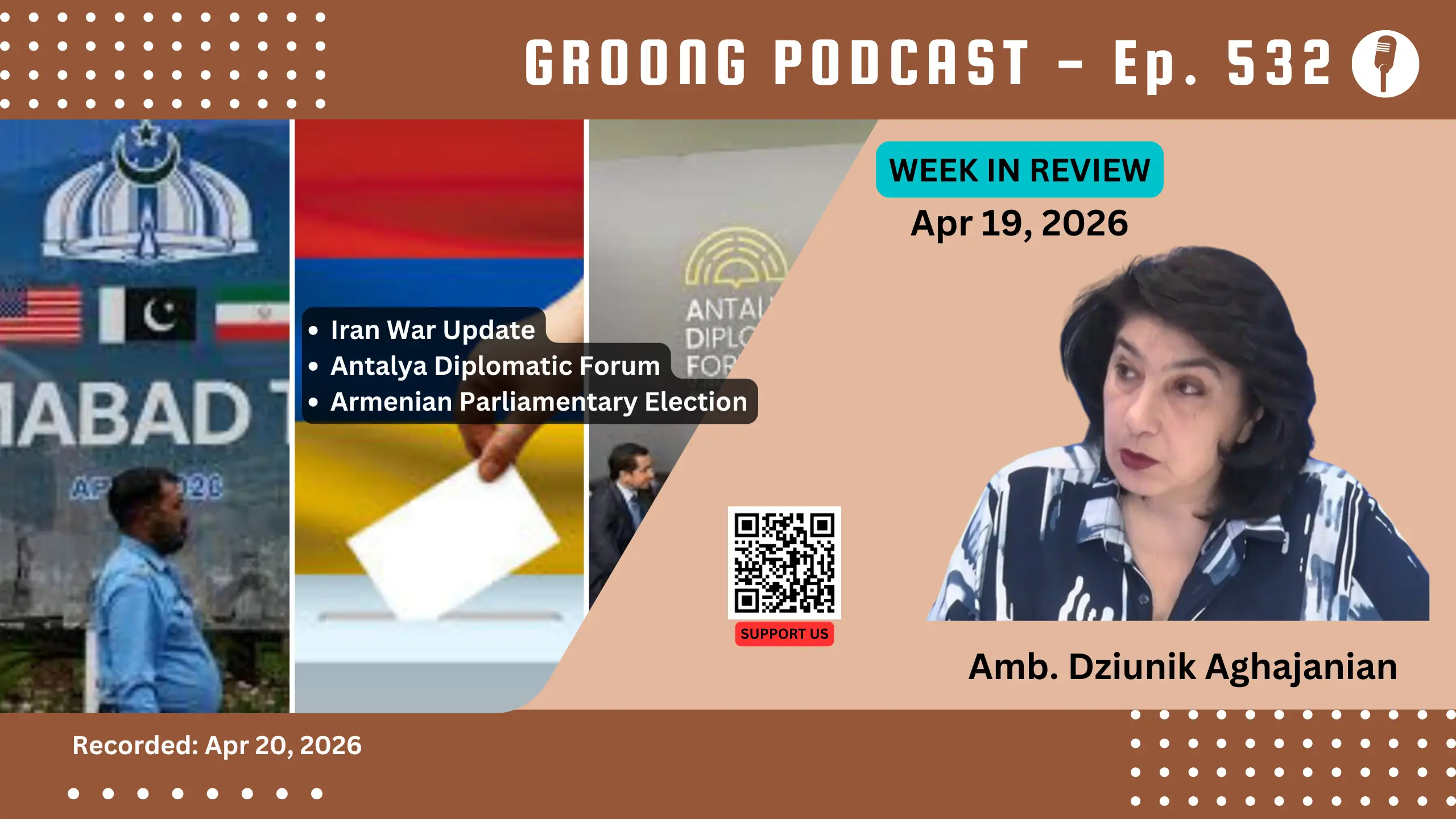
EU Interference and Armenia's 2026 Elections | Ep 543, May 10, 2026 [EP543]
Posted on Sunday, May 10, 2026 | Category: Armenia, Politics, Armenian Church, Nagorno Karabakh, Artsakh Blockade, Russia, Azerbaijan, Iran, Turkey, Georgia, Human Rights, NATO, European Union | Series: cog, video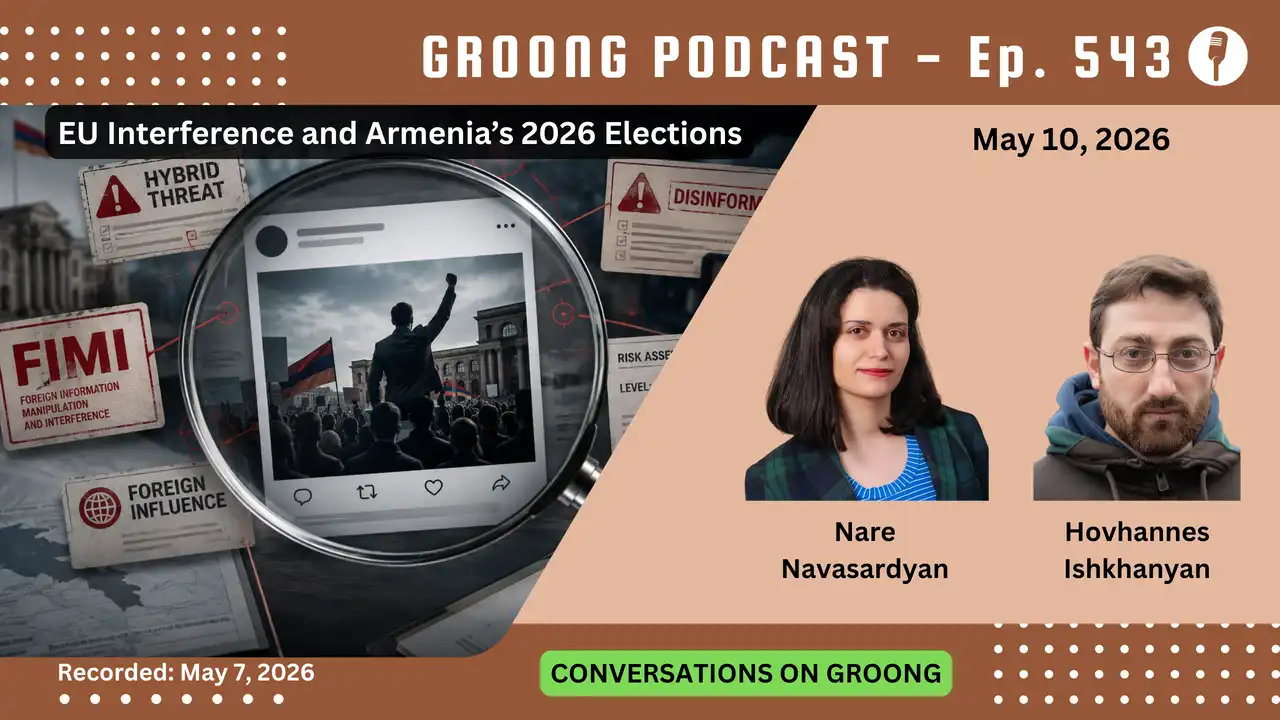
Groong Links:
Guest(s):
Topics:
- EU role in Armenia’s elections
- Fact-checkers and political bias
- Dissent labeled as disinformation
- Lawsuits, pressure, and intimidation
- Censorship and social media control
Episode 543 | Recorded: May 7, 2026
#Armenia #ArmenianElections #EU #Disinformation #FactChecking #Censorship #CivilSociety #FreeSpeech
Show Notes
Summary
Hovhannes Ishkhanyan and Nare Navasardyan discuss the growing role of the EU, fact-checking networks, and counter-disinformation programs in Armenia’s 2026 election environment. The conversation examines claims of foreign interference, the use of “hybrid threats” and “disinformation” labels against domestic dissent, and the political bias of Armenia’s fact-checking ecosystem. The guests also share personal experiences with lawsuits, public confrontation, protest, and censorship, raising broader questions about free speech, election fairness, and the management of Armenia’s information space.Main Topics Addressed
EU Role in Armenia’s Election Environment
- The 8th European Political Community Summit in Armenia
- European praise for Pashinyan ahead of the June 7 vote
- Opposition protests kept away from visiting European leaders
- Hovhannes Ishkhanyan ’s experience being detained near Macron’s visit
- France’s role in promoting Pashinyan’s westward course
- The gap between EU democracy language and its practical support for the incumbent government
EU Funding, Crisis Language, and Election Management
- Amsterdam & Partners LLP’s Interference by Design whitepaper
- The EU’s €300 million package for Armenia before the election
- Claims that EU support follows a “Moldovan-style” intervention model
- The classified Crisis Approach for Armenia document
- The use of “hybrid threats” and FIMI language to reframe domestic dissent
- The Hybrid Rapid Response Team advising Pashinyan’s office
Comparisons With Moldova and Romania
- How EU support was used in Moldova to strengthen pro-EU political forces
- The use of content moderation and intelligence claims in Romania’s election annulment
- Whether Armenia is now being treated as the next case in an EU election-management model
- The role of rapid response systems, NGOs, and platform moderation in shaping pre-election politics
Fact-Checking and Political Bias
- The role of Armenian fact-checking NGOs such as FIP.am
- Allegations that fact-checking groups target opposition voices and Russia-linked narratives while avoiding ruling party disinformation
- Hovhannes and Nare’s “Fact-Checking the Fact-Checkers” monitoring project
- The claim that fact-checking can become narrative enforcement rather than factual correction
- Questions about whether any Armenian fact-checking platforms are truly independent or balanced
Personal Encounters With Fact-Checkers
- Hovhannes Ishkhanyan’s confrontation with FIP.am and other fact-checkers
- The refusal of fact-checkers to answer questions from critics at public events
- The case involving Armen Manvelyan’s statement about American small modular reactors
- Hovhannes’s complaint to the International Fact-Checking Network
- The broader question of who checks the fact-checkers
Lawsuits, SLAPPs, and Legal Pressure
- Hovhannes Ishkhanyan’s experience being sued by Daniel Ioannisian
- The use of libel and slander laws against critics
- SLAPP-style lawsuits as a pressure tool against journalists and activists
- Claims that Armenia’s legal system is being used to silence critics of government-aligned NGOs
- The wider climate of intimidation around political speech
Meta, Social Media, and Censorship
- Facebook and Instagram as key sources of political information in Armenia
- Meta’s outsourcing of fact-checking and content review to local partners
- The role of “trusted flaggers” and platform moderation
- Concerns that fact-checking can reduce reach, hide content, or shape what voters see
- The risk of outsourcing Armenia’s political debate to foreign platforms and aligned NGOs
Key Questions Discussed
- Is Armenia’s 2026 election being decided by Armenian voters, or shaped by outside actors?
- Why is the EU dealing so closely with the incumbent government while avoiding the opposition?
- Was the EPC summit in Yerevan a diplomatic event, or a campaign boost for Pashinyan?
- What does France gain from public support for Pashinyan?
- Where is the EU’s €300 million assistance going, and who benefits from it?
- Why is Armenia being treated through a “crisis” framework by the EU?
- What is the Hybrid Rapid Response Team, and what role does it play inside the Prime Minister’s Office?
- Are terms such as “hybrid threats” and FIMI being used to criminalize dissent?
- Is the Moldovan model becoming the EU’s standard approach to non-member states?
- Who are Armenia’s main fact-checkers, and what political narratives do they reinforce?
- Can fact-checkers be independent if they refuse to engage with critics?
- What does the FIP.am case involving Armen Manvelyan reveal about fact-checking standards?
- How are lawsuits used to pressure critics, journalists, and activists?
- How does Meta’s content moderation system affect Armenian political speech?
- What happens when most public debate flows through platforms controlled by foreign corporations?
References
- INTERFERENCE BY DESIGN: Electoral Integrity, EU Engagement, and the 2026 Parliamentary Elections in Armenia - Amsterdam & Partners LLP whitepaper
- Crisis Approach for Armenia - EU Council document entry
- EU and Armenia sign connectivity partnership, strengthen economic ties and deepen security cooperation
- Strategic Agenda For The EU-Armenia Partnership
- Q&A: Marta Kos wants people to understand enlargement is about security
- Տեղեկատվական դաշտը՝ ընտրություններից առաջ. բևեռացված միջավայր, հիբրիդային սպառնալիքներ - fact-checker conference on hybrid threats
- Aravot.am-ի զրուցակիցը խեղաթյուրել է FIP.am-ի հոդվածը՝ կեղծ պնդումներ անելով
- EXPOSE Network and the Open Information Partnership - Summary
- Tyler Popps post on #OpHMagTrojanHorse
- 2021 Facebook post from Hovhannes Ishkhanyan about sut.am’s involvement
- politik.am coverage of the EXPOSE Network claims
- Wikispooks on EXPOSE Network
- Fact-Checking The Fact Checkers / Փաստերի ստուգման հարթակների ստուգման հարթակ
Wrap-up
Links and Resources
That’s our show , we hope you found it helpful. We invite your feedback and your suggestions, you can find us on most social media and podcast platforms.
Thanks to Laura Osborn for the music on our podcasts.
Guests
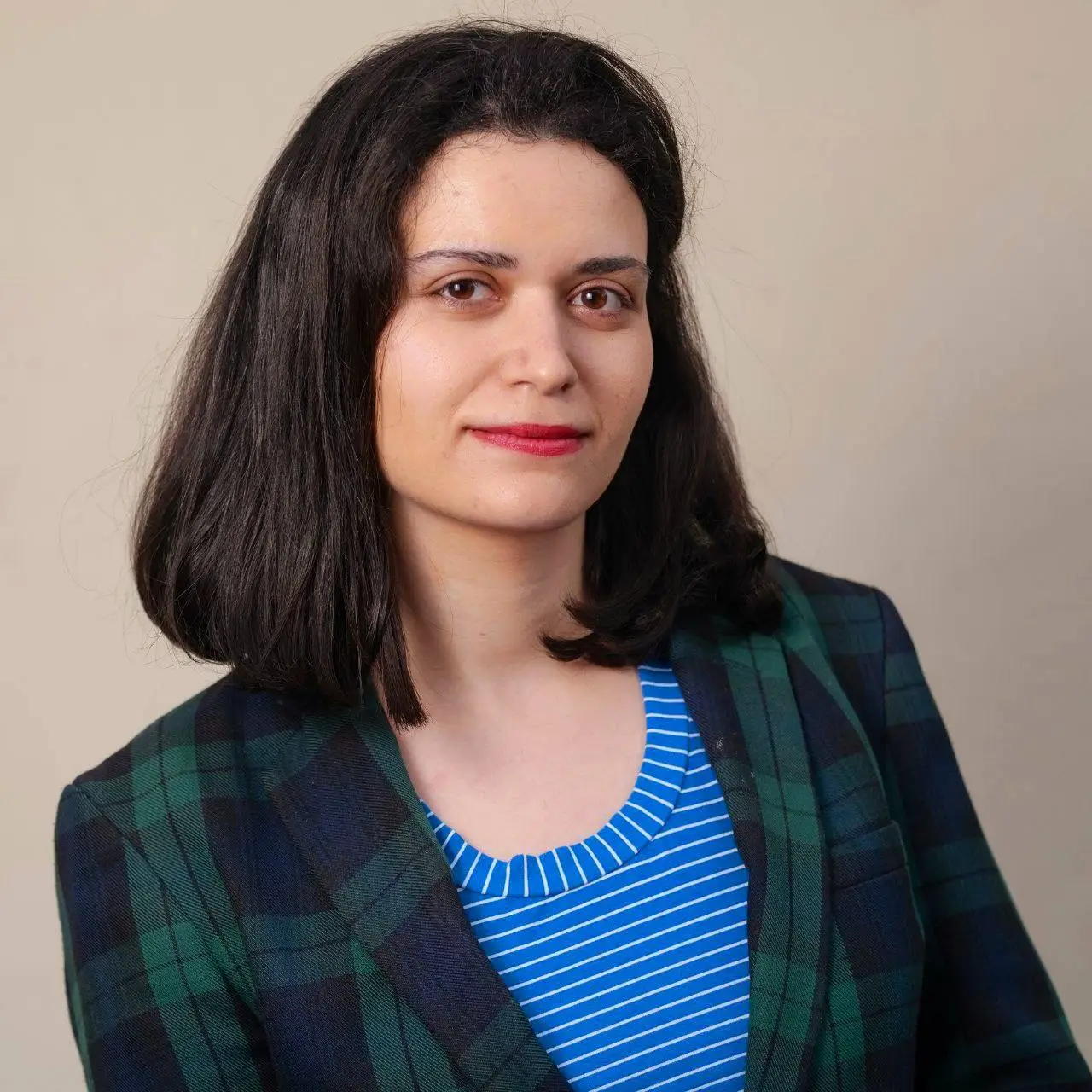
Nare Navasardyan
Nare Navasardyan is a writer, documentary filmmaker, and journalist based in Yerevan. She served as a correspondent for Hairenik Media (2024–2025) and has appeared as a commentator on Sahar TV, RT, and others. She co-founded Eye for an Eye NGO, an artist community in Armenia, and is currently working on a book, Manufactured Defeat: A Material History of Post-2018 Armenia.

Hovhannes Ishkhanyan
Hovhannes Ishkhanyan, writer, documentary filmmaker, publicist, co-founder of Eye for an Eye (Akn Und Akan) , a community of documentarians. Hovhannes has a Master’s in journalism from the Georgian Institute of Public Affairs.
Hosts
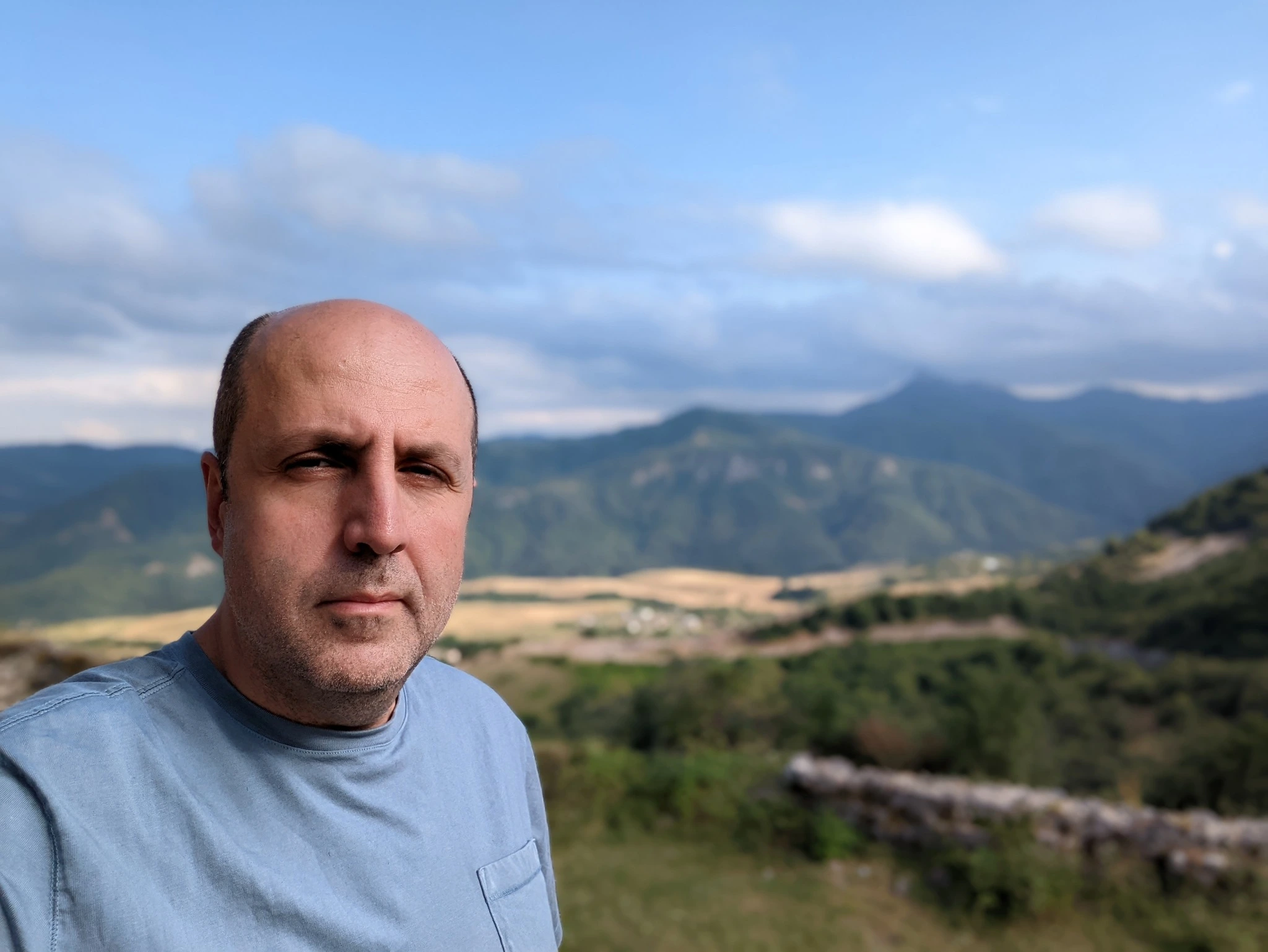
Hovik Manucharyan
Hovik Manucharyan is an information security engineer who moved from Seattle to Armenia in 2022. He co-founded the ANN/Groong podcast in 2020 and has been a contributor to Groong News since the late 1990s.
Disclaimer: The views expressed by Hovik Manucharyan on the ANN/Groong podcast are his own and do not necessarily reflect the opinions of his employer or any other organization.
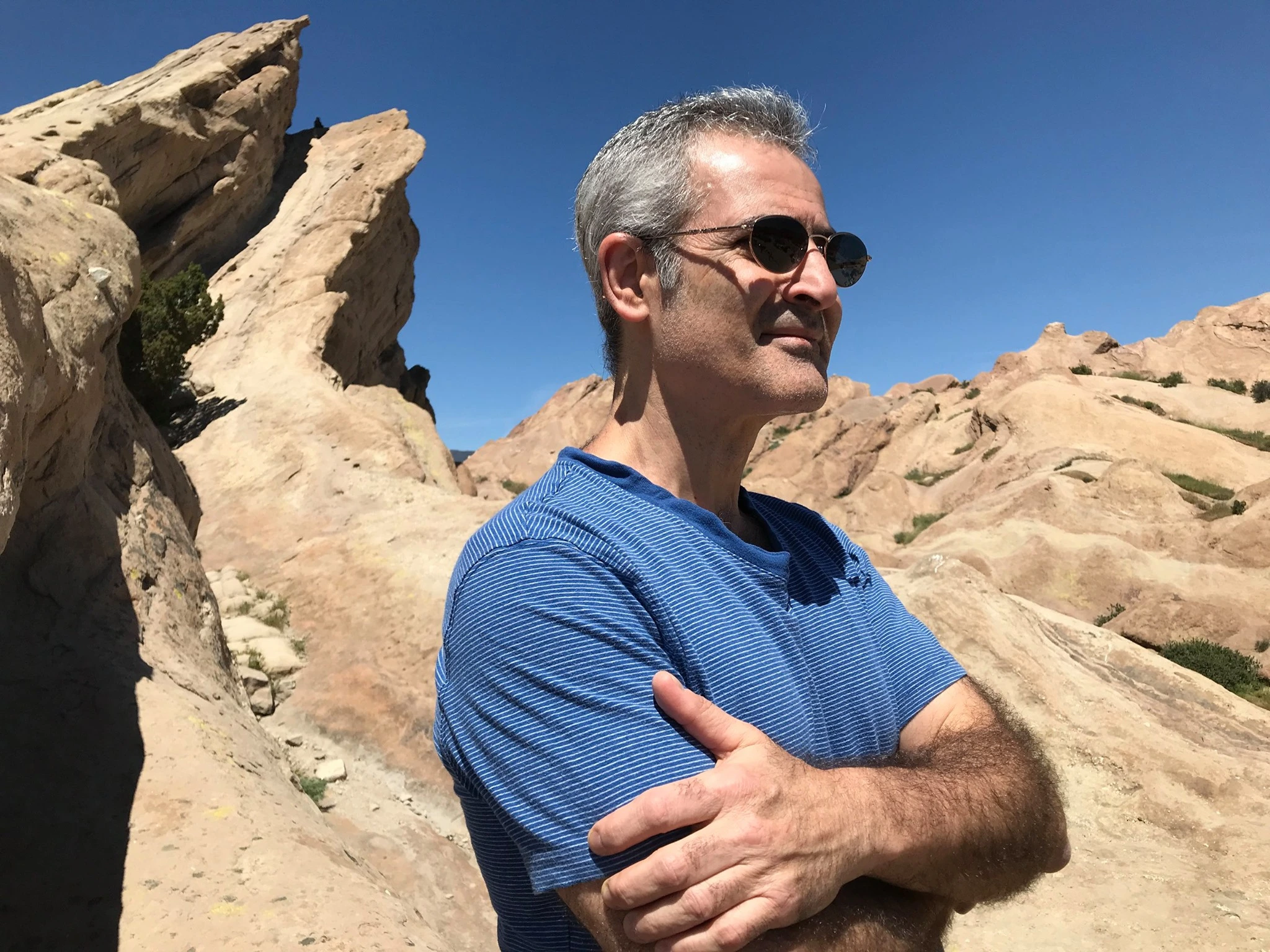
Asbed Bedrossian
Asbed Bedrossian is an IT professional, and for years oversaw the central IT enterprise infrastructure and services at USC. His decades of experience spanned across IT strategy, enterprise architecture, infrastructure, cybersecurity, enterprise applications, data center operations, high performance computing, ITSM, ITPM, and more.
Asbed founded the Armenian News Network Groong circa 1989/1990, and co-founded the ANN/Groong podcast in 2020.