Mikael Darbinian - Armenia’s Borders, TRIPP, and the Price of Weakness | Ep 540, May 6, 2026 [EP540]
Posted on Wednesday, May 6, 2026 | Category: Armenia, Politics, Geopolitics, Armenian News, Azerbaijan, Russia, Turkey, NATO, Iran, Georgia, Artsakh, Nagorno Karabakh, European Union | Series: cog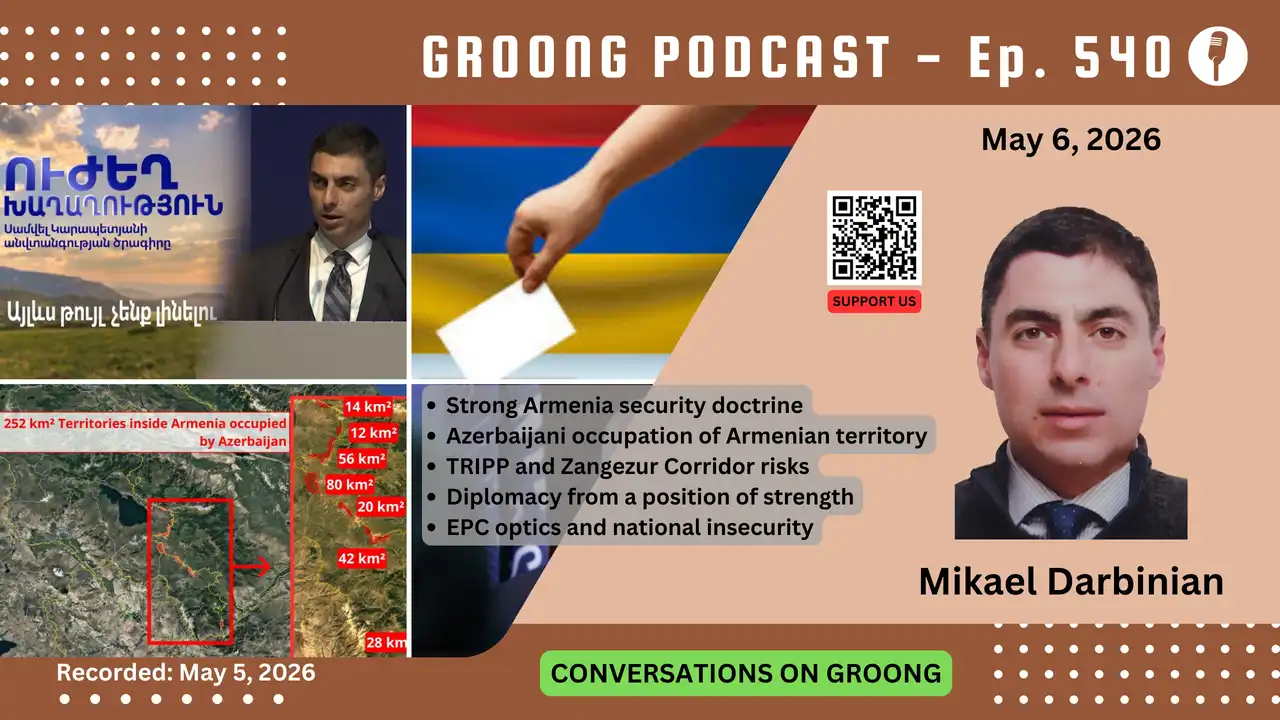
Groong Links:
Guest:
Topics:
- Strong Armenia security doctrine
- Azerbaijani occupation of Armenian territory
- TRIPP and Zangezur Corridor risks
- Diplomacy from a position of strength
- EPC optics and national insecurity
Episode 540 | Recorded: May 5, 2026
#Armenia #Artsakh #StrongArmenia #MikaelDarbinian #TRIPP #ZangezurCorridor #ArmenianSecurity #SouthCaucasus
Show Notes
Summary
This Conversations on Groong episode with Mikael Darbinian examines Armenia’s security crisis through the lens of the Strong Armenia doctrine. The discussion focuses on deterrence, diplomacy from a position of strength, Azerbaijani positions inside Armenia’s sovereign territory, the risks around TRIPP and the Zangezur Corridor, the rights of Artsakh Armenians, regional war scenarios involving Iran, and the gap between international political theater and Armenia’s unresolved national security threats.Main Topics Addressed
- Strong Armenia ’s national security doctrine
- Diplomacy from a position of strength
- Armenia’s current military and political vulnerabilities
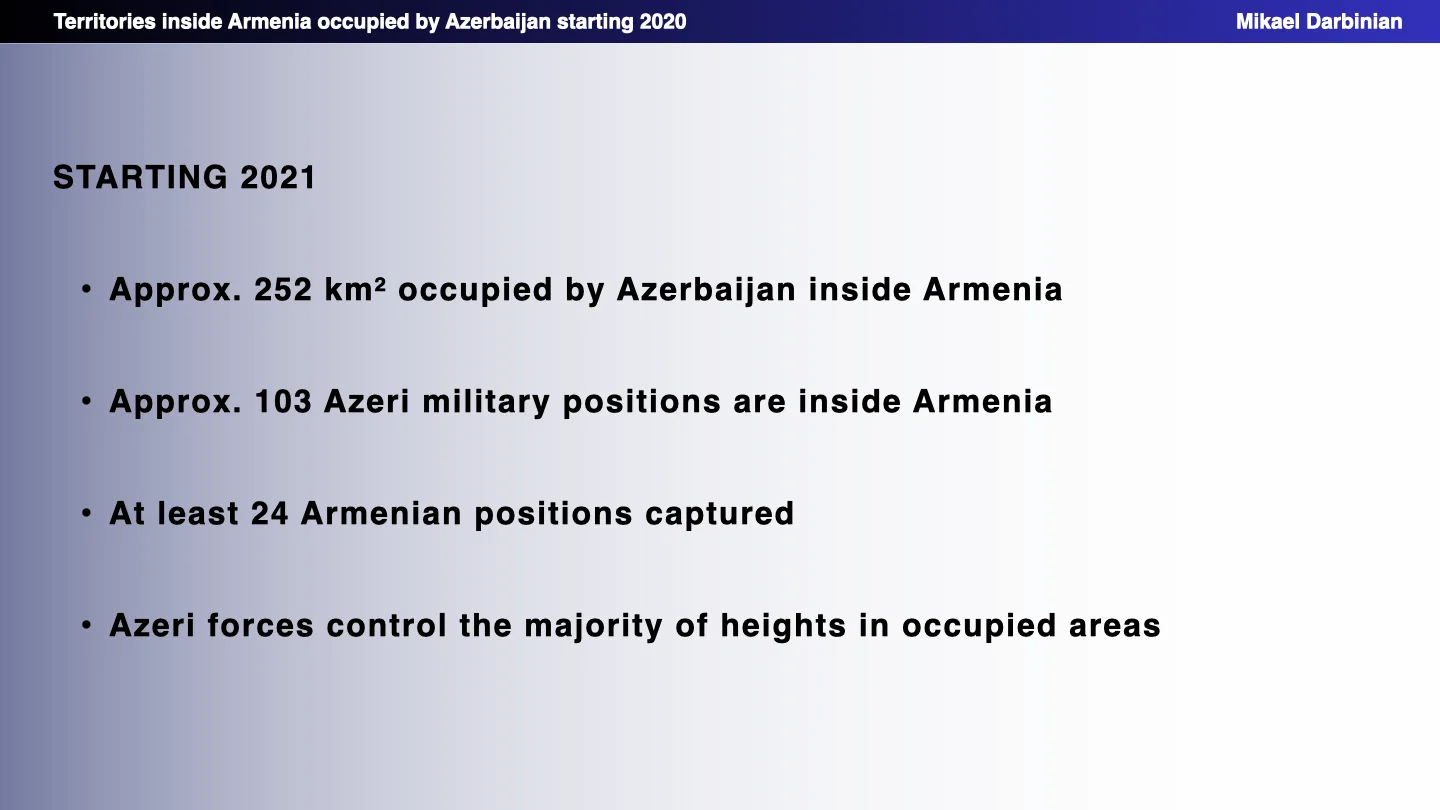
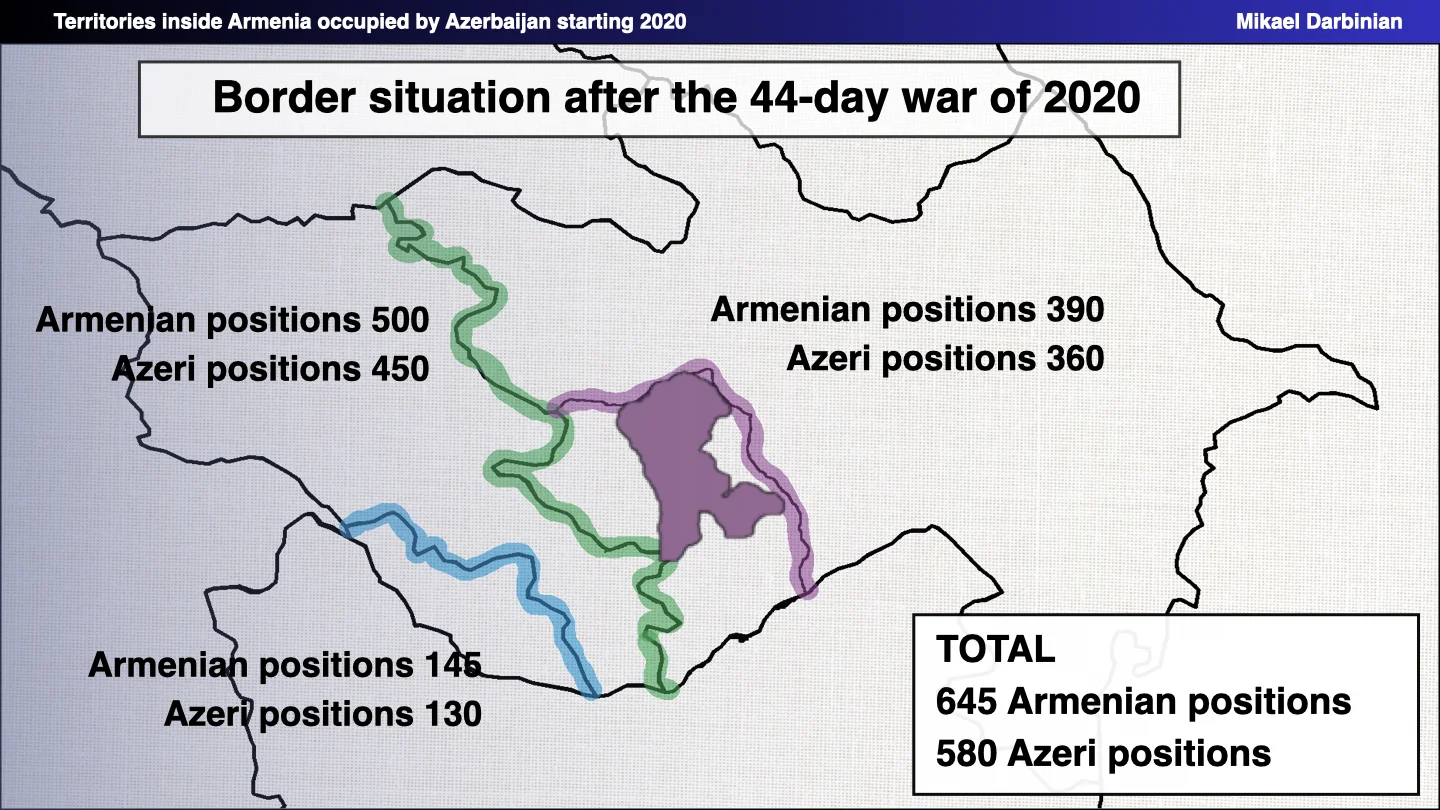
- Azerbaijani positions inside Armenia’s sovereign territory
- Strategic and economic risks for border communities
- Sotq gold mine and border-region insecurity
- TRIPP and the Zangezur Corridor debate
- Built-in security guarantees for regional connectivity
- Rights of Artsakh Armenians
- Threats to Armenian heritage in Artsakh
- Stepanakert Cathedral and Azerbaijan’s cultural destruction
- Armenia’s foreign policy fundamentals
- Regional risks from a wider Iran war
- EPC summit optics and national insecurity
- Election integrity and opposition coalition politics
Key Questions Discussed
- How does Mikael Darbinian ’s background as a former U.S. diplomat shape his view of Armenia’s current vulnerabilities?
- What would a Strong Armenia administration do to rebuild Armenia’s national security system, armed forces, and diplomatic leverage?
- How can Armenia mobilize national potential in a divided political environment?
- What role should the Armenian Diaspora play in rebuilding Armenia’s security capacity?
- What are the strategic implications of Azerbaijani positions inside Armenia’s internationally recognized borders?
- How does the occupation of Armenian territory affect border villages, roads, infrastructure, and local economies?
- What are the risks to operations such as the Sotq gold mine and other border-region assets?
- Is TRIPP a path toward useful regional connectivity, or does it function as the Zangezur Corridor under another name?
- What would real security guarantees for TRIPP require while Azerbaijani forces remain close to the proposed infrastructure?
- How does Strong Armenia’s view of TRIPP differ from Robert Kocharyan ’s proposals?
- What would “sober judgment” and “cold calculations” mean in Armenian foreign policy?
- How should a Strong Armenia-led government handle the rights of Artsakh Armenians?
- How should Armenia prepare for the risk of a wider Iran war, especially one involving Turkey or Azerbaijan?
- How should Armenia respond to Azerbaijan’s destruction of Armenian heritage, including the Stepanakert Cathedral?
- Do high-level summits such as the EPC meeting in Yerevan create real security gains for Armenia, or mostly serve as public relations?
Slides from Mikael Darbinian’s Strong Armenia presentation
Strong Armenia conference presentation video
Slide 1
Slide 2
Slide 3
Slide 4
Slide 5
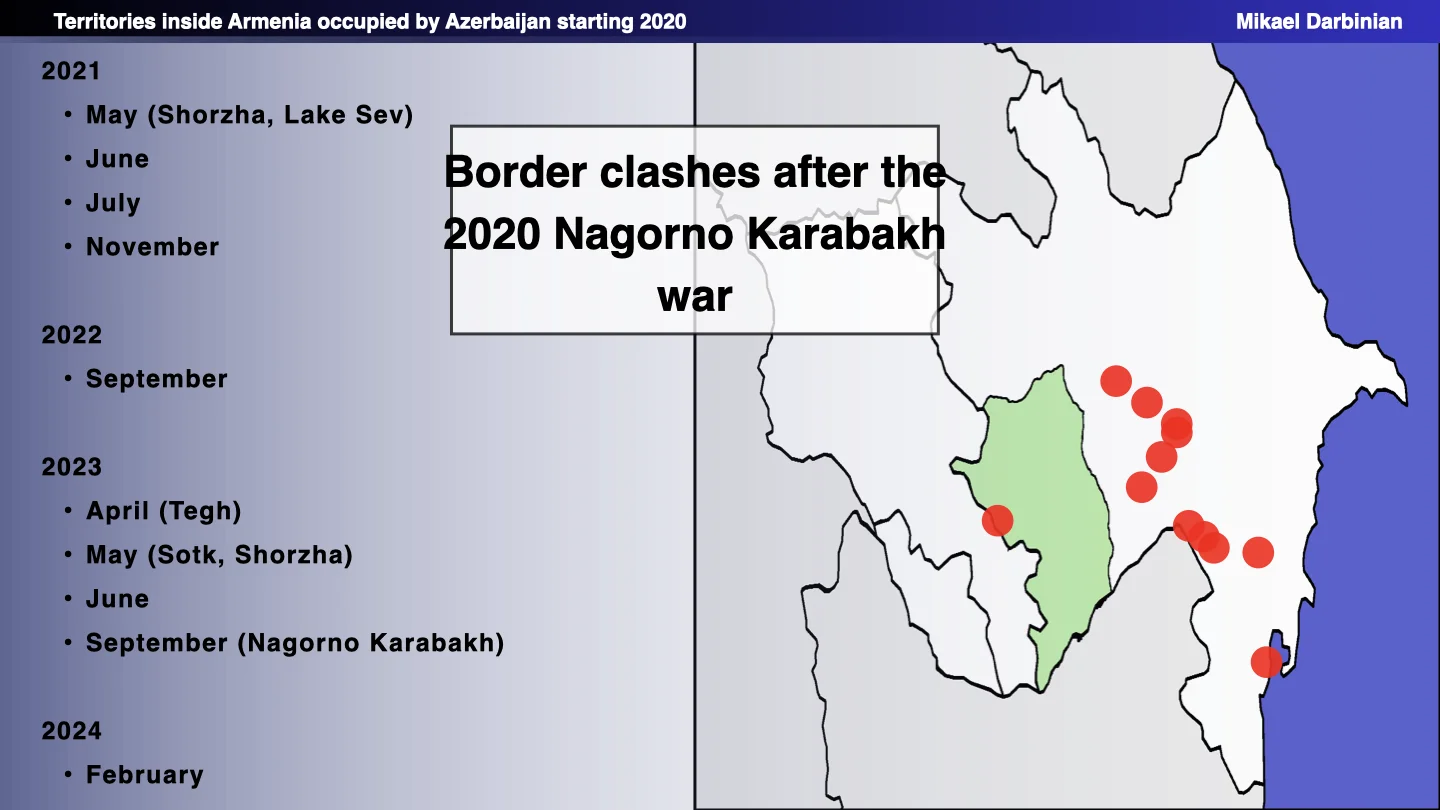
Slide 6
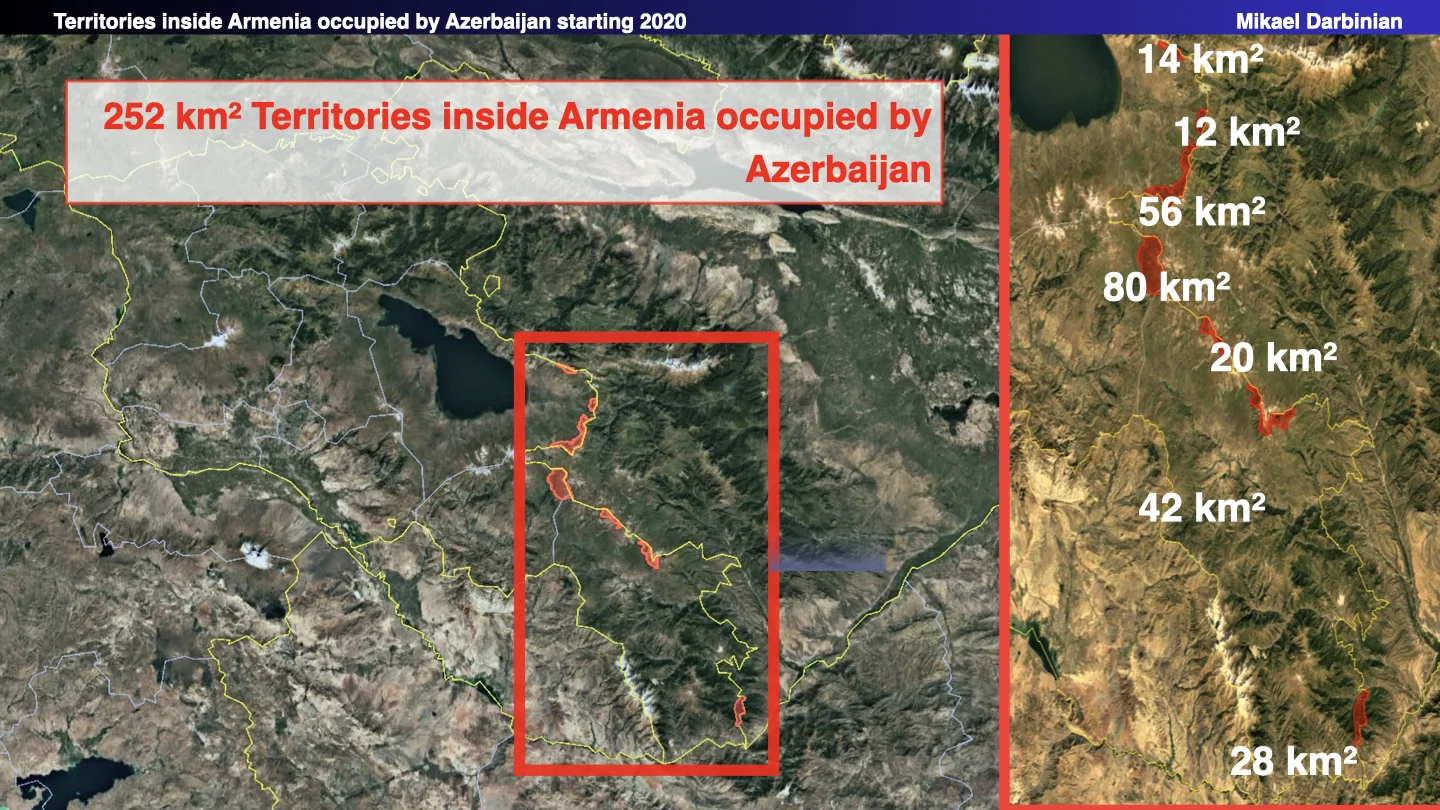
Slide 7
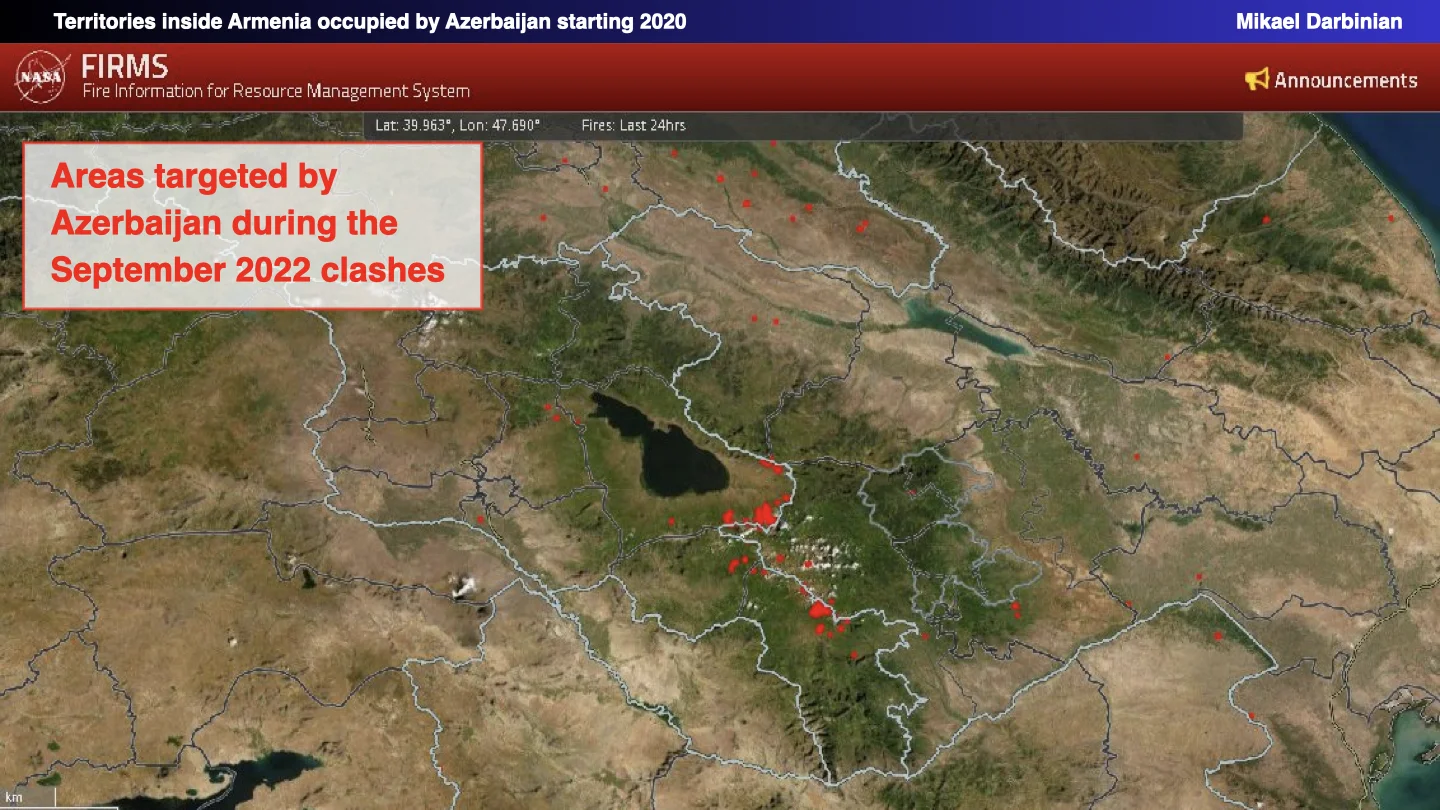
Slide 8
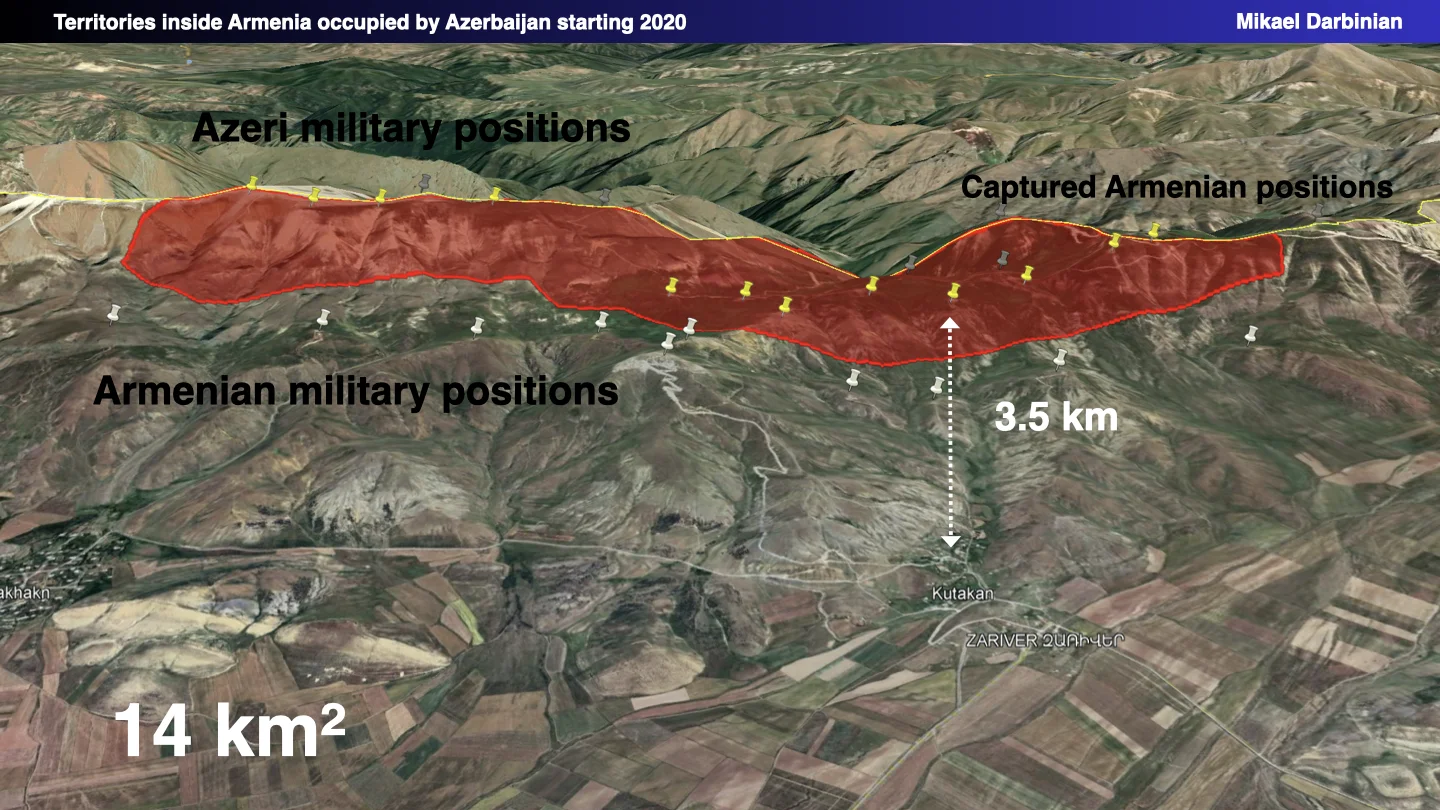
Slide 9
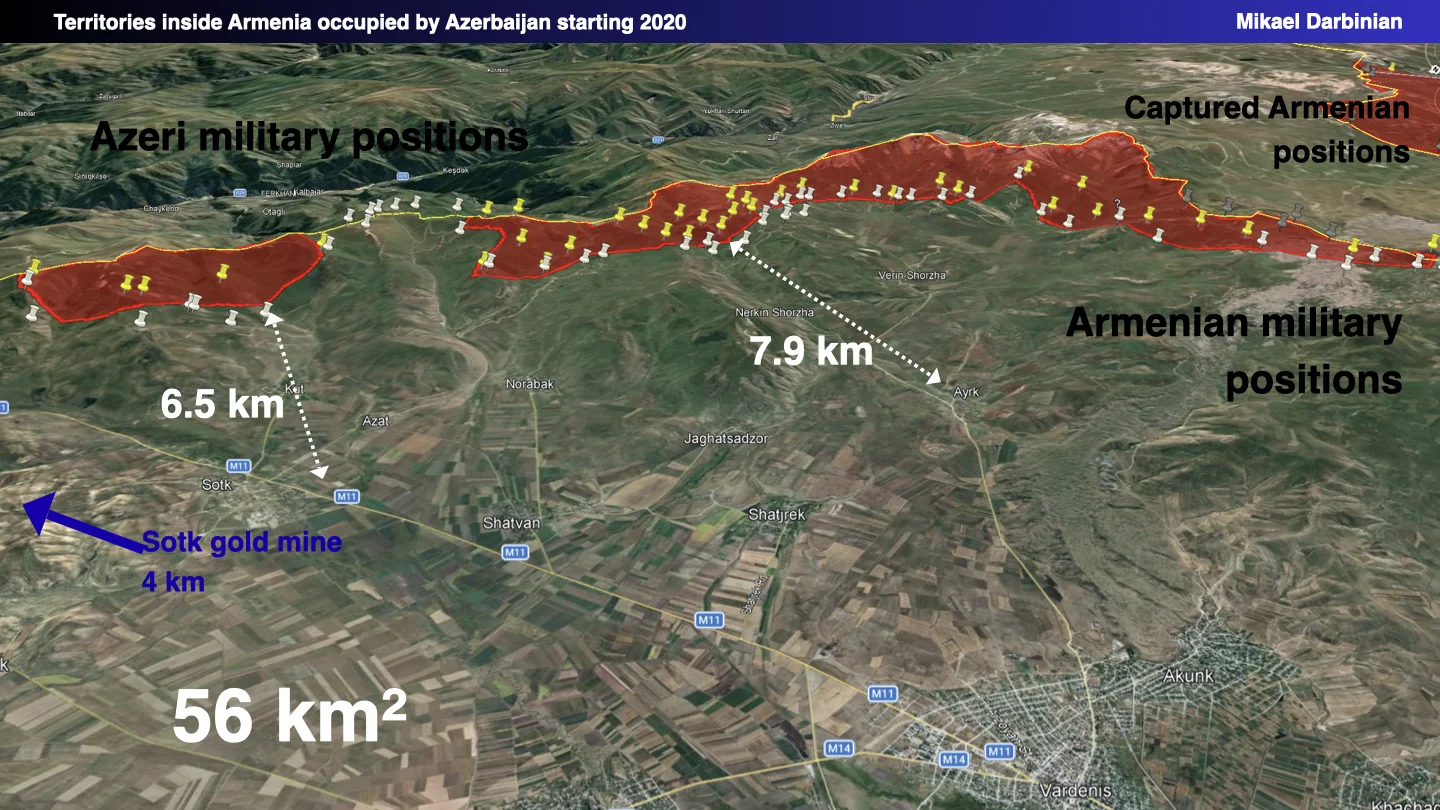
Slide 10
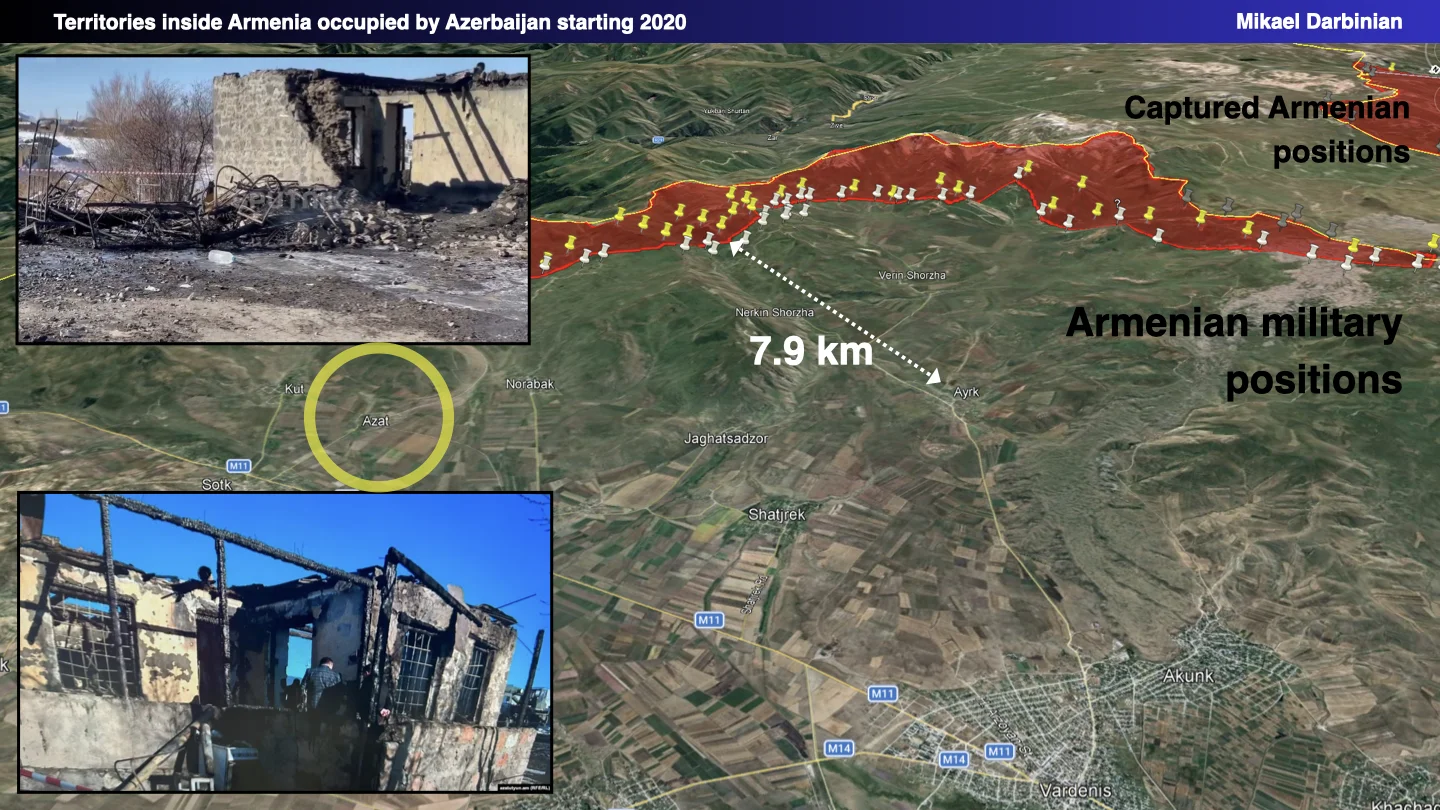
Slide 11
Slide 12
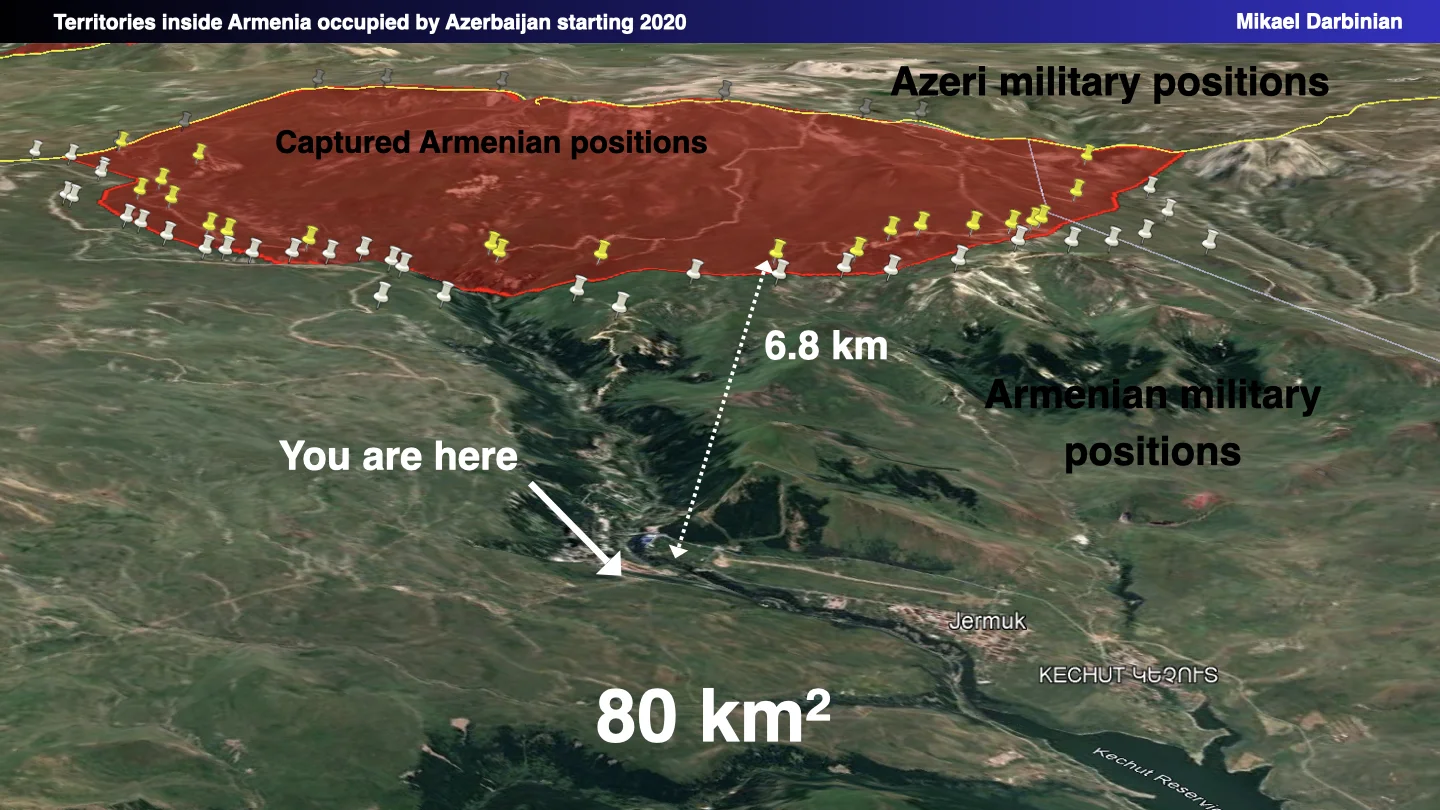
Slide 13
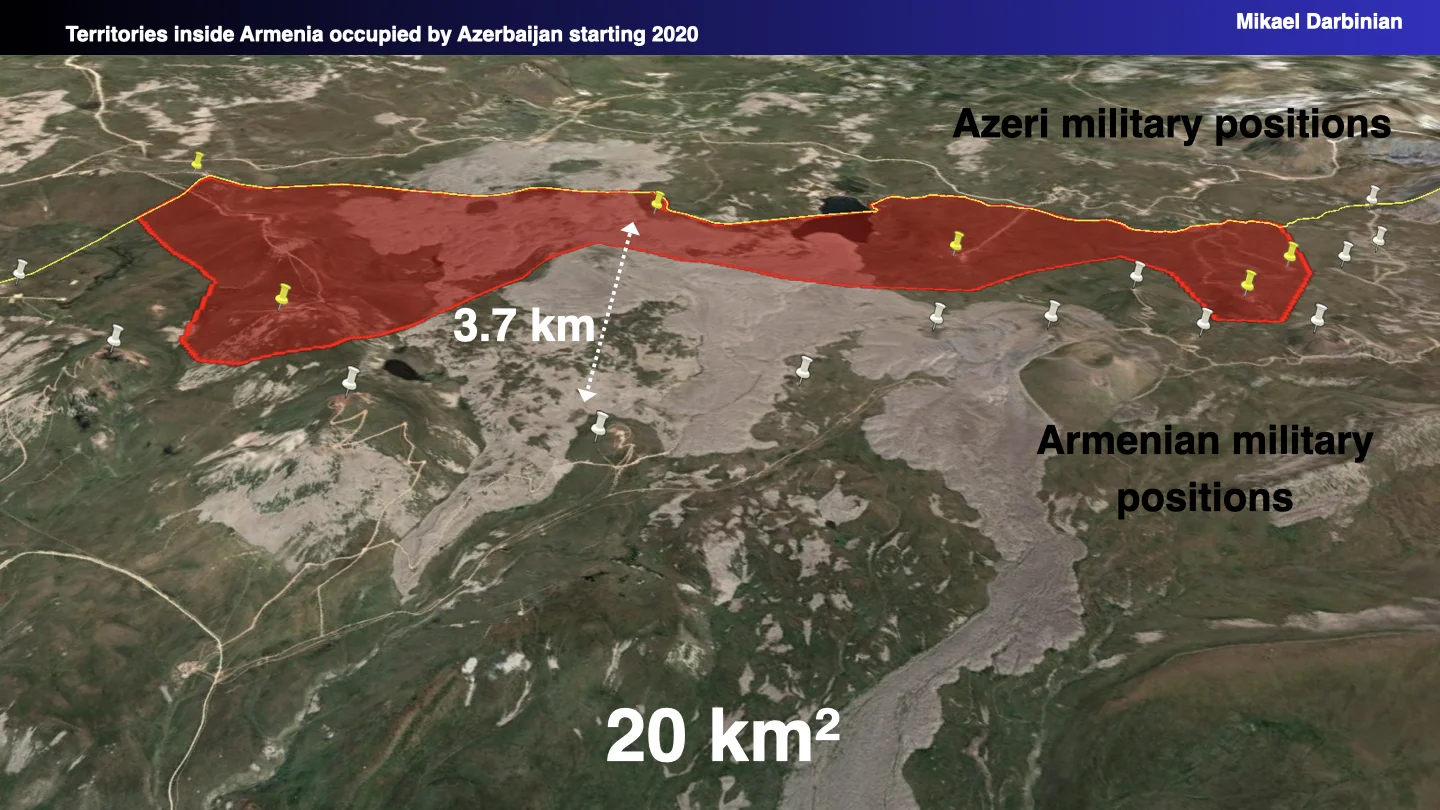
Slide 14
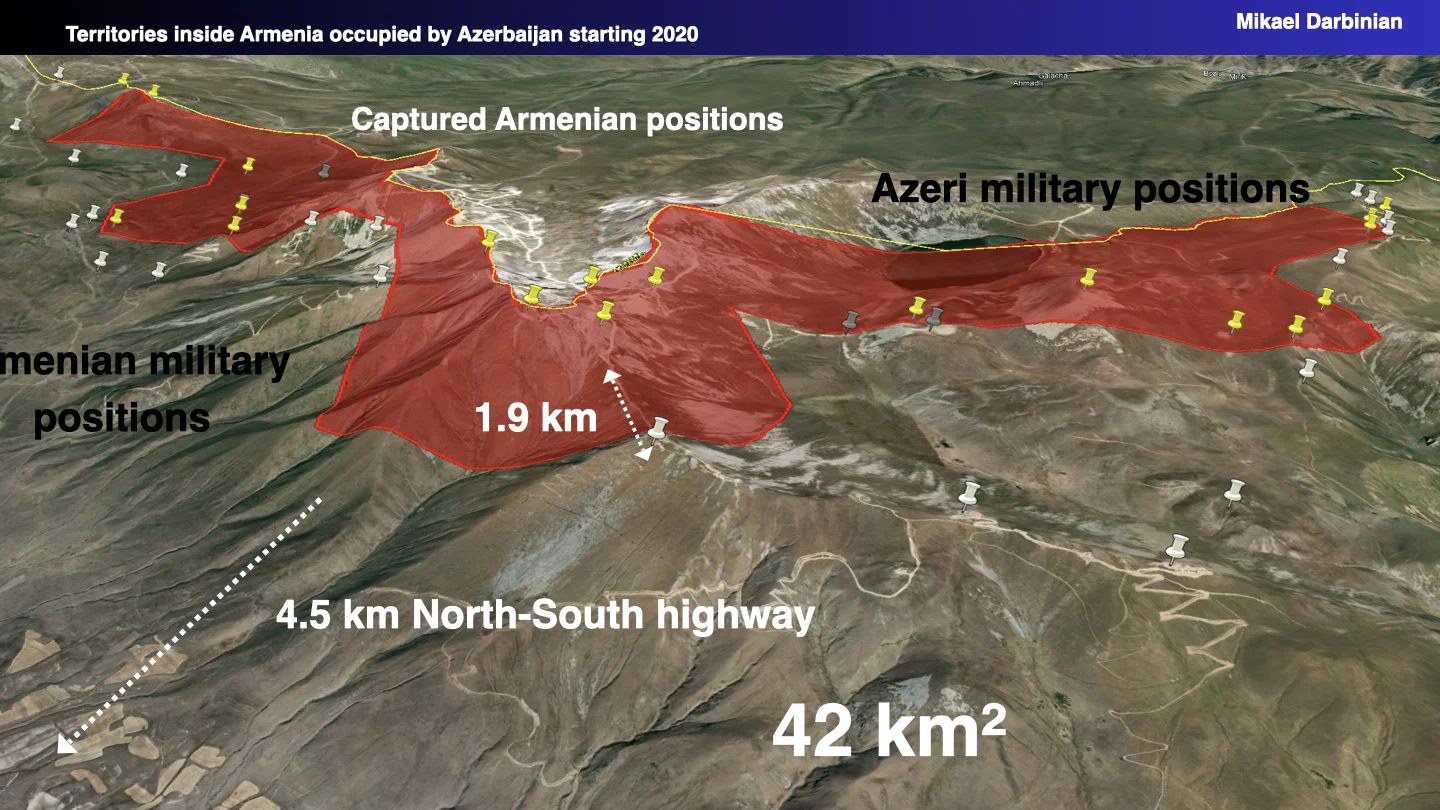
Slide 15
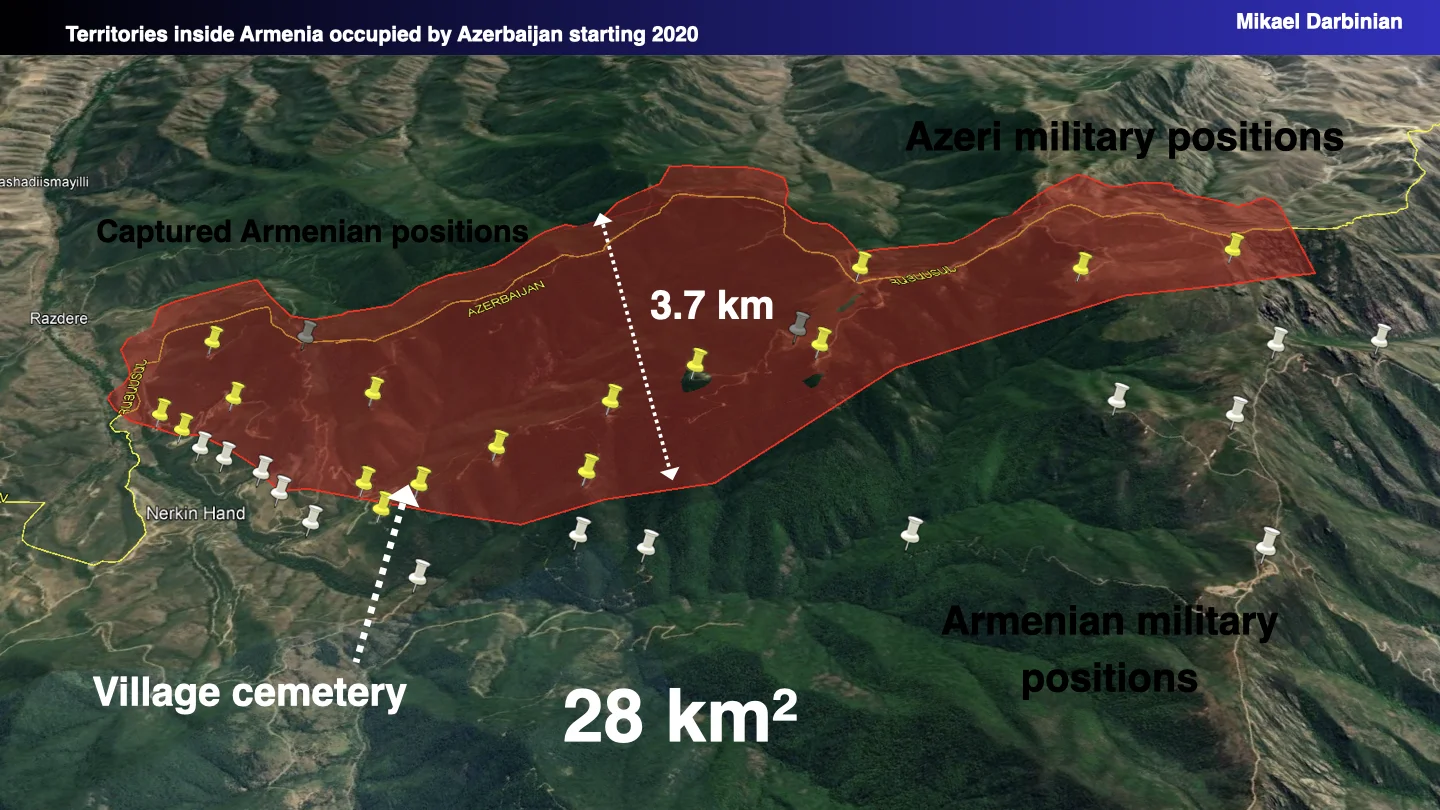
Slide 16
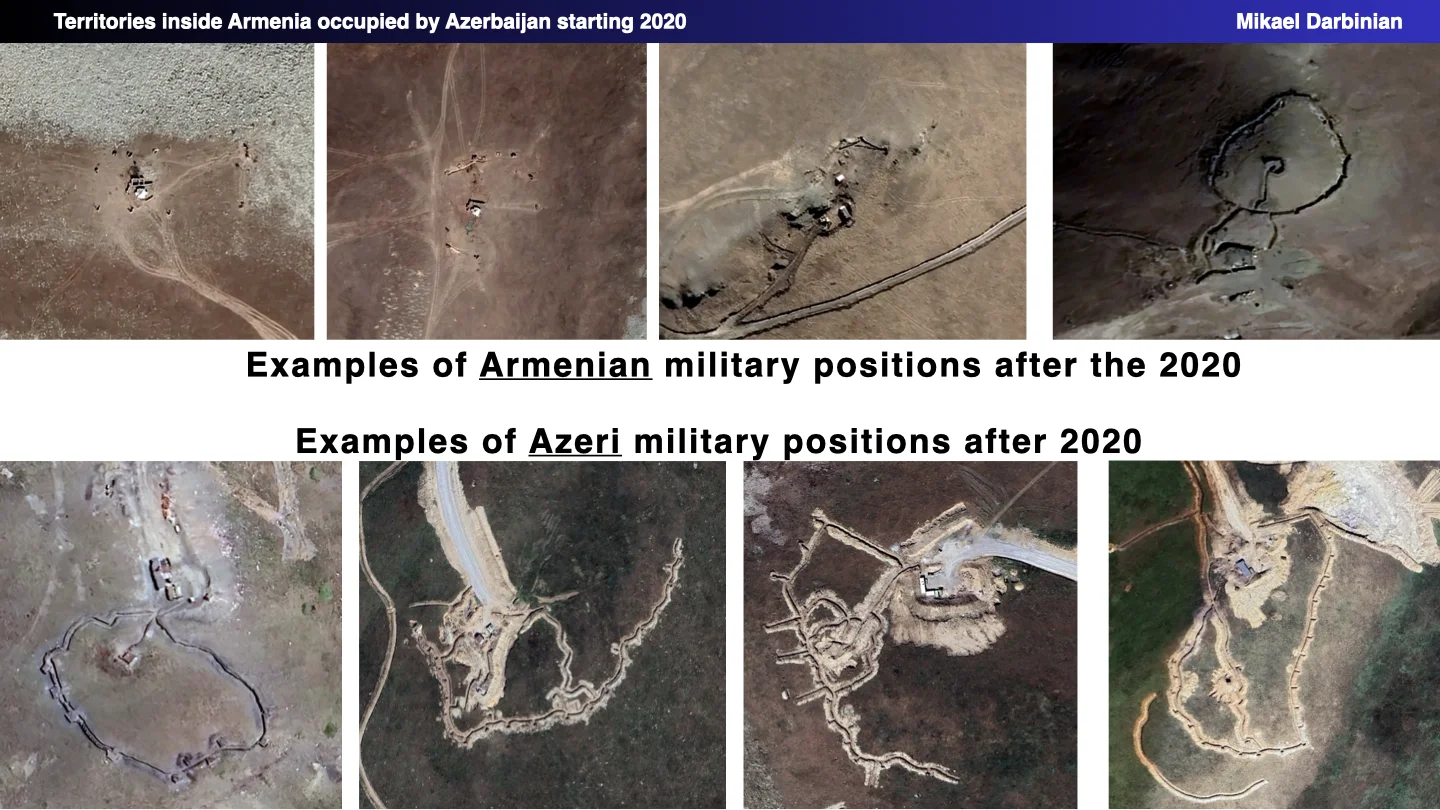
Wrap-up
Links and Resources
That’s our show , we hope you found it helpful. We invite your feedback and your suggestions, you can find us on most social media and podcast platforms.
Thanks to Laura Osborn for the music on our podcasts.
Guests

Mikael Darbinian
Mikael Darbinian is a political scientist and former US diplomat, having served at the US embassies in Argentina and Russia as vice-Consul. He is the founder of Security Observer: Expert voices from the Global South, graduated from Madrid’s Complutense University, has lived and worked in eight countries.
Darbinian is currently (2026) a private security consultant for the Strong Armenia party with Samvel Karapetyan.
Hosts
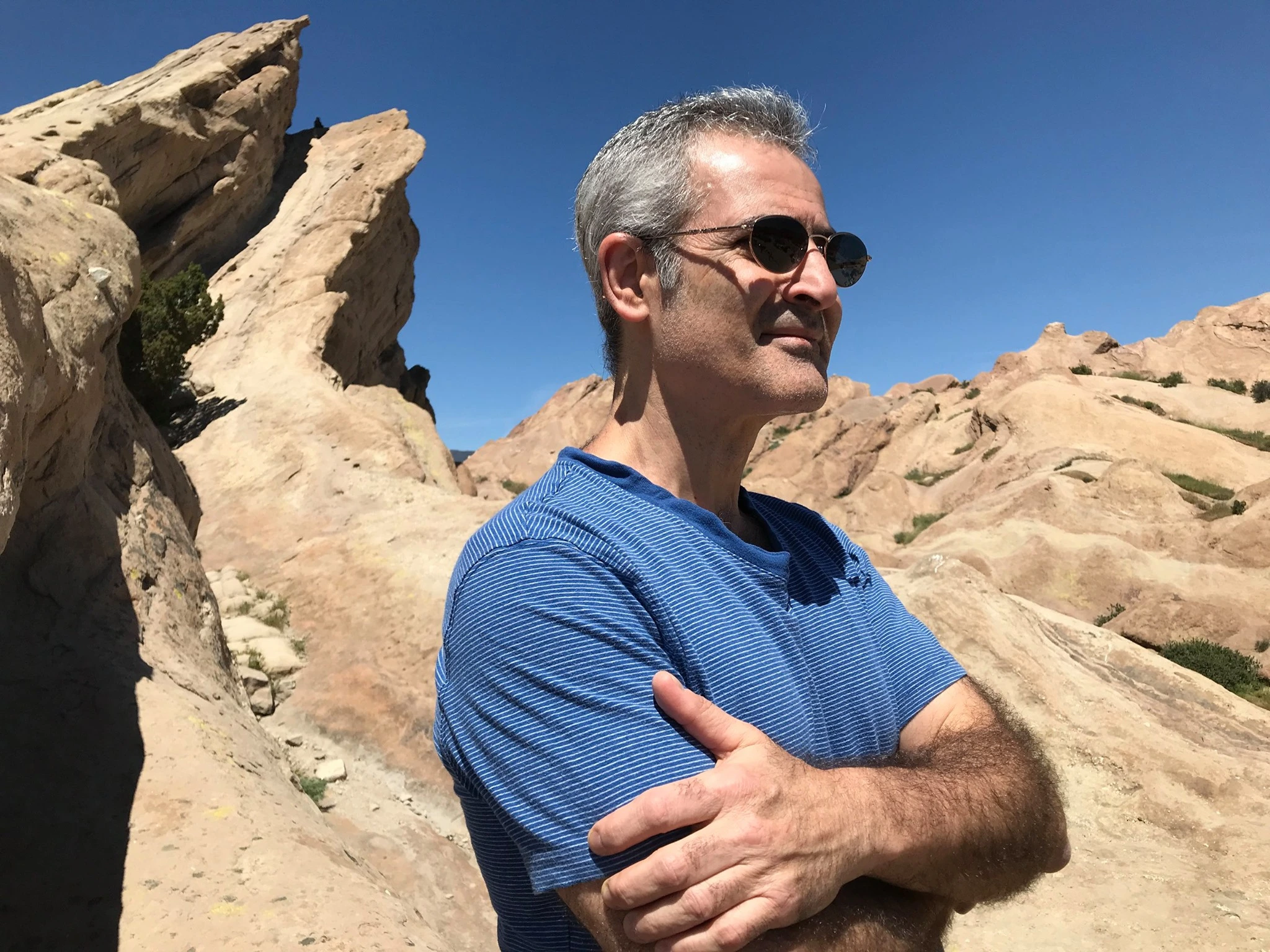
Asbed Bedrossian
Asbed Bedrossian is an IT professional, and for years oversaw the central IT enterprise infrastructure and services at USC. His decades of experience spanned across IT strategy, enterprise architecture, infrastructure, cybersecurity, enterprise applications, data center operations, high performance computing, ITSM, ITPM, and more.
Asbed founded the Armenian News Network Groong circa 1989/1990, and co-founded the ANN/Groong podcast in 2020.
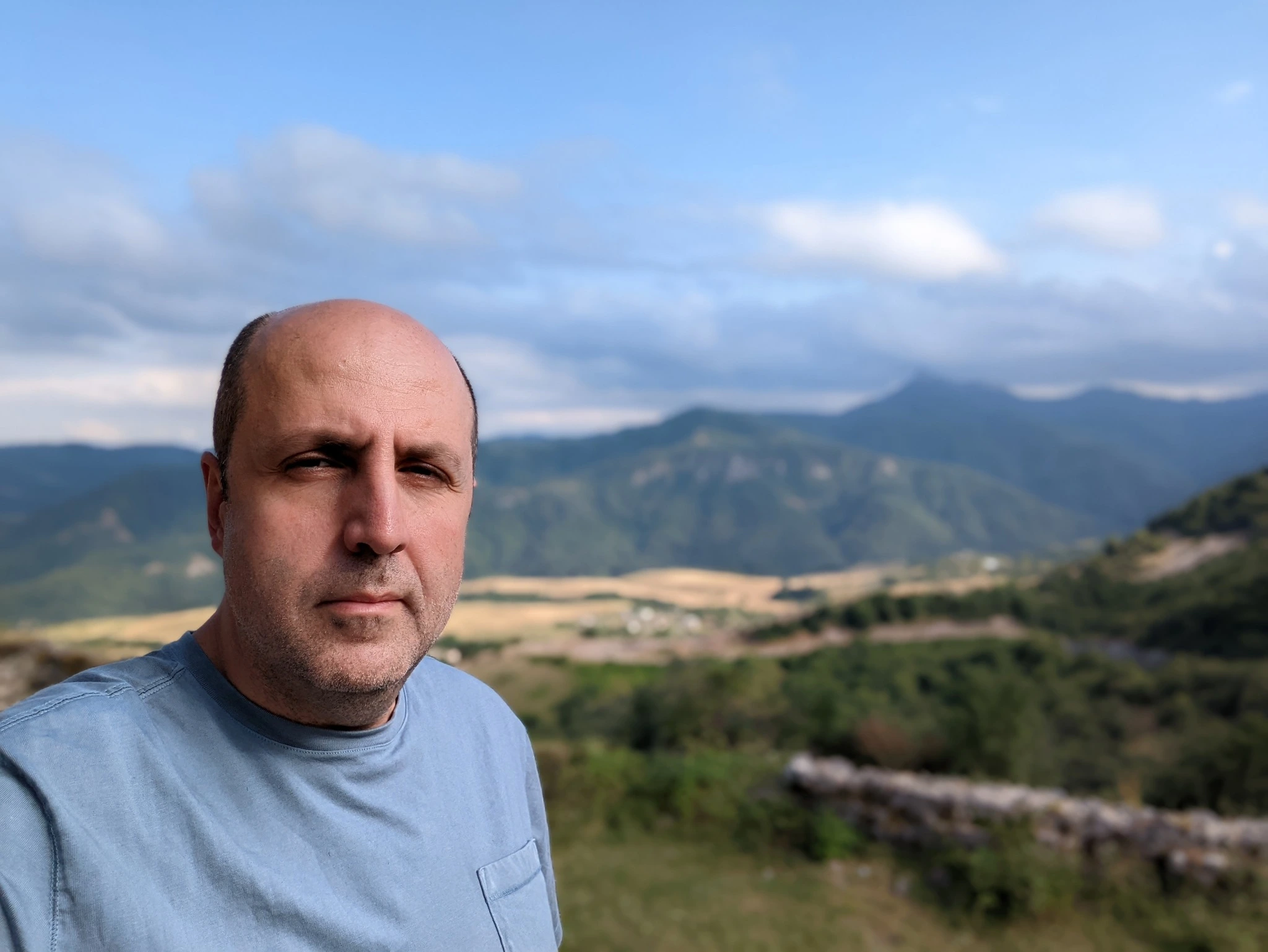
Hovik Manucharyan
Hovik Manucharyan is an information security engineer who moved from Seattle to Armenia in 2022. He co-founded the ANN/Groong podcast in 2020 and has been a contributor to Groong News since the late 1990s.
Disclaimer: The views expressed by Hovik Manucharyan on the ANN/Groong podcast are his own and do not necessarily reflect the opinions of his employer or any other organization.