Dziunik Aghajanian - Iran War, Antalya Diplomatic Forum, Armenian Parliamentary Elections | Ep 532, Apr 19, 2026 [EP532]
Posted on Tuesday, Apr 21, 2026 | Category: Iran, Armenia, Politics, USA, Israel, Azerbaijan, Turkey, Russia, Artsakh, Nagorno Karabakh, Georgia, Armenian Church, Artsakh Blockade, China, NATO | Series: wir, video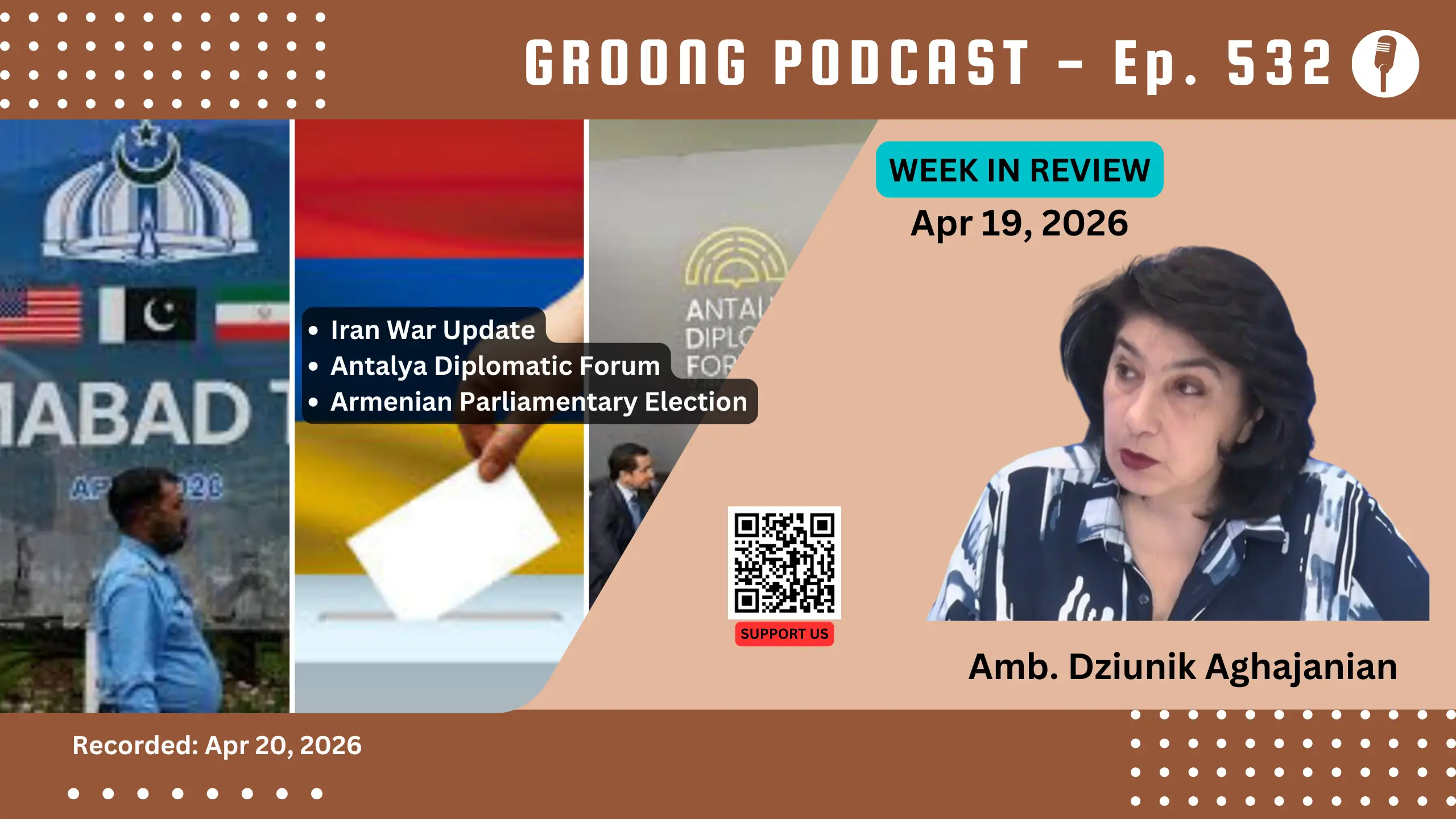
Groong Links:
Guest:
- Amb. Dziunik Aghajanian
Topics:
- Iran War Fears
- June Parliamentary Elections
- Attacks on the Armenian Church
Episode 532 | Recorded: April 20, 2026
#Armenia #Iran #IranWar #Hormuz #ArmeniaElections #SouthCaucasus
Show Notes
Summary
In this Week in Review episode, Ambassador Career Diplomat Dziunik Aghajanian discusses the stalled Iran negotiations after the Islamabad talks, the renewed pressure around Hormuz and the naval blockade , Turkey’s posture toward Israel and the region; Armenia’s lower-profile participation in the Antalya Diplomatic Forum; Russia’s shifting rhetoric on TRIPP and the South Caucasus; and the June 7 parliamentary election in Armenia, including constitutional changes, border concessions, the gas pipeline rerouting issue, and the use of surveillance and arrests against opposition figures.
Main Topics Addressed
- The state of the Iran war after the Islamabad talks and why the ceasefire path remains unstable.
- Whether Washington is using talks to buy time and reload for a later phase of war.
- Pakistan’s role as a mediator, and the wider roles of Russia and China in containing escalation.
- Iran’s resilience in the war and what that could mean for the future of TRIPP.
- Armenia’s downgraded participation at the Antalya Diplomatic Forum and what that may say about Pashinyan’s election posture.
- Hikmet Hajiyev’s rhetoric about “outside powers,” and Russia’s harder line on TRIPP after Pashinyan’s Moscow visit.
- What leverage Russia still has in the South Caucasus, especially in economic, military, and energy terms.
- Pashinyan’s demand for a constitutional majority and what it suggests about post-election plans.
- The secrecy around Armenia’s draft constitution and the pressure tied to Azerbaijani and Turkish demands.
- The proposed relocation of the Armenia-Georgia gas pipeline and its link to territorial concessions.
- The arrests, mass surveillance, and bribery accusations targeting opposition figures ahead of the parliamentary vote.
- Whether European officials will ignore democratic backsliding in order to keep backing Pashinyan.
Key Questions Discussed
- Why did the Islamabad process fail to produce a durable agreement?
- Does the United States want a real settlement, or only a pause on its own terms?
- Can Pakistan still play a useful mediating role in this conflict?
- How far can Russia and China support Iran without becoming direct participants?
- If Iran comes out of this war intact, what happens to TRIPP and the broader corridor plan?
- Why did Armenia avoid high-level participation in Antalya this year?
- Is Turkey withholding symbolic support from Pashinyan because it no longer needs to help him electorally?
- Why are Azerbaijan and Russia both shifting their rhetoric around outside interference and corridor politics?
- Why does Pashinyan insist on a constitutional majority rather than just an ordinary electoral win?
- What is being hidden in the draft constitution, and why is it being withheld until after the election?
- Is the gas pipeline rerouting tied to future border or territorial concessions?
- What does it mean when the ruling party says it will not allow the opposition to come to power?
- Are the arrests and surveillance aimed at enforcing the law, or removing Strong Armenia from real contention?
- Will the EU continue to treat Pashinyan as a democratic partner despite the evidence of repression?
Referenced Articles & Sources
- Erdogan threatens military action against Israel, MK calls him a “megalomaniacal dictator”
- “Just Like We Entered Karabakh”: Erdogan Threatens Military Action Against Israel
- Presidential aide: We must resolve problems together with our regional partners
- Russia invokes the Treaty of Turkmenchay in warning over TRIPP
- Russia announces plans tied to reconstruction in occupied Artsakh
- Azerbaijan and Russia settle the AZAL issue
- Relocation of the Armenia-Georgia gas pipeline
- Arrests and bribery accusations involving opposition figures
- Part of gas pipeline supplying Armenia with Russian gas via Georgia to be relocated
- Armenia Seeks Gas Pipeline Reroute Via Georgia
- 5.5 km Georgian section of Russian gas pipeline to Armenia to be relocated
Wrap-up
Don’t forget to support us:
That’s our show ! We hope you found it useful. Please find us on Social Media and follow us everywhere you get your Armenian news.
Thanks to Laura Osborn for the music on our podcasts.
Guests
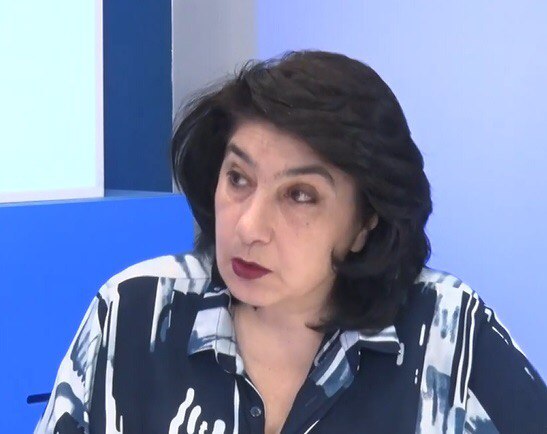
Dziunik Aghajanian
Ms. Dziunik Aghajanian has served Armenia through the ranks of the Ministry of Foreign Affairs, and most recently as a diplomat, as Armenia’s Ambassador to such countries as the Netherlands, Malaysia, and Indonesia. She received her education at Yerevan State University, Columbia University in NY, and Uppsala University in Sweden.
Hosts

Asbed Bedrossian
Asbed Bedrossian is an IT professional, and for years oversaw the central IT enterprise infrastructure and services at USC. His decades of experience spanned across IT strategy, enterprise architecture, infrastructure, cybersecurity, enterprise applications, data center operations, high performance computing, ITSM, ITPM, and more.
Asbed founded the Armenian News Network Groong circa 1989/1990, and co-founded the ANN/Groong podcast in 2020.
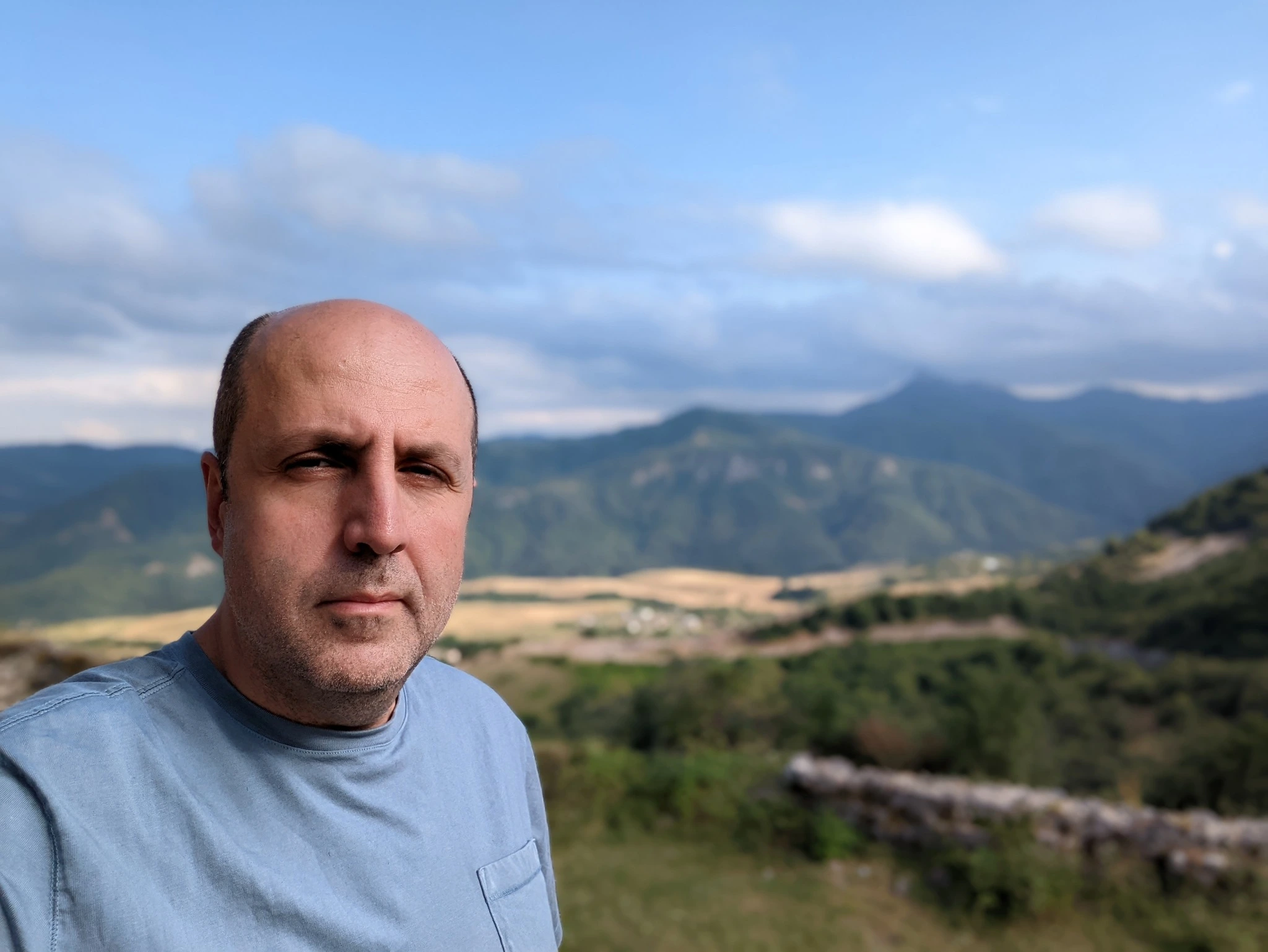
Hovik Manucharyan
Hovik Manucharyan is an information security engineer who moved from Seattle to Armenia in 2022. He co-founded the ANN/Groong podcast in 2020 and has been a contributor to Groong News since the late 1990s.
Disclaimer: The views expressed by Hovik Manucharyan on the ANN/Groong podcast are his own and do not necessarily reflect the opinions of his employer or any other organization.