Yerevan
Last updated: June 11, 2026
Yerevan is Armenia’s capital and largest city, with a population of approximately 1.1 million in the metropolitan area. Founded in 782 BCE, it is one of the world’s oldest continuously inhabited cities. Located in the Ararat Valley roughly 44 kilometers west of the Azerbaijan border, Yerevan is home to Republic Square, the Armenian National Museum, Etchmiadzin Cathedral, and numerous universities, theaters, and cultural institutions. The city serves as Armenia’s economic engine, housing the country’s major businesses, media outlets, and educational centers. Key government institutions—the National Assembly (parliament), presidential residence, and government ministries—are located in central Yerevan, making it the seat of state power and the venue where major policy decisions affecting Armenia’s relationship with Azerbaijan , Russia , the United States , Iran , and Turkey are formulated and announced.
Yerevan’s Republic Square remains a symbolic center of Armenian national life, and the surrounding neighborhoods host universities, cultural institutions, and media outlets that shape public discourse on war, peace, and Armenia’s geopolitical alignment.
Yerevan has been the epicenter of Armenia’s major political upheavals since independence in 1991. The so-called Velvet Revolution in 2018 centered on mass protests in Yerevan’s streets against Robert Kocharyan and resulted in Nikol Pashinyan ascending to power. Since then, the city has witnessed successive cycles of protest and state crackdown: street demonstrations against the 2020 ceasefire agreement following the 44-Day War , opposition rallies during Pashinyan’s tenure, and most recently, state pressure on the Armenian Church and arrests of opposition figures ahead of the June 7, 2026 parliamentary elections. Yerevan’s geography and political institutions make it the arena where Armenia’s foreign policy commitments, including negotiations over the Armenia-Azerbaijan Peace Process , commitments to TRIPP (Trump Route for International Peace and Prosperity), and Armenia’s shifting relationship with CSTO membership are debated, contested, and implemented.
The city’s role in Armenia’s current geopolitical predicament is direct and unavoidable. Yerevan’s proximity to the Azerbaijani border and its status as Armenia’s sole major urban center mean that security threats, blockade pressure, and territorial demands all converge on decisions made within the capital’s government buildings. During the Iran War beginning in early 2026, Yerevan became a site of intense diplomatic activity as foreign officials visited to signal American intentions regarding the TRIPP corridor, regional alignment, and Armenia’s relationship with Washington. The city’s parliament elected in June 2026 will determine whether Armenia continues Pashinyan’s course of concessions to Azerbaijan and the West, or whether opposition forces can halt further territorial or sovereignty losses. As such, developments in Yerevan invariably reflect and shape the choices available to Armenia as a state caught between Russia , an increasingly assertive Azerbaijan, a destabilized Iran, and a United States pursuing its own strategic interests in the South Caucasus.
Groong episodes that include this tag
Below are all Groong episodes tagged with Yerevan.
Benyamin Poghosyan - Armenia Azerbaijan Negotiations | US Armenia NSC Advisors Meet | MPG Poll on Current Afaairs | Ep 268 - July 9, 2023 [EP268]
Posted on Monday, Jul 10, 2023 | Category: Armenia, Politics, Artsakh, Nagorno Karabakh, Azerbaijan, Artsakh Blockade, Armenian Genocide, Russia, Turkey, Ukraine, Iran, Israel, European Union, NATO, China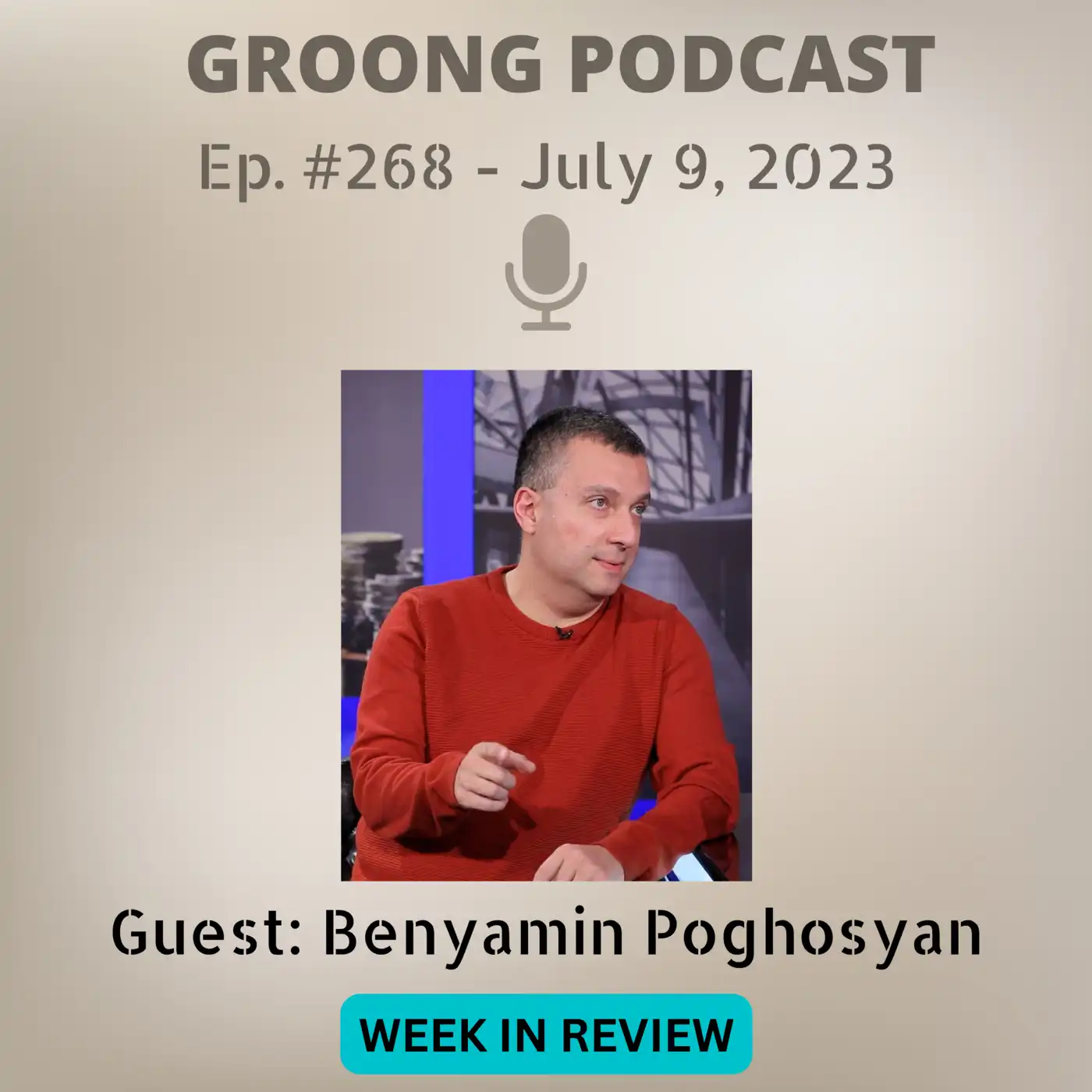
Guest:
Topics:
- Armenia Azerbaijan Negotiations
- US, Armenian NSC Advisors Meet
- New MPG Poll
- Haya-Qve [.am]
Episode 268 | Recorded: July 10, 2023
Artsakh Blockade Flash Update with Gev Iskajyan - Ep 267, July 7, 2023 [EP267]
Posted on Friday, Jul 7, 2023 | Category: Politics, Artsakh, Nagorno Karabakh, Armenia, Azerbaijan, USA, Artsakh Blockade, Russia, Iran, Israel | Series: artsakhblockade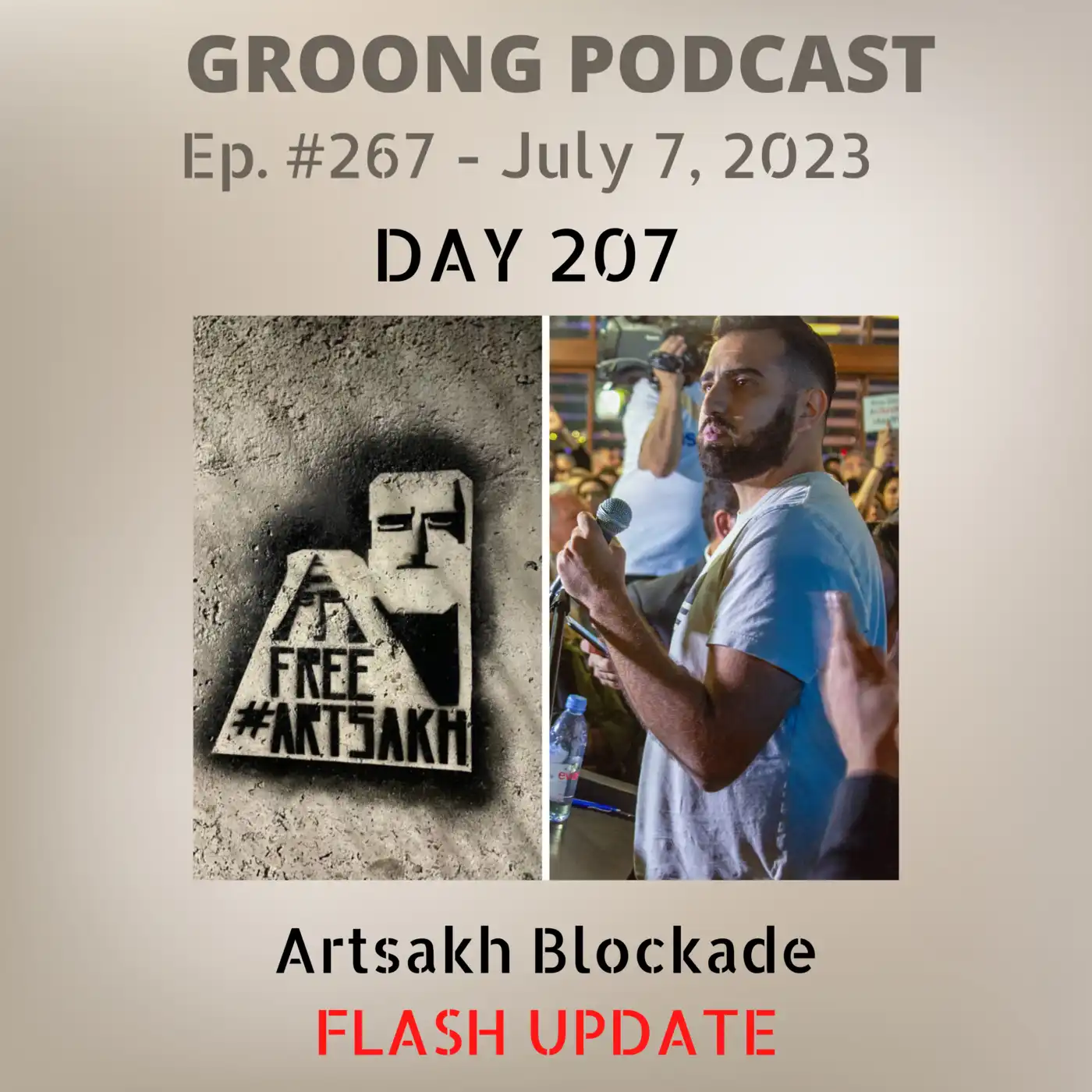
Artsakh Blockade Flash Update with Gev Iskajyan - Ep 267, July 7, 2023
Armenian News Network Groong - July 7, 2023
Guest:
Topics:
- Catastrophic Situation in Artsakh - Gegham Stepanyan
- Zakharova Confirms Conditions, Calls on Azerbaijan to Drop Blockade
- Hakari video fiasco - Pashinyan propaganda?
- Azeri preconditions to Baku-Stepanakert talks
- ANCA supported NDAA resolutions in US Congress
Episode 267 | Recorded: July 7, 2023
Artsakh Blockade Flash Update with Gev Iskajyan - Ep 267, July 7, 2023 [EP267]
Posted on Friday, Jul 7, 2023 | Category: Politics, Artsakh, Nagorno Karabakh, Armenia, Azerbaijan, USA, Artsakh Blockade, Russia, Iran, IsraelArtsakh Blockade Flash Update with Gev Iskajyan - Ep 267, July 7, 2023
Armenian News Network Groong - July 7, 2023
Guest:
Topics:
- Catastrophic Situation in Artsakh - Gegham Stepanyan
- Zakharova Confirms Conditions, Calls on Azerbaijan to Drop Blockade
- Hakari video fiasco - Pashinyan propaganda?
- Azeri preconditions to Baku-Stepanakert talks
- ANCA supported NDAA resolutions in US Congress
Episode 267 | Recorded: July 7, 2023
Arthur G Martirosyan - Armenia Azerbaijan Negotiations Continue | Self-Determination for Artsakh | Hayaqve [.am] [EP266]
Posted on Tuesday, Jul 4, 2023 | Category: Armenia, Artsakh, Politics, Nagorno Karabakh, Azerbaijan, Turkey, Russia, Artsakh Blockade, European Union, Georgia, Ukraine, Genocide, Human Rights, India, Iran, Middle East, NATO | Series: wir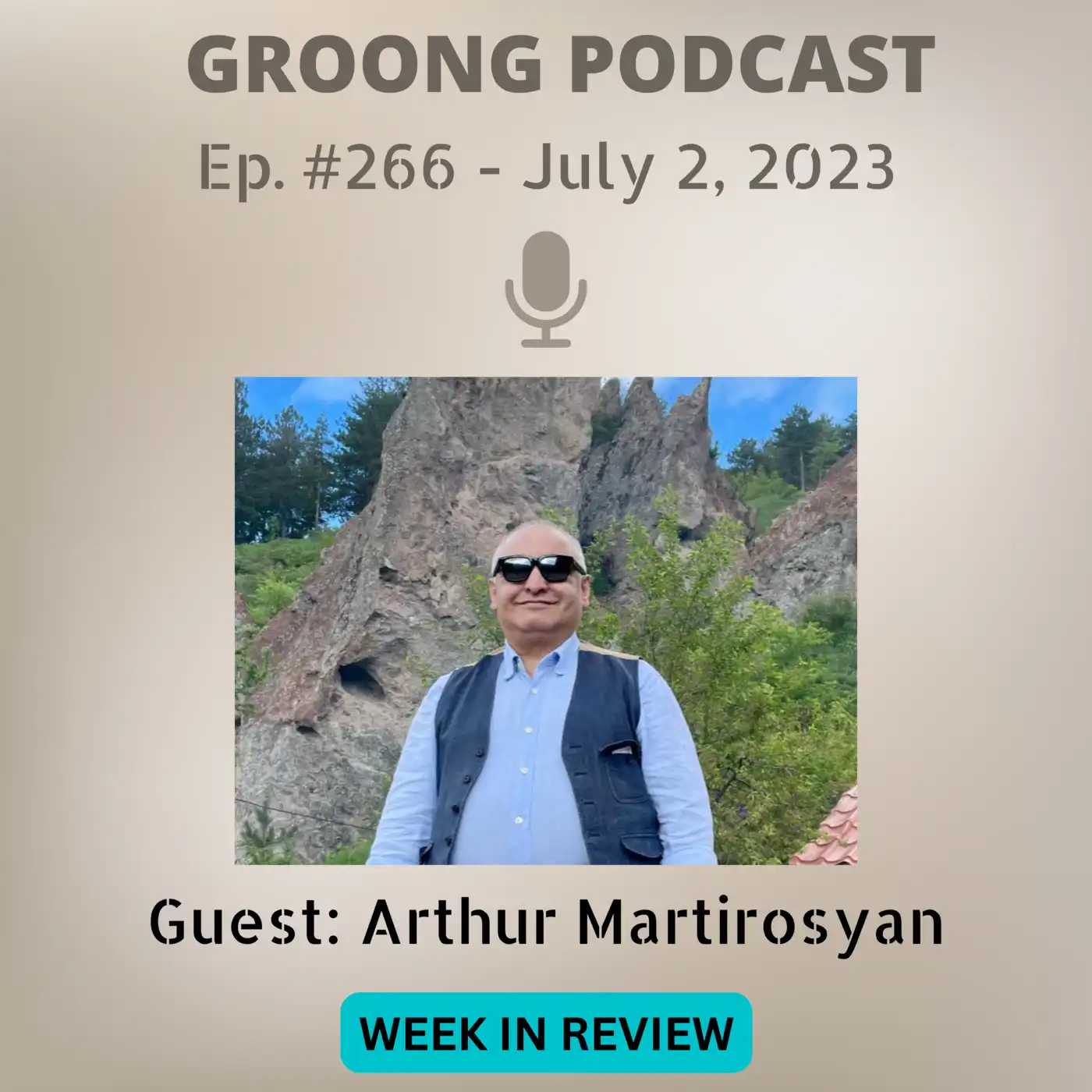
Guest:
Topics:
- Armenian Azerbaijan Negotiations Continue
- Negotiations in DC: chances of progress
- Vartan Oskanian on negotiations
- Rights and Security
- Self-Determination for Artsakh
- Border Demarcation
- No Unblocking or Guarantees
- Hayaqve.am
- Rants
Episode 266 | Recorded: July 4, 2023
Arthur G Martirosyan - Armenia Azerbaijan Negotiations Continue | Self-Determination for Artsakh | Hayaqve [.am] [EP266]
Posted on Tuesday, Jul 4, 2023 | Category: Armenia, Artsakh, Politics, Nagorno Karabakh, Azerbaijan, Turkey, Russia, Artsakh Blockade, European Union, Georgia, Ukraine, Genocide, Human Rights, India, Iran, Middle East, NATOGuest:
Topics:
- Armenian Azerbaijan Negotiations Continue
- Negotiations in DC: chances of progress
- Vartan Oskanian on negotiations
- Rights and Security
- Self-Determination for Artsakh
- Border Demarcation
- No Unblocking or Guarantees
- Hayaqve.am
- Rants
Episode 266 | Recorded: July 4, 2023
Tevan Poghosyan - Barriers on Hakari | Erdogan in Azerbaijan | Lukashenko at CSTO | Wagner Defused | Pashinyan Testimony | Hayaqve | Ep 264 - June 25, 2023 [EP264]
Posted on Tuesday, Jun 27, 2023 | Category: Armenia, Artsakh, Politics, Azerbaijan, Georgia, Turkey, Russia, Nagorno Karabakh, Artsakh Blockade, Iran, Ukraine, Genocide, India | Series: wir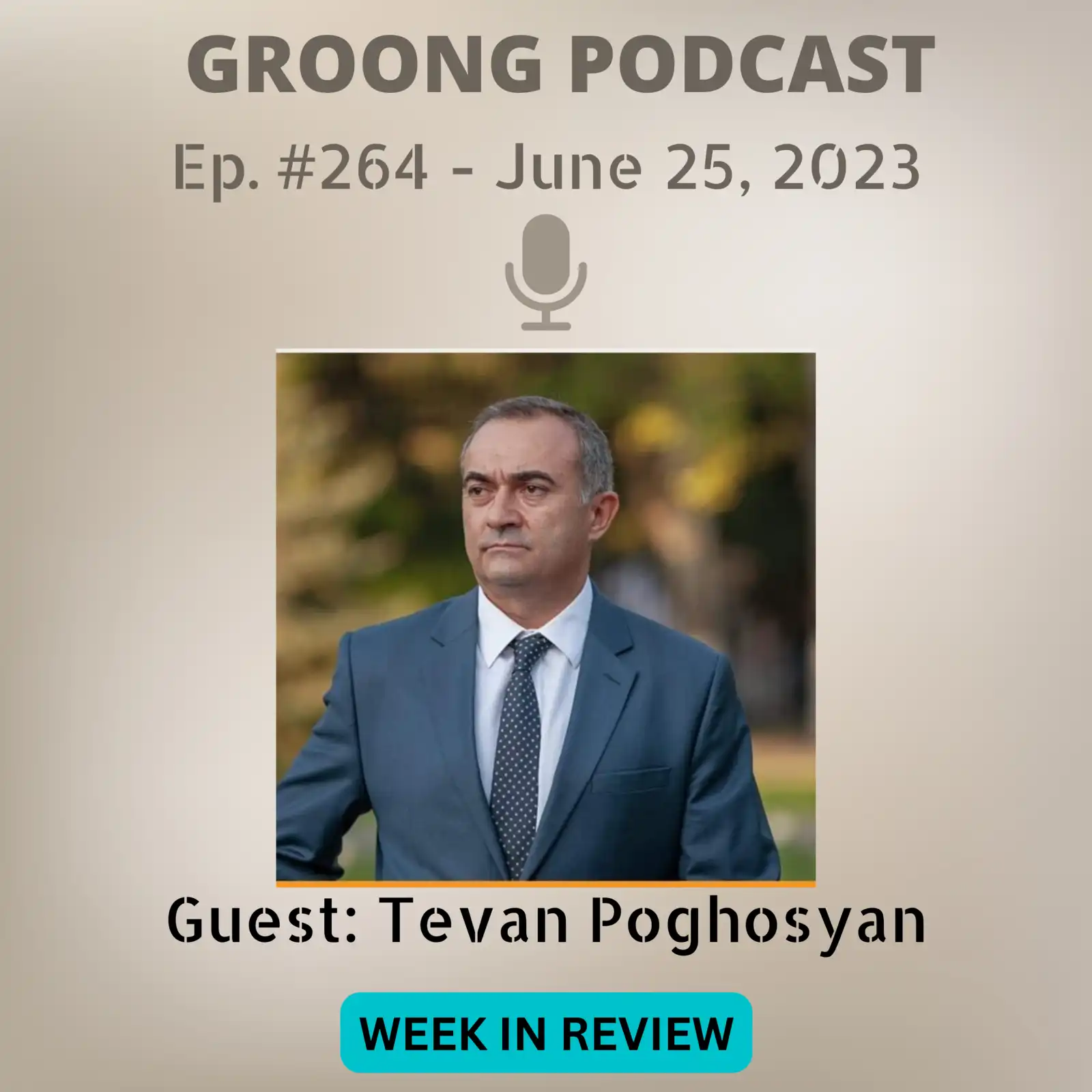
Guest:
Topics:
- Concrete Barriers On Hakari Bridge
- Erdogan visit to Azerbaijan
- Lukashenko at the CSTO
- Putin Defuses Wagnerian Opera
- Pashinyan 44-Day War Testimony in Parliament
- HayaQve [.am]
Episode 264 | Recorded: June 27, 2023
Tevan Poghosyan - Barriers on Hakari | Erdogan in Azerbaijan | Lukashenko at CSTO | Wagner Defused | Pashinyan Testimony | Hayaqve | Ep 264 - June 25, 2023 [EP264]
Posted on Tuesday, Jun 27, 2023 | Category: Armenia, Artsakh, Politics, Azerbaijan, Georgia, Turkey, Russia, Nagorno Karabakh, Artsakh Blockade, Iran, Ukraine, Genocide, IndiaGuest:
Topics:
- Concrete Barriers On Hakari Bridge
- Erdogan visit to Azerbaijan
- Lukashenko at the CSTO
- Putin Defuses Wagnerian Opera
- Pashinyan 44-Day War Testimony in Parliament
- HayaQve [.am]
Episode 264 | Recorded: June 27, 2023
Artsakh Blockade Flash Update with Gev Iskajyan - Ep 263, June 15, 2023 [EP263]
Posted on Thursday, Jun 15, 2023 | Category: Politics, Artsakh, Nagorno Karabakh, Armenia, Azerbaijan, Russia, Artsakh Blockade, Human Rights | Series: artsakhblockade
Artsakh Blockade Flash Update with Gev Iskajyan - Ep 263, June 15, 2023
Armenian News Network Groong - June 15, 2023
Guest:
Topics:
- Azerbaijan Blocks Lachin/Berdzor Corridor after Shootings near Hakari bridge
- Has Artsakh âreturned to the negotiation tableâ?
- International actions viewed from Stepanakert
- Noting the half-year mark of the blockade
- Artsakh Ombuds Report summary
Episode 263 | Recorded: June 15, 2023
Artsakh Blockade Flash Update with Gev Iskajyan - Ep 263, June 15, 2023 [EP263]
Posted on Thursday, Jun 15, 2023 | Category: Politics, Artsakh, Nagorno Karabakh, Armenia, Azerbaijan, Russia, Artsakh Blockade, Human RightsArtsakh Blockade Flash Update with Gev Iskajyan - Ep 263, June 15, 2023
Armenian News Network Groong - June 15, 2023
Guest:
Topics:
- Azerbaijan Blocks Lachin/Berdzor Corridor after Shootings near Hakari bridge
- Has Artsakh âreturned to the negotiation tableâ?
- International actions viewed from Stepanakert
- Noting the half-year mark of the blockade
- Artsakh Ombuds Report summary
Episode 263 | Recorded: June 15, 2023
Sergei Melkonian - Armenian Azerbaijani Negotiations Continue in Chisinau/Kishinev and Moscow | Pashinyan Attends Erdogan Inauguration | Israeli President in Azerbaijan | Ep 260 - June 4, 2023 [EP260]
Posted on Monday, Jun 5, 2023 | Category: Armenia, Politics, Israel, Artsakh, Nagorno Karabakh, Azerbaijan, Iran, Artsakh Blockade, Russia, Turkey, Syria, China, Middle East, Ukraine, European Union, Georgia, Lebanon, NATO | Series: wir
Guest:
Topics:
- Armenian Azerbaijani Negotiations Continue
- You say Chisinau, I say Kishinev
- Deputy PMs Meet in Moscow
- Israeli President Visits Azerbaijan
- Pashinyan Attends Erdoganâs Inauguration
- Armenia-Russia Relations
Episode 260 | Recorded: June 5, 2023
Sergei Melkonian - Armenian Azerbaijani Negotiations Continue in Chisinau/Kishinev and Moscow | Pashinyan Attends Erdogan Inauguration | Israeli President in Azerbaijan | Ep 260 - June 4, 2023 [EP260]
Posted on Monday, Jun 5, 2023 | Category: Armenia, Politics, Israel, Artsakh, Nagorno Karabakh, Azerbaijan, Iran, Artsakh Blockade, Russia, Turkey, Syria, China, Middle East, Ukraine, European Union, Georgia, Lebanon, NATOGuest:
Topics:
- Armenian Azerbaijani Negotiations Continue
- You say Chisinau, I say Kishinev
- Deputy PMs Meet in Moscow
- Israeli President Visits Azerbaijan
- Pashinyan Attends Erdoganâs Inauguration
- Armenia-Russia Relations
Episode 260 | Recorded: June 5, 2023
Artsakh Blockade Flash Update with Gev Iskajyan - Ep 259, June 2, 2023 [EP259]
Posted on Friday, Jun 2, 2023 | Category: Politics, Artsakh, Nagorno Karabakh, Armenia, Azerbaijan, Russia, Artsakh Blockade, NATO | Series: artsakhblockade
Artsakh Blockade Flash Update with Gev Iskajyan - Ep 259, June 2, 2023
Armenian News Network Groong - June 2, 2023
Guest:
Topics:
- Current Living and Humanitarian Conditions
- Morale after Pashinyanâs Recognition of Artsakh in Azerbaijan
- How is Artsakh Responding to Aliyevâs Amnesty Threats?
- Moral of the Artsakhtsi Population
- About Artsakh Men Being Denied Transit through Azeri Checkpoints
- Have the Russian Peacekeepers Changed Under Lentsov?
- All Parties are in Breach of the November 2020 Trilateral Ceasefire Agreement
Episode 259 | Recorded: June 2, 2023
Artsakh Blockade Flash Update with Gev Iskajyan - Ep 259, June 2, 2023 [EP259]
Posted on Friday, Jun 2, 2023 | Category: Politics, Artsakh, Nagorno Karabakh, Armenia, Azerbaijan, Russia, Artsakh Blockade, NATOArtsakh Blockade Flash Update with Gev Iskajyan - Ep 259, June 2, 2023
Armenian News Network Groong - June 2, 2023
Guest:
Topics:
- Current Living and Humanitarian Conditions
- Morale after Pashinyanâs Recognition of Artsakh in Azerbaijan
- How is Artsakh Responding to Aliyevâs Amnesty Threats?
- Moral of the Artsakhtsi Population
- About Artsakh Men Being Denied Transit through Azeri Checkpoints
- Have the Russian Peacekeepers Changed Under Lentsov?
- All Parties are in Breach of the November 2020 Trilateral Ceasefire Agreement
Episode 259 | Recorded: June 2, 2023
Arthur Khachikyan - May 28 | Mother Armenia Movement | Aliyev Threatens, Pashinyan Concedes | Erdogan Reelected | Goodbye CSTO, Hello NATO? | Ep 257 - May 28, 2023 [EP257]
Posted on Monday, May 29, 2023 | Category: Armenia, Politics, Artsakh, Nagorno Karabakh, Azerbaijan, Russia, Armenian Genocide, Turkey, NATO, Genocide, Ukraine, Georgia, Iran | Series: wir
Guest:
Topics:
- Armenia celebrates May 28
- A new political movement, Mother Armenia, was announced.
- Aliyev Threatens, Pashinyan Concedes
- Erdogan Reelected President in Turkey
- Goodbye CSTO, Hello NATO?
Episode 257 | Recorded: May 30, 2023
Arthur Khachikyan - May 28 | Mother Armenia Movement | Aliyev Threatens, Pashinyan Concedes | Erdogan Reelected | Goodbye CSTO, Hello NATO? | Ep 257 - May 28, 2023 [EP257]
Posted on Monday, May 29, 2023 | Category: Armenia, Politics, Artsakh, Nagorno Karabakh, Azerbaijan, Russia, Armenian Genocide, Turkey, NATO, Genocide, Ukraine, Georgia, IranGuest:
Topics:
- Armenia celebrates May 28
- A new political movement, Mother Armenia, was announced.
- Aliyev Threatens, Pashinyan Concedes
- Erdogan Reelected President in Turkey
- Goodbye CSTO, Hello NATO?
Episode 257 | Recorded: May 30, 2023
Negotiations Carousel | Meghri Railway | Rasht-Astara Railway | Kornidzor Rally | Artsakh Politics | Ep 256 - May 21, 2023 [EP256]
Posted on Monday, May 22, 2023 | Category: Armenia, Artsakh, Politics, Nagorno Karabakh, Azerbaijan, Russia, Iran, Artsakh Blockade, Armenian Genocide, India, Genocide, Ukraine, Turkey, Israel, Georgia | Series: wir
Guest:
Topics:
- Accelerated Negotiations
- Negotiations Carousel
- Meghri Railway
- Russia Finances Rasht-Astara
- Rallies in Artsakh and Kornidzor
- Artsakh Domestic Politics
Episode 256 | Recorded: May 22, 2023
Negotiations Carousel | Meghri Railway | Rasht-Astara Railway | Kornidzor Rally | Artsakh Politics | Ep 256 - May 21, 2023 [EP256]
Posted on Monday, May 22, 2023 | Category: Armenia, Artsakh, Politics, Nagorno Karabakh, Azerbaijan, Russia, Iran, Artsakh Blockade, Armenian Genocide, India, Genocide, Ukraine, Turkey, Israel, GeorgiaGuest:
Topics:
- Accelerated Negotiations
- Negotiations Carousel
- Meghri Railway
- Russia Finances Rasht-Astara
- Rallies in Artsakh and Kornidzor
- Artsakh Domestic Politics
Episode 256 | Recorded: May 22, 2023
Benyamin Poghosyan - Pashinyan, Aliyev, Michel in Brussels | Turkish Presidential Elections | Court vs. News & Media | Ep 255 - May 14, 2023 [EP255]
Posted on Monday, May 15, 2023 | Category: Armenia, Politics, Azerbaijan, Turkey, USA, Nagorno Karabakh, European Union, Russia, Georgia, India, Iran, China, Israel, Ukraine | Series: wir
Guest:
Topic:
- Pashinyan, Aliyev, Michel Meet in Brussels
- Azerbaijan Attacks Sotk
- Turkish Presidential Elections
Episode 255 | Recorded: May 15, 2023
Benyamin Poghosyan - Pashinyan, Aliyev, Michel in Brussels | Turkish Presidential Elections | Court vs. News & Media | Ep 255 - May 14, 2023 [EP255]
Posted on Monday, May 15, 2023 | Category: Armenia, Politics, Azerbaijan, Turkey, USA, Nagorno Karabakh, European Union, Russia, Georgia, India, Iran, China, Israel, UkraineGuest:
Topic:
- Pashinyan, Aliyev, Michel Meet in Brussels
- Azerbaijan Attacks Sotk
- Turkish Presidential Elections
Episode 255 | Recorded: May 15, 2023
Hrant Mikaelian - Armenia Azerbaijan Negotiations | IRI Poll | Armenia Census 2022 [EP252]
Posted on Tuesday, May 9, 2023 | Category: Armenia, Artsakh, Politics, Poll, Nagorno Karabakh, Azerbaijan, Turkey, Russia, Armenian Church, European Union, Georgia, Economy, India, Ukraine, China, Genocide, Israel | Series: wir
Guest:
Topics:
- Armenia-Azerbaijan Negotiations Continue
- Latest IRI Armenia Poll Results
- Armenian Census 2022 - Preliminary Results
Episode 252 | Recorded: May 9, 2023
Hrant Mikaelian - Armenia Azerbaijan Negotiations | IRI Poll | Armenia Census 2022 [EP252]
Posted on Tuesday, May 9, 2023 | Category: Armenia, Artsakh, Politics, Poll, Nagorno Karabakh, Azerbaijan, Turkey, Russia, Armenian Church, European Union, Georgia, Economy, India, Ukraine, China, Genocide, IsraelGuest:
Topics:
- Armenia-Azerbaijan Negotiations Continue
- Latest IRI Armenia Poll Results
- Armenian Census 2022 - Preliminary Results
Episode 252 | Recorded: May 9, 2023
Azerbaijan Officially Blocks Lachin/Berdzor Corridor | Armenian-Azeri Negotiations | Drug Use Epidemic in Armenia | Ep 251 - April 30, 2023 [EP251]
Posted on Monday, May 1, 2023 | Category: Armenia, Politics, Azerbaijan, Artsakh, Nagorno Karabakh, Russia, USA, Armenian Genocide, Artsakh Blockade, Turkey, Genocide, Iran, Israel, Ukraine, Economy, NATO | Series: wir
Guest:
Topics:
- Azerbaijan Officially Blocks Berdzor/Lachin Corridor
- Update on Armenian-Azeri Negotiations
- Drug Use Epidemic in Armenia
Episode 251 | Recorded: May 1, 2023
Azerbaijan Officially Blocks Lachin/Berdzor Corridor | Armenian-Azeri Negotiations | Drug Use Epidemic in Armenia | Ep 251 - April 30, 2023 [EP251]
Posted on Monday, May 1, 2023 | Category: Armenia, Politics, Azerbaijan, Artsakh, Nagorno Karabakh, Russia, USA, Armenian Genocide, Artsakh Blockade, Turkey, Genocide, Iran, Israel, Ukraine, Economy, NATOGuest:
Topics:
- Azerbaijan Officially Blocks Berdzor/Lachin Corridor
- Update on Armenian-Azeri Negotiations
- Drug Use Epidemic in Armenia
Episode 251 | Recorded: May 1, 2023
Armenian Genocide Anniversary | Artsakh In Stranglehold | Israel-Azerbaijan [EP249]
Posted on Tuesday, Apr 25, 2023 | Category: Armenia, Politics, Azerbaijan, Georgia, Turkey, Russia, Iran, Israel, Armenian Genocide, Nagorno Karabakh, Artsakh Blockade, Genocide, China, Human Rights, India, Lebanon, Middle East, Syria, Ukraine, European Union | Series: wir
Guest:
Topics:
- Armenian Genocide: 108 Anniversary
- Azerbaijan Strangles Artsakh
- Artsakh Strangled
- International Community
- Pashinyanâs Parliament Speech
- Madrid Principles
- Aliyev Continues Threats, Ultimatum to Artsakh Armenians
- What Can Diaspora Do?
- Israel - Azerbaijan cooperation against Iran?
- Rants
Episode 249 | Recorded: April 25, 2023
Armenian Genocide Anniversary | Artsakh In Stranglehold | Israel-Azerbaijan [EP249]
Posted on Tuesday, Apr 25, 2023 | Category: Armenia, Politics, Azerbaijan, Georgia, Turkey, Russia, Iran, Israel, Armenian Genocide, Nagorno Karabakh, Artsakh Blockade, Genocide, China, Human Rights, India, Lebanon, Middle East, Syria, Ukraine, European UnionGuest:
Topics:
- Armenian Genocide: 108 Anniversary
- Azerbaijan Strangles Artsakh
- Artsakh Strangled
- International Community
- Pashinyanâs Parliament Speech
- Madrid Principles
- Aliyev Continues Threats, Ultimatum to Artsakh Armenians
- What Can Diaspora Do?
- Israel - Azerbaijan cooperation against Iran?
- Rants
Episode 249 | Recorded: April 25, 2023
Anna Kostanyan - New HR Ombudswoman Anahit Manasyan | Azeri Attacks and Infiltrations into Armenia | Yerevan Mayor-less Until End of 2023 Elections [EP248]
Posted on Sunday, Apr 16, 2023 | Category: Armenia, Politics, Artsakh, Human Rights, Azerbaijan, Nagorno Karabakh, Artsakh Blockade, Russia, China, Economy | Series: wir
Guest:
Topics:
- Intro to Anna Kostanyan and Hamakhmbum (Consolidation) Movement
- New HR Ombudswoman Anahit Manasyan
- Azeri Attacks and Infiltrations into Armenia
- Yerevan Mayor-less Until End of 2023 Elections
Episode 248 | Recorded: April 16, 2023
Anna Kostanyan - New HR Ombudswoman Anahit Manasyan | Azeri Attacks and Infiltrations into Armenia | Yerevan Mayor-less Until End of 2023 Elections [EP248]
Posted on Sunday, Apr 16, 2023 | Category: Armenia, Politics, Artsakh, Human Rights, Azerbaijan, Nagorno Karabakh, Artsakh Blockade, Russia, China, EconomyGuest:
Topics:
- Intro to Anna Kostanyan and Hamakhmbum (Consolidation) Movement
- New HR Ombudswoman Anahit Manasyan
- Azeri Attacks and Infiltrations into Armenia
- Yerevan Mayor-less Until End of 2023 Elections
Episode 248 | Recorded: April 16, 2023
Raising Flags: Alison on Recent Events in Tegh and Across Armenia | Ep 247 - Apr 14, 2023 [EP247]
Posted on Friday, Apr 14, 2023 | Category: Armenia, Politics, Azerbaijan, Russia, Iran, Georgia, Human Rights, Middle East, Turkey | Series: cog
Guest:
Topics:
- Aghavno / Berdzor
- April 11 Azeri Aggression Near Tegh
- Raising Flags
- Azeri Infiltrations into Armenia
Episode 247 | Recorded: April 14, 2023
Raising Flags: Alison on Recent Events in Tegh and Across Armenia | Ep 247 - Apr 14, 2023 [EP247]
Posted on Friday, Apr 14, 2023 | Category: Armenia, Politics, Azerbaijan, Russia, Iran, Georgia, Human Rights, Middle East, TurkeyGuest:
Topics:
- Aghavno / Berdzor
- April 11 Azeri Aggression Near Tegh
- Raising Flags
- Azeri Infiltrations into Armenia
Episode 247 | Recorded: April 14, 2023
Naira Melikyan: Turned Away at Kornidzor Post | Ep 245 - Apr 7, 2023 [EP245]
Posted on Friday, Apr 7, 2023 | Category: Armenia, Artsakh, Politics, Nagorno Karabakh, Artsakh Blockade, Russia, Azerbaijan, NATO, Iran, Israel | Series: cog, video
Guest:
In this Conversations on Groong episode, weâll be talking Naira Melikyan who shares troubling information from her attempt to travel to Artsakh via the newly built road passing by the village of Kornidzor. Armenian border guards turned away the Miasin group citing security concerns.
Episode 245 | Recorded: April 7, 2023
Naira Melikyan: Turned Away at Kornidzor Post | Ep 245 - Apr 7, 2023 [EP245]
Posted on Friday, Apr 7, 2023 | Category: Armenia, Artsakh, Politics, Nagorno Karabakh, Artsakh Blockade, Russia, Azerbaijan, NATO, Iran, IsraelGuest:
In this Conversations on Groong episode, weâll be talking Naira Melikyan who shares troubling information from her attempt to travel to Artsakh via the newly built road passing by the village of Kornidzor. Armenian border guards turned away the Miasin group citing security concerns.
Episode 245 | Recorded: April 7, 2023
Benyamin Poghosyan - China Emerging on the Global Stage | Ep 244 - April 5, 2023 [EP244]
Posted on Wednesday, Apr 5, 2023 | Category: China, Politics, Middle East, Armenia, Artsakh, Nagorno Karabakh, Azerbaijan, Russia, Iran, Turkey, India, Artsakh Blockade, Ukraine, Israel, Economy, NATO, Syria, Geopolitics, Georgia, European Union | Series: cog
Guest:
Topics:
- What agreements were reached between China and Russia?
- What is the role of India in the new world order?
- Consequence of moving away from a dollar-denominated global economic order?
- China as peacemaker in Ukraine
- China as peacemaker in the Middle East
- China’s role in Iran and South Caucasus
- How should Armenia navigate world order changes?
Episode 244 | Recorded: April 5, 2023
Benyamin Poghosyan - China Emerging on the Global Stage | Ep 244 - April 5, 2023 [EP244]
Posted on Wednesday, Apr 5, 2023 | Category: China, Politics, Middle East, Armenia, Artsakh, Nagorno Karabakh, Azerbaijan, Russia, Iran, Turkey, India, Artsakh Blockade, Ukraine, Israel, Economy, NATO, Syria, Geopolitics, Georgia, European UnionGuest:
Topics:
- What agreements were reached between China and Russia?
- What is the role of India in the new world order?
- Consequence of moving away from a dollar-denominated global economic order?
- China as peacemaker in Ukraine
- China as peacemaker in the Middle East
- China’s role in Iran and South Caucasus
- How should Armenia navigate world order changes?
Episode 244 | Recorded: April 5, 2023
Suren Sargsyan - Azerbaijan Attacks Artsakh, East West Negotiation Platforms, Armenia and the Rome Statute | Ep 242 - Apr 2, 2023 [EP242]
Posted on Monday, Apr 3, 2023 | Category: Armenia, Politics, Artsakh, Nagorno Karabakh, Azerbaijan, Iran, Russia, Israel, Armenian Genocide, European Union, Turkey, China, India, Genocide, Ukraine, Syria, NATO, Geopolitics | Series: wir
Guest:
Topic:
- Azerbaijan Invades, Pashinyan “Explains”
- Armenia at the Democracy Summit
- Armenia and the Rome Statute
- Iran FM in Moscow, Azeri FM in Israel
Episode 242 | Recorded: April 3, 2023
Suren Sargsyan - Azerbaijan Attacks Artsakh, East West Negotiation Platforms, Armenia and the Rome Statute | Ep 242 - Apr 2, 2023 [EP242]
Posted on Monday, Apr 3, 2023 | Category: Armenia, Politics, Artsakh, Nagorno Karabakh, Azerbaijan, Iran, Russia, Israel, Armenian Genocide, European Union, Turkey, China, India, Genocide, Ukraine, Syria, NATO, GeopoliticsGuest:
Topic:
- Azerbaijan Invades, Pashinyan “Explains”
- Armenia at the Democracy Summit
- Armenia and the Rome Statute
- Iran FM in Moscow, Azeri FM in Israel
Episode 242 | Recorded: April 3, 2023
Azerbaijan Attacks Artsakh | East West Negotiation Platforms | Armenia and the Rome Statute | Ep 241 - Mar 26, 2023 [EP241]
Posted on Sunday, Mar 26, 2023 | Category: Armenia, Politics, Poll, Azerbaijan, Russia, Nagorno Karabakh, Artsakh Blockade, European Union, Genocide, India, Ukraine, China, Geopolitics, Economy, NATO, Iran, Turkey | Series: wir
Guest:
Topic:
- Azerbaijani Attacks over the Weekend
- East and West
- Armenia and the Rome Statute
Episode 241 | Recorded: March 26, 2023
Azerbaijan Attacks Artsakh | East West Negotiation Platforms | Armenia and the Rome Statute | Ep 241 - Mar 26, 2023 [EP241]
Posted on Sunday, Mar 26, 2023 | Category: Armenia, Politics, Poll, Azerbaijan, Russia, Nagorno Karabakh, Artsakh Blockade, European Union, Genocide, India, Ukraine, China, Geopolitics, Economy, NATO, Iran, TurkeyGuest:
Topic:
- Azerbaijani Attacks over the Weekend
- East and West
- Armenia and the Rome Statute
Episode 241 | Recorded: March 26, 2023
Pashinyan Press Conference | Belligerent Azerbaijan | Mirzoyan in Moscow | Yerevan Mayor | Ep 240 - Mar 19, 2023 [EP240]
Posted on Sunday, Mar 19, 2023 | Category: Armenia, Artsakh, Politics, Nagorno Karabakh, Azerbaijan, Russia, Iran, Artsakh Blockade, NATO, Turkey, India, China, Georgia, Israel, Ukraine | Series: wir
Guest:
Topics:
- Pashinyanâs Press Conference
- Negotiating with Belligerent Azerbaijan
- Mirzoyan in Moscow
- Mayoral Politics in Yerevan
Episode 240 | Recorded: March 20, 2023
Pashinyan Press Conference | Belligerent Azerbaijan | Mirzoyan in Moscow | Yerevan Mayor | Ep 240 - Mar 19, 2023 [EP240]
Posted on Sunday, Mar 19, 2023 | Category: Armenia, Artsakh, Politics, Nagorno Karabakh, Azerbaijan, Russia, Iran, Artsakh Blockade, NATO, Turkey, India, China, Georgia, Israel, UkraineGuest:
Topics:
- Pashinyanâs Press Conference
- Negotiating with Belligerent Azerbaijan
- Mirzoyan in Moscow
- Mayoral Politics in Yerevan
Episode 240 | Recorded: March 20, 2023
Armenia Azerbaijan Negotiations | Georgia Opposition | MPG Poll | Ep 237 [EP237]
Posted on Monday, Mar 13, 2023 | Category: Armenia, Artsakh, Politics, Poll, Azerbaijan, Georgia, Turkey, Russia, Nagorno Karabakh, Artsakh Blockade, European Union, Genocide, Human Rights, India, Iran | Series: wir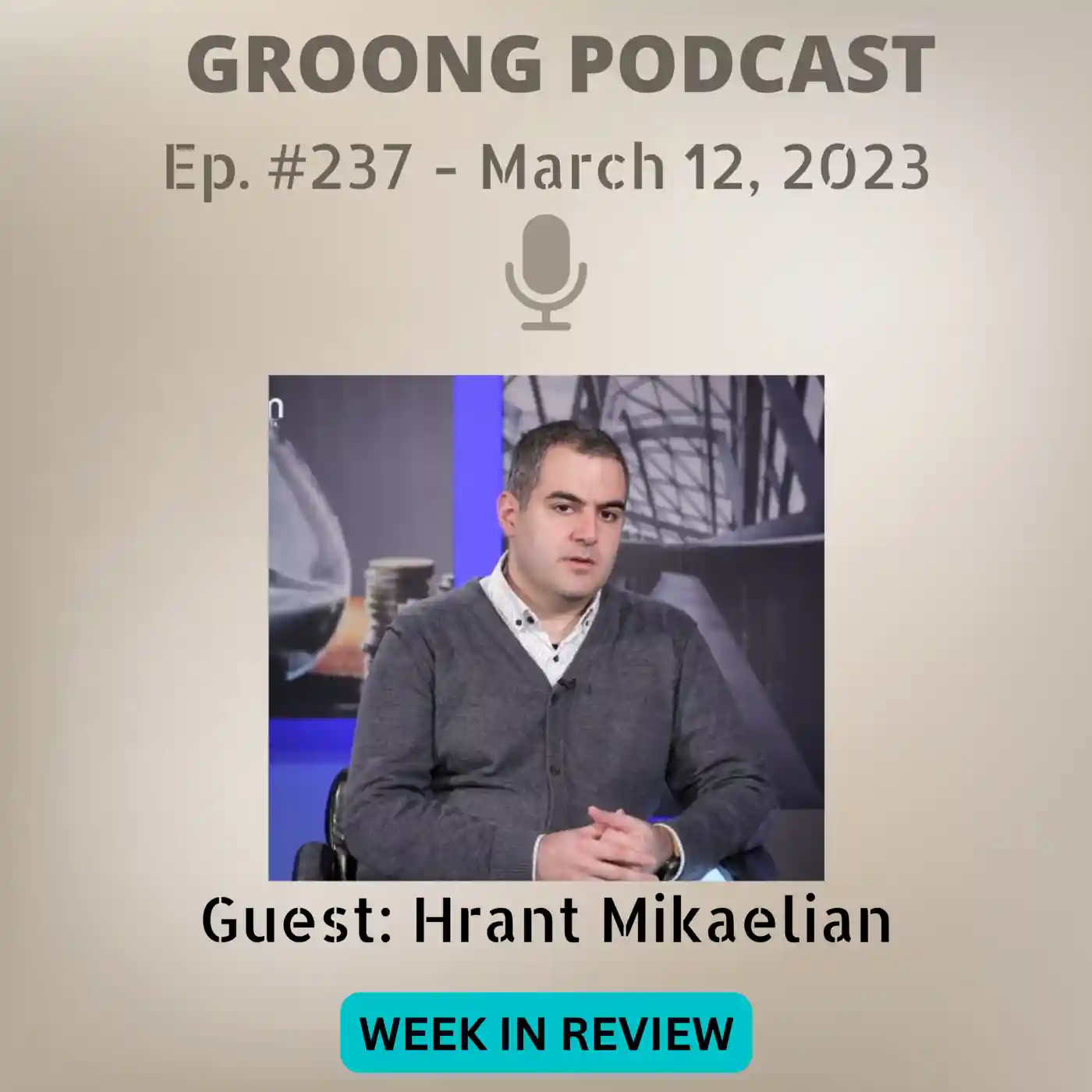
Guest:
Topics:
- Armenia-Azerbaijan Negotiations Continue
- Developments in Artsakh
- No âPeaceâ without âRights and Securityâ?
- Armenia Downgrades CSTO Relations
- Georgian Law on Foreign Agents
- Reflections on MPG Poll âAmotiSarâ Results
Episode 237 | Recorded: March 12, 2023
Armenia Azerbaijan Negotiations | Georgia Opposition | MPG Poll | Ep 237 [EP237]
Posted on Monday, Mar 13, 2023 | Category: Armenia, Artsakh, Politics, Poll, Azerbaijan, Georgia, Turkey, Russia, Nagorno Karabakh, Artsakh Blockade, European Union, Genocide, Human Rights, India, IranGuest:
Topics:
- Armenia-Azerbaijan Negotiations Continue
- Developments in Artsakh
- No âPeaceâ without âRights and Securityâ?
- Armenia Downgrades CSTO Relations
- Georgian Law on Foreign Agents
- Reflections on MPG Poll âAmotiSarâ Results
Episode 237 | Recorded: March 12, 2023
Artsakh Blockade Flash Update with Gev Iskajyan - Ep 236, Mar 12, 2023 [EP236]
Posted on Sunday, Mar 12, 2023 | Category: Politics, Artsakh, Nagorno Karabakh, Armenia, Azerbaijan, Russia, Artsakh Blockade, India, Iran, Human Rights | Series: artsakhblockade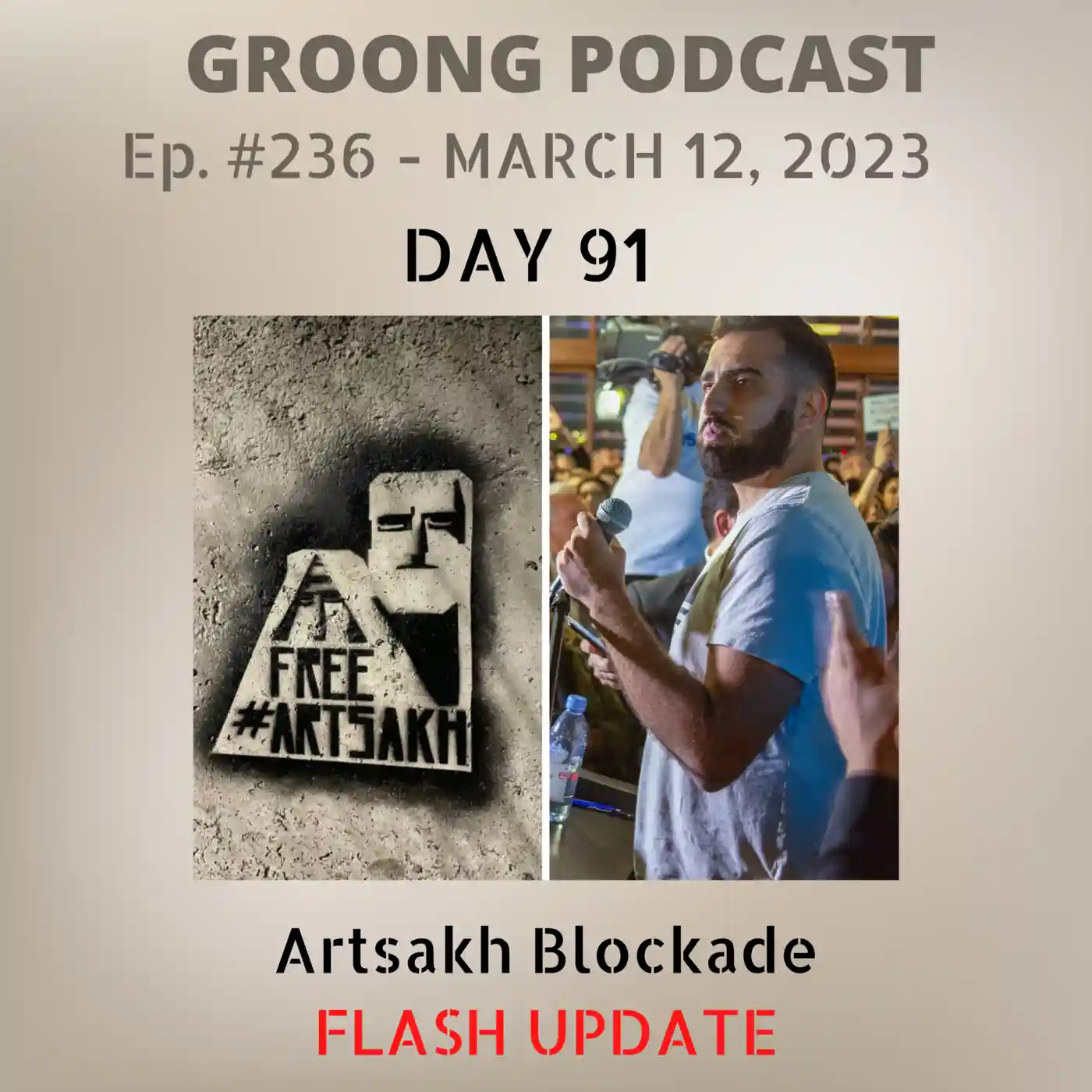
Artsakh Blockade Flash Update with Gev Iskajyan - Ep 236, Mar 12, 2023
Armenian News Network Groong - March 12, 2023
Guest:
Topics:
- Gas cutoff again.
- Aftermath of Azerbaijan Killing 3 Artsakh Policemen
- Potential for New Aggression
- No âPeaceâ without âRights and Security for Artsakhâ?
Episode 236 | Recorded: March 12, 2023
Artsakh Blockade Flash Update with Gev Iskajyan - Ep 236, Mar 12, 2023 [EP236]
Posted on Sunday, Mar 12, 2023 | Category: Politics, Artsakh, Nagorno Karabakh, Armenia, Azerbaijan, Russia, Artsakh Blockade, India, Iran, Human RightsArtsakh Blockade Flash Update with Gev Iskajyan - Ep 236, Mar 12, 2023
Armenian News Network Groong - March 12, 2023
Guest:
Topics:
- Gas cutoff again.
- Aftermath of Azerbaijan Killing 3 Artsakh Policemen
- Potential for New Aggression
- No âPeaceâ without âRights and Security for Artsakhâ?
Episode 236 | Recorded: March 12, 2023
35th Anniversary of the Sumgait Pogroms | Russia Warns the EU and Armenia | Armenian Azerbaijani Negotiations Continue | Ep 232 - Feb 26, 2023 [EP232]
Posted on Tuesday, Feb 28, 2023 | Category: Armenia, Politics, Artsakh, Nagorno Karabakh, Azerbaijan, Turkey, Ukraine, Russia, Artsakh Blockade, China, NATO, Syria, Genocide, Georgia | Series: wir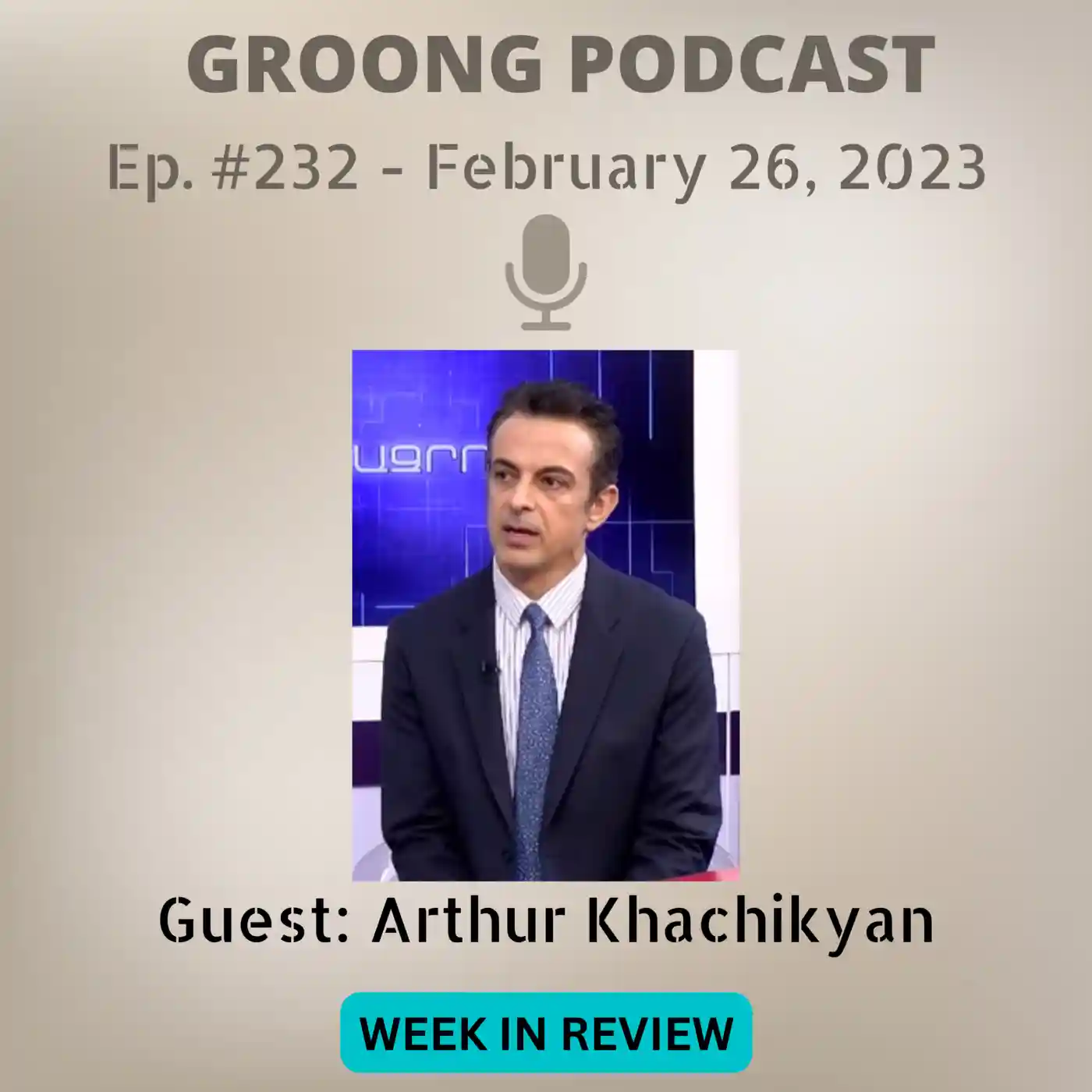
Guest:
Topics:
- 35th Anniversary of the Sumgait Pogroms
- Turkey after the Earthquake
- One Year Anniversary of the War in Ukraine
- Azerbaijan-Armenian Negotiations Continue
- Personal topics
Episode 232 | Recorded: February 28, 2023
35th Anniversary of the Sumgait Pogroms | Russia Warns the EU and Armenia | Armenian Azerbaijani Negotiations Continue | Ep 232 - Feb 26, 2023 [EP232]
Posted on Tuesday, Feb 28, 2023 | Category: Armenia, Politics, Artsakh, Nagorno Karabakh, Azerbaijan, Turkey, Ukraine, Russia, Artsakh Blockade, China, NATO, Syria, Genocide, GeorgiaGuest:
Topics:
- 35th Anniversary of the Sumgait Pogroms
- Turkey after the Earthquake
- One Year Anniversary of the War in Ukraine
- Azerbaijan-Armenian Negotiations Continue
- Personal topics
Episode 232 | Recorded: February 28, 2023
Anna Abrahamian: Munich Security Conference | Artsakh [EP230]
Posted on Friday, Feb 24, 2023 | Category: Armenia, Artsakh, Politics, China, Russia, Azerbaijan, Nagorno Karabakh, Artsakh Blockade, Armenian Genocide, Ukraine, NATO, Turkey, Genocide, Iran, Israel, Economy, Syria, European Union, Georgia, Middle East | Series: cog, video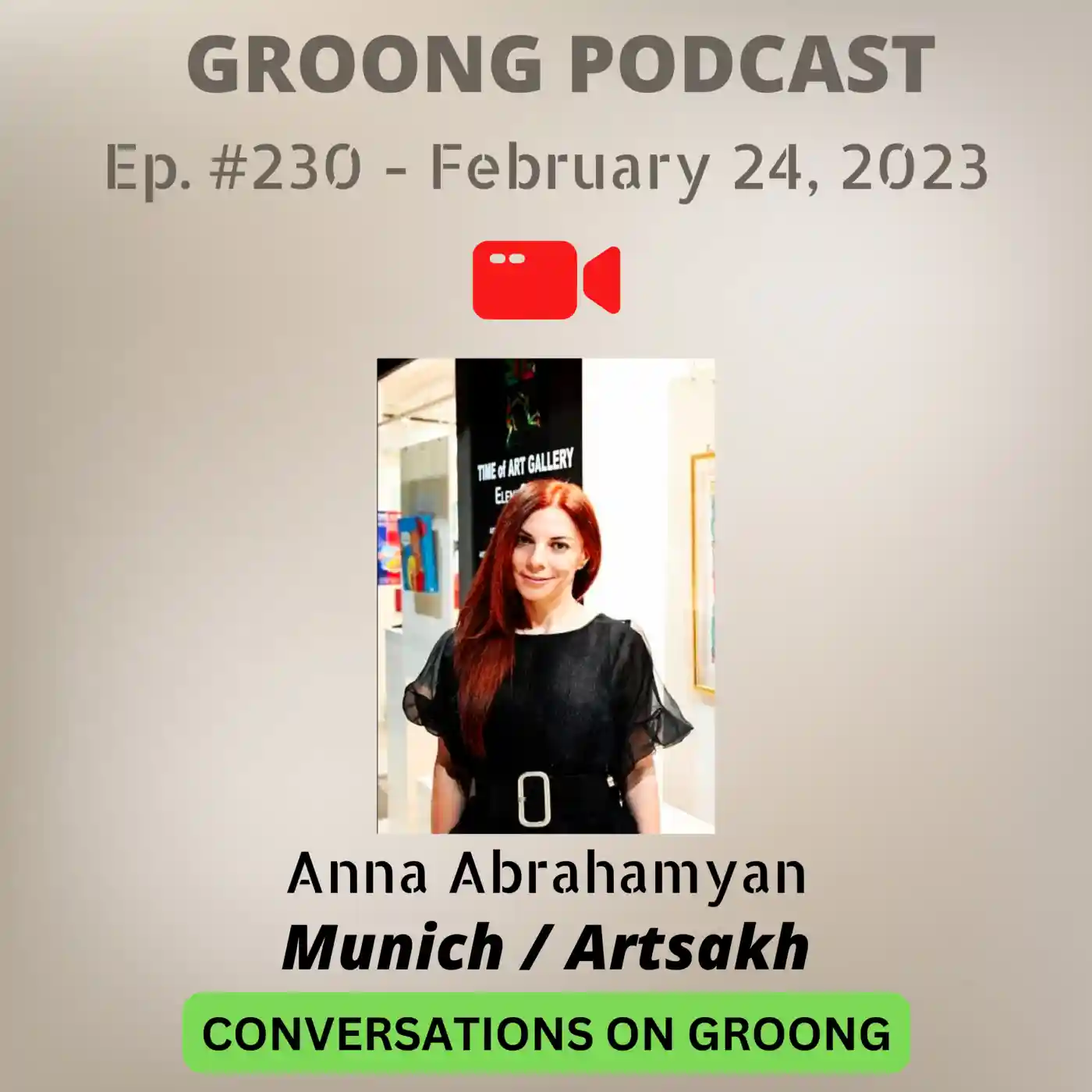
Today weâre going to talk with Anna Abrahamian about two or three topics.
- The Munich Security Conference 2023.
- Weâll touch on Russian president Putinâs state of the federation address.
- The latest political developments in Artsakh.
Guest:
- Anna Abrahamian , a geopolitical analyst who splits her time between Moscow and Athens. Having obtained training in international law, Anna has worked in such noteworthy institutions as the Defense Analyses Institute in Athens as well as the Crisis Group in Brussels. Today, Anna provides her analysis on geopolitics and Armenian politics to her
Anna Abrahamian: Munich Security Conference | Artsakh [EP230]
Posted on Friday, Feb 24, 2023 | Category: Armenia, Artsakh, Politics, China, Russia, Azerbaijan, Nagorno Karabakh, Artsakh Blockade, Armenian Genocide, Ukraine, NATO, Turkey, Genocide, Iran, Israel, Economy, Syria, European Union, Georgia, Middle EastToday weâre going to talk with Anna Abrahamian about two or three topics.
- The Munich Security Conference 2023.
- Weâll touch on Russian president Putinâs state of the federation address.
- The latest political developments in Artsakh.
Guest:
- Anna Abrahamian , a geopolitical analyst who splits her time between Moscow and Athens. Having obtained training in international law, Anna has worked in such noteworthy institutions as the Defense Analyses Institute in Athens as well as the Crisis Group in Brussels. Today, Anna provides her analysis on geopolitics and Armenian politics to her
Artsakh Blockade Flash Update with Gev Iskajyan - Ep 231, Feb 24, 2023 [EP231]
Posted on Friday, Feb 24, 2023 | Category: Politics, Artsakh, Nagorno Karabakh, Azerbaijan, Russia, Artsakh Blockade, Armenia | Series: artsakhblockade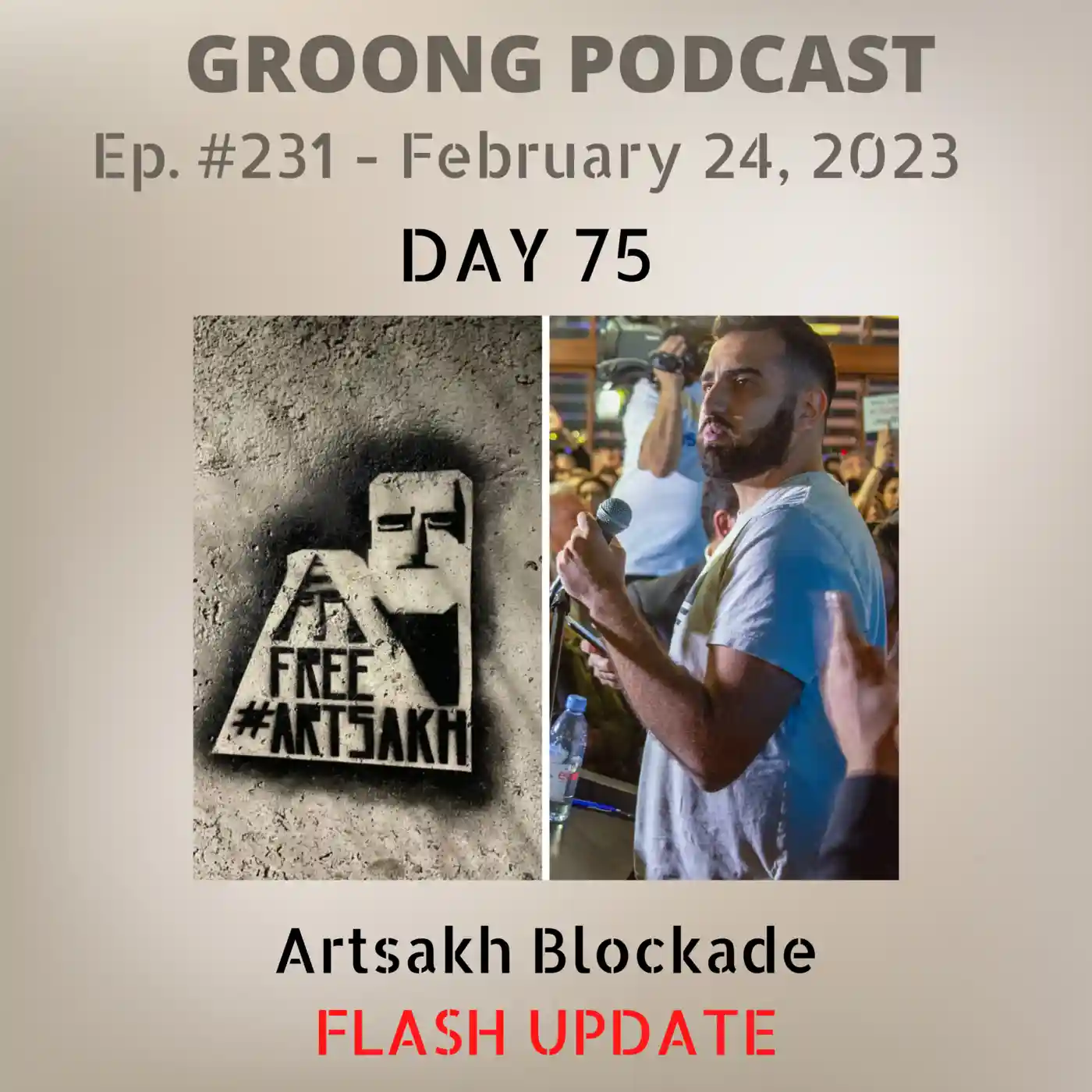
Artsakh Blockade Flash Update with Gev Iskajyan - Ep 231, Feb 24, 2023
Armenian News Network Groong - Feb 24, 2023
Guest:
Topics:
- Rouben Vardanyan sacked in Stepanakert
- Samuel Babayan in Artsakh
- Azeri and Artsakh reps meet to resume Gas & Electricity
- Further Azeri demands, Artsakh red lines
- Medical topics
Episode 231 | Recorded: February 24, 2023
Artsakh Blockade Flash Update with Gev Iskajyan - Ep 231, Feb 24, 2023 [EP231]
Posted on Friday, Feb 24, 2023 | Category: Politics, Artsakh, Nagorno Karabakh, Azerbaijan, Russia, Artsakh Blockade, ArmeniaArtsakh Blockade Flash Update with Gev Iskajyan - Ep 231, Feb 24, 2023
Armenian News Network Groong - Feb 24, 2023
Guest:
Topics:
- Rouben Vardanyan sacked in Stepanakert
- Samuel Babayan in Artsakh
- Azeri and Artsakh reps meet to resume Gas & Electricity
- Further Azeri demands, Artsakh red lines
- Medical topics
Episode 231 | Recorded: February 24, 2023
Suren Sargsyan: Artsakh Under Blockade - Day 72 [EP228]
Posted on Tuesday, Feb 21, 2023 | Category: Artsakh, Politics, Geopolitics, Russia, Azerbaijan, Artsakh Blockade, 168am, Nagorno Karabakh, European Union, Armenia, Turkey, Ukraine, Iran, Israel, Middle East | Series: cog, video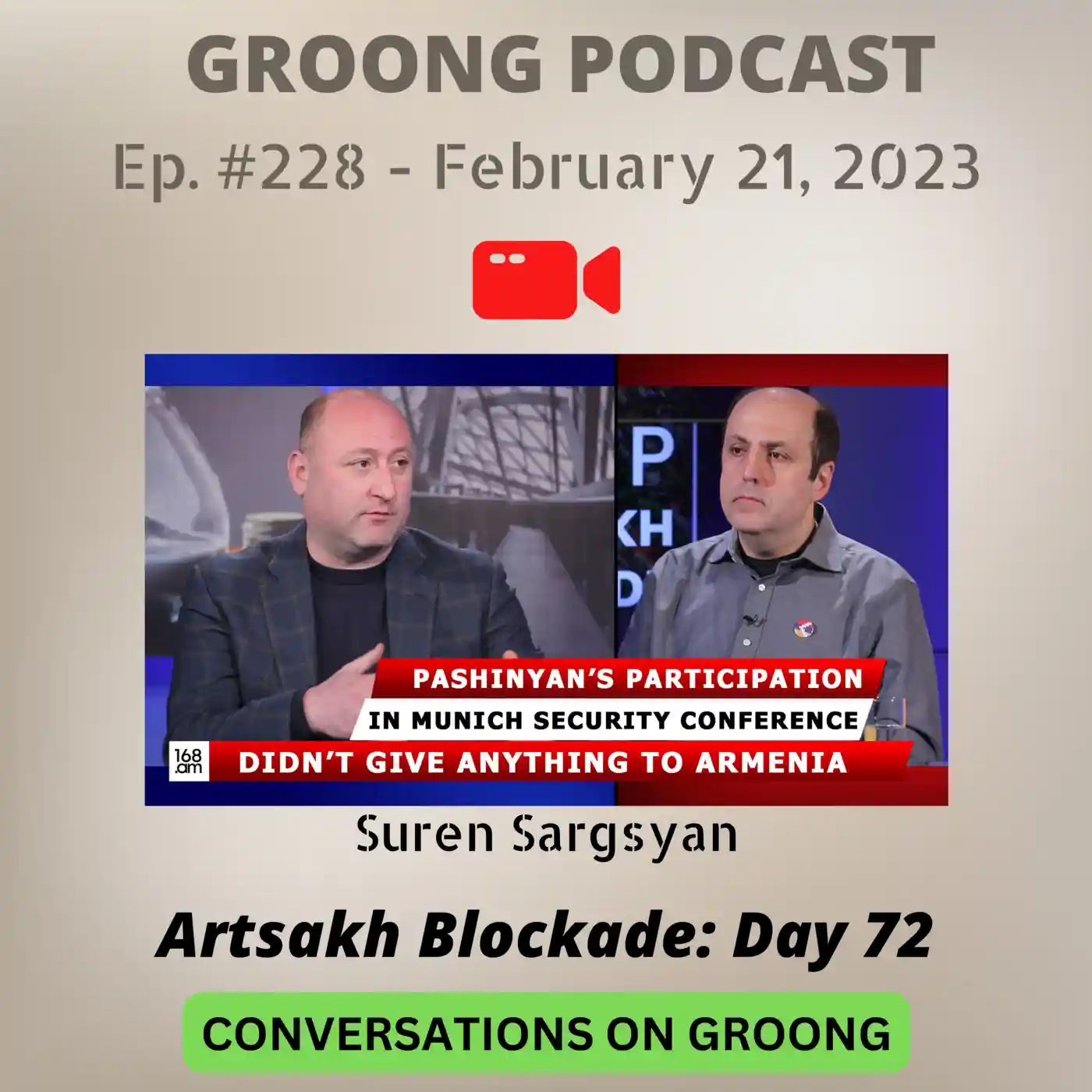
Guests:
- Suren Sargsyan , founder and a President at the Armenian Center for American Studies, a research center based in Yerevan.
“Pashinyanâs participation in Munich Security Conference didnât give anything to Armenia” - Suren Sargsyan
Topic:
Today is day 72 of the total blockade of Artsakh. For 72 days, the 120K citizens of Artsakh have not had the ability to enter or exit their country. They are deprived of the ability to visit Armenia or to receive guests from Armenia. With very limited supplies, they are forced to ration food with the help of food stamps in order to
Read MoreSuren Sargsyan: Artsakh Under Blockade - Day 72 [EP228]
Posted on Tuesday, Feb 21, 2023 | Category: Artsakh, Politics, Geopolitics, Russia, Azerbaijan, Artsakh Blockade, 168am, Nagorno Karabakh, European Union, Armenia, Turkey, Ukraine, Iran, Israel, Middle EastGuests:
- Suren Sargsyan , founder and a President at the Armenian Center for American Studies, a research center based in Yerevan.
“Pashinyanâs participation in Munich Security Conference didnât give anything to Armenia” - Suren Sargsyan
Topic:
Today is day 72 of the total blockade of Artsakh. For 72 days, the 120K citizens of Artsakh have not had the ability to enter or exit their country. They are deprived of the ability to visit Armenia or to receive guests from Armenia. With very limited supplies, they are forced to ration food with the help of food stamps in order to
Read More35th Anniversary of the Karabakh Movement | Russia Warns the EU and Armenia | Armenian Azerbaijani Negotiations Continue | Ep 226 - Feb 19, 2023 [EP226]
Posted on Monday, Feb 20, 2023 | Category: Armenia, Politics, Artsakh, Nagorno Karabakh, Azerbaijan, Russia, Artsakh Blockade, European Union, Iran, Ukraine, Georgia, Economy, Geopolitics, Turkey | Series: wir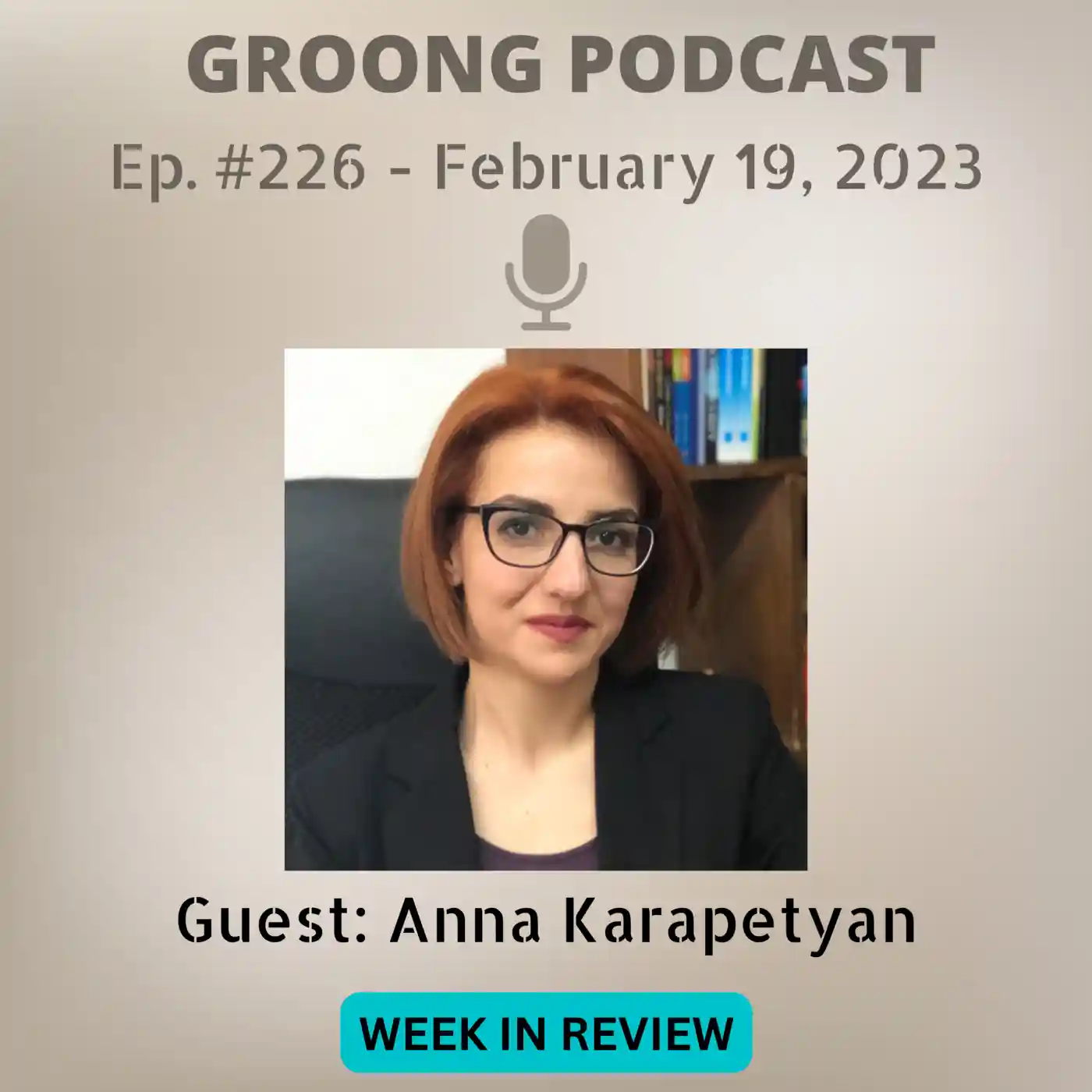
Guest:
Topics:
- 35th Anniversary of the Karabakh Movement
- Russia Warns the EU and Armenia
- Armenian Azerbaijani Negotiations Continue
- Personal topics
Episode 226 | Recorded: February 19, 2023
35th Anniversary of the Karabakh Movement | Russia Warns the EU and Armenia | Armenian Azerbaijani Negotiations Continue | Ep 226 - Feb 19, 2023 [EP226]
Posted on Monday, Feb 20, 2023 | Category: Armenia, Politics, Artsakh, Nagorno Karabakh, Azerbaijan, Russia, Artsakh Blockade, European Union, Iran, Ukraine, Georgia, Economy, Geopolitics, TurkeyGuest:
Topics:
- 35th Anniversary of the Karabakh Movement
- Russia Warns the EU and Armenia
- Armenian Azerbaijani Negotiations Continue
- Personal topics
Episode 226 | Recorded: February 19, 2023
Earthquake in Turkey and Syria | Armenia-Azerbaijan Conflict | Lavrov Interview | EU and CSTO Missions | Shifting Public Perceptions | Yerevan Political Shuffle | Ep 224 - Feb 12, 2023 [EP224]
Posted on Sunday, Feb 12, 2023 | Category: Armenia, Politics, Poll, Artsakh, Nagorno Karabakh, Azerbaijan, Turkey, Syria, Russia, Iran, Artsakh Blockade, European Union, Ukraine, China, India, Geopolitics, Genocide, Georgia, Israel, Lebanon | Series: wir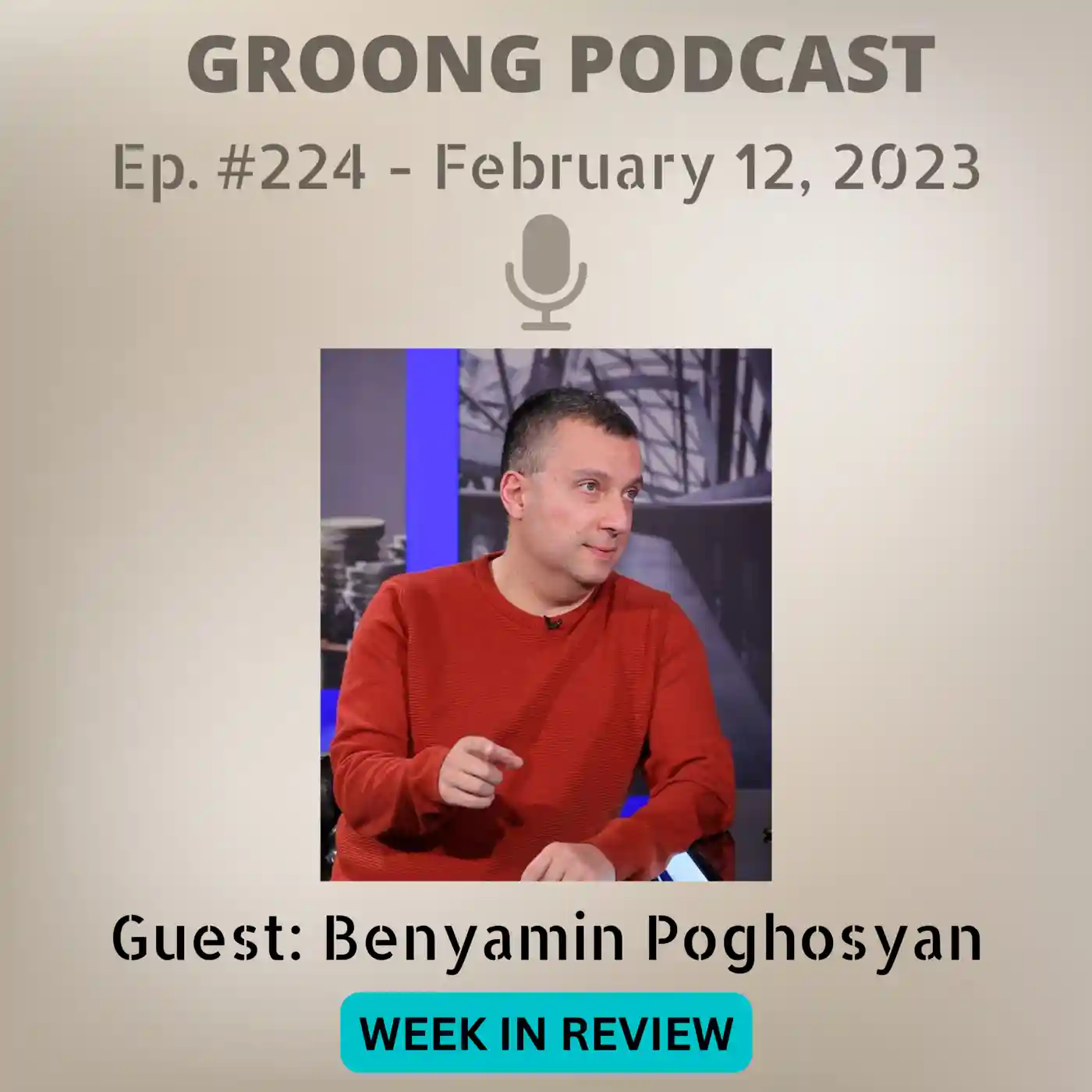
Guest:
Topic:
- Earthquake in Turkey and Syria
- Armenia-Azerbaijan Conflict
- FM Lavrovâs Interview to Russian Media
- EU vs CSTO Missions
- Shifting Public Perceptions
- Political Shuffles in Yerevan
Episode 224 | Recorded: February 12, 2023
Earthquake in Turkey and Syria | Armenia-Azerbaijan Conflict | Lavrov Interview | EU and CSTO Missions | Shifting Public Perceptions | Yerevan Political Shuffle | Ep 224 - Feb 12, 2023 [EP224]
Posted on Sunday, Feb 12, 2023 | Category: Armenia, Politics, Poll, Artsakh, Nagorno Karabakh, Azerbaijan, Turkey, Syria, Russia, Iran, Artsakh Blockade, European Union, Ukraine, China, India, Geopolitics, Genocide, Georgia, Israel, LebanonGuest:
Topic:
- Earthquake in Turkey and Syria
- Armenia-Azerbaijan Conflict
- FM Lavrovâs Interview to Russian Media
- EU vs CSTO Missions
- Shifting Public Perceptions
- Political Shuffles in Yerevan
Episode 224 | Recorded: February 12, 2023
Arthur G Martirosyan | Army Day in Armenia | New EU Civilian Mission to Armenia | Politics of Artsakh Blockade | Ep 219 - Jan 29, 2023 [EP219]
Posted on Sunday, Jan 29, 2023 | Category: Armenia, Artsakh, Politics, Azerbaijan, Nagorno Karabakh, Russia, Iran, USA, Artsakh Blockade, European Union, Turkey, Ukraine, Israel, Genocide, Georgia, Middle East, NATO | Series: wir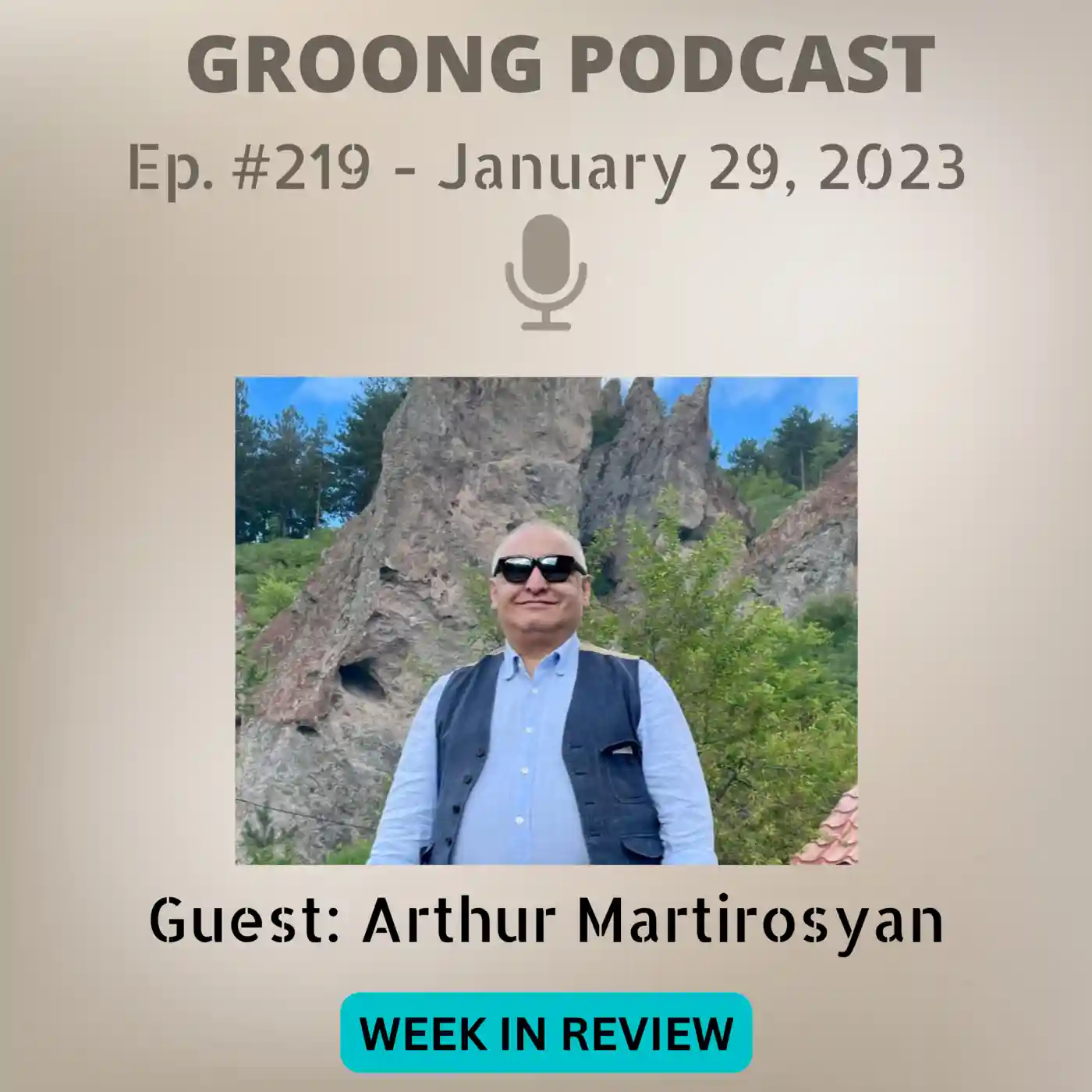
Guest:
Topics:
- Army Day - January 28
- Events at Yerablur
- New EU Monitoring Mission
- Armenia’s Diplomacy
- Russia’s Increasing Displeasure
- Iran’s Tempered Displeasure
- Artsakh Blockade
Episode 219 | Recorded: January 29, 2023
Arthur G Martirosyan | Army Day in Armenia | New EU Civilian Mission to Armenia | Politics of Artsakh Blockade | Ep 219 - Jan 29, 2023 [EP219]
Posted on Sunday, Jan 29, 2023 | Category: Armenia, Artsakh, Politics, Azerbaijan, Nagorno Karabakh, Russia, Iran, USA, Artsakh Blockade, European Union, Turkey, Ukraine, Israel, Genocide, Georgia, Middle East, NATOGuest:
Topics:
- Army Day - January 28
- Events at Yerablur
- New EU Monitoring Mission
- Armenia’s Diplomacy
- Russia’s Increasing Displeasure
- Iran’s Tempered Displeasure
- Artsakh Blockade
Episode 219 | Recorded: January 29, 2023
Artsakh Blockade Flash Update with Gev Iskajyan - Ep 215, Jan 22, 2023 [EP215]
Posted on Sunday, Jan 22, 2023 | Category: Politics, Artsakh, Nagorno Karabakh, Azerbaijan, Artsakh Blockade, Armenia | Series: artsakhblockade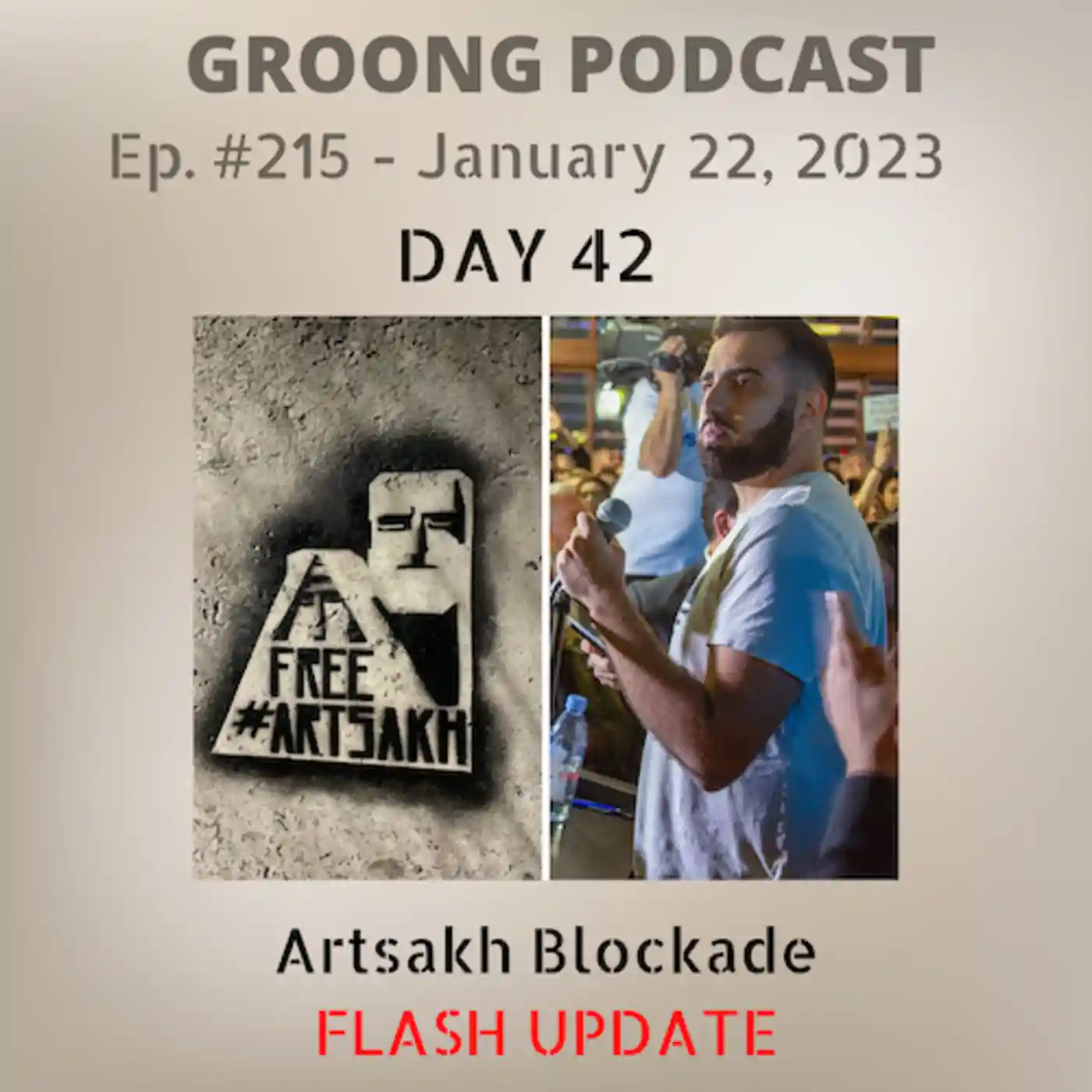
Artsakh Blockade Flash Update with Gev Iskajyan - Ep 215, Jan 22, 2023
Armenian News Network Groong - Jan 22, 2023
Guest:
Topics:
- Gas Cutoff AGAIN
- Azerbaijanâs Psychological and Political Games
- Effect on the Electricity Grid
- Pattern of Increasing Blackouts
- Impressions from Askeran Region
- Urban vs Rural Aspects of the Blockade
- Risk of Normalizing the Pain of Artsakh
- MP Metaxe Hakobyanâs concerns
Episode 215 | Recorded: January 22, 2023
Artsakh Blockade Flash Update with Gev Iskajyan - Ep 215, Jan 22, 2023 [EP215]
Posted on Sunday, Jan 22, 2023 | Category: Politics, Artsakh, Nagorno Karabakh, Azerbaijan, Artsakh Blockade, ArmeniaArtsakh Blockade Flash Update with Gev Iskajyan - Ep 215, Jan 22, 2023
Armenian News Network Groong - Jan 22, 2023
Guest:
Topics:
- Gas Cutoff AGAIN
- Azerbaijanâs Psychological and Political Games
- Effect on the Electricity Grid
- Pattern of Increasing Blackouts
- Impressions from Askeran Region
- Urban vs Rural Aspects of the Blockade
- Risk of Normalizing the Pain of Artsakh
- MP Metaxe Hakobyanâs concerns
Episode 215 | Recorded: January 22, 2023
Rananjay Anand | Indo-Armenian Friendship NGO | Indian Armenian Relations | The Hope & Promise | Ep 209 - Jan 18, 2023 [EP209]
Posted on Wednesday, Jan 18, 2023 | Category: India, Armenia, Relations, Politics, Azerbaijan, Artsakh, Nagorno Karabakh, Russia, Ukraine, BRICS, China, Turkey, Economy, Iran, Israel, Geopolitics, Georgia | Series: cog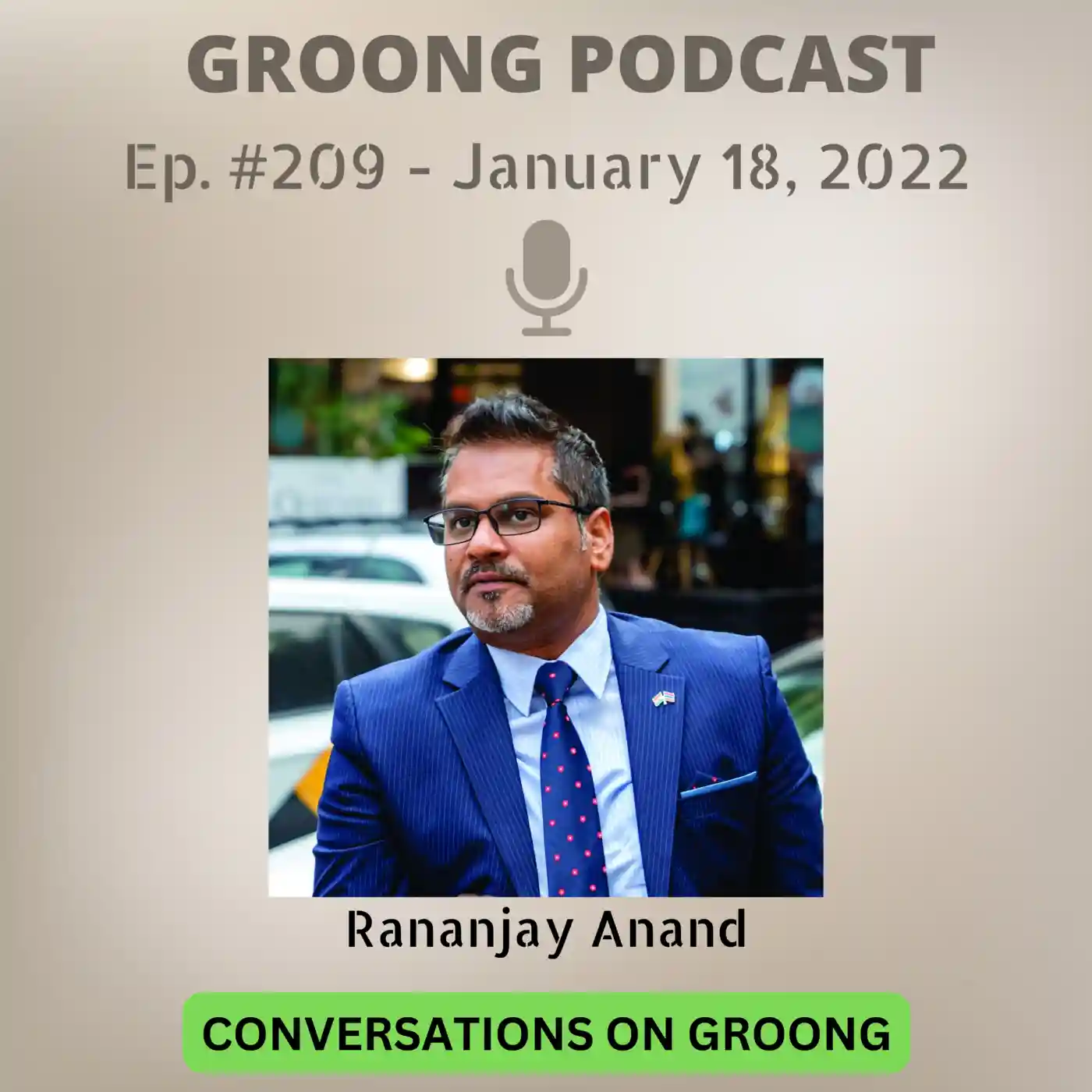
Conversations on Groong - Jan 18, 2023
Guest:
Topics:
- Indo-Armenian Friendship NGO
- The Indian Community in Armenia
- Where India sees itself on the world stage
- Drivers for Indian-Armenian Relations
- How to improve economic and trade relations
- The Hope & Promise of Indian Armenian Friendship
Episode 209 | Recorded: January 18, 2023