South Caucasus
Last updated: May 29, 2026
The South Caucasus sits at the crossroads of Russia, Turkey, Iran, and the broader Middle East — a small region whose internal conflicts have consistently attracted the attention of great powers. The three states of Armenia, Azerbaijan, and Georgia each navigate overlapping and often contradictory security relationships with Moscow, Washington, and Brussels, while managing unresolved territorial disputes and competing integration ambitions.
The 2020 Nagorno Karabakh war and Azerbaijan’s September 2023 offensive — which resulted in the ethnic cleansing of the entire Armenian population of Artsakh from Nagorno Karabakh — reshaped the regional order, accelerating Armenia’s pivot away from Russian security structures, deepening Azerbaijan’s strategic confidence, and leaving Georgia’s own geopolitical direction in flux following disputed elections and mass protests. The region has become a live testing ground for the limits of Russian influence, the reach of Western soft power, and the emerging role of powers like Turkey, Iran, India , and China.
Groong covers the South Caucasus comprehensively — not just Armenia’s domestic politics and security situation, but the regional dynamics that define the constraints and opportunities facing every state in the area. Episodes in this category examine bilateral relationships, multilateral formats, infrastructure corridors, and the geopolitical competition that makes the South Caucasus one of the most consequential small regions in Eurasian politics.
Groong episodes that include this tag
Below are all Groong episodes tagged with South Caucasus.
Sergei Melkonian - Alaska Summit, Trump Corridor, Russia, Azerbaijan, Iran, Our Way | Ep 463, Aug 17, 2025 [EP463]
Posted on Tuesday, Aug 19, 2025 | Category: Armenia, Geopolitics, Artsakh, Nagorno Karabakh, Azerbaijan, Turkey, Russia, Ukraine, Iran, Syria, Armenian Church, NATO | Series: wir, video
Groong Links:
Guest:
Topics:
- Trump-Putin Alaska Summit
- Trump Corridor Politics
- Russian-Azerbaijani Relations
- Russian-Iranian Recalibration
- New Opposition Emerging - Our Way
Episode 463 | Recorded: August 18, 2025
Sergei Melkonian - Alaska Summit, Trump Corridor, Russia, Azerbaijan, Iran, Our Way | Ep 463, Aug 17, 2025 [EP463]
Posted on Tuesday, Aug 19, 2025 | Category: Armenia, Geopolitics, Artsakh, Nagorno Karabakh, Azerbaijan, Turkey, Russia, Ukraine, Iran, Syria, Armenian Church, NATOGroong Links:
Guest:
Topics:
- Trump-Putin Alaska Summit
- Trump Corridor Politics
- Russian-Azerbaijani Relations
- Russian-Iranian Recalibration
- New Opposition Emerging - Our Way
Episode 463 | Recorded: August 18, 2025
Hamid Bahrami - Iran and the corridor through Syunik, Armenia | Ep 461, Aug 16, 2025 [EP461]
Posted on Saturday, Aug 16, 2025 | Category: Iran, Geopolitics, Armenia, Azerbaijan, Russia, China, Turkey, Israel, Nagorno Karabakh, NATO, Ukraine, Syria, Middle East, Georgia | Series: cog, video
Groong Links:
Guest:
Topics:
- TRIPP Corridor & US Involvement
- US-Israel Strategy & War Risks
- Iranâs Missed Opportunities & Shifts
- Future of IranâArmenia Relations
Episode 461 | Recorded: August 13, 2025
Hamid Bahrami - Iran and the corridor through Syunik, Armenia | Ep 461, Aug 16, 2025 [EP461]
Posted on Saturday, Aug 16, 2025 | Category: Iran, Geopolitics, Armenia, Azerbaijan, Russia, China, Turkey, Israel, Nagorno Karabakh, NATO, Ukraine, Syria, Middle East, GeorgiaGroong Links:
Guest:
Topics:
- TRIPP Corridor & US Involvement
- US-Israel Strategy & War Risks
- Iranâs Missed Opportunities & Shifts
- Future of IranâArmenia Relations
Episode 461 | Recorded: August 13, 2025
Dziunik Aghajanian - Trump, Aliyev, Pashinyan Oval Office Meeting and Reactions | Ep 459, Aug 10, 2025 [EP459]
Posted on Tuesday, Aug 12, 2025 | Category: Armenia, Politics, Iran, Nagorno Karabakh, Azerbaijan, Turkey, USA, Russia, BRICS, Genocide, China, Economy, Israel, Ukraine, Human Rights, Lebanon, Middle East, Syria | Series: wir, video
Groong Links:
Guest:
Topics:
- Trump, Aliyev, Pashinyan Meeting
- Iranian Reaction
- Russian Reaction
Episode 459 | Recorded: August 11, 2025
Dziunik Aghajanian - Trump, Aliyev, Pashinyan Oval Office Meeting and Reactions | Ep 459, Aug 10, 2025 [EP459]
Posted on Tuesday, Aug 12, 2025 | Category: Armenia, Politics, Iran, Nagorno Karabakh, Azerbaijan, Turkey, USA, Russia, BRICS, Genocide, China, Economy, Israel, Ukraine, Human Rights, Lebanon, Middle East, SyriaGroong Links:
Guest:
Topics:
- Trump, Aliyev, Pashinyan Meeting
- Iranian Reaction
- Russian Reaction
Episode 459 | Recorded: August 11, 2025
Stanislav Krapivnik - The Evolving World Order, Russia, and the South Caucasus | Ep 458, Aug 9, 2025 [EP458]
Posted on Sunday, Aug 10, 2025 | Category: Georgia, Politics, Ukraine, Artsakh, Nagorno Karabakh, Armenia, Azerbaijan, Armenian Church, Russia, Iran, NATO, Turkey, Economy, Israel | Series: cog, video
Groong Links:
Guest:
Topics:
- Trump, Pashinyan, Aliyev DC Summit
- Ukraine War and the Shifting World Order
- Russia and the South Caucasus
Episode 458 | Recorded: August 9, 2025
Stanislav Krapivnik - The Evolving World Order, Russia, and the South Caucasus | Ep 458, Aug 9, 2025 [EP458]
Posted on Sunday, Aug 10, 2025 | Category: Georgia, Politics, Ukraine, Artsakh, Nagorno Karabakh, Armenia, Azerbaijan, Armenian Church, Russia, Iran, NATO, Turkey, Economy, IsraelGroong Links:
Guest:
Topics:
- Trump, Pashinyan, Aliyev DC Summit
- Ukraine War and the Shifting World Order
- Russia and the South Caucasus
Episode 458 | Recorded: August 9, 2025
Transcript: Stanislav Krapivnik - The Evolving World Order, Russia, and the South Caucasus | Ep 458, Aug 9, 2025 [EP458]
Posted on Sunday, Aug 10, 2025 | Category: Georgia, Politics, Ukraine, Artsakh, Nagorno Karabakh, Armenia, Azerbaijan, Armenian Church, Russia, Iran, NATO, Turkey, Economy, Israel, TranscriptIn this episode, former U.S. Army officer and military-political analyst Stanislav Krapivnik discusses the geopolitical fallout from the Trump-Pashinyan-Aliyev summit in Washington, which saw the announcement of a “peace” framework, the dissolution of the OSCE Minsk Group, U.S. plans for a 99-year “Trump Corridor” across Armenia, and the dropping of Section 907 to allow arms sales to Azerbaijan. He examines Russia’s heavy focus on the Ukraine war at the expense of the South Caucasus, the loss of Russian leverage over Armenia and Azerbaijan, and the growing role of Turkey. Krapivnik warns of Read More
Benyamin Poghosyan - Public Trust in Freefall, Church on the Rise, and Corridor Pressures Mount | Ep 456, Jul 27, 2025 [EP456]
Posted on Tuesday, Jul 29, 2025 | Category: Armenia, Politics, Poll, Russia, Iran, Georgia, Azerbaijan, Turkey, Ukraine, Middle East, Israel, China, India, Geopolitics, Artsakh, Armenian Church, Nagorno Karabakh, European Union, Economy, Syria | Series: wir, video
Groong Links:
Guest:
Topics:
- Corridor Logic
- Crackdown Logic
- IRI Poll
- Russian-Azerbaijani Relations
Episode 456 | Recorded: July 28, 2025
Benyamin Poghosyan - Public Trust in Freefall, Church on the Rise, and Corridor Pressures Mount | Ep 456, Jul 27, 2025 [EP456]
Posted on Tuesday, Jul 29, 2025 | Category: Armenia, Politics, Poll, Russia, Iran, Georgia, Azerbaijan, Turkey, Ukraine, Middle East, Israel, China, India, Geopolitics, Artsakh, Armenian Church, Nagorno Karabakh, European Union, Economy, SyriaGroong Links:
Guest:
Topics:
- Corridor Logic
- Crackdown Logic
- IRI Poll
- Russian-Azerbaijani Relations
Episode 456 | Recorded: July 28, 2025
Arthur Khachatryan - Artsakh Negotiations, Armenian Domestic Politics | Ep 455, Jul 27, 2025 [EP455]
Posted on Sunday, Jul 27, 2025 | Category: Georgia, Politics, Artsakh, Nagorno Karabakh, Azerbaijan, Armenian Church, Armenia, Russia, Turkey, Human Rights, Ukraine, Genocide | Series: cog
Groong Links:
Guest:
- Arthur Khachatryan , MP
Topics:
- Artsakh Negotiations
- Armenian Domestic Politics
Episode 455 | Recorded: July 25, 2025
Arthur Khachatryan - Artsakh Negotiations, Armenian Domestic Politics | Ep 455, Jul 27, 2025 [EP455]
Posted on Sunday, Jul 27, 2025 | Category: Georgia, Politics, Artsakh, Nagorno Karabakh, Azerbaijan, Armenian Church, Armenia, Russia, Turkey, Human Rights, Ukraine, GenocideGroong Links:
Guest:
- Arthur Khachatryan , MP
Topics:
- Artsakh Negotiations
- Armenian Domestic Politics
Episode 455 | Recorded: July 25, 2025
Archil Sikharulidze - Why does Georgia matter for the EU | Ep 454, Jul 24, 2025 [EP454]
Posted on Thursday, Jul 24, 2025 | Category: Georgia, Politics, Armenia, Azerbaijan, Russia, USA, Armenian Church, Nagorno Karabakh, European Union, Iran, China, Turkey, Ukraine, NATO, Economy, Human Rights, India, Israel | Series: cog
Groong Links:
Guest:
Topics:
- EU Strategy in the South Caucasus
- Attacks on the National Church
- 2025 Local Election Politics
Episode 454 | Recorded: July 22, 2025
Archil Sikharulidze - Why does Georgia matter for the EU | Ep 454, Jul 24, 2025 [EP454]
Posted on Thursday, Jul 24, 2025 | Category: Georgia, Politics, Armenia, Azerbaijan, Russia, USA, Armenian Church, Nagorno Karabakh, European Union, Iran, China, Turkey, Ukraine, NATO, Economy, Human Rights, India, IsraelGroong Links:
Guest:
Topics:
- EU Strategy in the South Caucasus
- Attacks on the National Church
- 2025 Local Election Politics
Episode 454 | Recorded: July 22, 2025
Pashinyan Meets Aliyev as Armenia Cracks Down on Opposition and Church | Ep 453, Jul 13, 2025 [EP453]
Posted on Sunday, Jul 13, 2025 | Category: Armenia, Politics, Artsakh, Nagorno Karabakh, Azerbaijan, Turkey, Russia, Armenian Church, Iran, Economy, Israel, NATO, Middle East, Ukraine | Series: wir, video
Groong Links:
Topics:
- Pashinyan meets Aliyev in Abu Dhabi
- Continued Persecution of Church and Opposition
Episode 453 | Recorded: July 13, 2025
Pashinyan Meets Aliyev as Armenia Cracks Down on Opposition and Church | Ep 453, Jul 13, 2025 [EP453]
Posted on Sunday, Jul 13, 2025 | Category: Armenia, Politics, Artsakh, Nagorno Karabakh, Azerbaijan, Turkey, Russia, Armenian Church, Iran, Economy, Israel, NATO, Middle East, UkraineGroong Links:
Topics:
- Pashinyan meets Aliyev in Abu Dhabi
- Continued Persecution of Church and Opposition
Episode 453 | Recorded: July 13, 2025
Arthur Martirosyan - Constitution, Western Controlled Syunik, Church Crackdown | Ep 452, Jul 6, 2025 [EP452]
Posted on Tuesday, Jul 8, 2025 | Category: Armenia, Politics, Turkey, Azerbaijan, Russia, Iran, Armenian Church, Artsakh, Nagorno Karabakh, Ukraine, NATO, China, Economy, Genocide | Series: wir, video
Groong Links:
Guest:
Topics:
- Constitution Day
- Western Controlled Syunik?
- What was Kallas Doing in Yerevan?
- Russian-Azerbaijani Relations
- Coup dâEtat? Or Coup dâÃglise?
- The Kitchen Sink
Episode 452 | Recorded: July 7, 2025
Arthur Martirosyan - Constitution, Western Controlled Syunik, Church Crackdown | Ep 452, Jul 6, 2025 [EP452]
Posted on Tuesday, Jul 8, 2025 | Category: Armenia, Politics, Turkey, Azerbaijan, Russia, Iran, Armenian Church, Artsakh, Nagorno Karabakh, Ukraine, NATO, China, Economy, GenocideGroong Links:
Guest:
Topics:
- Constitution Day
- Western Controlled Syunik?
- What was Kallas Doing in Yerevan?
- Russian-Azerbaijani Relations
- Coup dâEtat? Or Coup dâÃglise?
- The Kitchen Sink
Episode 452 | Recorded: July 7, 2025
Karen Kwiatkowski - Israel Attacks Iran, Where did Trump’s America 1st Go | Ep 450, June 28, 2025 [EP450]
Posted on Saturday, Jun 28, 2025 | Category: Iran, USA, Geopolitics, Israel, Ukraine, China, Russia, Armenia, NATO, Syria, Turkey, Middle East, Lebanon, Azerbaijan | Series: cog, video
Groong Links:
Guest:
Topics:
- The 12-Day War
- Where did Trumpâs American 1st Go?
Episode 450 | Recorded: June 26, 2025
Karen Kwiatkowski - Israel Attacks Iran, Where did Trump’s America 1st Go | Ep 450, June 28, 2025 [EP450]
Posted on Saturday, Jun 28, 2025 | Category: Iran, USA, Geopolitics, Israel, Ukraine, China, Russia, Armenia, NATO, Syria, Turkey, Middle East, Lebanon, AzerbaijanGroong Links:
Guest:
Topics:
- The 12-Day War
- Where did Trumpâs American 1st Go?
Episode 450 | Recorded: June 26, 2025
Transcript: Karen Kwiatkowski - Israel Attacks Iran, Where did Trump’s America 1st Go | Ep 450, June 28, 2025 [EP450]
Posted on Saturday, Jun 28, 2025 | Category: Iran, USA, Geopolitics, Israel, Ukraine, China, Russia, Armenia, NATO, Syria, Turkey, Middle East, Lebanon, Azerbaijan, TranscriptThe 12-Day War. Where did Trump’s American 1st Go?
Sergei Melkonian - Israel & Iran, Opposition Crackdown, Pashinyan in Istanbul | Ep 449, Jun 22, 2025 [EP449]
Posted on Thursday, Jun 26, 2025 | Category: Armenia, Politics, Iran, Israel, Azerbaijan, Turkey, Russia, Artsakh, Nagorno Karabakh, Armenian Church, Economy, China, Middle East | Series: wir, video
Groong Links:
Guest:
Topics:
- Israel and Iran
- Crackdown on the Opposition
- Pashinyan in Istanbul
- The Kitchen Sink
Episode 449 | Recorded: June 25, 2025
Sergei Melkonian - Israel & Iran, Opposition Crackdown, Pashinyan in Istanbul | Ep 449, Jun 22, 2025 [EP449]
Posted on Thursday, Jun 26, 2025 | Category: Armenia, Politics, Iran, Israel, Azerbaijan, Turkey, Russia, Artsakh, Nagorno Karabakh, Armenian Church, Economy, China, Middle EastGroong Links:
Guest:
Topics:
- Israel and Iran
- Crackdown on the Opposition
- Pashinyan in Istanbul
- The Kitchen Sink
Episode 449 | Recorded: June 25, 2025
Arman Grigoryan - Iran and US vs Iran, Strategic Dangers to Armenia | Ep 448, Jun 23, 2025 [EP448]
Posted on Monday, Jun 23, 2025 | Category: Iran, Russia, Armenia, Israel, Politics, Syria, China, USA, Azerbaijan, European Union, Turkey, Ukraine, Middle East, Georgia | Series: cog, video
Groong Links:
Guest:
Topics:
- Israelâs war on Iran and U.S. involvement
- Risks of Iranian regime change or partition
- Strategic dangers to Armenia
Episode 448 | Recorded: June 21, 2025
Arman Grigoryan - Iran and US vs Iran, Strategic Dangers to Armenia | Ep 448, Jun 23, 2025 [EP448]
Posted on Monday, Jun 23, 2025 | Category: Iran, Russia, Armenia, Israel, Politics, Syria, China, USA, Azerbaijan, European Union, Turkey, Ukraine, Middle East, GeorgiaGroong Links:
Guest:
Topics:
- Israelâs war on Iran and U.S. involvement
- Risks of Iranian regime change or partition
- Strategic dangers to Armenia
Episode 448 | Recorded: June 21, 2025
Fyodor Lukyanov - Israel Attacks Iran: Perspectives From Russia | Ep 447, Jun 16, 2025 [EP447]
Posted on Monday, Jun 16, 2025 | Category: Iran, Russia, Armenia, Israel, Politics, Azerbaijan, Georgia, Geopolitics, Turkey, Ukraine, Armenian Church, Artsakh Blockade, NATO, China, Syria, Middle East, Economy | Series: cog, video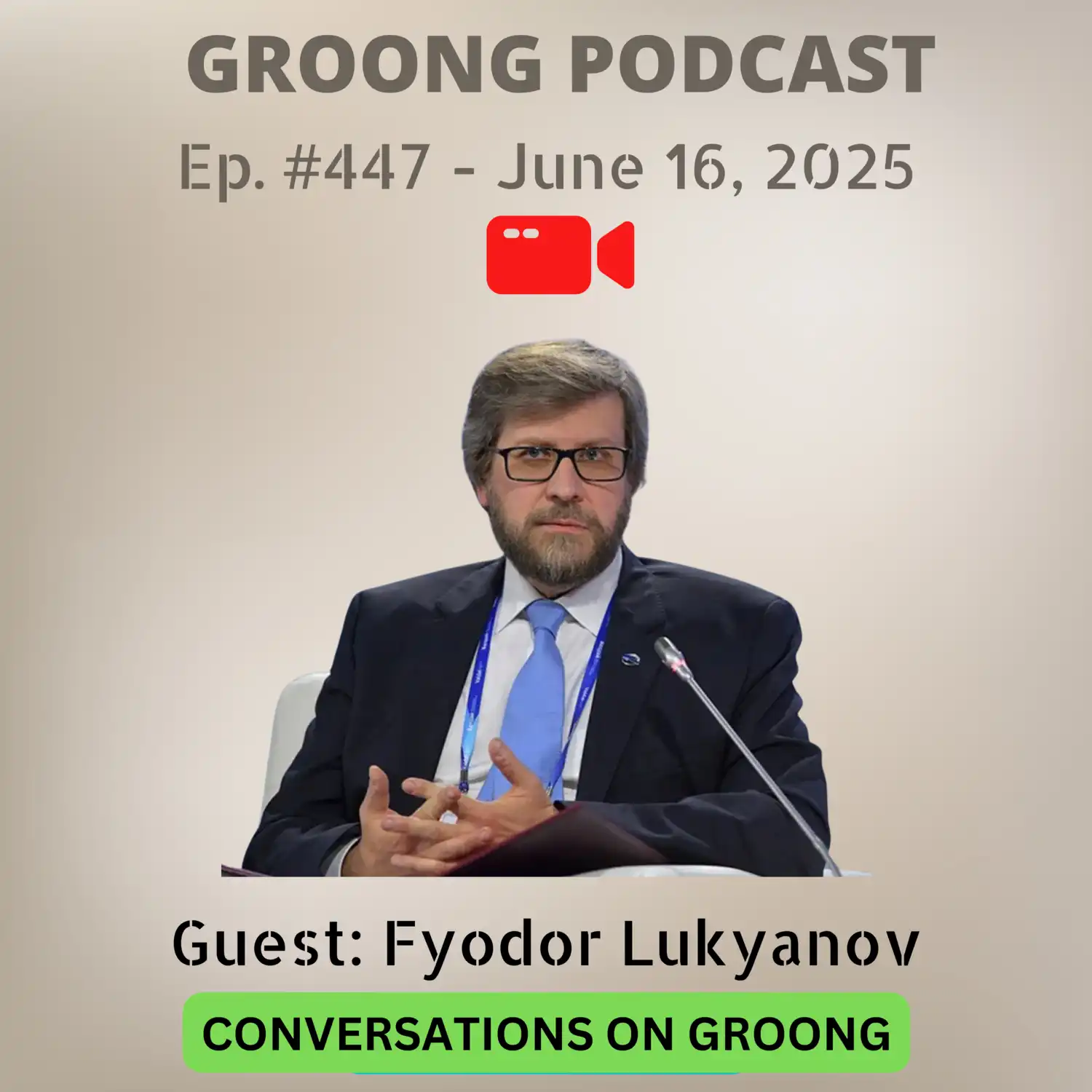
Groong Links:
Guest:
Topics:
- Israel hits Iran, talks collapse
- Armenia at risk if Iran weakens
- Russia hardens stance on Ukraine
Episode 447 | Recorded: June 15, 2025
Fyodor Lukyanov - Israel Attacks Iran: Perspectives From Russia | Ep 447, Jun 16, 2025 [EP447]
Posted on Monday, Jun 16, 2025 | Category: Iran, Russia, Armenia, Israel, Politics, Azerbaijan, Georgia, Geopolitics, Turkey, Ukraine, Armenian Church, Artsakh Blockade, NATO, China, Syria, Middle East, EconomyGroong Links:
Guest:
Topics:
- Israel hits Iran, talks collapse
- Armenia at risk if Iran weakens
- Russia hardens stance on Ukraine
Episode 447 | Recorded: June 15, 2025
Transcript: Fyodor Lukyanov - Israel Attacks Iran: Perspectives From Russia | Ep 447, Jun 16, 2025 [EP447]
Posted on Monday, Jun 16, 2025 | Category: Iran, Russia, Armenia, Israel, Politics, Azerbaijan, Georgia, Geopolitics, Turkey, Ukraine, Armenian Church, Artsakh Blockade, NATO, China, Syria, Middle East, Economy, TranscriptIn this episode of Conversations on Groong, we speak with Fyodor Lukyanov, editor-in-chief of Russia in Global Affairs, to analyze the geopolitical fallout from Israel’s surprise military campaign against Iran, known as Operation Rising Lion. We explore how the attacks may sabotage U.S.-Iran nuclear negotiations, shift Russia’s strategic calculus, and destabilize the South Caucasus—particularly Armenia’s Syunik province. We also examine the implications for Russia-Iran relations, the Zangezur corridor, and Azerbaijan’s military posture. Finally, we discuss Ukraine’s Operation Spiderweb, recent Read More
Rananjay Anand – Will India Turn to Armenia Amid Turkey-Azerbaijan Fallout? | Ep 445, June 12, 2025 [EP445]
Posted on Thursday, Jun 12, 2025 | Category: Armenia, Geopolitics, India, Turkey, Azerbaijan, Nagorno Karabakh, Economy, China, Genocide | Series: cog, video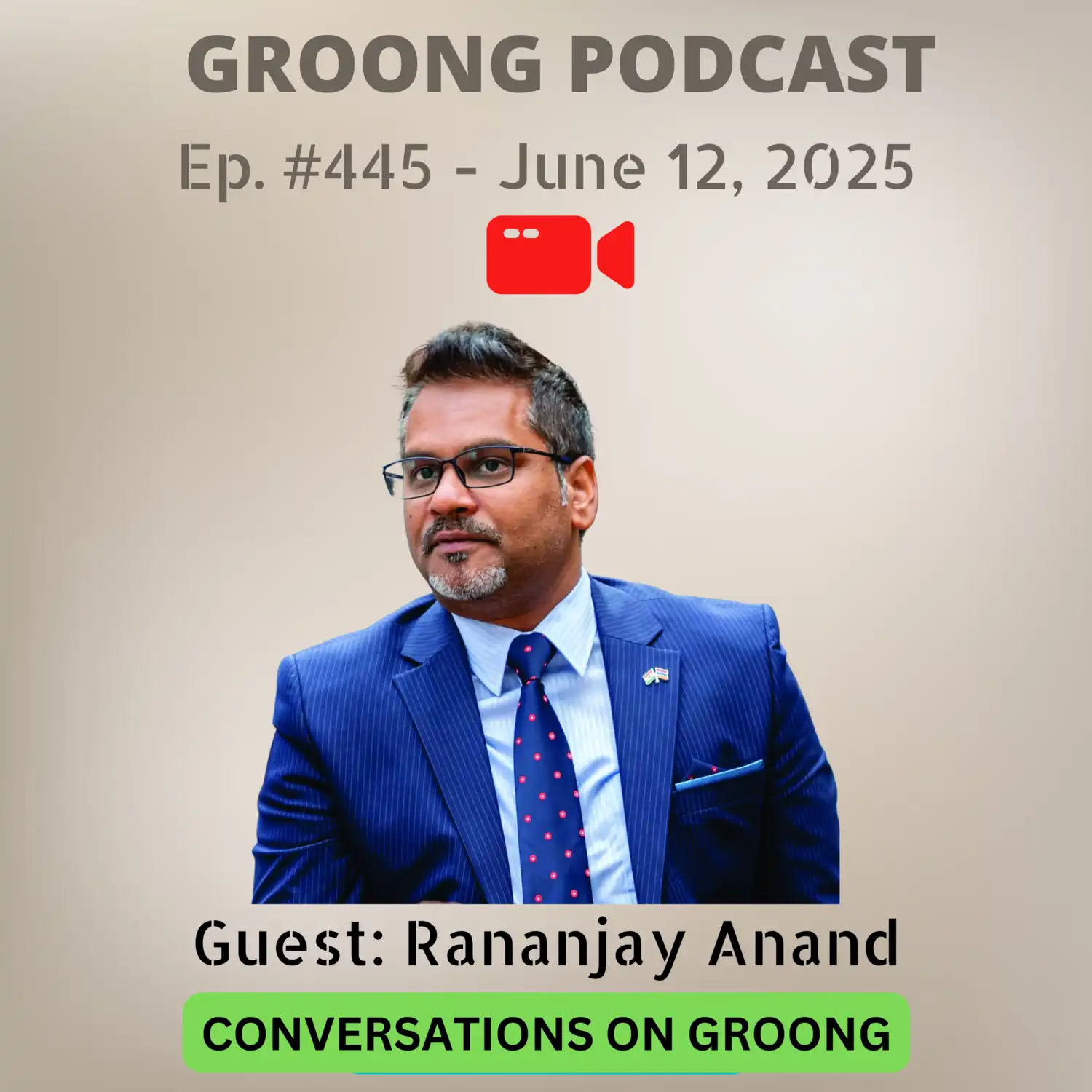
Groong Links:
Guest:
- Rananjay Anand , Co-Founder & President of the Indo-Armenian Friendship NGO.
Topics:
- Operation Sindoor
- Indians Boycott Turkey & Azerbaijan
- Armenia as a Robus Partner
Episode 445 | Recorded: June 9, 2025
Rananjay Anand – Will India Turn to Armenia Amid Turkey-Azerbaijan Fallout? | Ep 445, June 12, 2025 [EP445]
Posted on Thursday, Jun 12, 2025 | Category: Armenia, Geopolitics, India, Turkey, Azerbaijan, Nagorno Karabakh, Economy, China, GenocideGroong Links:
Guest:
- Rananjay Anand , Co-Founder & President of the Indo-Armenian Friendship NGO.
Topics:
- Operation Sindoor
- Indians Boycott Turkey & Azerbaijan
- Armenia as a Robus Partner
Episode 445 | Recorded: June 9, 2025
Abhinav Pandya - From Sindoor to Syunik: India’s New Geopolitical Frontline | Ep 443, June 5, 2025 [EP443]
Posted on Friday, Jun 6, 2025 | Category: Armenia, Geopolitics, India, Azerbaijan, Turkey, Israel, Iran, Artsakh, Nagorno Karabakh, Syria, China, Russia, BRICS, Economy | Series: cog, video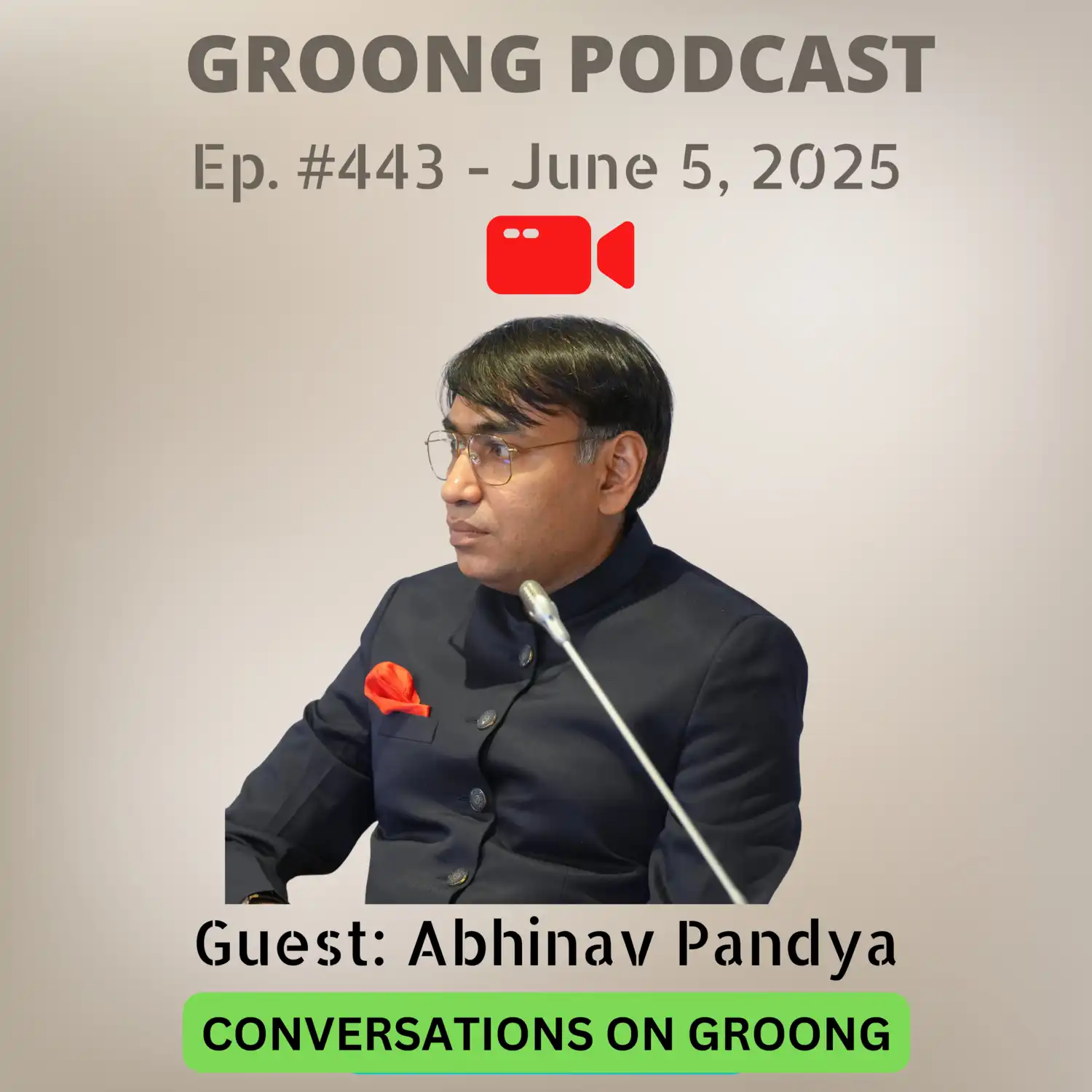
Groong Links:
Guest:
- Dr. Abhinav Pandya , Founder, President and CEO of Usanas Foundation Think Tank.
Topics:
- Turkey-Pakistan-Azerbaijan Axis
- Operation Sindoor
- Armenia As a Strategic Partner
- West Asia and Eurasia Context
- Future Outlook
Episode 443 | Recorded: June 3, 2025
Abhinav Pandya - From Sindoor to Syunik: India’s New Geopolitical Frontline | Ep 443, June 5, 2025 [EP443]
Posted on Friday, Jun 6, 2025 | Category: Armenia, Geopolitics, India, Azerbaijan, Turkey, Israel, Iran, Artsakh, Nagorno Karabakh, Syria, China, Russia, BRICS, EconomyGroong Links:
Guest:
- Dr. Abhinav Pandya , Founder, President and CEO of Usanas Foundation Think Tank.
Topics:
- Turkey-Pakistan-Azerbaijan Axis
- Operation Sindoor
- Armenia As a Strategic Partner
- West Asia and Eurasia Context
- Future Outlook
Episode 443 | Recorded: June 3, 2025
Benyamin Poghosyan - Ukraine and US-Iran, Fidan in Moscow, Lachin, Azerbaijan and Pashinyan attack Armenian Church, Impeachment vs. Elections | Ep 442, June 1, 2025 [EP442]
Posted on Tuesday, Jun 3, 2025 | Category: Armenia, Politics, Iran, Geopolitics, Artsakh, Nagorno Karabakh, Azerbaijan, Georgia, Turkey, Russia, Armenian Church, Ukraine, India, Israel, China, Syria, Economy, European Union | Series: wir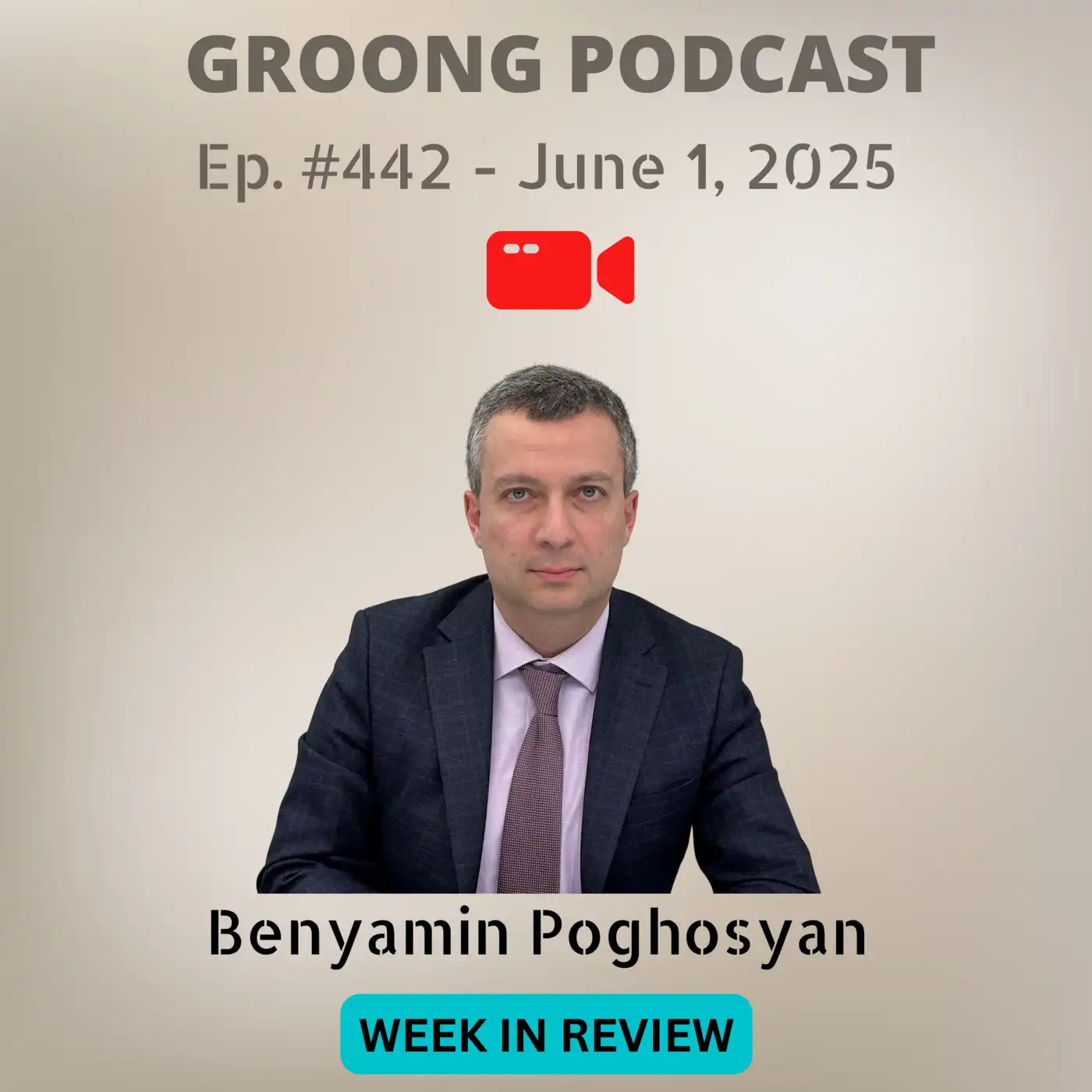
Groong Links:
Guest:
Topics:
- Status of Ukraine and US-Iran Crises
- Hakan Fidan in Moscow
- Erdogan, Aliyev, Sharif in Lachin
- Azerbaijan and Pashinyan Attack the Armenian Church
- Impeachment vs. Elections
- The Kitchen Sink
Episode 442 | Recorded: June 2, 2025
Benyamin Poghosyan - Ukraine and US-Iran, Fidan in Moscow, Lachin, Azerbaijan and Pashinyan attack Armenian Church, Impeachment vs. Elections | Ep 442, June 1, 2025 [EP442]
Posted on Tuesday, Jun 3, 2025 | Category: Armenia, Politics, Iran, Geopolitics, Artsakh, Nagorno Karabakh, Azerbaijan, Georgia, Turkey, Russia, Armenian Church, Ukraine, India, Israel, China, Syria, Economy, European UnionGroong Links:
Guest:
Topics:
- Status of Ukraine and US-Iran Crises
- Hakan Fidan in Moscow
- Erdogan, Aliyev, Sharif in Lachin
- Azerbaijan and Pashinyan Attack the Armenian Church
- Impeachment vs. Elections
- The Kitchen Sink
Episode 442 | Recorded: June 2, 2025
Arthur Khachatryan – Republic Day, EU Drama, and Constitutional Chaos | Ep 441, May 25, 2025 [EP441]
Posted on Thursday, May 29, 2025 | Category: Armenia, Politics, Artsakh, Nagorno Karabakh, Azerbaijan, Georgia, Turkey, Russia, Artsakh Blockade, Armenian Genocide, Genocide, Iran, Human Rights, Economy | Series: wir, video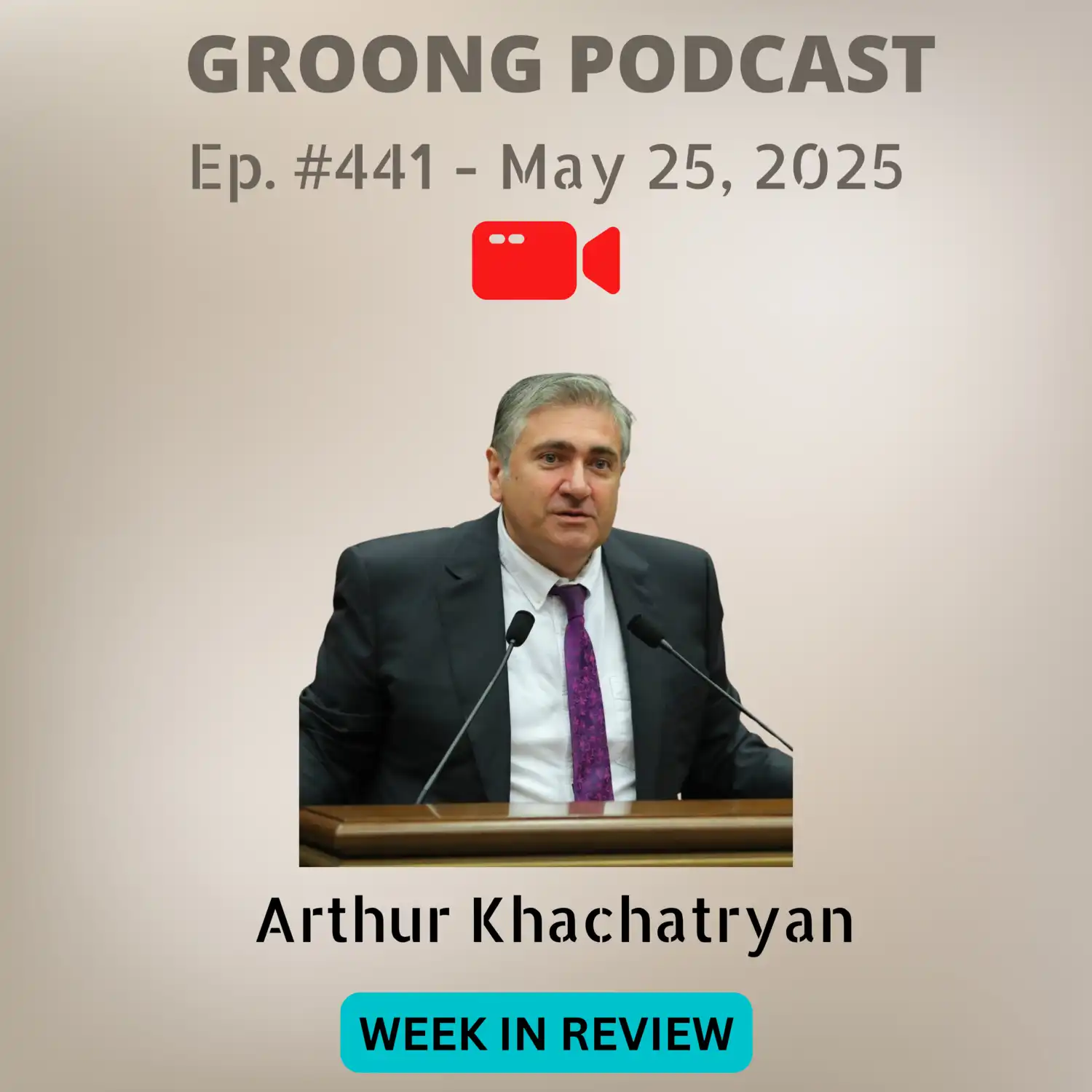
Groong Links:
Guest:
Topics:
- May 28, Republic Day
- Armeniaâs EU-Russia policy confusion
- Constitutional changes for âpeaceâ
- Impeachment vs. election dilemma
- Azeri invasion threat and silence
Episode 441 | Recorded: May 28, 2025
Arthur Khachatryan – Republic Day, EU Drama, and Constitutional Chaos | Ep 441, May 25, 2025 [EP441]
Posted on Thursday, May 29, 2025 | Category: Armenia, Politics, Artsakh, Nagorno Karabakh, Azerbaijan, Georgia, Turkey, Russia, Artsakh Blockade, Armenian Genocide, Genocide, Iran, Human Rights, EconomyGroong Links:
Guest:
Topics:
- May 28, Republic Day
- Armeniaâs EU-Russia policy confusion
- Constitutional changes for âpeaceâ
- Impeachment vs. election dilemma
- Azeri invasion threat and silence
Episode 441 | Recorded: May 28, 2025
Levon Zourabian - US-Iran, Russia-Ukraine, Armenia-Azerbaijan, 2026 Campaigns | Ep 439, May 26, 2025 [EP439]
Posted on Tuesday, May 27, 2025 | Category: Armenia, Geopolitics, Iran, Russia, Ukraine, Israel, Azerbaijan, Economy, Turkey, Middle East, European Union, Genocide | Series: cog, video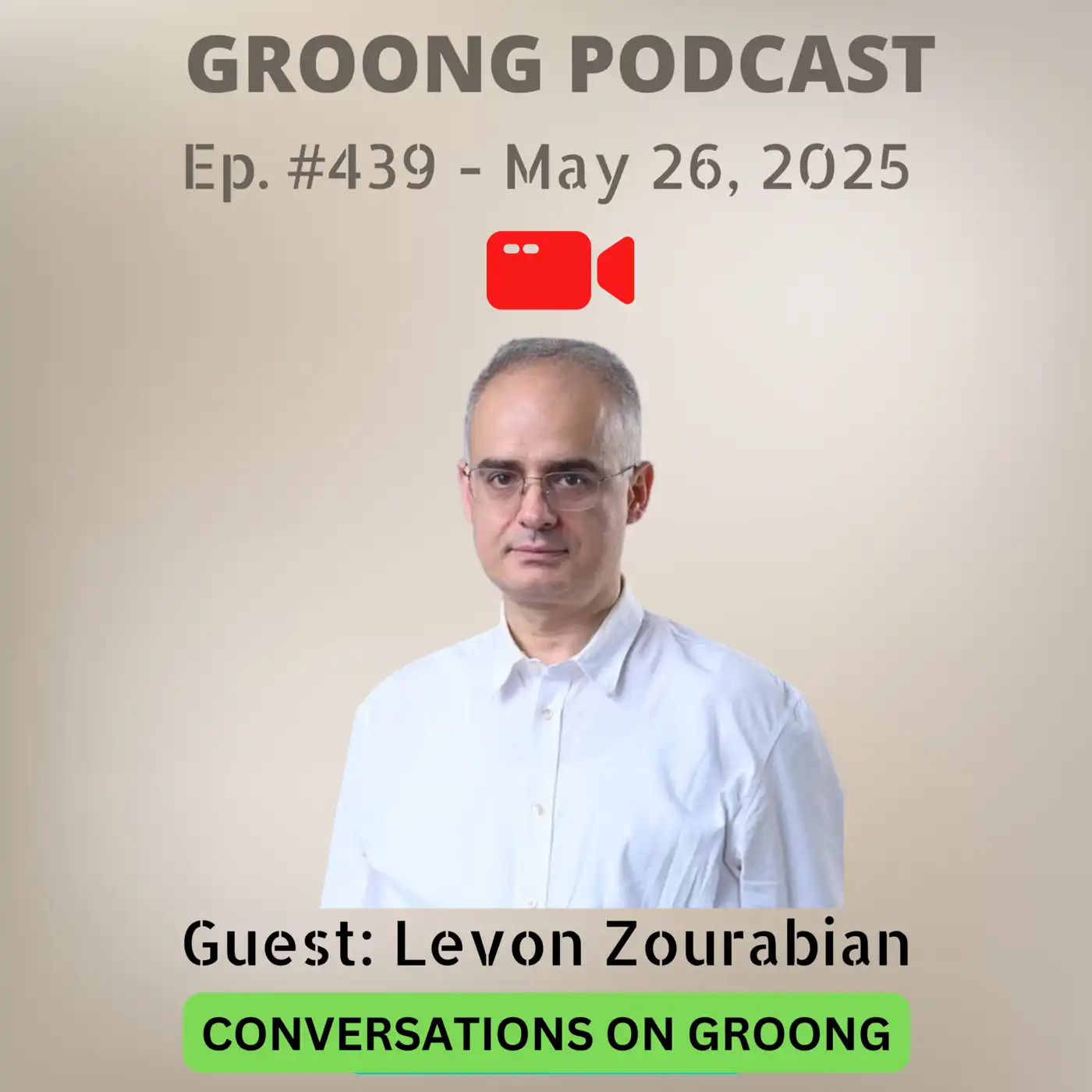
Groong Links:
Guest:
- Levon Zourabian , Vice-President of the Armenian National Congress (ANC) party of Armenia.
Topics:
- US-Iran Nuclear Talks
- Russia and Ukraine
- Armenia Azerbaijan Talks
- Armenian Elections in 2026
Episode 439 | Recorded: May 23, 2025
Levon Zourabian - US-Iran, Russia-Ukraine, Armenia-Azerbaijan, 2026 Campaigns | Ep 439, May 26, 2025 [EP439]
Posted on Tuesday, May 27, 2025 | Category: Armenia, Geopolitics, Iran, Russia, Ukraine, Israel, Azerbaijan, Economy, Turkey, Middle East, European Union, GenocideGroong Links:
Guest:
- Levon Zourabian , Vice-President of the Armenian National Congress (ANC) party of Armenia.
Topics:
- US-Iran Nuclear Talks
- Russia and Ukraine
- Armenia Azerbaijan Talks
- Armenian Elections in 2026
Episode 439 | Recorded: May 23, 2025
Ehsan Movahedian - Iran Amidst Geopolitical Tensions | Ep 437, May 19, 2025 [EP437]
Posted on Monday, May 19, 2025 | Category: Iran, Armenia, Geopolitics, USA, Russia, Israel, Azerbaijan, Syria, Turkey, Georgia, Nagorno Karabakh, NATO, China, Middle East, Economy | Series: cog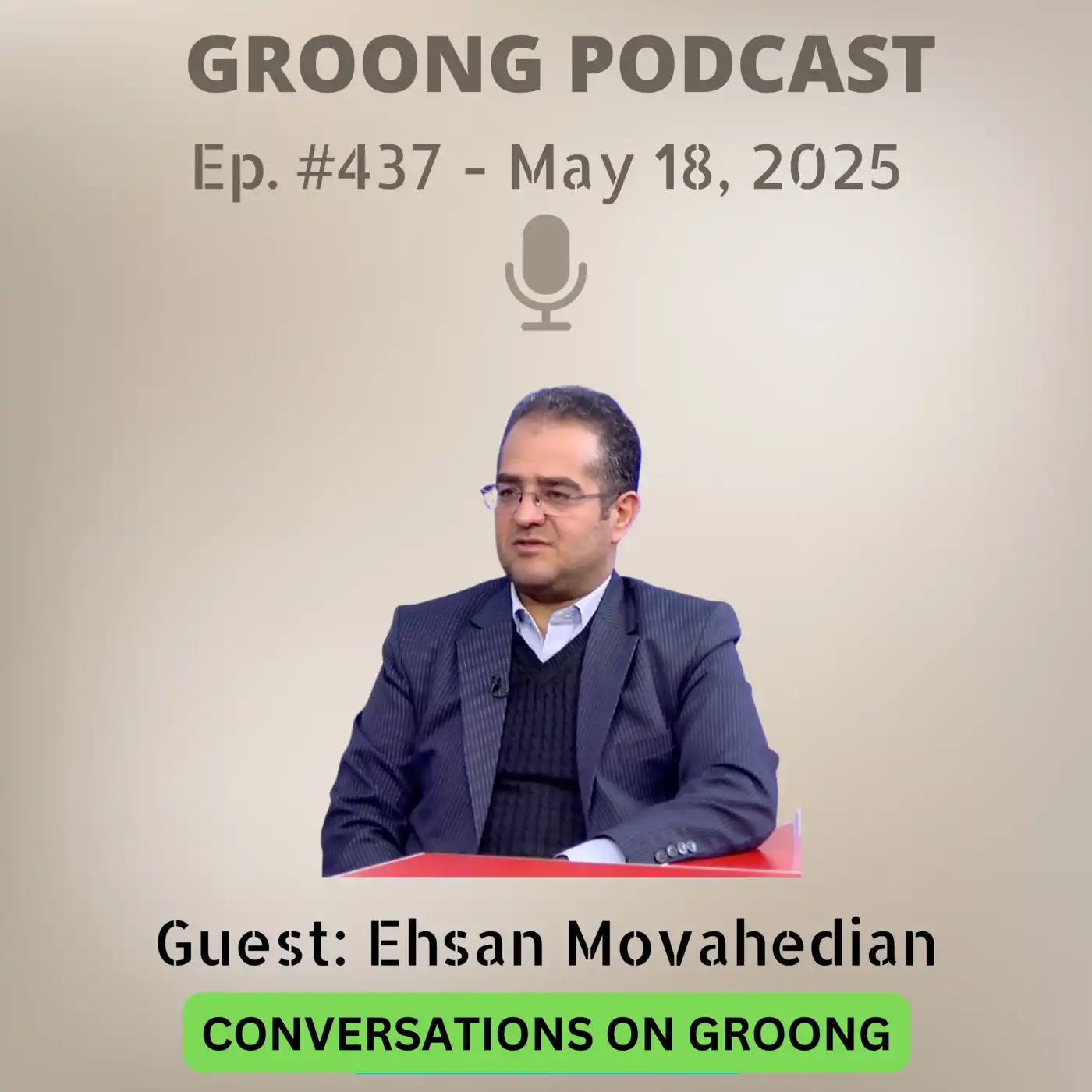
Groong Links:
Guest:
Topics:
- US-Iran Nuclear Talks
- Pezeshkian Visit to Baku
- Iran-Armenia Relations
- US Support for Azerbaijan
Episode 437 | Recorded: May 16, 2025
Ehsan Movahedian - Iran Amidst Geopolitical Tensions | Ep 437, May 19, 2025 [EP437]
Posted on Monday, May 19, 2025 | Category: Iran, Armenia, Geopolitics, USA, Russia, Israel, Azerbaijan, Syria, Turkey, Georgia, Nagorno Karabakh, NATO, China, Middle East, EconomyGroong Links:
Guest:
Topics:
- US-Iran Nuclear Talks
- Pezeshkian Visit to Baku
- Iran-Armenia Relations
- US Support for Azerbaijan
Episode 437 | Recorded: May 16, 2025
Benyamin Poghosyan - US-Iran Tensions, Armenia-Azerbaijan, Victory Day, Journalist Assaulted | Ep 434, May 4, 2025 [EP434]
Posted on Wednesday, May 7, 2025 | Category: Armenia, Politics, Iran, Geopolitics, Artsakh, Nagorno Karabakh, Azerbaijan, Georgia, Turkey, Russia, Israel, China, Ukraine, Syria | Series: wir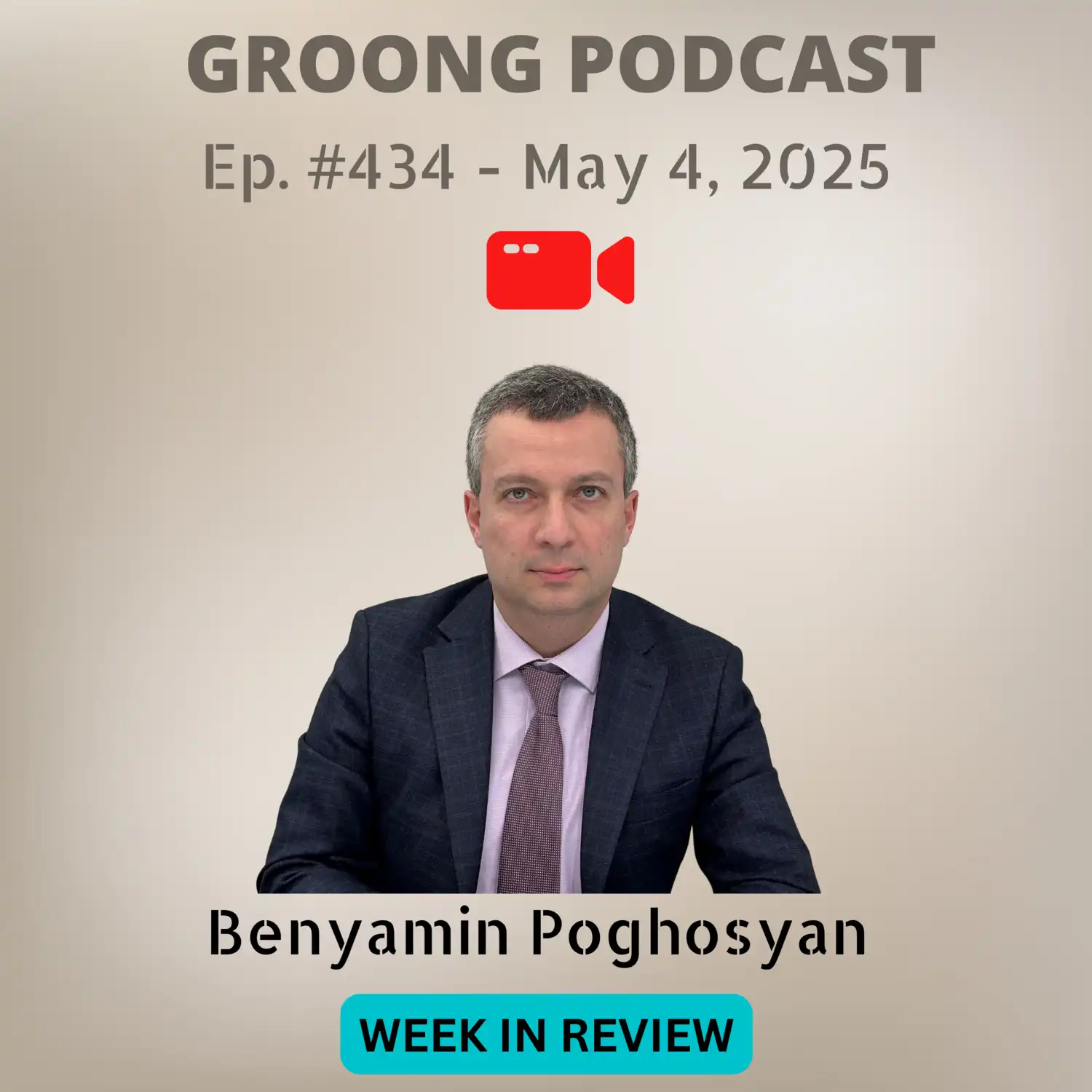
Groong Links:
Guest:
Topics:
- Iran Sanctions Escalate Amid Tensions
- Journalist Beaten Inside Yerevan Office
- Moscow Celebrates Victory Day Parade
- Armenia Caught Between EU and Russia
Episode 434 | Recorded: May 6, 2025
Benyamin Poghosyan - US-Iran Tensions, Armenia-Azerbaijan, Victory Day, Journalist Assaulted | Ep 434, May 4, 2025 [EP434]
Posted on Wednesday, May 7, 2025 | Category: Armenia, Politics, Iran, Geopolitics, Artsakh, Nagorno Karabakh, Azerbaijan, Georgia, Turkey, Russia, Israel, China, Ukraine, SyriaGroong Links:
Guest:
Topics:
- Iran Sanctions Escalate Amid Tensions
- Journalist Beaten Inside Yerevan Office
- Moscow Celebrates Victory Day Parade
- Armenia Caught Between EU and Russia
Episode 434 | Recorded: May 6, 2025
Scott Horton - on his book Provoked, U.S. Foreign Policy, Color Revolutions, Ukraine War, Armenia, and more | Ep 433, May 4, 2025 [EP433]
Posted on Sunday, May 4, 2025 | Category: Ukraine, Armenia, Russia, Azerbaijan, Georgia, Nagorno Karabakh, Artsakh, NATO, Israel, Iran, Syria, Turkey, Economy, Genocide, European Union, Lebanon | Series: cog, video
Groong Links:
Guest:
- Scott Horton , Ed. Dir. The Libertarian Institute, AntiWar.com
Topics:
- What happened to Antiwar Voices
- Color Revolutions as US Strategy
- Armenia and Pipeline Geopolitics
- And more!
Episode 433 | Recorded: May 2, 2025
Scott Horton - on his book Provoked, U.S. Foreign Policy, Color Revolutions, Ukraine War, Armenia, and more | Ep 433, May 4, 2025 [EP433]
Posted on Sunday, May 4, 2025 | Category: Ukraine, Armenia, Russia, Azerbaijan, Georgia, Nagorno Karabakh, Artsakh, NATO, Israel, Iran, Syria, Turkey, Economy, Genocide, European Union, LebanonGroong Links:
Guest:
- Scott Horton , Ed. Dir. The Libertarian Institute, AntiWar.com
Topics:
- What happened to Antiwar Voices
- Color Revolutions as US Strategy
- Armenia and Pipeline Geopolitics
- And more!
Episode 433 | Recorded: May 2, 2025
Transcript: Scott Horton - on his book Provoked, U.S. Foreign Policy, Color Revolutions, Ukraine War, Armenia, and more | Ep 433, May 4, 2025 [EP433]
Posted on Sunday, May 4, 2025 | Category: Ukraine, Armenia, Russia, Azerbaijan, Georgia, Nagorno Karabakh, Artsakh, NATO, Israel, Iran, Syria, Turkey, Economy, Genocide, European Union, Lebanon, TranscriptWhat happened to Antiwar Voices. Color Revolutions as US Strategy. Armenia and Pipeline Geopolitics. And more!
Dziunik Aghajanian - Armenian State Genocide Denial, Politics of Silence, Pezeshkian in Baku, Bandar Abbas | Ep 432, Apr 27, 2025 [EP432]
Posted on Wednesday, Apr 30, 2025 | Category: Armenia, Politics, Iran, Artsakh, Nagorno Karabakh, Turkey, Azerbaijan, Russia, China, India, Geopolitics, Diaspora, Armenian Genocide, Artsakh Blockade, BRICS, Genocide, European Union, Middle East, Economy, Lebanon, Georgia, Human Rights, Israel | Series: wir, video
Groong Links:
Guest:
Topics:
- Genocide Recognition and State Silence
- Iran-Azerbaijan Talks & Geopolitical Shifts
- Bandar Abbas: Explosion, or Warning?
Episode 432 | Recorded: April 29, 2025
Dziunik Aghajanian - Armenian State Genocide Denial, Politics of Silence, Pezeshkian in Baku, Bandar Abbas | Ep 432, Apr 27, 2025 [EP432]
Posted on Wednesday, Apr 30, 2025 | Category: Armenia, Politics, Iran, Artsakh, Nagorno Karabakh, Turkey, Azerbaijan, Russia, China, India, Geopolitics, Diaspora, Armenian Genocide, Artsakh Blockade, BRICS, Genocide, European Union, Middle East, Economy, Lebanon, Georgia, Human Rights, IsraelGroong Links:
Guest:
Topics:
- Genocide Recognition and State Silence
- Iran-Azerbaijan Talks & Geopolitical Shifts
- Bandar Abbas: Explosion, or Warning?
Episode 432 | Recorded: April 29, 2025
Groong Links:
Guest:
Topics:
- U.S. Tariff Wars
- Target: Iran
- The Global South
- The Belt and Road Initiative
Episode 427 | Recorded: April 6, 2025
Groong Links:
Guest:
Topics:
- U.S. Tariff Wars
- Target: Iran
- The Global South
- The Belt and Road Initiative
Episode 427 | Recorded: April 6, 2025
Transcript: Warwick Powell - U.S., China, Tariff Wars, and Multipolarity | Ep 427, Apr 8, 2025 [EP427]
Posted on Thursday, Apr 10, 2025 | Category: Armenia, World, Geopolitics, Economy, USA, China, India, Iran, Russia, Israel, BRICS, TranscriptIn this Conversations on Groong episode, we speak with Professor Warwick Powell about the tectonic shifts in global trade, economics, and geopolitics. From Washington’s renewed tariff wars to China’s expanding influence through BRICS and infrastructure initiatives like the BRI, Powell shares his insights on the emerging multipolar order and the declining dominance of the U.S.-centric financial system.
Dziunik Aghajanian - Illusions of Peace and Geopolitical Games | Ep 424 - Mar 23, 2025 [EP424]
Posted on Wednesday, Mar 26, 2025 | Category: Armenia, Politics, Iran, Artsakh, Nagorno Karabakh, Azerbaijan, Middle East, Israel, Geopolitics, Russia, Syria, Turkey, Lebanon, Ukraine, China | Series: wir, video
Groong Links:
Guest:
Topics:
- Trumpâs Iran ultimatum explored
- Turkeyâs protests seen as strategic
- Azerbaijanâs peace deal as smokescreen
- Armeniaâs Westward drift analyzed
- Gyumri elections stir controversy
Episode 424 | Recorded: March 25, 2025
Dziunik Aghajanian - Illusions of Peace and Geopolitical Games | Ep 424 - Mar 23, 2025 [EP424]
Posted on Wednesday, Mar 26, 2025 | Category: Armenia, Politics, Iran, Artsakh, Nagorno Karabakh, Azerbaijan, Middle East, Israel, Geopolitics, Russia, Syria, Turkey, Lebanon, Ukraine, ChinaGroong Links:
Guest:
Topics:
- Trumpâs Iran ultimatum explored
- Turkeyâs protests seen as strategic
- Azerbaijanâs peace deal as smokescreen
- Armeniaâs Westward drift analyzed
- Gyumri elections stir controversy
Episode 424 | Recorded: March 25, 2025
Benyamin Poghosyan - Peace or Capitulation? Armenia's Dilemma & Ukraine Shifts | Ep 423 - Mar 16, 2025 [EP423]
Posted on Tuesday, Mar 18, 2025 | Category: Armenia, Politics, Artsakh, Azerbaijan, Geopolitics, Russia, Iran, Turkey, Nagorno Karabakh, NATO, European Union, Ukraine, Israel, China, Middle East, Genocide | Series: wir
Groong Links:
Guest:
Topics:
- Armenia-Azerbaijan “Treaty”: Concessions, secrecy, opposition backlash.
- Preconditions for Peace: OSCE Minsk dissolution, constitutional changes.
- Ukraine War Talks: Jeddah negotiations, UAV attacks, Trump-Putin call.
- Witkoffâs Baku Stop: Mysterious visit raising geopolitical questions.
Episode 423 | Recorded: March 17, 2025
Benyamin Poghosyan - Peace or Capitulation? Armenia's Dilemma & Ukraine Shifts | Ep 423 - Mar 16, 2025 [EP423]
Posted on Tuesday, Mar 18, 2025 | Category: Armenia, Politics, Artsakh, Azerbaijan, Geopolitics, Russia, Iran, Turkey, Nagorno Karabakh, NATO, European Union, Ukraine, Israel, China, Middle East, GenocideGroong Links:
Guest:
Topics:
- Armenia-Azerbaijan “Treaty”: Concessions, secrecy, opposition backlash.
- Preconditions for Peace: OSCE Minsk dissolution, constitutional changes.
- Ukraine War Talks: Jeddah negotiations, UAV attacks, Trump-Putin call.
- Witkoffâs Baku Stop: Mysterious visit raising geopolitical questions.
Episode 423 | Recorded: March 17, 2025
Hrant Mikaelian - Abkhazia Polls, Armenian Hostages in Baku, Yerevan Protests | Ep 421, Mar 2, 2025 [EP421]
Posted on Wednesday, Mar 5, 2025 | Category: Armenia, Politics, Artsakh, Azerbaijan, Geopolitics, Human Rights, Russia, Nagorno Karabakh, Georgia, Turkey, Ukraine, Iran, China, Israel, Middle East | Series: wir
Groong Links:
Guest:
Topics:
- Abkhaz Elections & Regional Implications â The second round of Abkhaziaâs presidential elections, the impact of mass protests, and what Badra Gunbaâs victory means for the region.
- Armenian Hostages in Baku â Ongoing trials of Armenian POWs and former Artsakh leaders, reports of torture, and international calls for independent medical evaluations.
- Protests in Yerevan Over POWs â Civil society and opposition-led demonstrations demanding stronger government action and international intervention.
Hrant Mikaelian - Abkhazia Polls, Armenian Hostages in Baku, Yerevan Protests | Ep 421, Mar 2, 2025 [EP421]
Posted on Wednesday, Mar 5, 2025 | Category: Armenia, Politics, Artsakh, Azerbaijan, Geopolitics, Human Rights, Russia, Nagorno Karabakh, Georgia, Turkey, Ukraine, Iran, China, Israel, Middle EastGroong Links:
Guest:
Topics:
- Abkhaz Elections & Regional Implications â The second round of Abkhaziaâs presidential elections, the impact of mass protests, and what Badra Gunbaâs victory means for the region.
- Armenian Hostages in Baku â Ongoing trials of Armenian POWs and former Artsakh leaders, reports of torture, and international calls for independent medical evaluations.
- Protests in Yerevan Over POWs â Civil society and opposition-led demonstrations demanding stronger government action and international intervention.
Carden, Shakarian - Trump, Foreign Policy, Foreign Aid, US-Armenia and Regions | Ep 420, Mar 3, 2025 [EP420]
Posted on Tuesday, Mar 4, 2025 | Category: USA, Ukraine, Russia, Armenia, Azerbaijan, Turkey, Geopolitics, China, Nagorno Karabakh, NATO, Israel, Iran, Georgia, Human Rights, Syria, Genocide | Series: cog, video
Groong Links:
Guest:
Topics:
- US Foreign Policy Under Trump
- Transactional Foreign Policy
- Trumpâs Cabinet & Policy Shifts
- US-Armenia Relations
Episode 420 | Recorded: February 27, 2025
Carden, Shakarian - Trump, Foreign Policy, Foreign Aid, US-Armenia and Regions | Ep 420, Mar 3, 2025 [EP420]
Posted on Tuesday, Mar 4, 2025 | Category: USA, Ukraine, Russia, Armenia, Azerbaijan, Turkey, Geopolitics, China, Nagorno Karabakh, NATO, Israel, Iran, Georgia, Human Rights, Syria, GenocideGroong Links:
Guest:
Topics:
- US Foreign Policy Under Trump
- Transactional Foreign Policy
- Trumpâs Cabinet & Policy Shifts
- US-Armenia Relations
Episode 420 | Recorded: February 27, 2025
Hrant Mikaelian - Review of the Armenian Economy in 2024 | Ep 417, Feb 22, 2025 [EP417]
Posted on Saturday, Feb 22, 2025 | Category: Armenia, Turkey, Artsakh, Economy, Poll, Nagorno Karabakh, Russia, Georgia, European Union, Azerbaijan, Ukraine, Iran, NATO, India | Series: cog
Groong Links:
Guest:
Topics:
- TBD
Episode 417 | Recorded: February 12, 2025