Russia
Groong episodes that include this tag
Below are all Groong episodes tagged with Russia.
Arthur Martirosyan - Armenia at a Crossroads: Railways, Reactors, and Security | Ep 594, Oct 17, 2026 [EP594]
Posted on Saturday, Oct 17, 2026 | Category: Armenia, Politics, Geopolitics | Series: cog, video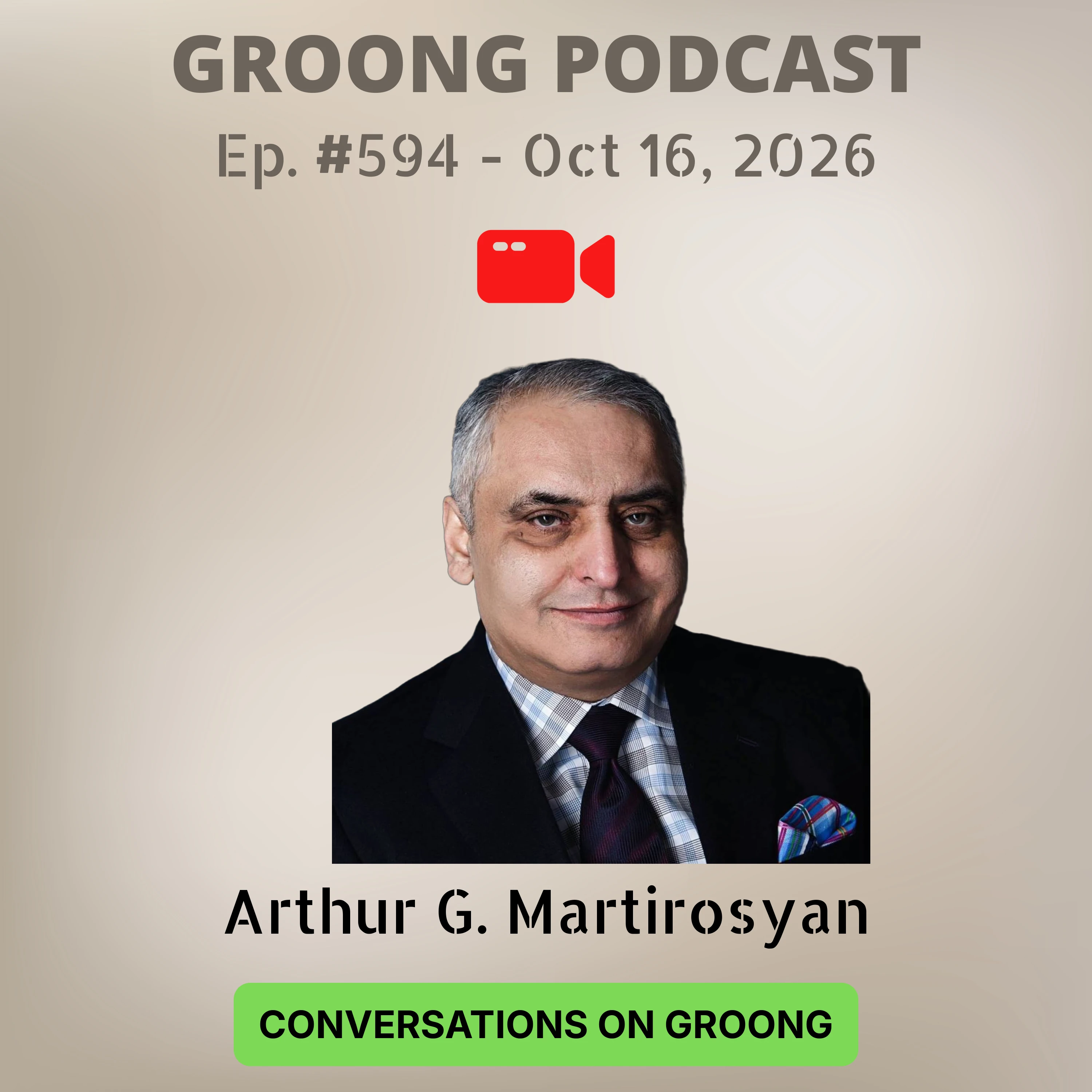
Groong Links:
Guest(s):
Topics:
- Azeri Soldier Infiltration and Shaki Shooting
- Government Accountability and Border Security Failures
- Russian Railways and Armenia’s Strategic Options
- Nuclear Power: Russian Reactors vs. Western SMRs
- TRIPP and Armenia’s Geopolitical Balancing Act
- COP17, Environmental Destruction, and Appeasing Azerbaijan
Episode 594 | Recorded: October 16, 2026
#ArmenianElections #Armenia #NikolPashinyan #CivilContract #StrongArmenia #ArmenianOpposition
Read MoreArthur Martirosyan - Armenia at a Crossroads: Railways, Reactors, and Security | Ep 594, Oct 17, 2026 [EP594]
Posted on Saturday, Oct 17, 2026 | Category: Armenia, Politics, GeopoliticsGroong Links:
Guest(s):
Topics:
- Azeri Soldier Infiltration and Shaki Shooting
- Government Accountability and Border Security Failures
- Russian Railways and Armenia’s Strategic Options
- Nuclear Power: Russian Reactors vs. Western SMRs
- TRIPP and Armenia’s Geopolitical Balancing Act
- COP17, Environmental Destruction, and Appeasing Azerbaijan
Episode 594 | Recorded: October 16, 2026
#ArmenianElections #Armenia #NikolPashinyan #CivilContract #StrongArmenia #ArmenianOpposition
Read MoreThe US Has No Operational SMR [EP594]
Posted on Saturday, Oct 17, 2026 | Category: Technology, Politics, ArmeniaMartirosyan points out the US has no operational small modular reactor, undercutting a key piece of Armenia’s nuclear bluff with Russia.
Transcript: Arthur Martirosyan - Armenia at a Crossroads: Railways, Reactors, and Security | Ep 594, Oct 17, 2026 [EP594]
Posted on Saturday, Oct 17, 2026 | Category: Armenia, Politics, Geopolitics, TranscriptIn this episode of Conversations on Groong, we speak with Arthur G. Martirosyan about Armenia at a crossroads in politics and security. We discuss the Shaki infiltration incident and government accountability, Pashinyan’s standoff with Russian Railways over the rail concession, nuclear energy options including Western SMRs versus Russian reactors, TRIPP’s implications for Armenian geopolitics, and environmental destruction at COP17.
Pashinyan's Nuclear U-Turn and Armenia's Security Failures | Ep 593, Oct 11, 2026 [EP593]
Posted on Wednesday, Oct 14, 2026 | Category: Armenia, Politics, Geopolitics | Series: wir, video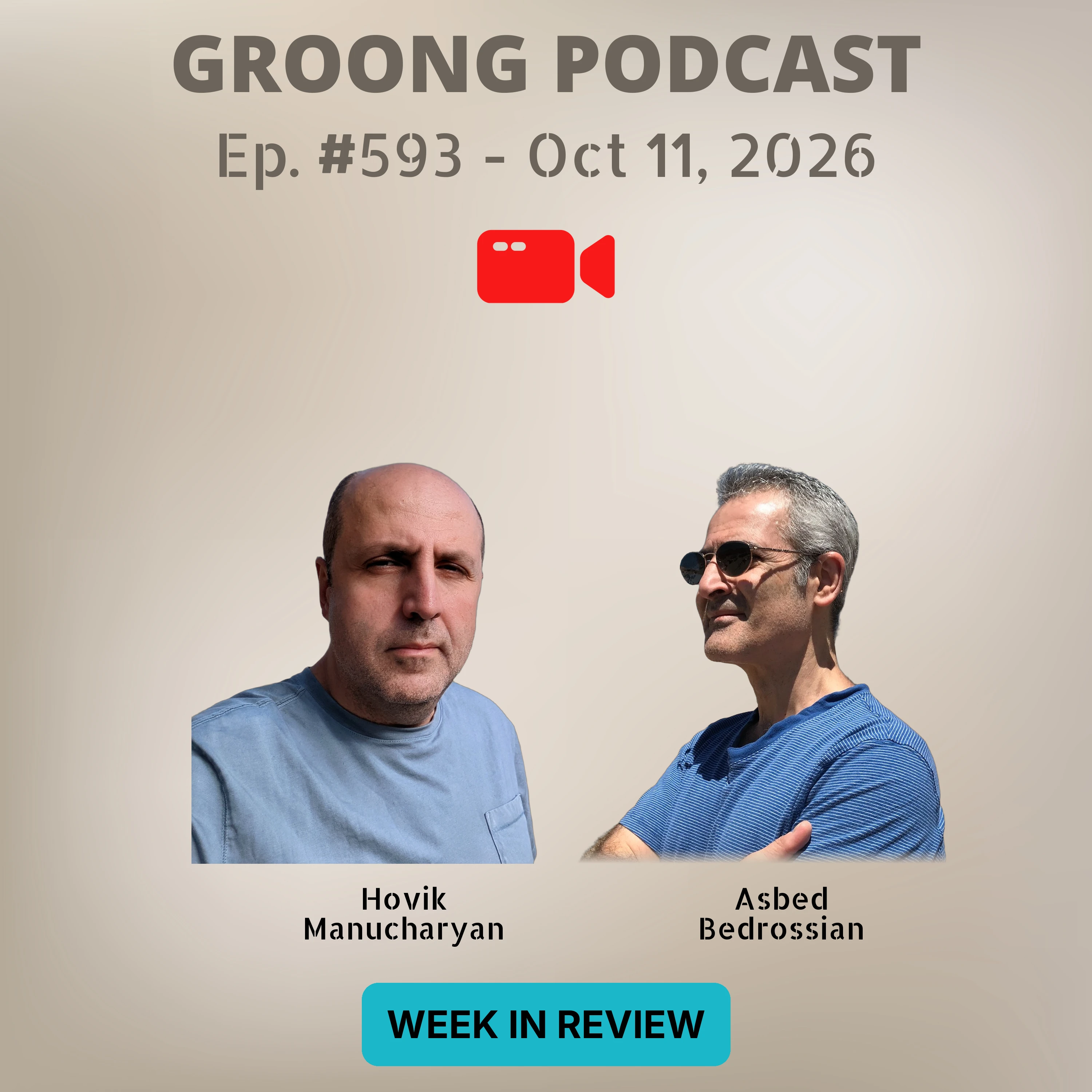
Groong Links:
Topics:
- Pashinyan’s Nuclear Policy U-Turn
- Azerbaijani Infiltration Into Shaki
- Karapetyan To Unite The Opposition?
- COP17 Spending Corruption
- Pashinyan’s Broken Environmental Promises
Episode 593 | Recorded: October 13, 2026
#Armenia #Pashinyan #NuclearEnergy #Azerbaijan #NationalSecurity #SamvelKarapetyan #Corruption #Amulsar
Pashinyan's Nuclear U-Turn and Armenia's Security Failures | Ep 593, Oct 11, 2026 [EP593]
Posted on Wednesday, Oct 14, 2026 | Category: Armenia, Politics, GeopoliticsGroong Links:
Topics:
- Pashinyan’s Nuclear Policy U-Turn
- Azerbaijani Infiltration Into Shaki
- Karapetyan To Unite The Opposition?
- COP17 Spending Corruption
- Pashinyan’s Broken Environmental Promises
Episode 593 | Recorded: October 13, 2026
#Armenia #Pashinyan #NuclearEnergy #Azerbaijan #NationalSecurity #SamvelKarapetyan #Corruption #Amulsar
Transcript: Pashinyan's Nuclear U-Turn and Armenia's Security Failures | Ep 593, Oct 11, 2026 [EP593]
Posted on Wednesday, Oct 14, 2026 | Category: Armenia, Politics, Geopolitics, TranscriptIn this week’s episode of Groong Week in Review, Hovik and Asbed examine Pashinyan’s abrupt reversal on nuclear energy policy, shifting from Western small modular reactors to consideration of a Russian gigawatt-scale plant amid surging data center demands. We discuss the security implications of long-term energy dependency, the geopolitics behind Armenia’s power infrastructure choices, and ongoing concerns about Azerbaijani infiltration, opposition unity under Samvel Karapetyan, and corruption at COP17.
From Yerablur to Etchmiadzin: Armenia’s Battle Over Memory | Ep 591, Sep 27, 2026 [EP591]
Posted on Thursday, Oct 1, 2026 | Category: Armenia, Politics, Geopolitics | Series: wir, video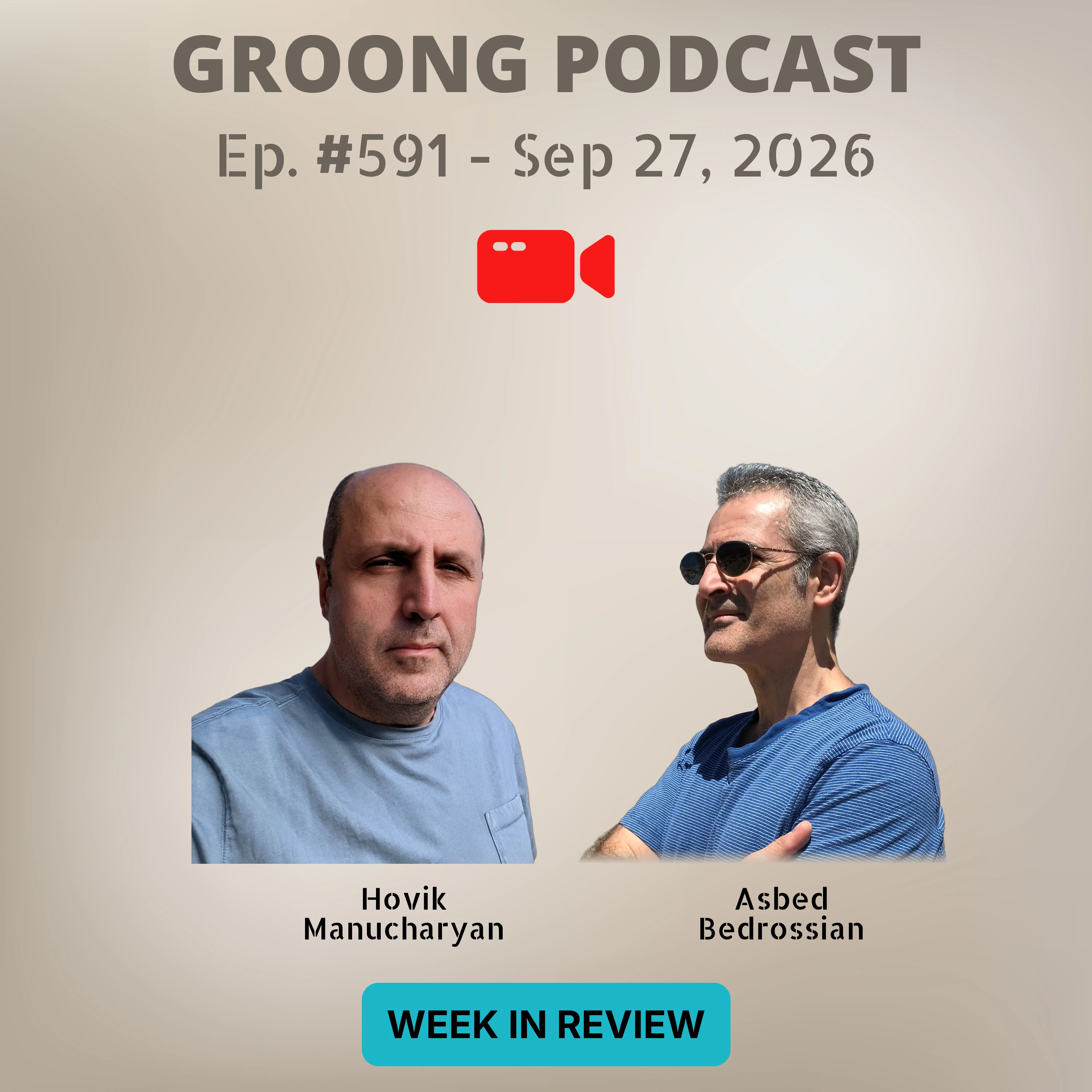
Groong Links:
Topics:
- September 27 war anniversary and memory
- Pashinyan escalates campaign against Church
- PACE raises concerns over elections
- Armenia, Turkey, Azerbaijan at UNGA
- Witkoff reveals Turkish regional advisers
- Opposition faces post-election divisions
- Arrests and prosecutions over speech
- France and Azerbaijan move toward normalization
Episode 591 | Recorded: September 27, 2026
From Yerablur to Etchmiadzin: Armenia’s Battle Over Memory | Ep 591, Sep 27, 2026 [EP591]
Posted on Thursday, Oct 1, 2026 | Category: Armenia, Politics, GeopoliticsGroong Links:
Topics:
- September 27 war anniversary and memory
- Pashinyan escalates campaign against Church
- PACE raises concerns over elections
- Armenia, Turkey, Azerbaijan at UNGA
- Witkoff reveals Turkish regional advisers
- Opposition faces post-election divisions
- Arrests and prosecutions over speech
- France and Azerbaijan move toward normalization
Episode 591 | Recorded: September 27, 2026
Transcript: From Yerablur to Etchmiadzin: Armenia’s Battle Over Memory | Ep 591, Sep 27, 2026 [EP591]
Posted on Thursday, Oct 1, 2026 | Category: Armenia, Politics, Geopolitics, TranscriptIn this week’s Groong Week in Review, Hovik and Asbed mark the sixth anniversary of the 44-Day War and examine Armenia’s deepening crisis over historical memory and national identity. We discuss the Armenian government’s controversial response to September 27 commemorations, escalating tension between the state and the Armenian Church, international concern over election integrity, and Armenia’s isolated position as Azerbaijan demolishes Artsakh’s Armenian cultural heritage while Turkey advances regional integration plans.
Dziunik Aghajanian - From Moscow to Riyadh: New Fault Lines Around Armenia | Ep 590, Sep 25, 2026 [EP590]
Posted on Friday, Sep 25, 2026 | Category: Armenia, Politics, Geopolitics | Series: cog, video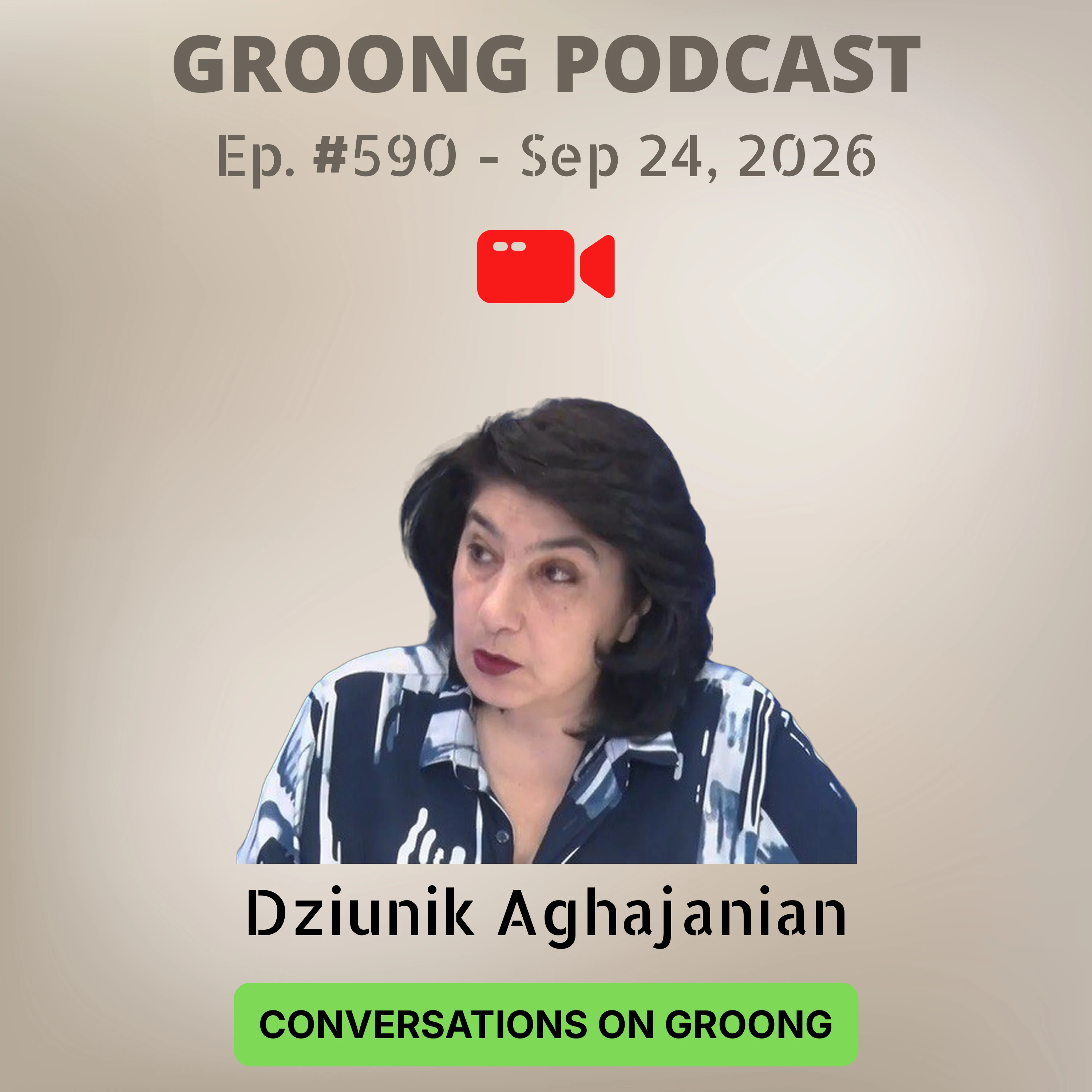
Groong Links:
Guest(s):
Topics:
- Russian parliamentary election outcome
- Middle East escalation and the Houthis
- Armenia-Russia confrontation, including the 102nd base
- Asset confiscation, anti-corruption, and Russian interests
- Azerbaijan-Armenia “durable peace” tensions
- Armenian opposition strategy
Episode 590 | Recorded: September 23, 2026
#Armenia #Russia #SouthCaucasus #Azerbaijan #MiddleEast #UkraineWar #ArmenianPolitics #Geopolitics
Dziunik Aghajanian - From Moscow to Riyadh: New Fault Lines Around Armenia | Ep 590, Sep 25, 2026 [EP590]
Posted on Friday, Sep 25, 2026 | Category: Armenia, Politics, GeopoliticsGroong Links:
Guest(s):
Topics:
- Russian parliamentary election outcome
- Middle East escalation and the Houthis
- Armenia-Russia confrontation, including the 102nd base
- Asset confiscation, anti-corruption, and Russian interests
- Azerbaijan-Armenia “durable peace” tensions
- Armenian opposition strategy
Episode 590 | Recorded: September 23, 2026
#Armenia #Russia #SouthCaucasus #Azerbaijan #MiddleEast #UkraineWar #ArmenianPolitics #Geopolitics
Transcript: Dziunik Aghajanian - From Moscow to Riyadh: New Fault Lines Around Armenia | Ep 590, Sep 25, 2026 [EP590]
Posted on Friday, Sep 25, 2026 | Category: Armenia, Politics, Geopolitics, TranscriptIn this episode of Conversations on Groong, we speak with Dziunik Aghajanian about shifting geopolitical pressures on Armenia following Russia’s September 2026 parliamentary elections. We discuss Putin’s strengthened domestic position, the Armenia-Russia confrontation over the 102nd base, asset confiscation and anti-corruption efforts targeting Russian interests, and how Middle East escalation and the Iran War reshape Armenia’s strategic environment amid ongoing Armenia-Azerbaijan Peace Process tensions.
Armenia at 35: Independence, Loss, and Unfinished Wars | Ep 588, Sep 20, 2026 [EP588]
Posted on Wednesday, Sep 23, 2026 | Category: Armenia, Politics, Geopolitics | Series: wir, video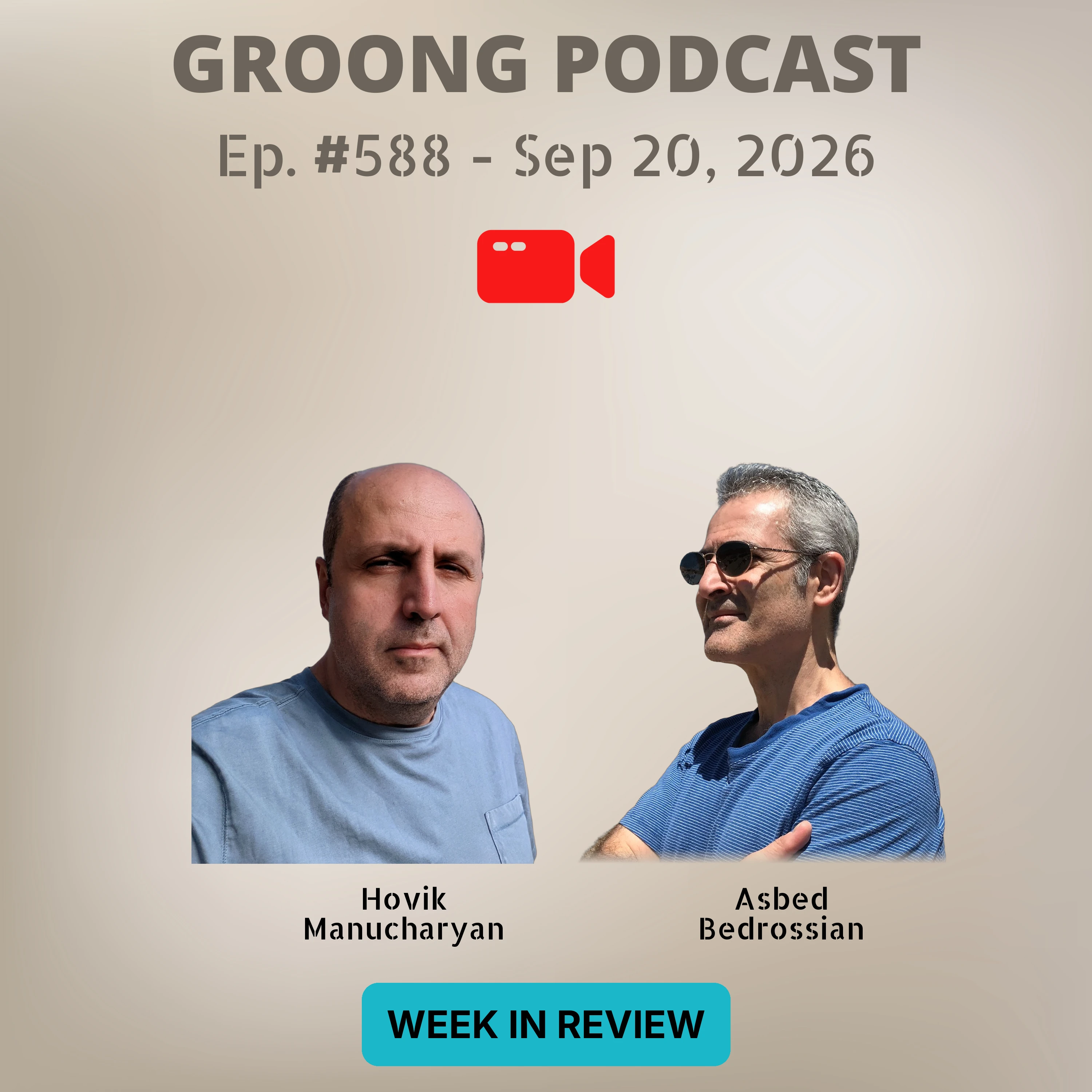
Groong Links:
Topics:
- Armenia marks 35 years independent
- Artsakh remembered three years later
- Armenian POWs remain in Baku
- Ukraine strikes deep inside Russia
- Turkey-Azerbaijan deepen strategic coordination
- Citizenship costs rise sharply
- Government opacity over war casualties
Episode 588 | Recorded: September 22, 2026
#Armenia #Artsakh #UkraineWar #ArmenianPOWs #Azerbaijan #Turkey #SouthCaucasus #ArmenianPolitics
Armenia at 35: Independence, Loss, and Unfinished Wars | Ep 588, Sep 20, 2026 [EP588]
Posted on Wednesday, Sep 23, 2026 | Category: Armenia, Politics, GeopoliticsGroong Links:
Topics:
- Armenia marks 35 years independent
- Artsakh remembered three years later
- Armenian POWs remain in Baku
- Ukraine strikes deep inside Russia
- Turkey-Azerbaijan deepen strategic coordination
- Citizenship costs rise sharply
- Government opacity over war casualties
Episode 588 | Recorded: September 22, 2026
#Armenia #Artsakh #UkraineWar #ArmenianPOWs #Azerbaijan #Turkey #SouthCaucasus #ArmenianPolitics
Transcript: Armenia at 35: Independence, Loss, and Unfinished Wars | Ep 588, Sep 20, 2026 [EP588]
Posted on Wednesday, Sep 23, 2026 | Category: Armenia, Politics, Geopolitics, TranscriptIn this week’s Groong podcast episode, Hovik and Asbed reflect on Armenia’s 35th independence anniversary amid ongoing regional tensions and unresolved conflicts. We discuss the state of Armenian statehood three years after the ethnic cleansing of Artsakh, Armenian prisoners of war still held in Baku, rising citizenship costs, government opacity over war casualties, and deepening Turkey-Azerbaijan strategic coordination.
Hrant Mikaelian - Chips for TRIPP, Education Crisis, and Economic Risks | Ep 586, Sep 17, 2026 [EP586]
Posted on Friday, Sep 18, 2026 | Category: Armenia, Politics, Geopolitics | Series: cog, video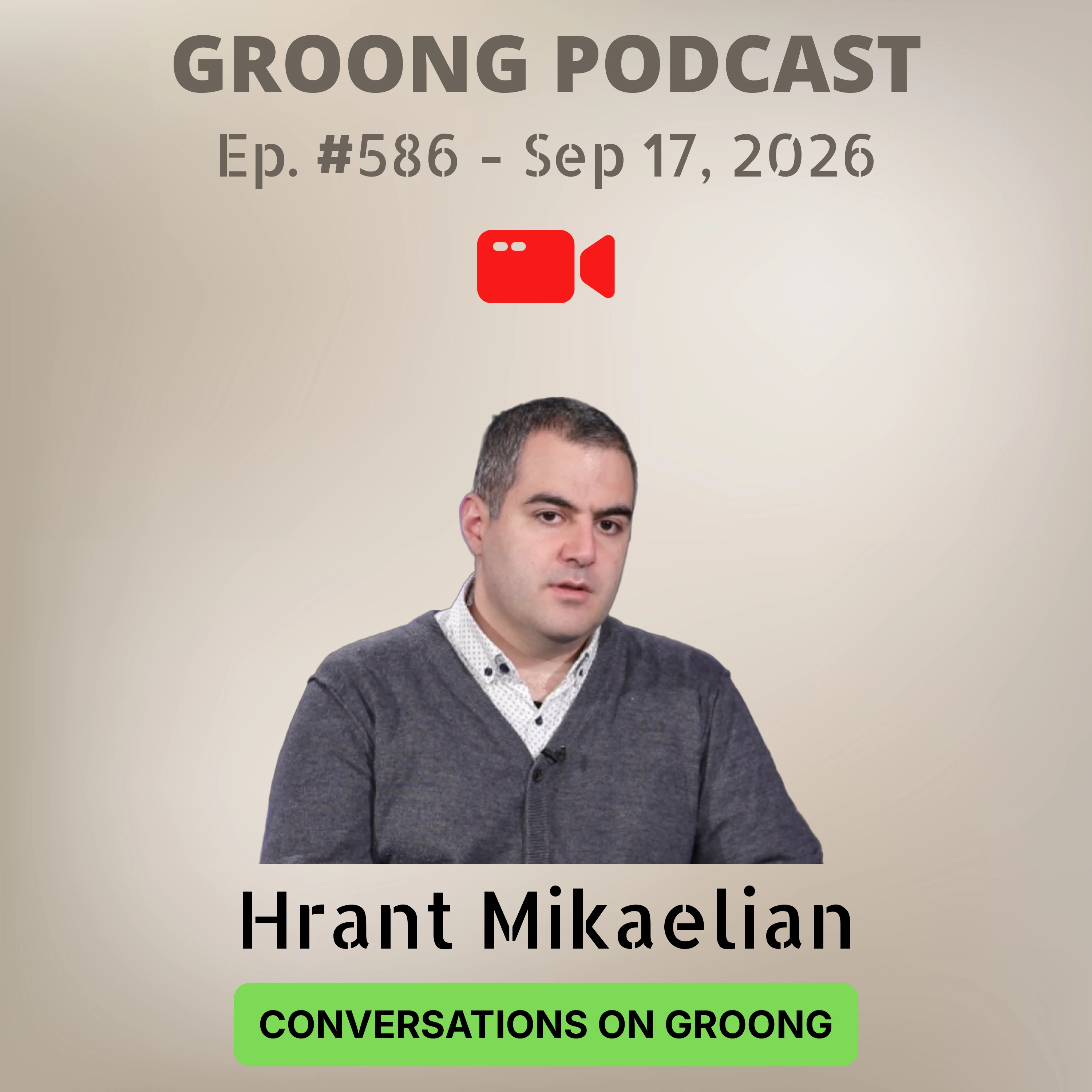
Groong Links:
Guest(s):
Topics:
- AI chips tied to TRIPP diplomacy
- Data centers raise major energy questions
- Armenia faces severe education outcomes
- Government reforms versus poor student performance
- Azerbaijan targets Armenian heritage in Artsakh
- Gas dependence exposes Armenia to shocks
Episode 586 | Recorded: September 16, 2026
#Armenia #TRIPP #ArtificialIntelligence #EducationCrisis #Artsakh #EnergySecurity #SouthCaucasus #HrantMikaelian
Hrant Mikaelian - Chips for TRIPP, Education Crisis, and Economic Risks | Ep 586, Sep 17, 2026 [EP586]
Posted on Friday, Sep 18, 2026 | Category: Armenia, Politics, GeopoliticsGroong Links:
Guest(s):
Topics:
- AI chips tied to TRIPP diplomacy
- Data centers raise major energy questions
- Armenia faces severe education outcomes
- Government reforms versus poor student performance
- Azerbaijan targets Armenian heritage in Artsakh
- Gas dependence exposes Armenia to shocks
Episode 586 | Recorded: September 16, 2026
#Armenia #TRIPP #ArtificialIntelligence #EducationCrisis #Artsakh #EnergySecurity #SouthCaucasus #HrantMikaelian
Transcript: Hrant Mikaelian - Chips for TRIPP, Education Crisis, and Economic Risks | Ep 586, Sep 17, 2026 [EP586]
Posted on Friday, Sep 18, 2026 | Category: Armenia, Politics, Geopolitics, TranscriptIn this episode of Conversations on Groong, we speak with Hrant Mikaelian about chip diplomacy, the TRIPP framework, and Armenia’s structural economic vulnerabilities. We discuss how the U.S. fast-tracked advanced AI exports to secure the Armenia-Azerbaijan Peace Process agreement, the massive energy demands of the planned Firebird data center, Armenia’s deepening education crisis, and the risks of energy dependence as the Armenian Nuclear Power Plant approaches shutdown.
Gandzasar Erasure, Chips for Territory, Russian Money & Pashinyan in Space | Ep 585, Sep 13, 2026 [EP585]
Posted on Wednesday, Sep 16, 2026 | Category: Armenia, Politics, Geopolitics | Series: wir, video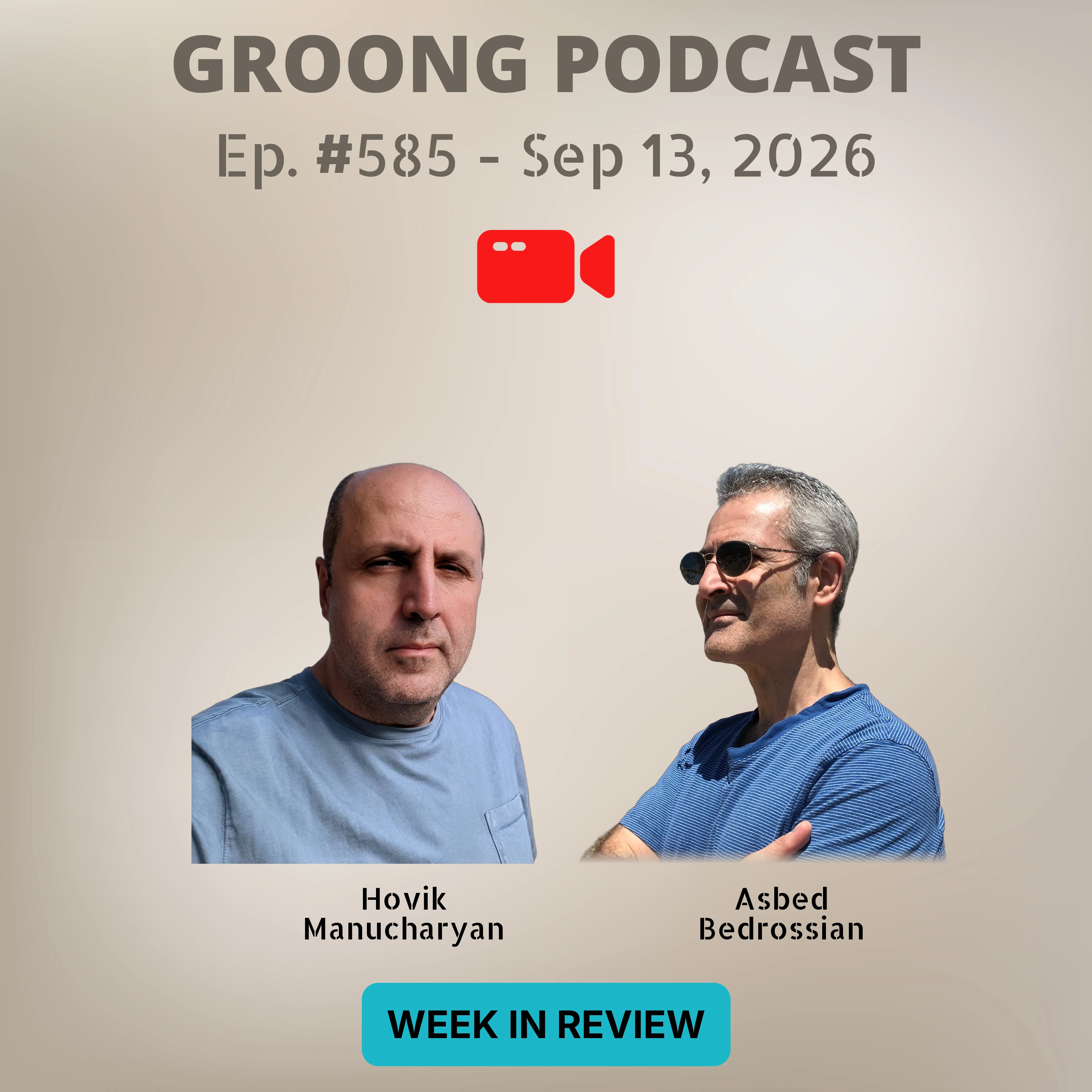
Groong Links:
Topics:
- 2022 border war and its legacy
- Hajiyev spouts hate, EU reps giggle
- Armenia’s muted response to Azerbaijan
- TRIPP, NVIDIA chips, and sovereignty
- Pashinyan’s Paris space summit visit
- Russian money flows through Armenia
- Russia-Iran coordination in South Caucasus
- Political prosecutions and Grigoryan reshuffle
Episode 585 | Recorded: September 14, 2026
#Armenia #Artsakh #Gandzasar #TRIPP #SouthCaucasus #Azerbaijan #Russia #Iran
Gandzasar Erasure, Chips for Territory, Russian Money & Pashinyan in Space | Ep 585, Sep 13, 2026 [EP585]
Posted on Wednesday, Sep 16, 2026 | Category: Armenia, Politics, GeopoliticsGroong Links:
Topics:
- 2022 border war and its legacy
- Hajiyev spouts hate, EU reps giggle
- Armenia’s muted response to Azerbaijan
- TRIPP, NVIDIA chips, and sovereignty
- Pashinyan’s Paris space summit visit
- Russian money flows through Armenia
- Russia-Iran coordination in South Caucasus
- Political prosecutions and Grigoryan reshuffle
Episode 585 | Recorded: September 14, 2026
#Armenia #Artsakh #Gandzasar #TRIPP #SouthCaucasus #Azerbaijan #Russia #Iran
Transcript: Gandzasar Erasure, Chips for Territory, Russian Money & Pashinyan in Space | Ep 585, Sep 13, 2026 [EP585]
Posted on Wednesday, Sep 16, 2026 | Category: Armenia, Politics, Geopolitics, TranscriptIn this Groong Week in Review episode, Hovik and Asbed examine the fourth anniversary of the September 2022 border war, Azerbaijan’s ongoing occupation of Armenian territory, and Pashinyan’s political trajectory toward recognizing Artsakh’s loss. We discuss Hajiyev’s inflammatory rhetoric, Armenia’s muted diplomatic response, TRIPP and semiconductor sovereignty, Pashinyan’s attendance at a Paris space summit, Russian financial flows through Armenia, and Russia-Iran coordination in the South Caucasus.
Groong Podcast Digest — Week of August 31–6, 2026
Posted on Sunday, Sep 6, 2026 | Category: Digest, Podcast DigestHovik and Asbed examine Armenia’s precarious position at the SCO Summit amid Russian escalation in Ukraine, unprecedented Western diplomatic visits to Moscow, renewed US-Iran conflict, and Pashinyan’s meetings with regional leaders while former Artsakh presidents languish in detention and selective political prosecutions continue. Suren Sargsyan examines Washington’s unclear endgame in the Iran War, Russia’s military presence in Armenia amid great-power competition, and the competing U.S. and European stakes in TRIPP and Central Asian transit routes.
Armenia Has No Plan B if TRIPP Fails [EP583]
Posted on Saturday, Sep 5, 2026 | Category: Geopolitics, Armenia, PoliticsSuren Sargsyan warns that Pashinyan’s government has developed no contingency plans if the U.S.-backed TRIPP project fails, leaving the country dangerously exposed.
Can Armenia Avoid Choosing Sides Between Russia and the West? [EP583]
Posted on Saturday, Sep 5, 2026 | Category: Geopolitics, ArmeniaSuren Sargsyan argues that Armenia’s best survival strategy is to avoid picking sides in the Russia-West rivalry, despite mounting pressure from both sides.
Suren Sargsyan - Central Asia, TRIPP, Iran, and Armenia in the New Great Game | Ep 583, Sep 5, 2026 [EP583]
Posted on Saturday, Sep 5, 2026 | Category: Armenia, Geopolitics | Series: cog, video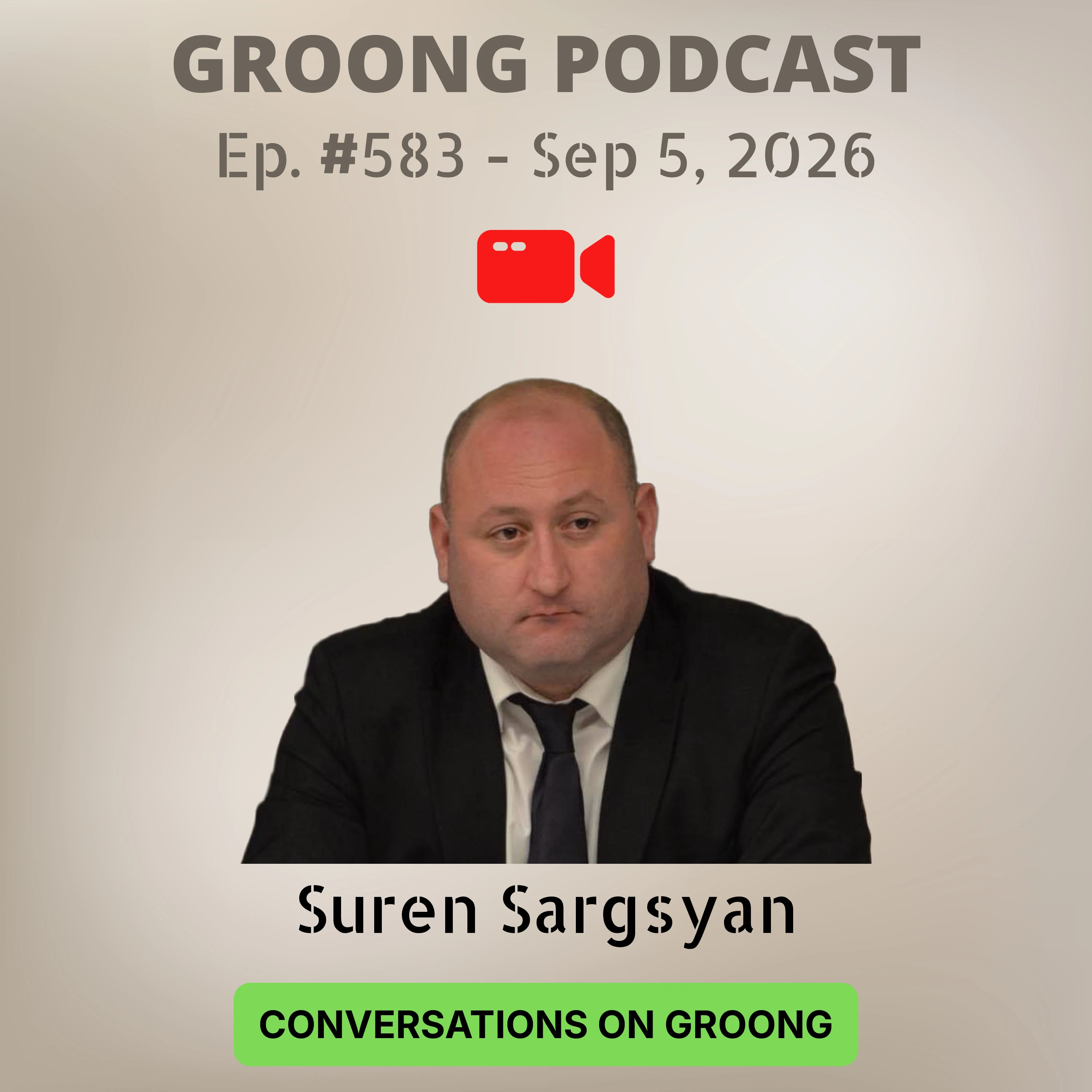
Groong Links:
Guest(s):
Topics:
- U.S. objectives in the Iran war
- Russia’s 102nd base in Armenia
- Pashinyan’s sovereignty policy contradictions
- Great-power rivalry across Central Asia
- U.S. and EU interests in TRIPP
- Armenia’s place in Eurasian competition
Episode 583 | Recorded: Sep 4, 2026
#Armenia #IranWar #TRIPP #CentralAsia #Russia #UnitedStates #Geopolitics #SouthCaucasus
Suren Sargsyan - Central Asia, TRIPP, Iran, and Armenia in the New Great Game | Ep 583, Sep 5, 2026 [EP583]
Posted on Saturday, Sep 5, 2026 | Category: Armenia, GeopoliticsGroong Links:
Guest(s):
Topics:
- U.S. objectives in the Iran war
- Russia’s 102nd base in Armenia
- Pashinyan’s sovereignty policy contradictions
- Great-power rivalry across Central Asia
- U.S. and EU interests in TRIPP
- Armenia’s place in Eurasian competition
Episode 583 | Recorded: Sep 4, 2026
#Armenia #IranWar #TRIPP #CentralAsia #Russia #UnitedStates #Geopolitics #SouthCaucasus
Why Putin and Pashinyan Both Avoid Deciding on Russian Military Base [EP583]
Posted on Saturday, Sep 5, 2026 | Category: Geopolitics, Politics, Armenia, RussiaSuren Sargsyan analyzes why both Putin and Pashinyan publicly defer the decision on the 102nd Russian military base in Gyumri, avoiding responsibility while maintaining the status quo.
Why Russia Might Outsource South Caucasus Control to Iran [EP583]
Posted on Saturday, Sep 5, 2026 | Category: Geopolitics, Russia, Iran, ArmeniaSuren Sargsyan explores whether Russia might cede South Caucasus dominance to Iran as a strategic partner, given Moscow’s focus on Ukraine.
Transcript: Suren Sargsyan - Central Asia, TRIPP, Iran, and Armenia in the New Great Game | Ep 583, Sep 5, 2026 [EP583]
Posted on Saturday, Sep 5, 2026 | Category: Armenia, Geopolitics, TranscriptIn this episode of Conversations on Groong, we speak with Suren Sargsyan about the Iran War and great power competition for Armenia’s strategic position. We discuss Washington’s unclear endgame in the conflict with Iran, the future of Russia’s military presence in Armenia and CSTO membership, and competing U.S. and European interests in new east-west transit routes through Armenia and Central Asia amid broader geopolitical rivalries.
Armenia at the SCO Summit as Ukraine and Iran Wars Intensify | Ep 582, Aug 30, 2026 [EP582]
Posted on Wednesday, Sep 2, 2026 | Series: wir, video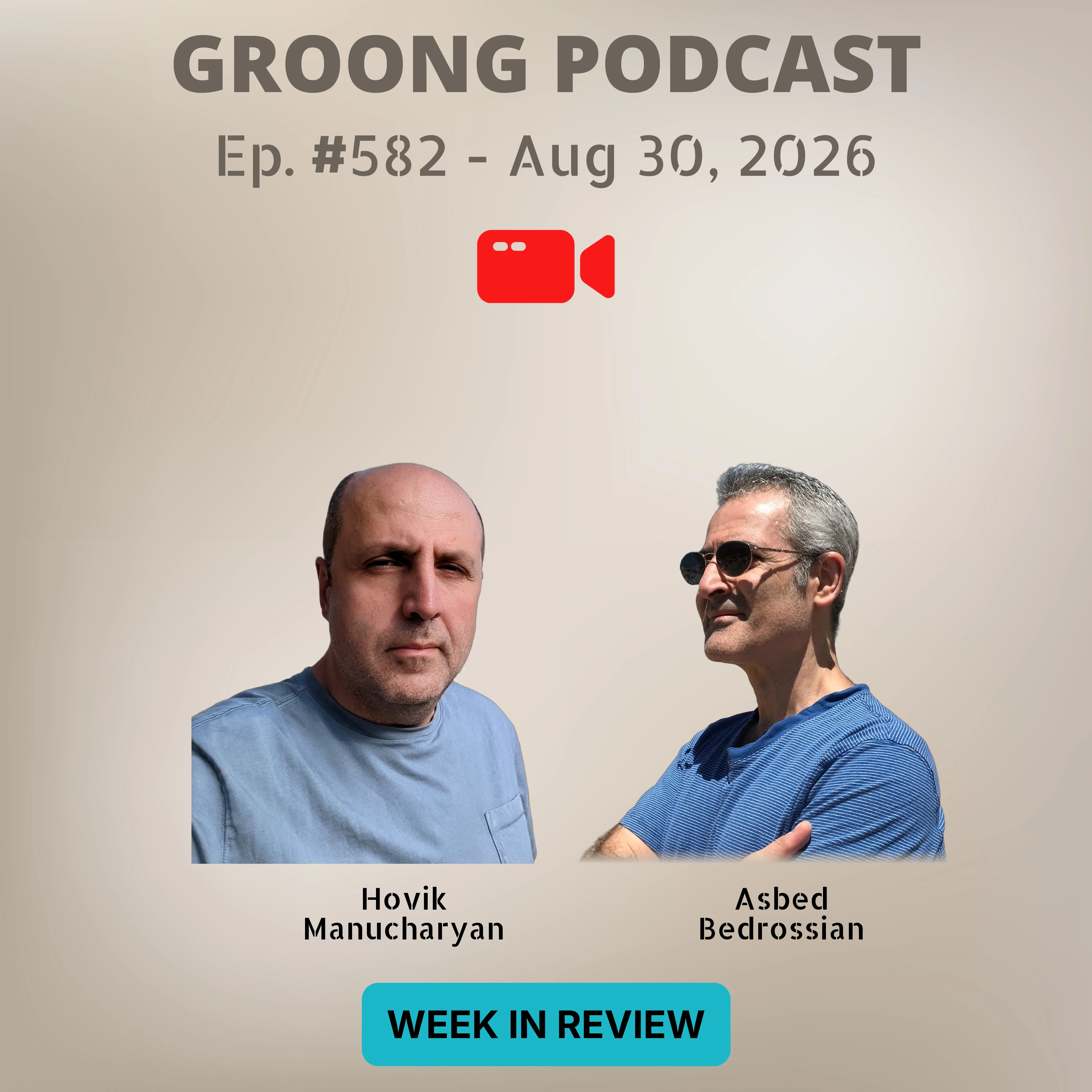
Groong Links:
Topics:
- Russia Escalates War Against Ukraine
- Unprecedented Western Visits to Moscow
- US-Iran War Flares Again
- All Artsakh Presidents Behind Bars
- Armenia at the SCO Summit
- Pashinyan Meets Aliyev, Putin, Modi
- Political Persecutions and Selective Justice
Episode 582 | Recorded: September 1, 2026
#Armenia #Artsakh #UkraineWar #IranWar #SCO #Pashinyan #SouthCaucasus #ArmenianPolitics
Armenia at the SCO Summit as Ukraine and Iran Wars Intensify | Ep 582, Aug 30, 2026 [EP582]
Posted on Wednesday, Sep 2, 2026Groong Links:
Topics:
- Russia Escalates War Against Ukraine
- Unprecedented Western Visits to Moscow
- US-Iran War Flares Again
- All Artsakh Presidents Behind Bars
- Armenia at the SCO Summit
- Pashinyan Meets Aliyev, Putin, Modi
- Political Persecutions and Selective Justice
Episode 582 | Recorded: September 1, 2026
#Armenia #Artsakh #UkraineWar #IranWar #SCO #Pashinyan #SouthCaucasus #ArmenianPolitics
Russia-NATO Proxy War or the Early Days of World War III? [EP582]
Posted on Wednesday, Sep 2, 2026 | Category: Geopolitics, Ukraine, Russia, NATOAsbed asks why the Kremlin misjudged a war everyone knew would pit Russia against NATO, notes that China’s backing keeps Russia in the fight, and relays that many analysts now see the early days of World War III.
Transcript: Armenia at the SCO Summit as Ukraine and Iran Wars Intensify | Ep 582, Aug 30, 2026 [EP582]
Posted on Wednesday, Sep 2, 2026 | Category: TranscriptIn this week’s Groong news roundup, Hovik and Asbed examine Armenia’s position at the SCO Summit amid intensifying global conflicts. We discuss Russia’s escalation in Ukraine, unprecedented Western diplomatic visits to Moscow, the renewed US-Iran War, and Pashinyan’s meetings with regional and global leaders including Aliyev and Putin. We also address the ongoing persecution of former Artsakh leaders and the selective justice targeting Armenia’s political landscape.
Arthur Martirosyan - The Fourth Republic and the Politics of Erasure | Ep 581, Aug 29, 2026 [EP581]
Posted on Saturday, Aug 29, 2026 | Category: Armenia, Politics | Series: cog, video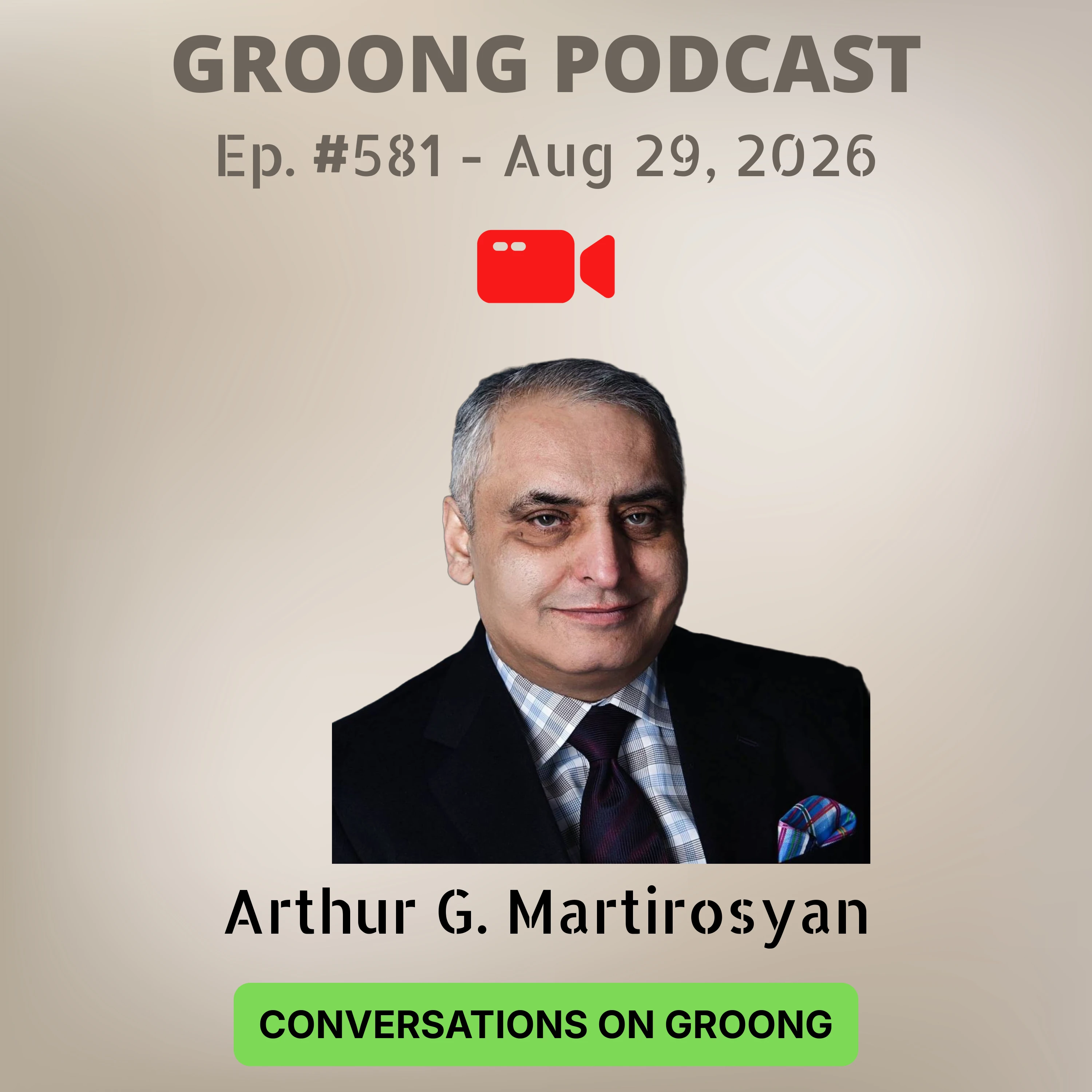
Groong Links:
Guest(s):
Topics:
- Pashinyan’s Revenge Against Opposition
- Kocharyan Arrested, Family Under State Pressure
- Opposition Strategy Under Repression
- Pashinyan’s Five-Year Transformation Agenda
- Government Assault on Armenian Church
- Tigranashen and Border Concessions
- TRIPP, Turan, and Central Asia
Episode 581 | Recorded: August 28, 2026
#ArmenianElections #Armenia #NikolPashinyan #CivilContract #StrongArmenia #ArmenianOpposition
Arthur Martirosyan - The Fourth Republic and the Politics of Erasure | Ep 581, Aug 29, 2026 [EP581]
Posted on Saturday, Aug 29, 2026 | Category: Armenia, PoliticsGroong Links:
Guest(s):
Topics:
- Pashinyan’s Revenge Against Opposition
- Kocharyan Arrested, Family Under State Pressure
- Opposition Strategy Under Repression
- Pashinyan’s Five-Year Transformation Agenda
- Government Assault on Armenian Church
- Tigranashen and Border Concessions
- TRIPP, Turan, and Central Asia
Episode 581 | Recorded: August 28, 2026
#ArmenianElections #Armenia #NikolPashinyan #CivilContract #StrongArmenia #ArmenianOpposition
TRIPP, Kazakhstan, and the Western Encroachment in Central Asia [EP581]
Posted on Saturday, Aug 29, 2026 | Category: Geopolitics, PoliticsPashinyan offers TRIPP stakes to Kazakhstan and Kyrgyzstan to isolate Russia while EU seeks Central Asian access. Expert analyzes broader European strategy in Central Asia and China’s role.
Ambassador Jack Matlock - Did the West Fumble the Post-Cold War Peace? | Ep 580, Aug 28, 2026 [EP580]
Posted on Friday, Aug 28, 2026 | Category: Armenia, US, Russia, Geopolitics, History, Soviet Armenia, USSR | Series: cog, video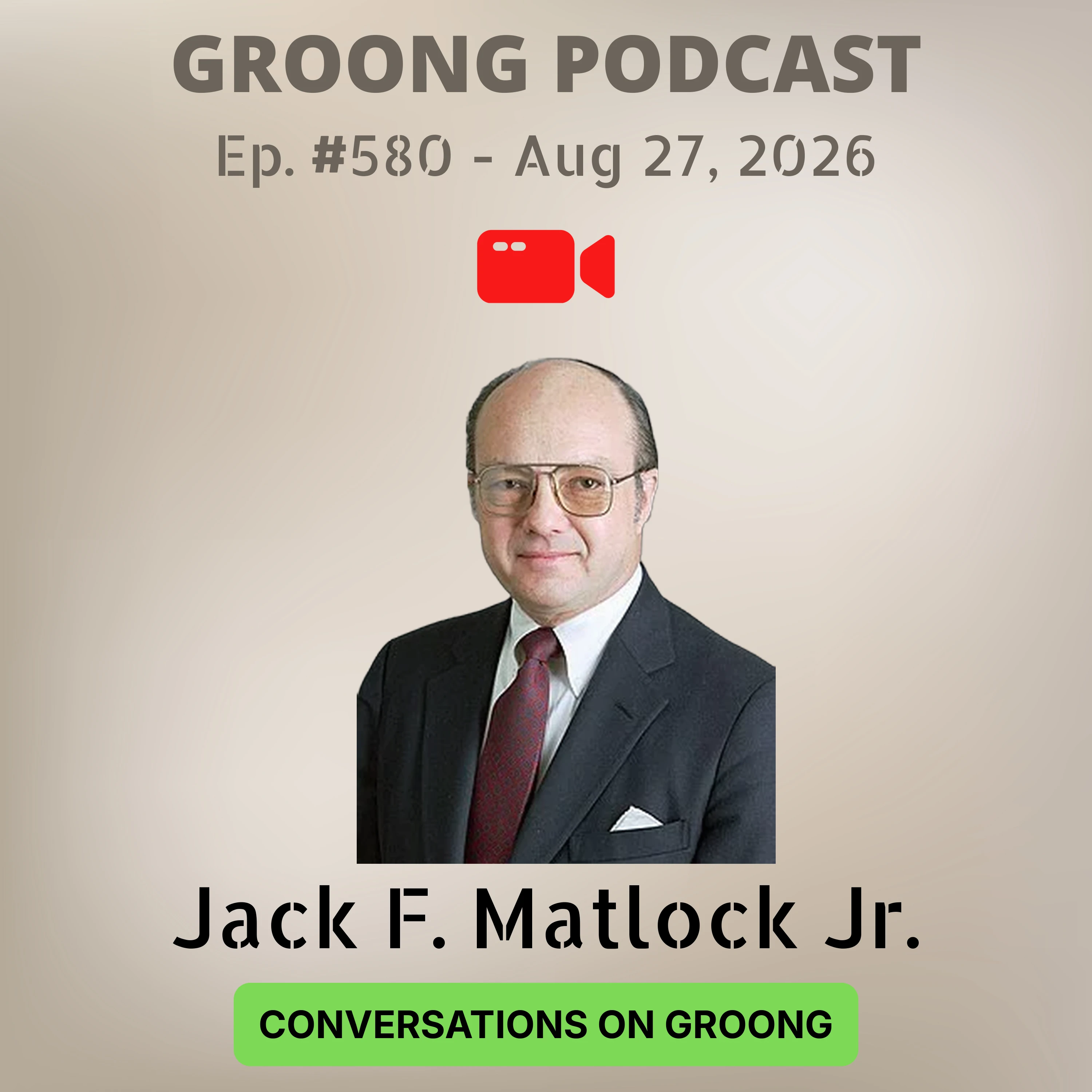
Groong Links:
Guest(s):
Topics:
- Recollections from Soviet South Caucasus
- Why the Soviet Union collapsed
- How the Cold War ended
- Reagan and Gorbachev’s diplomacy
- America’s post-Cold War triumphalism
- NATO expansion and Russian backlash
- Great-power rivalry in the Caucasus
- Armenia’s geopolitical choices today
Episode 580 | Recorded: Aug 27, 2026
#JackMatlock #ColdWar #SovietUnion #Reagan #Gorbachev #NATO #Russia #SouthCaucasus #Armenia
Ambassador Jack Matlock - Did the West Fumble the Post-Cold War Peace? | Ep 580, Aug 28, 2026 [EP580]
Posted on Friday, Aug 28, 2026 | Category: Armenia, US, Russia, Geopolitics, History, Soviet Armenia, USSRGroong Links:
Guest(s):
Topics:
- Recollections from Soviet South Caucasus
- Why the Soviet Union collapsed
- How the Cold War ended
- Reagan and Gorbachev’s diplomacy
- America’s post-Cold War triumphalism
- NATO expansion and Russian backlash
- Great-power rivalry in the Caucasus
- Armenia’s geopolitical choices today
Episode 580 | Recorded: Aug 27, 2026
#JackMatlock #ColdWar #SovietUnion #Reagan #Gorbachev #NATO #Russia #SouthCaucasus #Armenia
Reagan Never Insulted Soviet Leaders, Unlike Modern Diplomacy [EP580]
Posted on Friday, Aug 28, 2026 | Category: Geopolitics, HistoryMatlock contrasts Reagan’s respectful Cold War diplomacy with contemporary Western leaders’ public insults toward foreign counterparts, arguing the shift undermines conflict resolution.
Secretary Baker's 'Not One Inch' Promise: NATO Expansion and the Two Plus Four Treaty [EP580]
Posted on Friday, Aug 28, 2026 | Category: Geopolitics, HistoryMatlock, present at the negotiations, provides firsthand testimony that James Baker did assure the Soviet Union that NATO would not expand eastward, and explains how this pledge was later circumvented.
The West Used Double Standards: Iraq, Libya, and Russia's Response [EP580]
Posted on Friday, Aug 28, 2026 | Category: Geopolitics, HistoryMatlock argues the U.S. and NATO applied double standards in military intervention, citing the Iraq invasion and Libya campaign while accusing Russia of violating international law.
Why the Soviet Union Collapsed from Within, Not by Western Pressure [EP580]
Posted on Friday, Aug 28, 2026 | Category: History, Geopolitics, USSRAmbassador Matlock argues that internal Soviet weaknesses, not Western military or economic pressure, caused the USSR’s collapse, and that the Cold War had already ended before the Union broke apart.
Transcript: Arthur Martirosyan - The Fourth Republic and the Politics of Erasure | Ep 581, Aug 29, 2026 [EP581]
Posted on Saturday, Aug 29, 2026 | Category: Armenia, Politics, TranscriptIn this episode of Conversations on Groong, we speak with Arthur G. Martirosyan about Armenia’s post-election political crisis and Pashinyan’s governance agenda. We discuss the arrest of opposition leaders including Robert Kocharyan, attacks on the Armenian Church, border concessions including Tigranashen, the TRIPP corridor, and how the Established Opposition is strategizing under state repression in the Fourth Republic.
Transcript: Ambassador Jack Matlock - Did the West Fumble the Post-Cold War Peace? | Ep 580, Aug 28, 2026 [EP580]
Posted on Friday, Aug 28, 2026 | Category: Armenia, US, Russia, Geopolitics, History, Soviet Armenia, USSR, TranscriptIn this episode of Conversations on Groong, we speak with Ambassador Jack Matlock, the last US Ambassador to the Soviet Union, about whether the West missed a historic opportunity to integrate Russia into Western security architecture after the Cold War. We discuss the internal collapse of the Soviet Union, Reagan-Gorbachev diplomacy, NATO expansion and Russian backlash, and how Cold War-era decisions shape Armenia’s geopolitical choices today, including Matlock’s firsthand observations of Soviet Armenia during glasnost and the Nagorno Karabakh movement.
Dziunik Aghajanian - Armenia Between Iran, Russia & the New Middle East Order | Ep 579, Aug 22, 2026 [EP579]
Posted on Saturday, Aug 22, 2026 | Category: Armenia, Politics, Geopolitics | Series: cog, video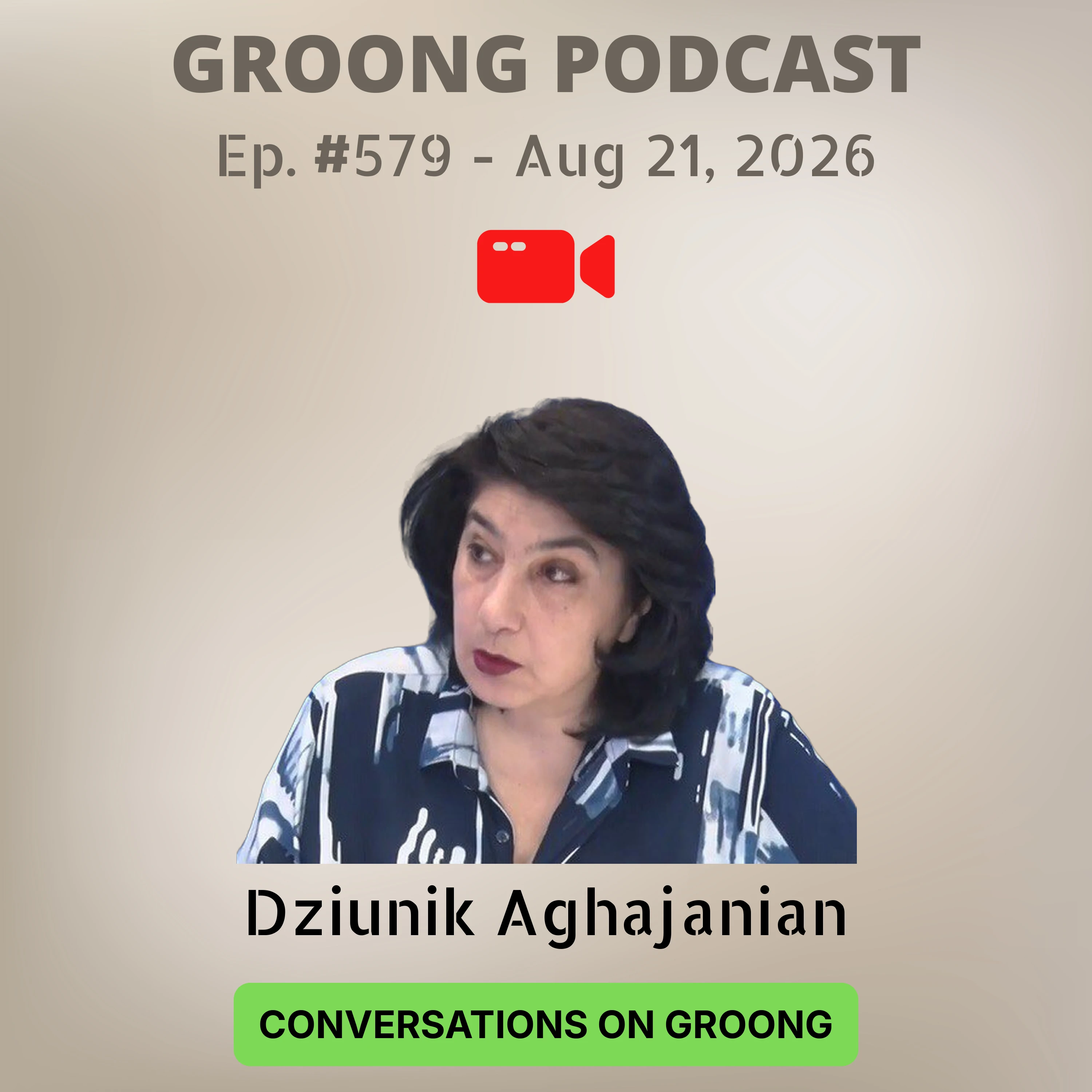
Groong Links:
Guest(s):
Topics:
- Significance of the Mecca joint defense pact
- Iran warns Armenia over TRIPP
- Aliyev advances plans through Syunik
- Armenia faces growing energy dependence
- Russia sets deadlines for Yerevan
- Opposition tests its parliamentary strategy
Episode 579 | Recorded: August 18, 2026
#Armenia #SouthCaucasus #Mecca #TRIPP #Iran #Russia #Azerbaijan #EAEU #CSTO
Dziunik Aghajanian - Armenia Between Iran, Russia & the New Middle East Order | Ep 579, Aug 22, 2026 [EP579]
Posted on Saturday, Aug 22, 2026 | Category: Armenia, Politics, GeopoliticsGroong Links:
Guest(s):
Topics:
- Significance of the Mecca joint defense pact
- Iran warns Armenia over TRIPP
- Aliyev advances plans through Syunik
- Armenia faces growing energy dependence
- Russia sets deadlines for Yerevan
- Opposition tests its parliamentary strategy
Episode 579 | Recorded: August 18, 2026
#Armenia #SouthCaucasus #Mecca #TRIPP #Iran #Russia #Azerbaijan #EAEU #CSTO
Russia's December Ultimatum: Armenia Must Choose EAEU or EU, Not Both [EP579]
Posted on Saturday, Aug 22, 2026 | Category: Geopolitics, Armenia, Russia, European UnionRussia ultimatum: Armenia must decide by December 2026 whether to hold EU membership referendum or face EAEU suspension. Ambassador explains why both paths lead to economic devastation.
Transcript: Dziunik Aghajanian - Armenia Between Iran, Russia & the New Middle East Order | Ep 579, Aug 22, 2026 [EP579]
Posted on Saturday, Aug 22, 2026 | Category: Armenia, Politics, Geopolitics, TranscriptIn this episode of Conversations on Groong, we speak with Dziunik Aghajanian about Armenia’s precarious position between Iran, Russia, and emerging Middle East power shifts. We discuss the Mecca joint defense pact signed by Turkey, Pakistan, and Saudi Arabia, Iran’s warnings over TRIPP, Ilham Aliyev’s militarization plans in Nakhijevan, Armenia’s growing energy dependence, Russian deadlines for Yerevan, and how the Established Opposition is testing its parliamentary strategy ahead of the 2026 Armenian Parliamentary Election.
Russia's Ultimatum: Armenia Must Choose EAEU or Lose Everything [EP578]
Posted on Wednesday, Aug 19, 2026 | Category: Russia, Economy, Geopolitics, ArmeniaRussia has given Armenia until December 2026 to hold a referendum on EU membership or face suspension from the Eurasian Economic Union and potential sanctions.
How Long Can Armenia Sit on Two Chairs? EAEU vs. EU Balancing Act Collapsing [EP576]
Posted on Wednesday, Aug 12, 2026 | Category: Geopolitics, Economy, Russia, European Union, ArmeniaAsbed and Hovik discuss Armenia’s impossible balancing act between EAEU membership and EU integration, and the economic and political consequences of Pashinyan’s refusal to choose.
Pashinyan’s Church War, the Russia-EU Choice, and TRIPP | Ep 576, Aug 9, 2026 [EP576]
Posted on Wednesday, Aug 12, 2026 | Category: Armenia, Politics | Series: wir, video
Groong Links:
Topics:
- Turkey-Pakistan-Saudi Alliance
- Iran War Update
- Catholicos on Trial
- EAEU Meeting in Cholpon-Ata
- Corruption & Persecutions
Episode 576 | Recorded: August 10, 2026
#Armenia #ArmenianPolitics #ArmenianChurch #GareginII #TRIPP #ArmeniaRussia #SouthCaucasus #Groong
Pashinyan’s Church War, the Russia-EU Choice, and TRIPP | Ep 576, Aug 9, 2026 [EP576]
Posted on Wednesday, Aug 12, 2026 | Category: Armenia, PoliticsGroong Links:
Topics:
- Turkey-Pakistan-Saudi Alliance
- Iran War Update
- Catholicos on Trial
- EAEU Meeting in Cholpon-Ata
- Corruption & Persecutions
Episode 576 | Recorded: August 10, 2026
#Armenia #ArmenianPolitics #ArmenianChurch #GareginII #TRIPP #ArmeniaRussia #SouthCaucasus #Groong
Transcript: Pashinyan’s Church War, the Russia-EU Choice, and TRIPP | Ep 576, Aug 9, 2026 [EP576]
Posted on Wednesday, Aug 12, 2026 | Category: Armenia, Politics, TranscriptIn this week’s Groong episode, the hosts examine Pashinyan’s confrontation with the Armenian Church, Armenia’s strategic positioning between Russia and the EU, and the geopolitical implications of TRIPP. We discuss the trial of Catholicos Garegin II, Iran’s military leadership realignment, the Turkey-Pakistan-Saudi Arabia defense pact, and how these shifts reshape Armenia’s role in the South Caucasus.
Russia Wants Armenia Out of the Eurasian Economic Union, Mikaelian Says [EP575]
Posted on Saturday, Aug 8, 2026 | Category: Geopolitics, Politics, ArmeniaHrant Mikaelian explains that Russia’s demand for an Armenian referendum on EU/EAEU membership is designed to create a pretext for legally expelling Armenia from the Eurasian Economic Union.
Asbed on the Real Cost: Generations of Armenian Debt [EP574]
Posted on Tuesday, Aug 4, 2026 | Category: Economy, Armenia, PoliticsAsbed Bedrossian warns that Pashinyan plans to finance the railway buyout through new European loans, burdening future generations of Armenians with debt repayment.
Point 9 of the Ceasefire: Russia's Syunik Presence vs. TRIPP [EP574]
Posted on Tuesday, Aug 4, 2026 | Category: Geopolitics, Armenia, RussiaAsbed explains how Pashinyan has committed Syunik’s transit corridor simultaneously to Russia via the 2020 ceasefire and to the US-backed TRIPP framework, creating an irresolvable conflict.
Railway Dispute: EU Pressure to Kick Out Russia [EP574]
Posted on Tuesday, Aug 4, 2026 | Category: Geopolitics, Economy, Armenia, Russia, European UnionHovik reveals that Pashinyan’s sudden claims of Russian railway mismanagement appeared only after unnamed Western countries pressured him to remove Russian control, signaling geopolitical rather than operational motives.
Tigranashen Unanswered, Russia’s Railways Challenged | Ep 574, Aug 2, 2026 [EP574]
Posted on Tuesday, Aug 4, 2026 | Category: Armenia, Politics, Geopolitics | Series: wir, video
Groong Links:
Topics:
- New parliament is sworn in
- Tigranashen and Armenia’s territorial red lines
- Civil Contract’s evasive enclave answers
- Armenia challenges Russia’s railway concession
- TRIPP reshapes regional power and transit
Episode 574 | Recorded: August 3, 2026
#ArmenianNews #Tigranashen #ArmenianRailways #TRIPP #SouthCaucasus #ArmeniaRussia #ZangezurCorridor #Geopolitics
Tigranashen Unanswered, Russia’s Railways Challenged | Ep 574, Aug 2, 2026 [EP574]
Posted on Tuesday, Aug 4, 2026 | Category: Armenia, Politics, GeopoliticsGroong Links:
Topics:
- New parliament is sworn in
- Tigranashen and Armenia’s territorial red lines
- Civil Contract’s evasive enclave answers
- Armenia challenges Russia’s railway concession
- TRIPP reshapes regional power and transit
Episode 574 | Recorded: August 3, 2026
#ArmenianNews #Tigranashen #ArmenianRailways #TRIPP #SouthCaucasus #ArmeniaRussia #ZangezurCorridor #Geopolitics