Politics
Groong episodes that include this tag
Below are all Groong episodes tagged with Politics.
All Opposition Leaders Under Arrest: Pashinyan's Revenge Politics [EP581]
Posted on Saturday, Aug 29, 2026 | Category: Politics, Human Rights, ArmeniaPashinyan intensifies crackdown against opposition figures post-election. Tsarukyan, Kocharyan, and Karapetyan face arrest and asset seizures as regime consolidates power.
The Fourth Republic: Pashinyan's Plan to Kill Armenian Identity [EP581]
Posted on Saturday, Aug 29, 2026 | Category: Politics, ArmeniaPashinyan frames the Third Republic as failed and proposes a Fourth Republic based on rejecting Artsakh claims and Armenian diaspora ties. Expert analysis reveals this mirrors Atatürk’s identity transformation strategy.
Why Pashinyan Attacks the Armenian Church [EP581]
Posted on Saturday, Aug 29, 2026 | Category: Politics, Armenian Church, ArmeniaPashinyan intensifies attacks on Armenian Apostolic Church after Catholicos speaks about Artsakh rights. Expert analysis reveals this targets the church’s diaspora ties and identity independence.
The Opposition's Limited Options: How Parliament Can Block Pashinyan Without Votes to Remove Him [EP579]
Posted on Saturday, Aug 22, 2026 | Category: Politics, ArmeniaAmbassador analyzes how Armenia’s opposition can block TRIPP ratification and constitutional changes even without enough votes to remove Pashinyan, and why this leverage will define coming months.
Political Prisoners in Armenia: Thousands Hidden in Plain Sight [EP578]
Posted on Wednesday, Aug 19, 2026 | Category: Human Rights, Politics, ArmeniaArmenia is largely absent from international political prisoner tracking databases despite widespread detention, house arrest, and administrative supervision of opposition figures.
Strong Armenia's Unwritten Deal with Civil Contract: What's the Real Cost? [EP578]
Posted on Wednesday, Aug 19, 2026 | Category: Politics, ArmeniaAn apparent unwritten ethical agreement between Civil Contract and the opposition to maintain parliamentary civility masks a larger question: is Strong Armenia trading political leverage for immunity from prosecution?
Corruption and Favoritism: Government Officials' Wives Drawing Massive Salaries Through Rigged Job Contests [EP576]
Posted on Wednesday, Aug 12, 2026 | Category: Politics, Human Rights, ArmeniaHovik and Asbed detail how government officials’ wives are drawing astronomical salaries through rigged job contests while state enterprises decline.
Judge Recuses Himself from Catholicos Case: Admission of Shameful Lawsuit? [EP576]
Posted on Wednesday, Aug 12, 2026 | Category: Politics, Human Rights, Armenian Church, ArmeniaThe judge in the case against Catholicos Garegin II recuses himself citing a dubious conflict of interest, likely recognizing the case’s lack of legal merit.
Pashinyan's Attack on the Armenian Church: Dragging the Catholicos to Court [EP576]
Posted on Wednesday, Aug 12, 2026 | Category: Armenian Church, Politics, Human Rights, ArmeniaHovik condemns Pashinyan’s legal assault on Catholicos Garegin II, calling it an affront to Armenians worldwide and comparing it to past governance failures.
Asbed on the Real Cost: Generations of Armenian Debt [EP574]
Posted on Tuesday, Aug 4, 2026 | Category: Economy, Armenia, PoliticsAsbed Bedrossian warns that Pashinyan plans to finance the railway buyout through new European loans, burdening future generations of Armenians with debt repayment.
Hovik on Tigranashen Handover: Clear as Day [EP574]
Posted on Tuesday, Aug 4, 2026 | Category: Politics, Armenia, GeopoliticsHovik Manucharyan argues that Pashinyan has already agreed to hand over Tigranashen and is executing a piecemeal territorial surrender strategy, bypassing Soviet-era border protocols.
Rubinyan Dodges Question on Tigranashen Surrender [EP574]
Posted on Tuesday, Aug 4, 2026 | Category: Politics, Armenia, GeopoliticsNew parliament speaker Ruben Rubinyan evades direct questions about whether Tigranashen, a strategically critical Armenian territory, falls within the government’s stated 29,743 square kilometers.
The Church Under Siege: Then and Now [EP573]
Posted on Monday, Aug 3, 2026 | Category: Armenian Church, Politics, Human RightsPietro Shakarian compares the Soviet assassination of Catholicos Khoren I in 1938 to Pashinyan’s criminal prosecution of Catholicos Garegin II, revealing continuities in how authoritarian regimes attack independent institutions.
Armenia's Housing Crisis: Foreigners Can Buy Apartments Easier Than Armenians [EP571]
Posted on Tuesday, Jul 28, 2026 | Category: Politics, Economy, ArmeniaHovik and Asbed dissect a new regulation allowing foreigners to electronically purchase Armenian apartments with no visit required, while most Armenians cannot afford housing and government property developers are Civil Contract cronies.
Europe's Cold War Against Georgia and the Double Standard [EP570]
Posted on Monday, Jul 27, 2026 | Category: Georgia, European Union, GeopoliticsArchil Sikharulidze alleges that Brussels is waging a ‘full-scale Cold War’ against Georgia because Georgian Dream refused to align with EU pressure to confront Russia.
Georgia Cannot Bypass Its Orthodox Church, and Europe Knows It [EP570]
Posted on Monday, Jul 27, 2026 | Category: Georgia, European Union, CultureArchil Sikharulidze argues that EU demands for Georgia to weaken its Orthodox Church’s role in society are incompatible with Georgian national identity and values.
Why Western NGOs Aren't Real Civil Society in the South Caucasus [EP570]
Posted on Monday, Jul 27, 2026 | Category: Politics, Geopolitics, MediaArchil Sikharulidze argues that civil society organizations in Georgia, Armenia, and Russia are not independent movements but foreign-funded instruments operating under Western control.
Why the Armenian Church Needs Renewal, Not Political Conflict [EP569]
Posted on Saturday, Jul 25, 2026 | Category: Armenian Church, Diaspora, PoliticsBarsamian calls for the Armenian Church to hold a national assembly and take control of its own future, moving beyond political conflict with the government.
Armenia's Political Summer: Why the Opposition Is Waiting [EP568]
Posted on Wednesday, Jul 22, 2026 | Category: Politics, Armenia, Human RightsHovik and Asbed debate the Armenian opposition’s summer inaction strategy, asking whether waiting for a political trigger is wise or whether missed labor protest momentum squanders real opportunities.
Missing Maps in Border Delimitation: How Pashinyan Negotiates Without Showing the Armenians [EP567]
Posted on Wednesday, Jul 15, 2026 | Category: Politics, Armenia, AzerbaijanAsbed and Hovik expose the absence of transparent maps in Armenia’s border delimitation process, questioning what territorial figure the government is actually negotiating.
OSCE Secretary General Offers to Help Remove Armenian Catholicos [EP567]
Posted on Wednesday, Jul 15, 2026 | Category: Armenian Church, Politics, Human RightsHovik recounts a prank call where OSCE Secretary General Feridun Sinirlioğlu promised to help Pashinyan remove Catholicos Garegin II and agreed that OSCE’s election monitoring was unfair to Armenia.
Pashinyan's 'Scissors' Metaphor: Setting Up Territorial Concessions [EP567]
Posted on Wednesday, Jul 15, 2026 | Category: Politics, Armenia, AzerbaijanAsbed breaks down Pashinyan’s dangerous ‘scissors’ metaphor on border delimitation, which treats Azerbaijani military occupation as a negotiating position rather than an illegal invasion.
Russia's Ultimatum to Armenia: Referendum or Pivot Away [EP566]
Posted on Saturday, Jul 11, 2026 | Category: Geopolitics, Politics, ArmeniaSuslov explains Russia’s demand that Armenia hold a referendum to legitimize its choice between Eurasian integration and Western alignment, rejecting Pashinyan’s pivot as undemocratic.
Samvel Karapetyan's Rise: A Third Way for Armenia? [EP565]
Posted on Friday, Jul 10, 2026 | Category: Armenia, PoliticsMarkedonov analyzes why Samvel Karapetyan’s Strong Armenia party emerged as the primary opposition force despite his lack of political background, signaling Armenian society’s demand for alternatives.
Sanation: How Pashinyan is 'Cleansing' Armenian Politics [EP565]
Posted on Friday, Jul 10, 2026 | Category: Armenia, Politics, Human RightsMarkedonov documents Pashinyan’s systematic criminalization of opposition through the concept of ‘Sanation,’ revealing an authoritarian consolidation pattern in post-election Armenia.
2,000 Agents Raid Gagik Tsarukyan's Homes and Businesses in Show Trial Theater [EP564]
Posted on Wednesday, Jul 8, 2026 | Category: Human Rights, Politics, ArmeniaWithin hours of the Constitutional Court ruling, 2,000 NSS agents raided over 70 sites linked to opposition figure Gagik Tsarukyan, using military-grade weaponry in what hosts describe as political theater targeting alleged white-collar crimes.
Constitutional Court Strips Prosperous Armenia of Seats by 200 Votes [EP564]
Posted on Wednesday, Jul 8, 2026 | Category: Politics, ArmeniaArmenia’s Constitutional Court invalidated votes from three precincts to exclude Prosperous Armenia from parliament, falling just 200 votes short of the 4% threshold despite over 1.5 million total votes cast.
IMEI Registry: Armenia Building a Centralized Digital Surveillance Database [EP564]
Posted on Wednesday, Jul 8, 2026 | Category: Technology, Human Rights, Politics, ArmeniaArmenia’s government is implementing a mandatory IMEI phone registry by 2027, framed as tax enforcement but critics warn it creates a centralized surveillance database linking every citizen’s phone to their identity, with few legal safeguards.
Opposition Will Take Parliament Seats, Plans Coordination for Future Battles [EP564]
Posted on Wednesday, Jul 8, 2026 | Category: Politics, ArmeniaAfter the Constitutional Court ruling, Strong Armenia and Armenia Alliance confirmed they will accept parliamentary mandates, betting that legislative work combined with coordinated street action will be more effective than boycott.
Constitutional Court Will Deliver Political Ruling, Not Legal Justice [EP563]
Posted on Friday, Jul 3, 2026 | Category: Armenia, Politics, Human RightsAmb. Aghajanian explains why Armenia’s Constitutional Court cannot deliver a fair legal ruling on the disputed June 2026 parliamentary elections, given that all judges were appointed by the ruling Civil Contract party.
Opposition Should Take Parliamentary Mandates Despite Fraudulent Election [EP563]
Posted on Friday, Jul 3, 2026 | Category: Armenia, PoliticsAmb. Aghajanian argues that opposition parties should accept their parliamentary mandates even if they believe the June 2026 elections were fraudulent, using parliament as a political weapon.
Pashinyan Adopted Denialist Language When Responding to Israeli Recognition [EP563]
Posted on Friday, Jul 3, 2026 | Category: Armenian Genocide, Armenia, Politics, Human RightsAmbassador Aghajanian argues that Pashinyan’s response to Israeli Armenian Genocide recognition, warning against weaponization, echoes Turkish denialist narratives and represents a fundamental betrayal of Armenian historical truth.
Constitutional Court Will Likely Rule for Pashinyan: 60% Chance Nothing Changes, 20% for New Elections [EP562]
Posted on Wednesday, Jul 1, 2026 | Category: Politics, ArmeniaHovik assesses the Constitutional Court’s July 4 ruling on election appeals, predicting a 60% chance of no meaningful change and warning that new elections could serve as cover for opposition bans.
Pashinyan's Silence on Israeli Genocide Recognition Gives Turkey New Ammunition [EP562]
Posted on Wednesday, Jul 1, 2026 | Category: Armenian Genocide, Politics, ArmeniaAsbed critiques Pashinyan’s silence on Israel’s cabinet recognition of the Armenian Genocide, arguing it hands Turkey new tools for denial.
Post-Election Crackdown: Stalinist Purge Disabling Opposition Today, Not Tomorrow [EP562]
Posted on Wednesday, Jul 1, 2026 | Category: Politics, Human Rights, ArmeniaAsbed explains the logic behind Armenia’s post-election arrests: disabling opposition in the present, not building lasting cases for future prosecution.
Constitutional Court Stacked Entirely With Pashinyan Appointees [EP561]
Posted on Wednesday, Jun 24, 2026 | Category: Politics, Armenia, Human RightsThe Constitutional Court hearing the election challenge is composed entirely of Pashinyan appointees, a historic precedent that fundamentally undermines claims of judicial independence.
Kocharyan Stopped at Airport, Then Hit With 20-Year-Old Cases [EP561]
Posted on Wednesday, Jun 24, 2026 | Category: Politics, Armenia, Human RightsOpposition leader Robert Kocharyan was detained at the airport without justification, then charged with crimes allegedly committed two decades ago that fall outside the statute of limitations.
The Opposition Hopes the Court Will Act Fairly. Hovik Thinks That's Unfounded Optimism. [EP561]
Posted on Wednesday, Jun 24, 2026 | Category: Politics, Armenia, Human RightsThe opposition hopes the Constitutional Court will overturn the election despite being staffed entirely with Pashinyan appointees. Hovik argues this optimism is unfounded.
Pashinyan Is Preparing for New Elections and Constitutional Crisis [EP560]
Posted on Tuesday, Jun 23, 2026 | Category: Politics, ArmeniaGrigoryan argues Pashinyan is strategically preparing for inevitable constitutional crises by disqualifying opposition parties and restricting diasporic-citizen voting rights.
Pashinyan's 'Clear Choice' Was Anything But Clear [EP560]
Posted on Tuesday, Jun 23, 2026 | Category: Politics, Armenia, MediaDr. Grigoryan deconstructs the Western narrative that Armenian voters made a ‘clear choice’ for Europe, arguing the election was driven by negative voting and distorted media narratives.
The Opposition's Fatal Mistake: Trying to Out-Pashinyan Pashinyan [EP560]
Posted on Tuesday, Jun 23, 2026 | Category: Politics, ArmeniaGrigoryan explains why the opposition lost: Strong Armenia and the Armenia Alliance embraced TRIPP and Western integration, making them indistinguishable from Pashinyan and thus unelectable.
Why Voters Rejected the 'Nakhkins': Dignity Over Economics [EP560]
Posted on Tuesday, Jun 23, 2026 | Category: Politics, ArmeniaGrigoryan argues that Armenian voters rejected the pre-2018 regime primarily because of systemic humiliation by oligarchs and local warlords, not merely economic corruption.
How Western intelligence shaped Armenia's 2026 election [EP559]
Posted on Saturday, Jun 20, 2026 | Category: Geopolitics, Politics, ArmeniaHrant Mikaelian details how U.S. and European intelligence agencies, along with a Brussels-Berlin technical coordination group, directly shaped Armenia’s June 2026 elections to advance anti-Russian and TRIPP corridor objectives.
Prosperous Armenia robbed of parliament through cancelled precinct results [EP559]
Posted on Saturday, Jun 20, 2026 | Category: Politics, ArmeniaHrant Mikaelian documents how the government cancelled results from three precincts to deliberately push Prosperous Armenia below the 4% threshold, effectively removing a major opposition party from parliament.
The opposition's only remaining path: Constitutional Court and local elections [EP559]
Posted on Saturday, Jun 20, 2026 | Category: Politics, ArmeniaPolitical scientist Hrant Mikaelian outlines the opposition’s realistic options: accept parliamentary mandates, challenge electoral fraud at the Constitutional Court, and prepare for critical local elections in September and October.
Why all Armenian polls failed spectacularly: garbage in, garbage out [EP559]
Posted on Saturday, Jun 20, 2026 | Category: Politics, Poll, ArmeniaHrant Mikaelian explains why EVN Report, IRI, and MPG polls all failed catastrophically to predict civil Contract’s actual result, revealing systematic problems in Armenian political polling.
Why Pashinyan is terrified even after winning the election [EP559]
Posted on Saturday, Jun 20, 2026 | Category: Politics, ArmeniaPolitical scientist Hrant Mikaelian explains why Pashinyan’s government is escalating repression despite claiming electoral victory, signaling deeper anxiety about legitimacy and control.
CEC Invalidated 213 Votes to Push Prosperous Armenia Below 4% Threshold [EP558]
Posted on Tuesday, Jun 16, 2026 | Category: PoliticsHovik details how Armenia’s Central Election Commission invalidated entire precincts, removing 213 votes from Prosperous Armenia and pushing the party below the 4% threshold needed for parliamentary entry.
Opposition Must Take Parliamentary Mandates AND Protest in the Streets [EP558]
Posted on Tuesday, Jun 16, 2026 | Category: PoliticsHovik outlines a two-track strategy for the opposition: accept parliamentary mandates while appealing to the Constitutional Court and organizing street pressure to challenge Pashinyan’s illegitimate government.
Pashinyan's Pre-Election Spending Was Vote-Buying, Now Comes the Bill [EP558]
Posted on Tuesday, Jun 16, 2026 | Category: Politics, EconomyAsbed and Hovik expose the mechanics of Civil Contract’s pre-election spending spree: a billion dollars in unfunded pension and healthcare benefits promised to voters, now recovered through excise taxes on fuel and cigarettes.
Pashinyan's 0.004% Problem: How One Vote Decides Parliament [EP557]
Posted on Thursday, Jun 11, 2026 | Category: Politics, ArmeniaProsperous Armenia reported at 3.996 percent, just below the 4 percent threshold. With 17,000 invalid ballots, recounts are essential and could reshape parliament.
Threats as Campaign Strategy: Pashinyan's Message Is Crushing Opponents [EP557]
Posted on Thursday, Jun 11, 2026 | Category: Politics, Human Rights, ArmeniaArthur Martirosyan critiques Pashinyan’s campaign rhetoric as threats of imprisonment and violence. In any republic, such threats would disqualify a candidate; Western media ignored them.
Western Support as Blank Check: How Framing Silences Electoral Violations [EP557]
Posted on Thursday, Jun 11, 2026 | Category: Politics, Geopolitics, ArmeniaArthur Martirosyan argues that Western powers used a pro-Russian versus pro-Western frame to shield Pashinyan from scrutiny over election violations and democratic backsliding.
An Administrative Machine, Not an Election Campaign: One Party Controls Every Institution [EP555]
Posted on Saturday, Jun 6, 2026 | Category: PoliticsArmenia operates as a de facto one-party system where a single political center controls law enforcement, judiciary, and all state apparatus, making fair electoral competition impossible.
From ‘revolution’ to war with Dr. Vahram Ter-Matevosyan | Ep 164 - Sep 12, 2022 [EP164]
Posted on Monday, Sep 12, 2022 | Category: Artsakh, Nagorno Karabakh, Armenia, Politics, Turkey, Russia, Azerbaijan, Middle East, Iran, Syria, NATO | Series: cog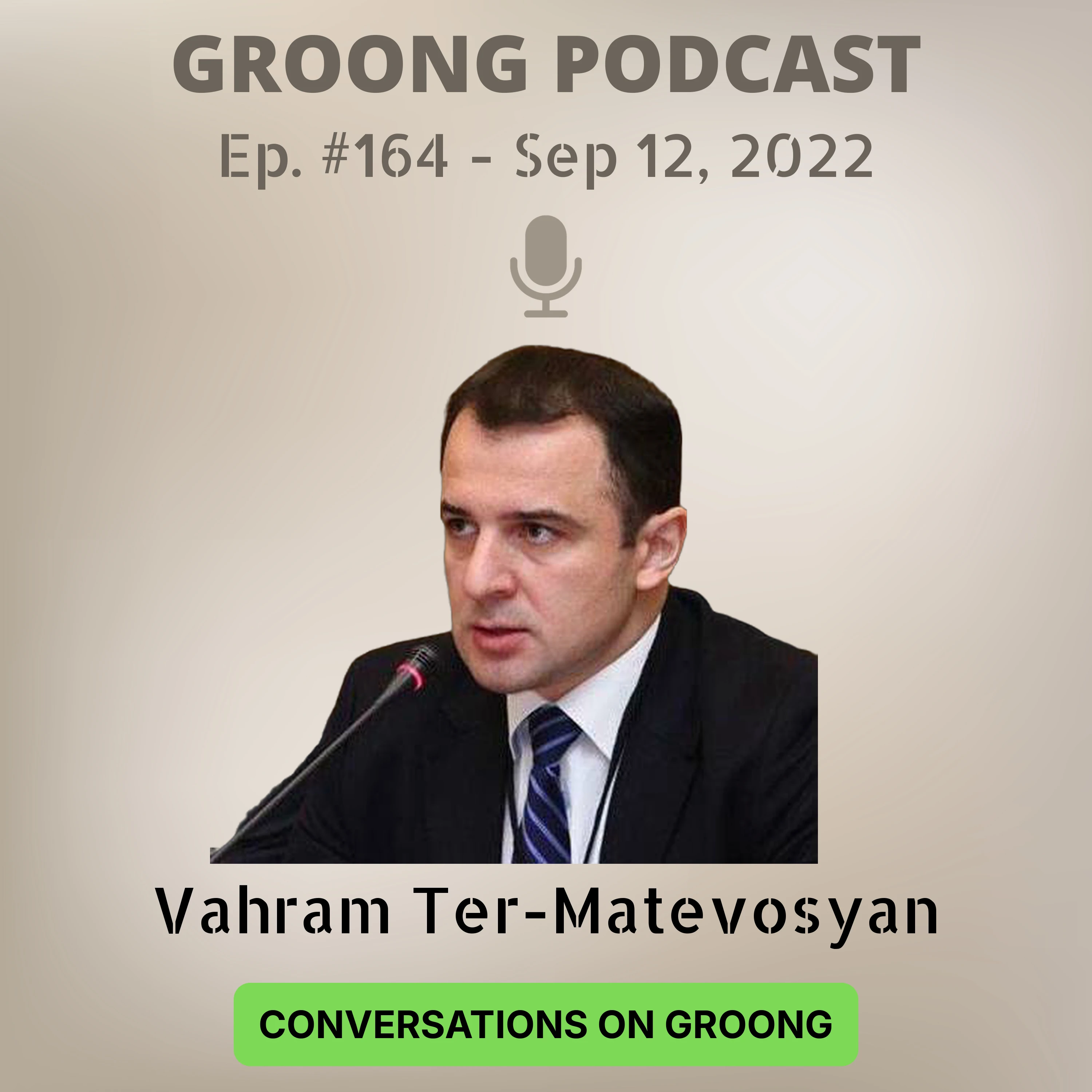
From ârevolutionâ to war: deciphering Armeniaâs populist foreign policy-making process Conversation with Dr. Vahram Ter-Matevosyan
Armenian News Network/Groong - September 12, 2022
Recently two AUA professors (Prof. Hovhannes Nikoghosyan and Prof. Vahram Ter-Matevosyan) published a paper in Taylor and Francis Online (TANDF) that analyzes the foreign policy decision making (FPDM) process of the Nikol Pashinyan administration, titled: “From ârevolutionâ to war: deciphering Armeniaâs populist foreign policy-making process”. In this episode, we talk to one of the authors
Read MoreFrom ‘revolution’ to war with Dr. Vahram Ter-Matevosyan | Ep 164 - Sep 12, 2022 [EP164]
Posted on Monday, Sep 12, 2022 | Category: Artsakh, Nagorno Karabakh, Armenia, Politics, Turkey, Russia, Azerbaijan, Middle East, Iran, Syria, NATOFrom ârevolutionâ to war: deciphering Armeniaâs populist foreign policy-making process Conversation with Dr. Vahram Ter-Matevosyan
Armenian News Network/Groong - September 12, 2022
Recently two AUA professors (Prof. Hovhannes Nikoghosyan and Prof. Vahram Ter-Matevosyan) published a paper in Taylor and Francis Online (TANDF) that analyzes the foreign policy decision making (FPDM) process of the Nikol Pashinyan administration, titled: “From ârevolutionâ to war: deciphering Armeniaâs populist foreign policy-making process”. In this episode, we talk to one of the authors
Read MoreԷդգար Ղազարյան | Edgar Ghazaryan | Ep #159 - Aug 26, 2022 [EP159]
Posted on Friday, Aug 26, 2022 | Category: In Armenian, Armenia, Politics, Azerbaijan | Series: cog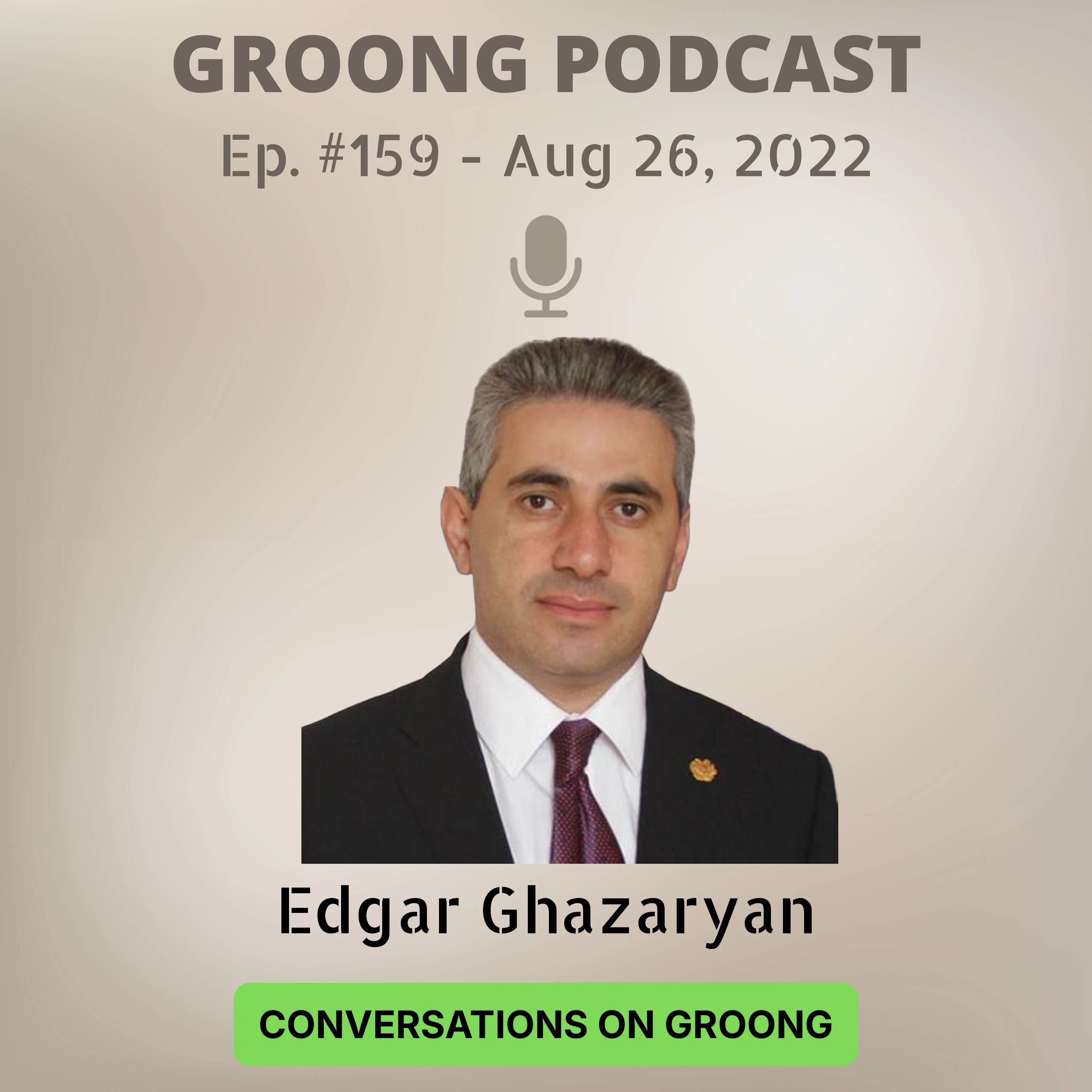
Armenian News Network / Groong
ÕÕ¥ÖÖÕ¡Õ²Õ¡ÖÕ¡Õ¶Õ¡Õ¶ Õ«ÖÕ¡Õ¾Õ«Õ³Õ¡Õ¯Õ¨ ÕÕ¡ÕµÕ¡Õ½Õ¿Õ¡Õ¶Õ¸ÖÕ´ Ô·Õ¤Õ£Õ¡Ö ÕÕ¡Õ¦Õ¡ÖÕµÕ¡Õ¶Õ« Õ°Õ¥Õ¿ The State of Armenian Politics with Edgar Ghazaryan
Ô¹Õ¥Õ´Õ¡Õ¶Õ¥Ö:
- Ô±Õ¶Õ¯Õ¡ÕÕ¸ÖÕ©ÕµÕ¡Õ¶ Õ°Õ¼Õ¹Õ¡Õ¯Õ¡Õ£Õ«Ö
- ÕÕ£Õ¸Õ½Õ¿Õ¸Õ½Õ« 23-Õ« Õ°Õ¡Õ¶ÖÕ¡Õ°Õ¡Õ¾Õ¡ÖÕ¨
- Ô±Õ¶Õ¾Õ½Õ¿Õ¡Õ°Õ¸ÖÕ©ÕµÕ¡Õ¶ ÖÕ¾Õ¥ (Õ«Õ´ÕºÕ«Õ¹Õ´Õ¥Õ¶Õ¿)
- ÕÕ¡Õ·Õ«Õ¶ÕµÕ¡Õ¶Õ¶ Õ¨Õ¶Õ¶Õ¤Õ¥Õ´ ÕÕ¡Õ°Õ´Õ¡Õ¶Õ¡Õ¤ÖÕ¸ÖÕ©ÕµÕ¡Õ
- Ô¸Õ¶Õ¤Õ¤Õ«Õ´Õ¸ÖÕ©ÕµÕ¡Õ¶ Õ¡Õ¼Õ¡Õ»Õ«Õ¯Õ¡ Õ¡Õ¶Õ¥Õ¬Õ«ÖÕ¶Õ¥ÖÕ« Õ´Õ¡Õ½Õ«Õ
ÕÕ¥Ö Õ°ÕµÕ¸ÖÖÕ¨`
- Ô·Õ¤Õ£Õ¡Ö ÕÕ¡Õ¦Õ¡ÖÕµÕ¡Õ¶, ÕÕ¡ÕµÕ¸Ö ÕÕ¸ÖÕ« Õ¶Õ¡ÕÕ¯Õ«Õ¶ Õ´Õ¡ÖÕ¦ÕºÕ¥Õ¿,
Էդգար Ղազարյան | Edgar Ghazaryan | Ep #159 - Aug 26, 2022 [EP159]
Posted on Friday, Aug 26, 2022 | Category: In Armenian, Armenia, Politics, AzerbaijanArmenian News Network / Groong
ÕÕ¥ÖÖÕ¡Õ²Õ¡ÖÕ¡Õ¶Õ¡Õ¶ Õ«ÖÕ¡Õ¾Õ«Õ³Õ¡Õ¯Õ¨ ÕÕ¡ÕµÕ¡Õ½Õ¿Õ¡Õ¶Õ¸ÖÕ´ Ô·Õ¤Õ£Õ¡Ö ÕÕ¡Õ¦Õ¡ÖÕµÕ¡Õ¶Õ« Õ°Õ¥Õ¿ The State of Armenian Politics with Edgar Ghazaryan
Ô¹Õ¥Õ´Õ¡Õ¶Õ¥Ö:
- Ô±Õ¶Õ¯Õ¡ÕÕ¸ÖÕ©ÕµÕ¡Õ¶ Õ°Õ¼Õ¹Õ¡Õ¯Õ¡Õ£Õ«Ö
- ÕÕ£Õ¸Õ½Õ¿Õ¸Õ½Õ« 23-Õ« Õ°Õ¡Õ¶ÖÕ¡Õ°Õ¡Õ¾Õ¡ÖÕ¨
- Ô±Õ¶Õ¾Õ½Õ¿Õ¡Õ°Õ¸ÖÕ©ÕµÕ¡Õ¶ ÖÕ¾Õ¥ (Õ«Õ´ÕºÕ«Õ¹Õ´Õ¥Õ¶Õ¿)
- ÕÕ¡Õ·Õ«Õ¶ÕµÕ¡Õ¶Õ¶ Õ¨Õ¶Õ¶Õ¤Õ¥Õ´ ÕÕ¡Õ°Õ´Õ¡Õ¶Õ¡Õ¤ÖÕ¸ÖÕ©ÕµÕ¡Õ
- Ô¸Õ¶Õ¤Õ¤Õ«Õ´Õ¸ÖÕ©ÕµÕ¡Õ¶ Õ¡Õ¼Õ¡Õ»Õ«Õ¯Õ¡ Õ¡Õ¶Õ¥Õ¬Õ«ÖÕ¶Õ¥ÖÕ« Õ´Õ¡Õ½Õ«Õ
ÕÕ¥Ö Õ°ÕµÕ¸ÖÖÕ¨`
- Ô·Õ¤Õ£Õ¡Ö ÕÕ¡Õ¦Õ¡ÖÕµÕ¡Õ¶, ÕÕ¡ÕµÕ¸Ö ÕÕ¸ÖÕ« Õ¶Õ¡ÕÕ¯Õ«Õ¶ Õ´Õ¡ÖÕ¦ÕºÕ¥Õ¿,
Armenian News: Opposition | Brussels | Alison | Economy | Poll | Artsakh | Ep #132 - Apr 10, 2022 [EP132]
Posted on Tuesday, Apr 12, 2022 | Category: Artsakh, Armenia, Politics, Poll, Russia, Turkey, Azerbaijan, Iran, Ukraine, Economy, India, Georgia, Geopolitics, Human Rights, Nagorno Karabakh, Lebanon, Middle East, NATO, Syria, European Union | Series: wir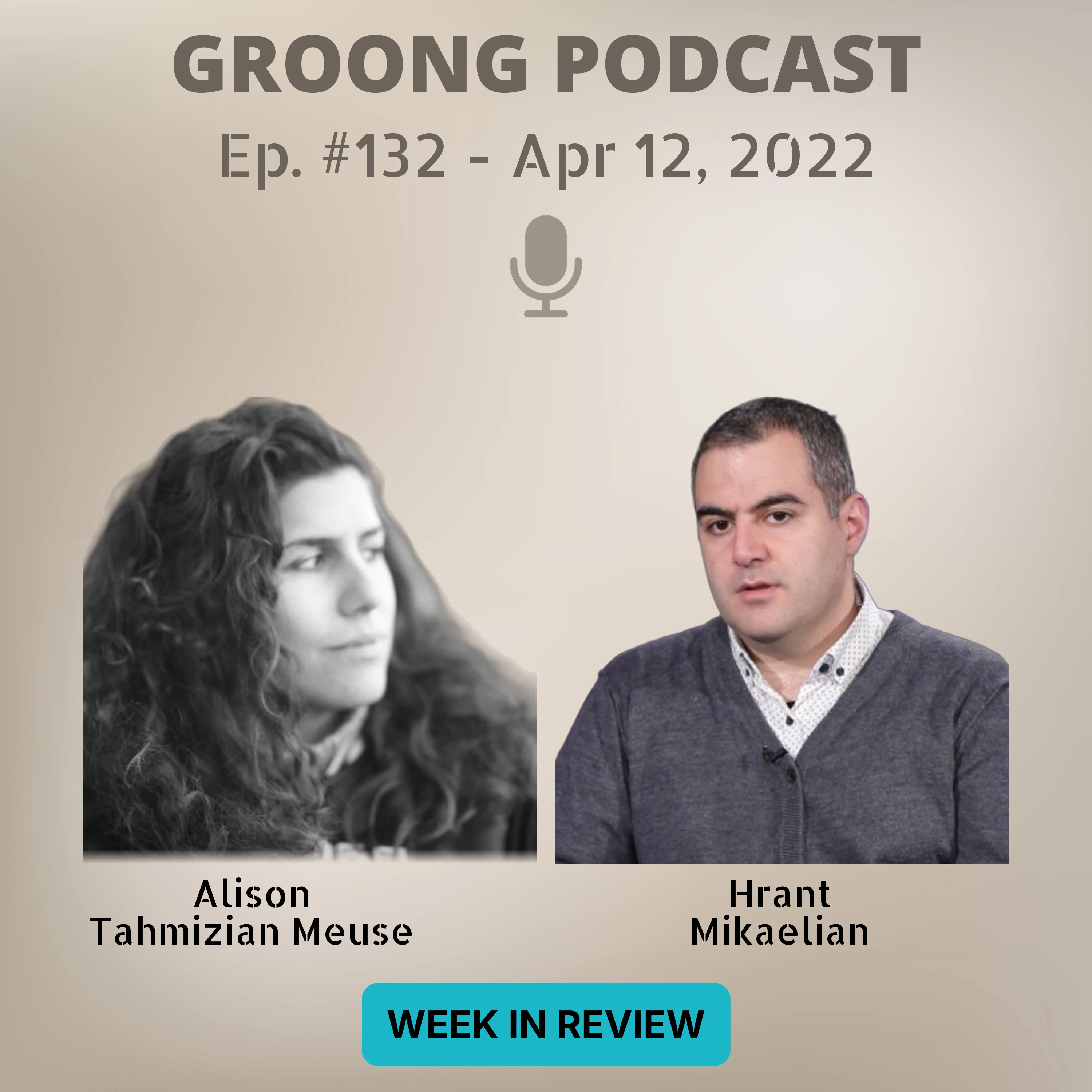
Guest(s):
Armenian News Network/Groong Week in Review - April 10, 2022
Topics:
00:00:00 Introduction
00:02:25 Opposition Protests in Yerevan: Thousands showed up to the opposition protest on Tuesday, outlining the red lines for Pashinyan’s dealings with Aliyev, ahead of the meeting in Brussels. Opposition says this is only the beginning, but have yet to indicate what their next steps will be.
00:12:35 Buying Bread from a Man in Brussels: Pashinyan went to Brussels this week to meet with Charles Michel and Ilham Aliyev. Did the Armenian PM
Armenian News: Opposition | Brussels | Alison | Economy | Poll | Artsakh | Ep #132 - Apr 10, 2022 [EP132]
Posted on Tuesday, Apr 12, 2022 | Category: Artsakh, Armenia, Politics, Poll, Russia, Turkey, Azerbaijan, Iran, Ukraine, Economy, India, Georgia, Geopolitics, Human Rights, Nagorno Karabakh, Lebanon, Middle East, NATO, Syria, European UnionGuest(s):
Armenian News Network/Groong Week in Review - April 10, 2022
Topics:
00:00:00 Introduction
00:02:25 Opposition Protests in Yerevan: Thousands showed up to the opposition protest on Tuesday, outlining the red lines for Pashinyan’s dealings with Aliyev, ahead of the meeting in Brussels. Opposition says this is only the beginning, but have yet to indicate what their next steps will be.
00:12:35 Buying Bread from a Man in Brussels: Pashinyan went to Brussels this week to meet with Charles Michel and Ilham Aliyev. Did the Armenian PM