Nikol Pashinyan
Last updated: May 29, 2026
Nikol Pashinyan has been a central figure in Groong’s coverage since the podcast launched in 2020. He rose to power in 2018 through a street movement that its proponents called the Velvet Revolution — though a substantial segment of Armenian political opinion views the events as a color revolution or externally influenced regime change operation rather than a spontaneous civic uprising. Under Pashinyan, Armenia has undergone one of the most turbulent periods in its post-independence history.
The most consequential event of Pashinyan’s tenure was Armenia’s defeat in the 44-Day War of 2020, which ended with the loss of most of Nagorno Karabakh (Artsakh) under a Russian-brokered ceasefire. Pashinyan survived political pressure to resign and consolidated power through snap elections in 2021. The September 2023 Azerbaijani offensive that caused the ethnic cleansing of the entire Armenian population of Artsakh deepened the crisis of legitimacy — both internationally and domestically — as critics argue his concessions to Aliyev made the outcome inevitable.
Since 2022, Pashinyan has undertaken a significant reorientation of Armenian foreign policy: suspending participation in the CSTO , deepening ties with France, the EU, and the United States, and accepting Western security assistance including an EU monitoring mission on the Armenian border. This pivot away from Russia has defined Armenian geopolitics in the post-Artsakh period. Groong has covered every major step of this reorientation, including what it means for Armenia’s relationship with Iran, India, and other partners.
Domestically, Groong’s coverage of Pashinyan addresses his government’s confrontation with the Armenian Church , the arrest of opposition figures and political prisoners , the Tavush border delimitation controversy, and Civil Contract’s campaign in the June 2026 parliamentary elections . Critics covered extensively on Groong argue that Pashinyan has used his parliamentary supermajority to weaken democratic institutions and neutralize political opposition under the guise of reform.
Groong episodes that include this tag
Below are all Groong episodes tagged with Nikol Pashinyan.
Archil Sikharulidze - Why does Georgia matter for the EU | Ep 454, Jul 24, 2025 [EP454]
Posted on Thursday, Jul 24, 2025 | Category: Georgia, Politics, Armenia, Azerbaijan, Russia, USA, Armenian Church, Nagorno Karabakh, European Union, Iran, China, Turkey, Ukraine, NATO, Economy, Human Rights, India, Israel | Series: cog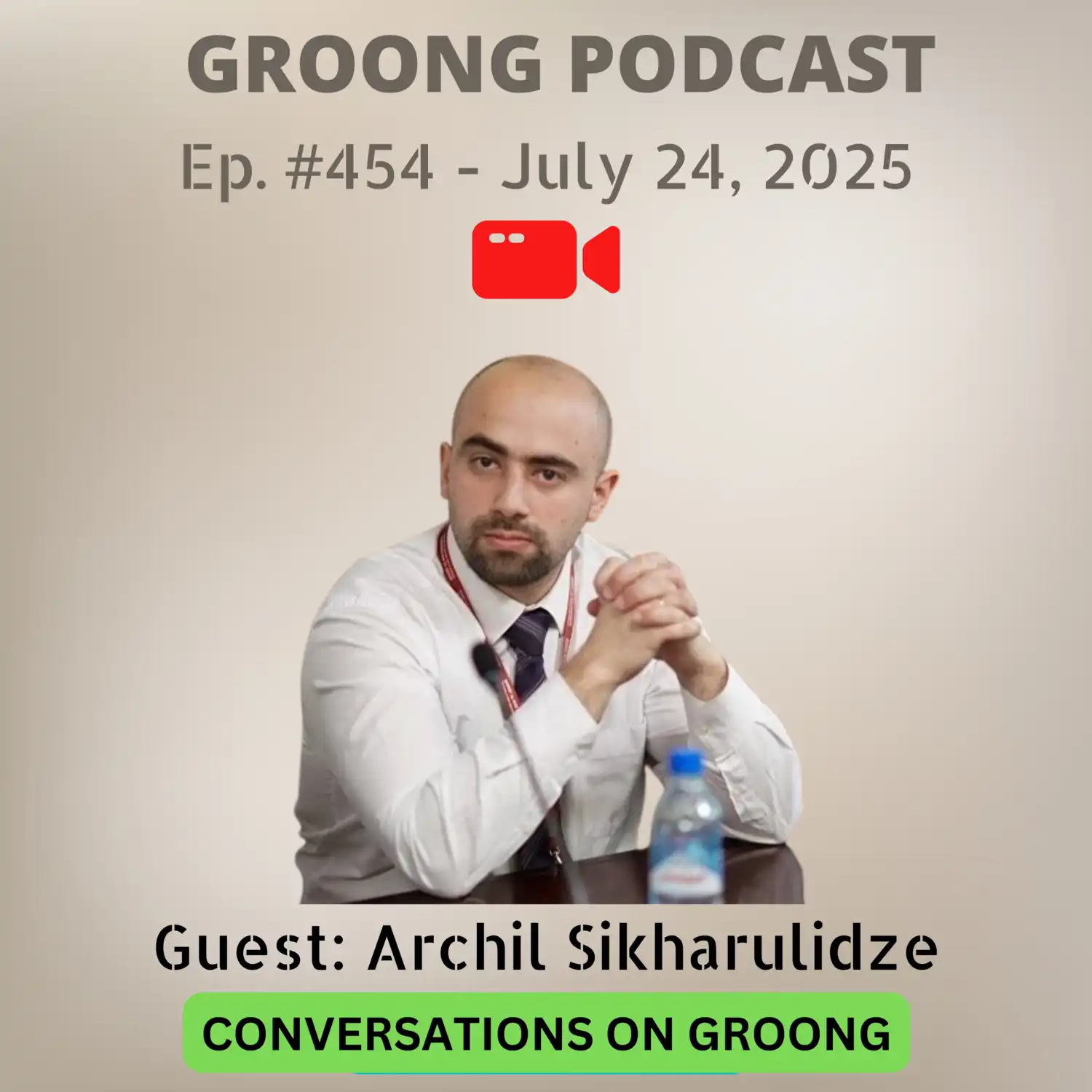
Groong Links:
Guest:
Topics:
- EU Strategy in the South Caucasus
- Attacks on the National Church
- 2025 Local Election Politics
Episode 454 | Recorded: July 22, 2025
Archil Sikharulidze - Why does Georgia matter for the EU | Ep 454, Jul 24, 2025 [EP454]
Posted on Thursday, Jul 24, 2025 | Category: Georgia, Politics, Armenia, Azerbaijan, Russia, USA, Armenian Church, Nagorno Karabakh, European Union, Iran, China, Turkey, Ukraine, NATO, Economy, Human Rights, India, IsraelGroong Links:
Guest:
Topics:
- EU Strategy in the South Caucasus
- Attacks on the National Church
- 2025 Local Election Politics
Episode 454 | Recorded: July 22, 2025
Pashinyan Meets Aliyev as Armenia Cracks Down on Opposition and Church | Ep 453, Jul 13, 2025 [EP453]
Posted on Sunday, Jul 13, 2025 | Category: Armenia, Politics, Artsakh, Nagorno Karabakh, Azerbaijan, Turkey, Russia, Armenian Church, Iran, Economy, Israel, NATO, Middle East, Ukraine | Series: wir, video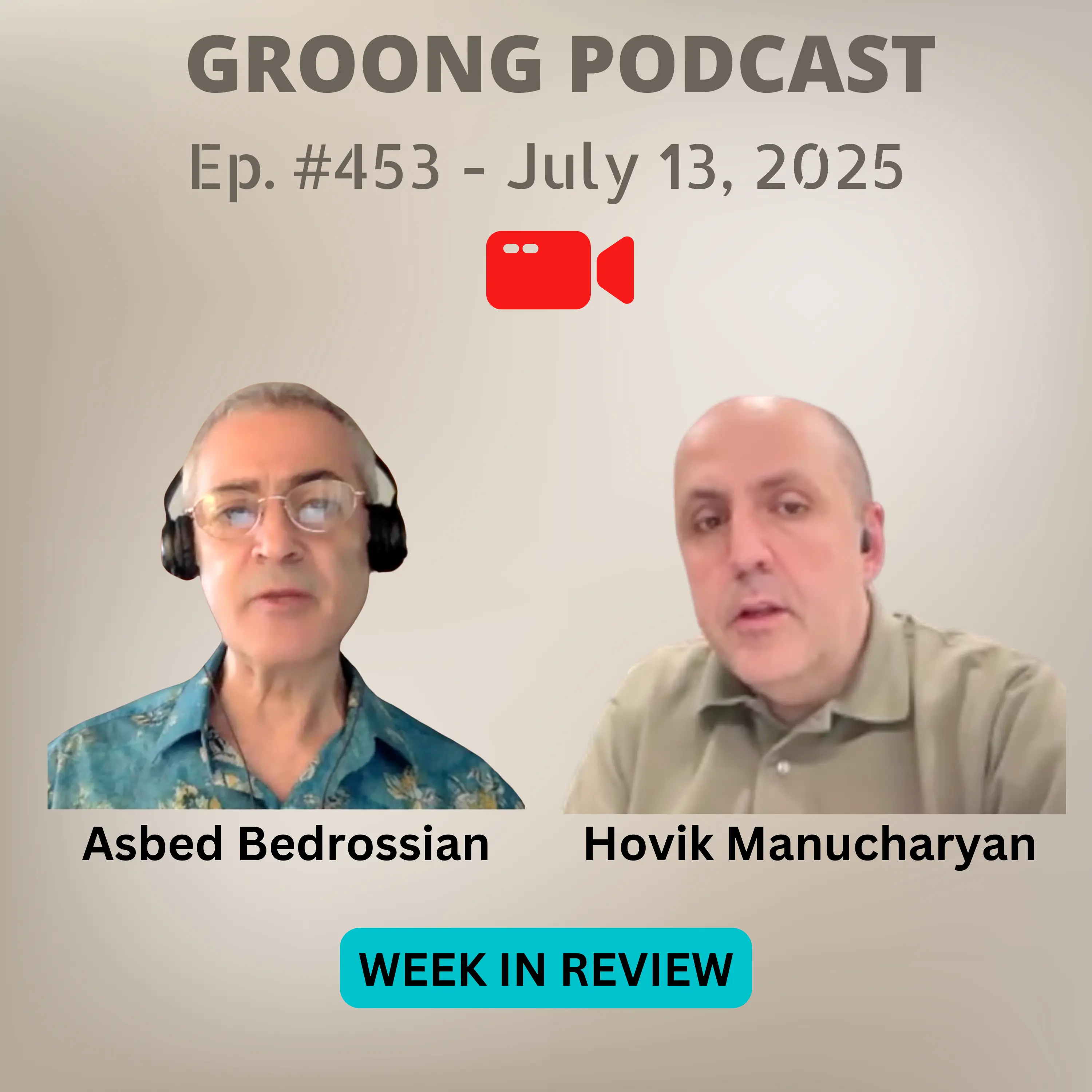
Groong Links:
Topics:
- Pashinyan meets Aliyev in Abu Dhabi
- Continued Persecution of Church and Opposition
Episode 453 | Recorded: July 13, 2025
Pashinyan Meets Aliyev as Armenia Cracks Down on Opposition and Church | Ep 453, Jul 13, 2025 [EP453]
Posted on Sunday, Jul 13, 2025 | Category: Armenia, Politics, Artsakh, Nagorno Karabakh, Azerbaijan, Turkey, Russia, Armenian Church, Iran, Economy, Israel, NATO, Middle East, UkraineGroong Links:
Topics:
- Pashinyan meets Aliyev in Abu Dhabi
- Continued Persecution of Church and Opposition
Episode 453 | Recorded: July 13, 2025
Arthur Martirosyan - Constitution, Western Controlled Syunik, Church Crackdown | Ep 452, Jul 6, 2025 [EP452]
Posted on Tuesday, Jul 8, 2025 | Category: Armenia, Politics, Turkey, Azerbaijan, Russia, Iran, Armenian Church, Artsakh, Nagorno Karabakh, Ukraine, NATO, China, Economy, Genocide | Series: wir, video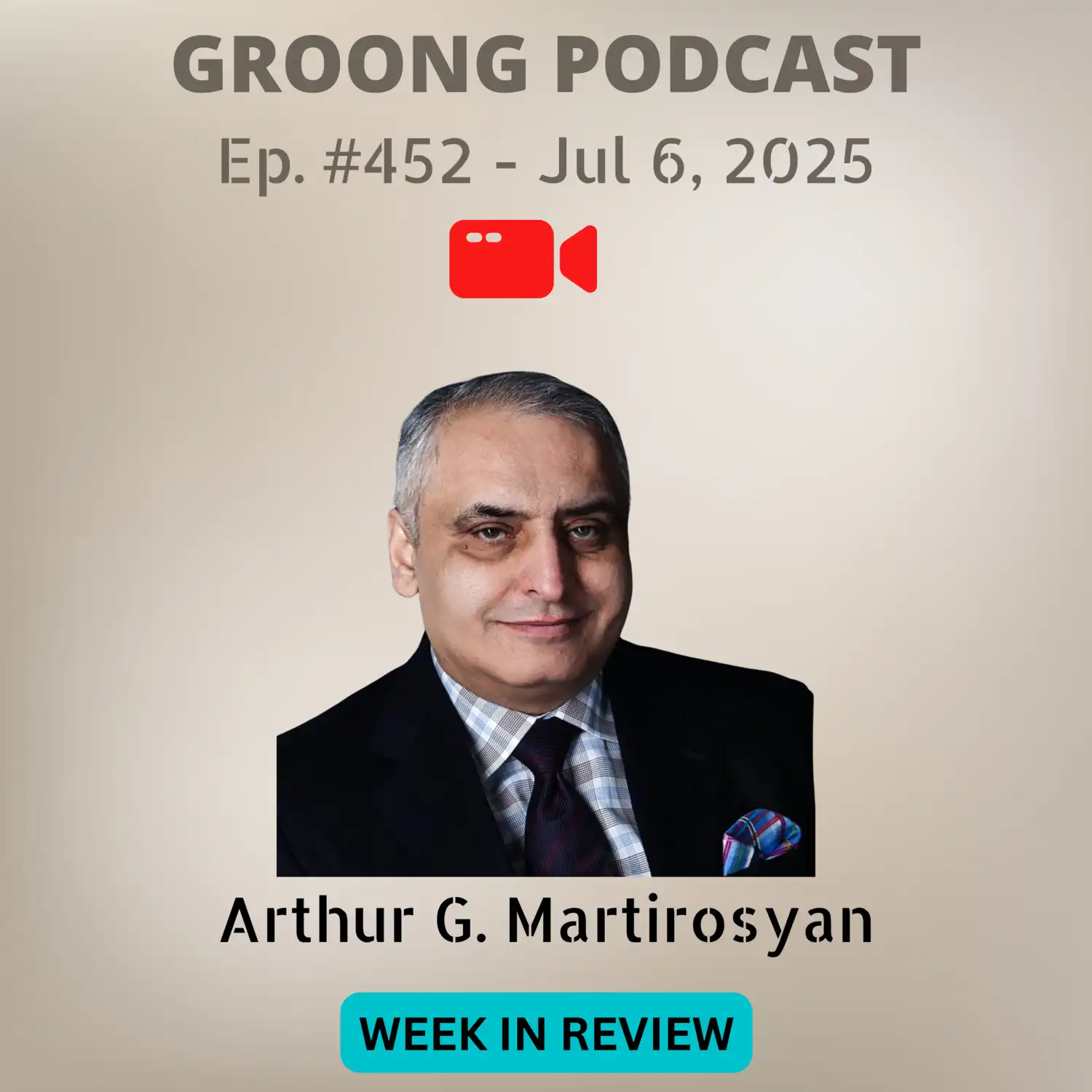
Groong Links:
Guest:
Topics:
- Constitution Day
- Western Controlled Syunik?
- What was Kallas Doing in Yerevan?
- Russian-Azerbaijani Relations
- Coup dâEtat? Or Coup dâÃglise?
- The Kitchen Sink
Episode 452 | Recorded: July 7, 2025
Arthur Martirosyan - Constitution, Western Controlled Syunik, Church Crackdown | Ep 452, Jul 6, 2025 [EP452]
Posted on Tuesday, Jul 8, 2025 | Category: Armenia, Politics, Turkey, Azerbaijan, Russia, Iran, Armenian Church, Artsakh, Nagorno Karabakh, Ukraine, NATO, China, Economy, GenocideGroong Links:
Guest:
Topics:
- Constitution Day
- Western Controlled Syunik?
- What was Kallas Doing in Yerevan?
- Russian-Azerbaijani Relations
- Coup dâEtat? Or Coup dâÃglise?
- The Kitchen Sink
Episode 452 | Recorded: July 7, 2025
Dziunik Aghajanian – Fallout from Israel’s War on Iran, Azerbaijan’s Confrontation with Russia, Pashinyan’s Persecution of the Armenian Church, while he courts the EU | Ep 451 [EP451]
Posted on Tuesday, Jul 1, 2025 | Category: Armenia, Politics, Iran, Nagorno Karabakh, Azerbaijan, Turkey, USA, Israel, Armenian Church, Artsakh, Georgia, Russia, Economy | Series: wir, video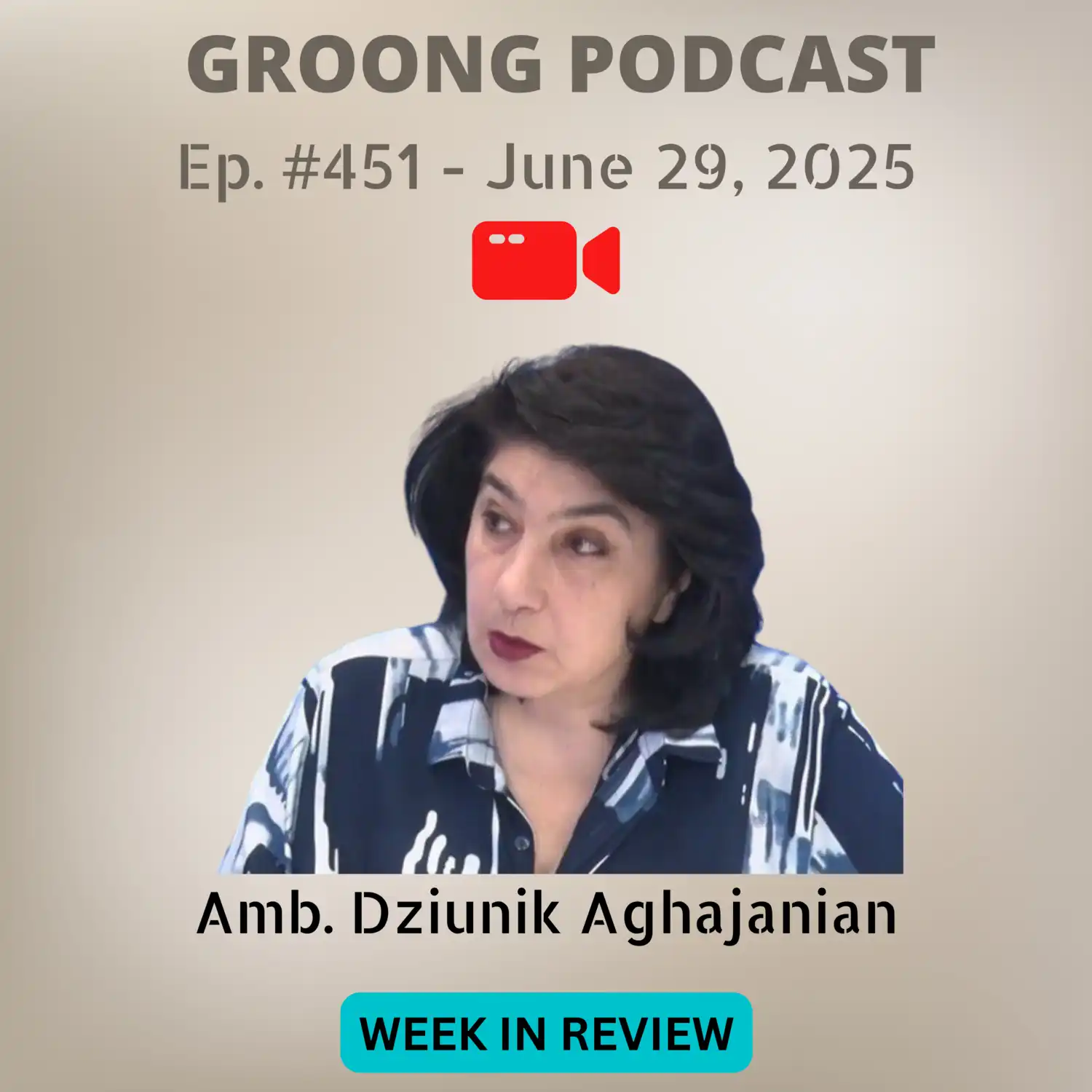
Groong Links:
Guest:
Topics:
- Iran War
- Iran-Azerbaijan Relations
- Russian-Azerbaijani Tensions
- Russian-Armenian Relations
- Persecution of The Church Continues
- Kaja Kallas in Armenia
- OIC Declaration
Episode 451 | Recorded: June 30, 2025
Dziunik Aghajanian – Fallout from Israel’s War on Iran, Azerbaijan’s Confrontation with Russia, Pashinyan’s Persecution of the Armenian Church, while he courts the EU | Ep 451 [EP451]
Posted on Tuesday, Jul 1, 2025 | Category: Armenia, Politics, Iran, Nagorno Karabakh, Azerbaijan, Turkey, USA, Israel, Armenian Church, Artsakh, Georgia, Russia, EconomyGroong Links:
Guest:
Topics:
- Iran War
- Iran-Azerbaijan Relations
- Russian-Azerbaijani Tensions
- Russian-Armenian Relations
- Persecution of The Church Continues
- Kaja Kallas in Armenia
- OIC Declaration
Episode 451 | Recorded: June 30, 2025
Sergei Melkonian - Israel & Iran, Opposition Crackdown, Pashinyan in Istanbul | Ep 449, Jun 22, 2025 [EP449]
Posted on Thursday, Jun 26, 2025 | Category: Armenia, Politics, Iran, Israel, Azerbaijan, Turkey, Russia, Artsakh, Nagorno Karabakh, Armenian Church, Economy, China, Middle East | Series: wir, video
Groong Links:
Guest:
Topics:
- Israel and Iran
- Crackdown on the Opposition
- Pashinyan in Istanbul
- The Kitchen Sink
Episode 449 | Recorded: June 25, 2025
Sergei Melkonian - Israel & Iran, Opposition Crackdown, Pashinyan in Istanbul | Ep 449, Jun 22, 2025 [EP449]
Posted on Thursday, Jun 26, 2025 | Category: Armenia, Politics, Iran, Israel, Azerbaijan, Turkey, Russia, Artsakh, Nagorno Karabakh, Armenian Church, Economy, China, Middle EastGroong Links:
Guest:
Topics:
- Israel and Iran
- Crackdown on the Opposition
- Pashinyan in Istanbul
- The Kitchen Sink
Episode 449 | Recorded: June 25, 2025
Groong Links:
Guest:
Topics:
- Armenia legalizes round-the-clock surveillance.
- Law enables political targeting, critics warn.
- No oversight, no privacy laws.
- Silence from Armenia’s new geopolitical allies.
Episode 446 | Recorded: June 12, 2025
Spotlight on Silence: Surveillance State: Armenia’s Biometric Crackdown | Ep 446, Jun 15, 2025 [EP446]
Posted on Sunday, Jun 15, 2025 | Category: Armenia, Privacy, Human Rights, Georgia, Russia, Economy, Ukraine, ChinaGroong Links:
Guest:
Topics:
- Armenia legalizes round-the-clock surveillance.
- Law enables political targeting, critics warn.
- No oversight, no privacy laws.
- Silence from Armenia’s new geopolitical allies.
Episode 446 | Recorded: June 12, 2025
Transcript: Spotlight on Silence: Surveillance State: Armenia’s Biometric Crackdown | Ep 446, Jun 15, 2025 [EP446]
Posted on Sunday, Jun 15, 2025 | Category: Armenia, Privacy, Human Rights, Georgia, Russia, Economy, Ukraine, China, TranscriptIn this episode of Groong: Spotlight on Silence, we speak with Rafael Ishkhanyan of the Armenian Center for Political Rights about Armenia’s sweeping new surveillance law. Passed quietly in March 2025, the law grants police 24/7 access to camera networks across public institutions and allows for real-time facial recognition, raising deep concerns about privacy, political targeting, and unchecked state power. We explore what the law says, what it leaves out, and why international silence—despite clear risks to civil liberties—has been so striking.
Hrant Mikaelian - Poland’s Shift, RPA’s Nominee, Economy, Demographics | Ep 444, June 8, 2025 [EP444]
Posted on Wednesday, Jun 11, 2025 | Category: Armenia, Politics, Artsakh, Nagorno Karabakh, Azerbaijan, Ukraine, Russia, Geopolitics, India, Armenian Church, Georgia, Economy, Turkey, NATO, Iran | Series: wir, video
Groong Links:
Guest:
Topics:
- Ukraine’s War, Polandâs Pivot?
- Status Check on the Economy
- RPA Names PM Candidate
- Armeniaâs Demographic Threats
- The Kitchen Sink
Episode 444 | Recorded: June 9, 2025
Hrant Mikaelian - Poland’s Shift, RPA’s Nominee, Economy, Demographics | Ep 444, June 8, 2025 [EP444]
Posted on Wednesday, Jun 11, 2025 | Category: Armenia, Politics, Artsakh, Nagorno Karabakh, Azerbaijan, Ukraine, Russia, Geopolitics, India, Armenian Church, Georgia, Economy, Turkey, NATO, IranGroong Links:
Guest:
Topics:
- Ukraine’s War, Polandâs Pivot?
- Status Check on the Economy
- RPA Names PM Candidate
- Armeniaâs Demographic Threats
- The Kitchen Sink
Episode 444 | Recorded: June 9, 2025
Benyamin Poghosyan - Ukraine and US-Iran, Fidan in Moscow, Lachin, Azerbaijan and Pashinyan attack Armenian Church, Impeachment vs. Elections | Ep 442, June 1, 2025 [EP442]
Posted on Tuesday, Jun 3, 2025 | Category: Armenia, Politics, Iran, Geopolitics, Artsakh, Nagorno Karabakh, Azerbaijan, Georgia, Turkey, Russia, Armenian Church, Ukraine, India, Israel, China, Syria, Economy, European Union | Series: wir
Groong Links:
Guest:
Topics:
- Status of Ukraine and US-Iran Crises
- Hakan Fidan in Moscow
- Erdogan, Aliyev, Sharif in Lachin
- Azerbaijan and Pashinyan Attack the Armenian Church
- Impeachment vs. Elections
- The Kitchen Sink
Episode 442 | Recorded: June 2, 2025
Benyamin Poghosyan - Ukraine and US-Iran, Fidan in Moscow, Lachin, Azerbaijan and Pashinyan attack Armenian Church, Impeachment vs. Elections | Ep 442, June 1, 2025 [EP442]
Posted on Tuesday, Jun 3, 2025 | Category: Armenia, Politics, Iran, Geopolitics, Artsakh, Nagorno Karabakh, Azerbaijan, Georgia, Turkey, Russia, Armenian Church, Ukraine, India, Israel, China, Syria, Economy, European UnionGroong Links:
Guest:
Topics:
- Status of Ukraine and US-Iran Crises
- Hakan Fidan in Moscow
- Erdogan, Aliyev, Sharif in Lachin
- Azerbaijan and Pashinyan Attack the Armenian Church
- Impeachment vs. Elections
- The Kitchen Sink
Episode 442 | Recorded: June 2, 2025
Arthur Khachatryan – Republic Day, EU Drama, and Constitutional Chaos | Ep 441, May 25, 2025 [EP441]
Posted on Thursday, May 29, 2025 | Category: Armenia, Politics, Artsakh, Nagorno Karabakh, Azerbaijan, Georgia, Turkey, Russia, Artsakh Blockade, Armenian Genocide, Genocide, Iran, Human Rights, Economy | Series: wir, video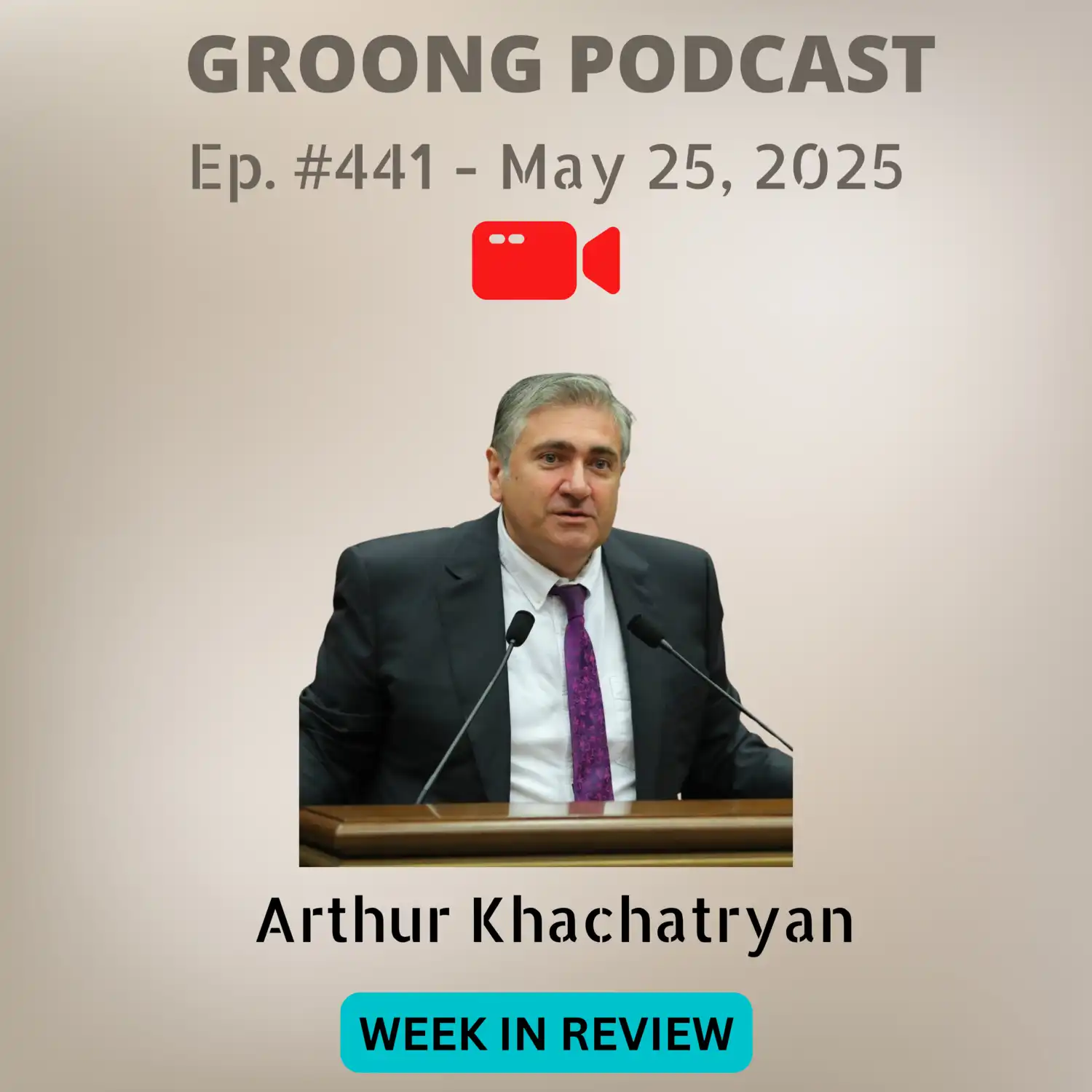
Groong Links:
Guest:
Topics:
- May 28, Republic Day
- Armeniaâs EU-Russia policy confusion
- Constitutional changes for âpeaceâ
- Impeachment vs. election dilemma
- Azeri invasion threat and silence
Episode 441 | Recorded: May 28, 2025
Arthur Khachatryan – Republic Day, EU Drama, and Constitutional Chaos | Ep 441, May 25, 2025 [EP441]
Posted on Thursday, May 29, 2025 | Category: Armenia, Politics, Artsakh, Nagorno Karabakh, Azerbaijan, Georgia, Turkey, Russia, Artsakh Blockade, Armenian Genocide, Genocide, Iran, Human Rights, EconomyGroong Links:
Guest:
Topics:
- May 28, Republic Day
- Armeniaâs EU-Russia policy confusion
- Constitutional changes for âpeaceâ
- Impeachment vs. election dilemma
- Azeri invasion threat and silence
Episode 441 | Recorded: May 28, 2025
Էդգար Ղազարյան – Խոսքի ազատության գործը և մամուլի վիճակը Հայաստանում | Ep 440, May 28, 2025 [EP440]
Posted on Wednesday, May 28, 2025 | Category: Armenia, Politics, In Armenian, Nagorno Karabakh, Azerbaijan, Human Rights, India, European Union | Series: cog, video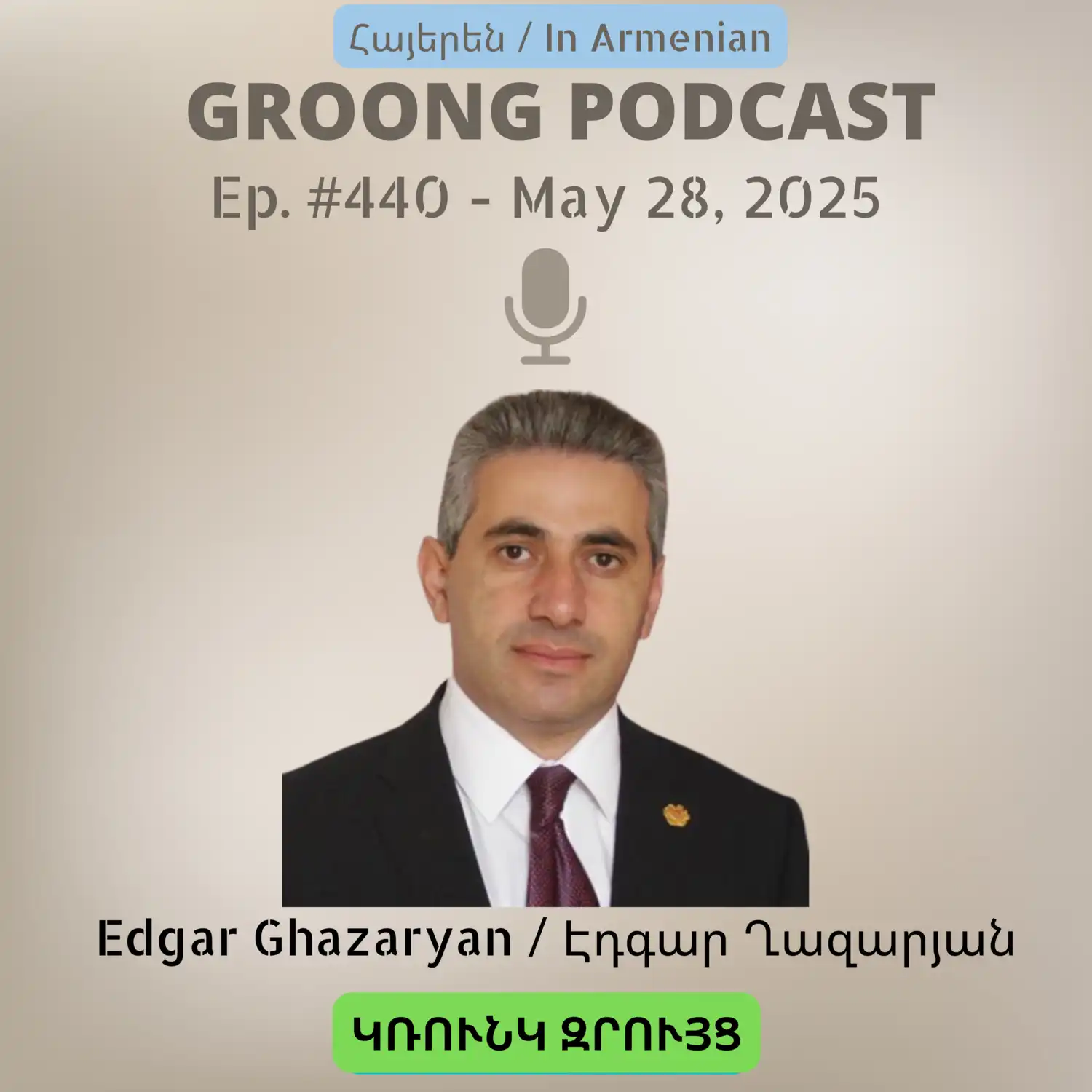
INTERVIEW IN ARMENIAN / ՀԱՐՑԱԶՐՈՒՅՑ ՀԱՅԵՐԵՆ
Groong Links:
Guest:
Topics:
- Criminal charges used to silence Edgar Ghazaryan / Քրեական մեղադրանքներ՝ Էդգար Ղազարյանին լռեցնելու համար
- Media freedom in Armenia under Pashinyan’s rule / Մամուլի ազատությունը Հայաստանում Փաշինյանի կառավարման օրոք
- Public broadcasting under political control / Հանրային հեռարձակումը քաղաքական վերահսկողության տակ
- State-aligned actors spreading misinformation / Ապատեղեկատվություն տարածող պետական կողմի դերակատարները
Episode 440 | Recorded: March 9, 2025
Read MoreԷդգար Ղազարյան – Խոսքի ազատության գործը և մամուլի վիճակը Հայաստանում | Ep 440, May 28, 2025 [EP440]
Posted on Wednesday, May 28, 2025 | Category: Armenia, Politics, In Armenian, Nagorno Karabakh, Azerbaijan, Human Rights, India, European UnionINTERVIEW IN ARMENIAN / ՀԱՐՑԱԶՐՈՒՅՑ ՀԱՅԵՐԵՆ
Groong Links:
Guest:
Topics:
- Criminal charges used to silence Edgar Ghazaryan / Քրեական մեղադրանքներ՝ Էդգար Ղազարյանին լռեցնելու համար
- Media freedom in Armenia under Pashinyan’s rule / Մամուլի ազատությունը Հայաստանում Փաշինյանի կառավարման օրոք
- Public broadcasting under political control / Հանրային հեռարձակումը քաղաքական վերահսկողության տակ
- State-aligned actors spreading misinformation / Ապատեղեկատվություն տարածող պետական կողմի դերակատարները
Episode 440 | Recorded: March 9, 2025
Read MoreLevon Zourabian - US-Iran, Russia-Ukraine, Armenia-Azerbaijan, 2026 Campaigns | Ep 439, May 26, 2025 [EP439]
Posted on Tuesday, May 27, 2025 | Category: Armenia, Geopolitics, Iran, Russia, Ukraine, Israel, Azerbaijan, Economy, Turkey, Middle East, European Union, Genocide | Series: cog, video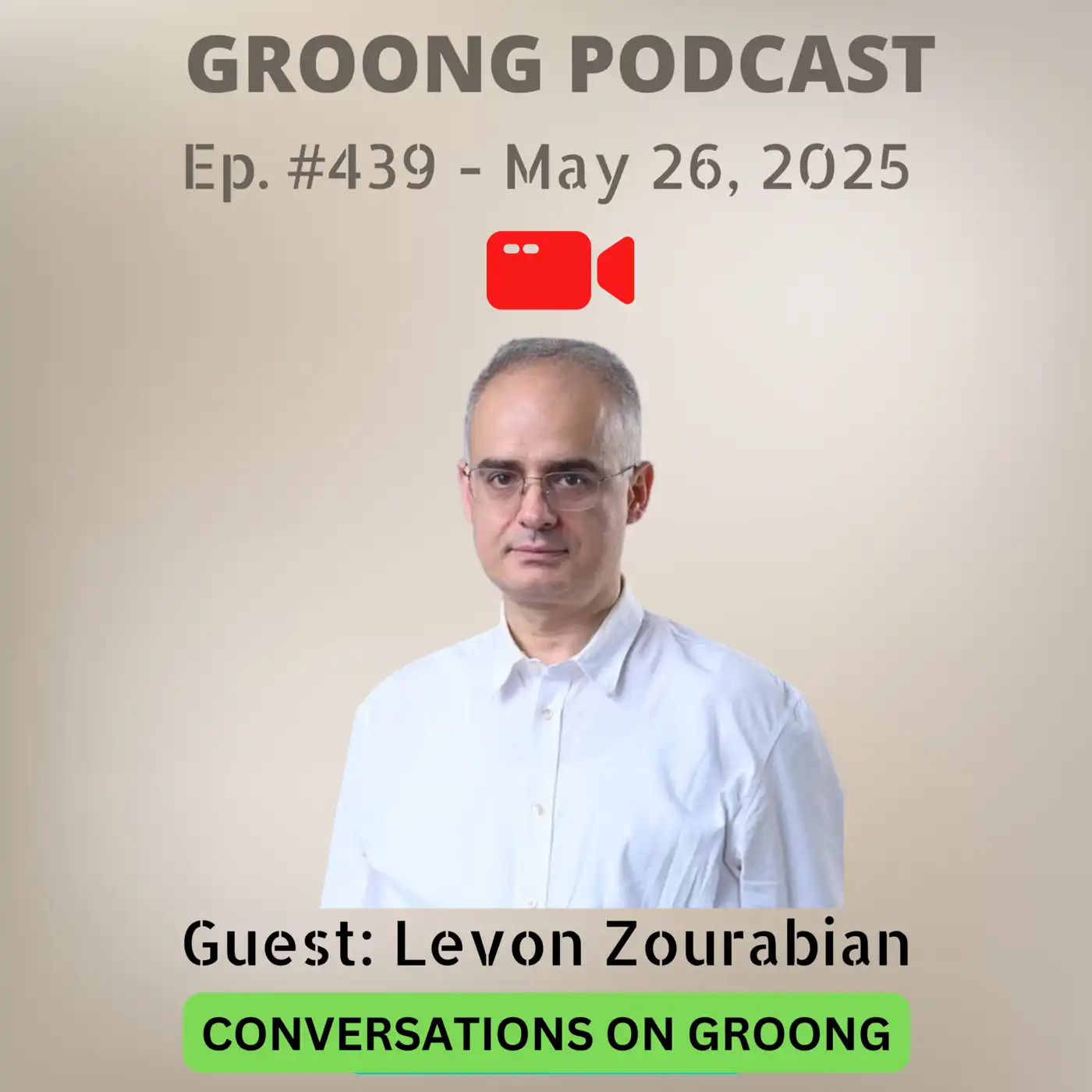
Groong Links:
Guest:
- Levon Zourabian , Vice-President of the Armenian National Congress (ANC) party of Armenia.
Topics:
- US-Iran Nuclear Talks
- Russia and Ukraine
- Armenia Azerbaijan Talks
- Armenian Elections in 2026
Episode 439 | Recorded: May 23, 2025
Levon Zourabian - US-Iran, Russia-Ukraine, Armenia-Azerbaijan, 2026 Campaigns | Ep 439, May 26, 2025 [EP439]
Posted on Tuesday, May 27, 2025 | Category: Armenia, Geopolitics, Iran, Russia, Ukraine, Israel, Azerbaijan, Economy, Turkey, Middle East, European Union, GenocideGroong Links:
Guest:
- Levon Zourabian , Vice-President of the Armenian National Congress (ANC) party of Armenia.
Topics:
- US-Iran Nuclear Talks
- Russia and Ukraine
- Armenia Azerbaijan Talks
- Armenian Elections in 2026
Episode 439 | Recorded: May 23, 2025
Hrant Mikaelian - Tirana, Lavrov, Armenian Un-Democracy, Demilitarization, and More | Ep 438, May 18, 2025 [EP438]
Posted on Friday, May 23, 2025 | Category: Armenia, Politics, Vatican, Artsakh, Nagorno Karabakh, Azerbaijan, Turkey, Russia, Iran, Ukraine, India, European Union, Israel, Genocide, Georgia | Series: wir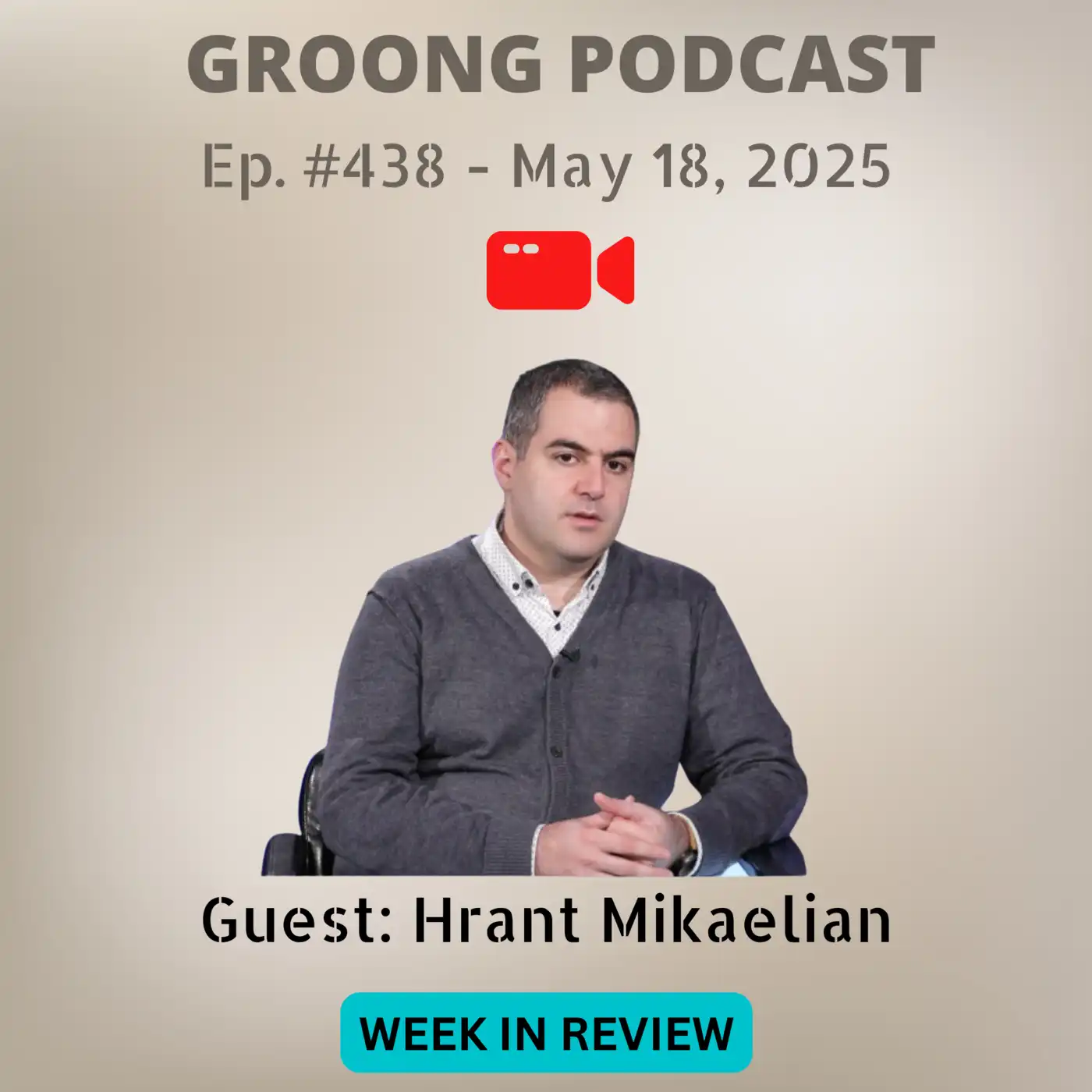
Groong Links:
Guest:
Topics:
- Pashinyan in Tirana
- Russiaâs Lavrov in Yerevan
- Democracy in Jeopardy
- Armeniaâs Demilitarization by Any Other Name
- The Kitchen Sink
Episode 438 | Recorded: May 21, 2025
Hrant Mikaelian - Tirana, Lavrov, Armenian Un-Democracy, Demilitarization, and More | Ep 438, May 18, 2025 [EP438]
Posted on Friday, May 23, 2025 | Category: Armenia, Politics, Vatican, Artsakh, Nagorno Karabakh, Azerbaijan, Turkey, Russia, Iran, Ukraine, India, European Union, Israel, Genocide, GeorgiaGroong Links:
Guest:
Topics:
- Pashinyan in Tirana
- Russiaâs Lavrov in Yerevan
- Democracy in Jeopardy
- Armeniaâs Demilitarization by Any Other Name
- The Kitchen Sink
Episode 438 | Recorded: May 21, 2025
Ehsan Movahedian - Iran Amidst Geopolitical Tensions | Ep 437, May 19, 2025 [EP437]
Posted on Monday, May 19, 2025 | Category: Iran, Armenia, Geopolitics, USA, Russia, Israel, Azerbaijan, Syria, Turkey, Georgia, Nagorno Karabakh, NATO, China, Middle East, Economy | Series: cog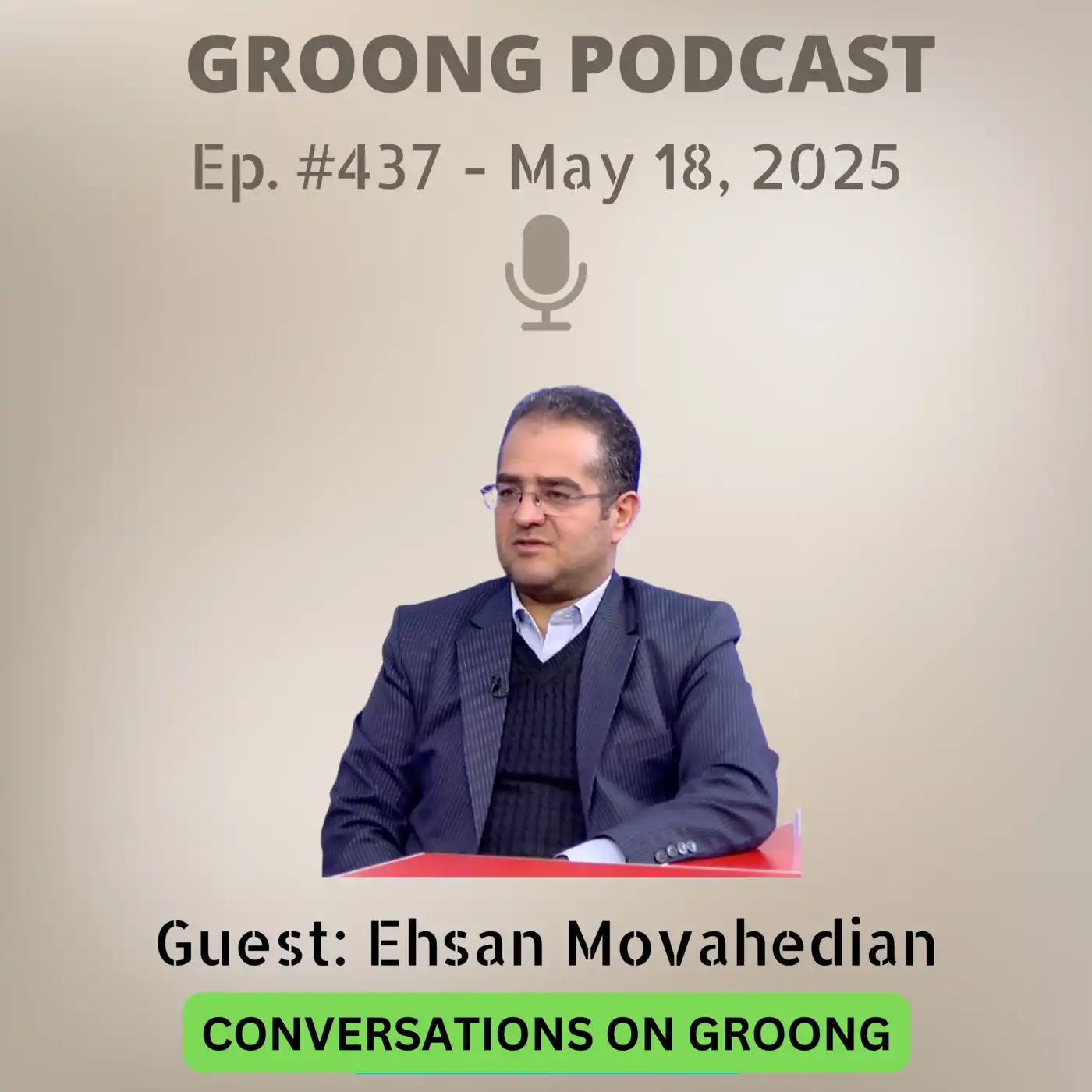
Groong Links:
Guest:
Topics:
- US-Iran Nuclear Talks
- Pezeshkian Visit to Baku
- Iran-Armenia Relations
- US Support for Azerbaijan
Episode 437 | Recorded: May 16, 2025
Ehsan Movahedian - Iran Amidst Geopolitical Tensions | Ep 437, May 19, 2025 [EP437]
Posted on Monday, May 19, 2025 | Category: Iran, Armenia, Geopolitics, USA, Russia, Israel, Azerbaijan, Syria, Turkey, Georgia, Nagorno Karabakh, NATO, China, Middle East, EconomyGroong Links:
Guest:
Topics:
- US-Iran Nuclear Talks
- Pezeshkian Visit to Baku
- Iran-Armenia Relations
- US Support for Azerbaijan
Episode 437 | Recorded: May 16, 2025
Pietro Shakarian - May 9, Victory Day and Parade, Artsrun Hovhannisyan’s Historical Revision | Ep 436, May 15, 2025 [EP436]
Posted on Thursday, May 15, 2025 | Category: Russia, Armenia, Geopolitics, Nagorno Karabakh, China, Armenian Genocide, Turkey, Azerbaijan, NATO, Ukraine, Genocide, Soviet Armenia, Modern Armenia | Series: cog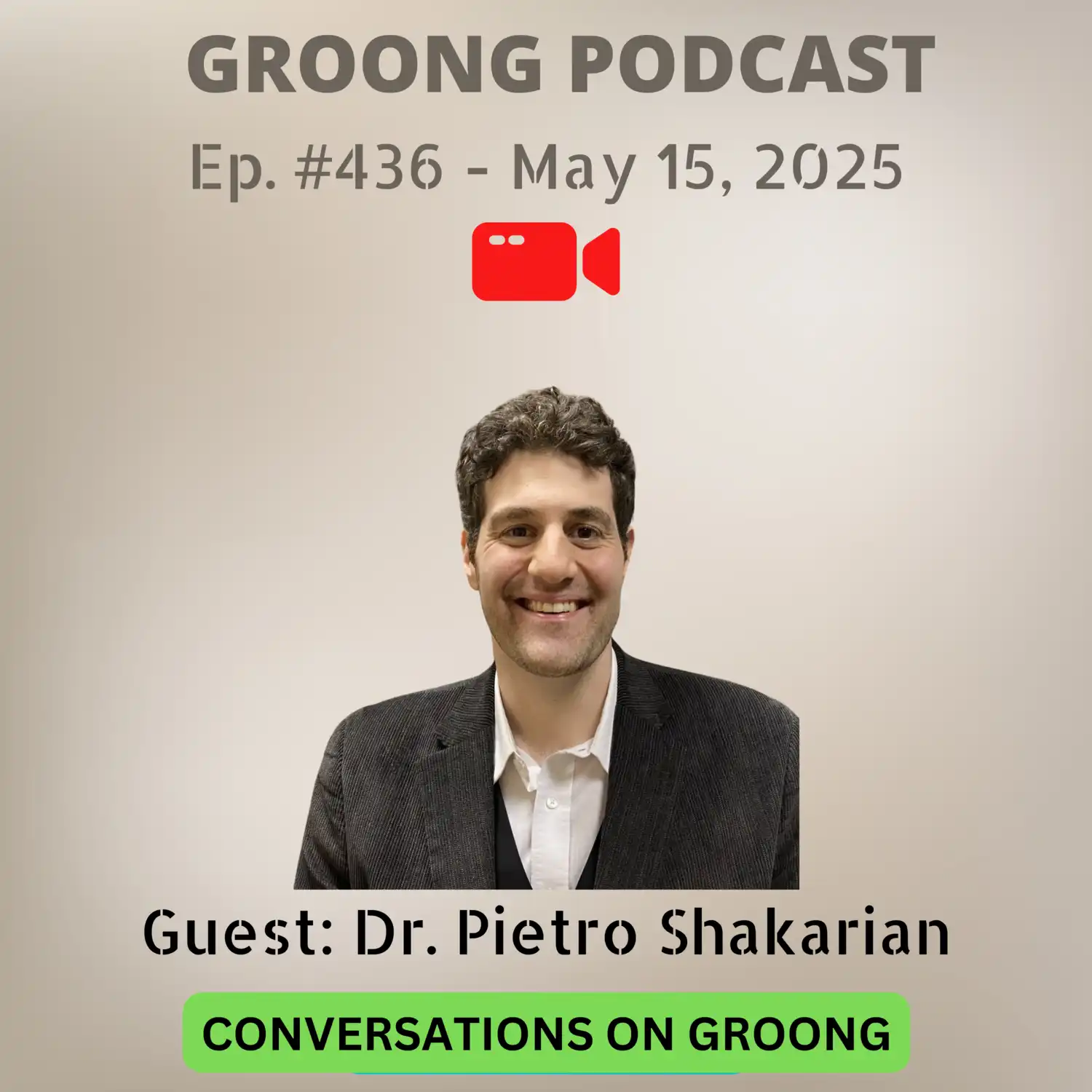
Groong Links:
Guest:
Topics:
- May 9, Victory Day and Parade
- Pashinyan, Aliyev Posture at Victory Day
- Artsrun Hovhannisyanâs Historical Revision
- Armenia and Artsakh Contributions to WW2
Episode 436 | Recorded: May 15, 2025
Pietro Shakarian - May 9, Victory Day and Parade, Artsrun Hovhannisyan’s Historical Revision | Ep 436, May 15, 2025 [EP436]
Posted on Thursday, May 15, 2025 | Category: Russia, Armenia, Geopolitics, Nagorno Karabakh, China, Armenian Genocide, Turkey, Azerbaijan, NATO, Ukraine, Genocide, Soviet Armenia, Modern ArmeniaGroong Links:
Guest:
Topics:
- May 9, Victory Day and Parade
- Pashinyan, Aliyev Posture at Victory Day
- Artsrun Hovhannisyanâs Historical Revision
- Armenia and Artsakh Contributions to WW2
Episode 436 | Recorded: May 15, 2025
Arthur G Martirosyan - Victory Day, India Pakistan, Armenia Azerbaijan, Pope Leo XIV | Ep 435, May 11, 2025 [EP435]
Posted on Wednesday, May 14, 2025 | Category: Armenia, Politics, Russia, Azerbaijan, Armenian Genocide, Armenian Church, India, Turkey, China, Genocide, Ukraine, Israel, Iran, Economy, Georgia | Series: wir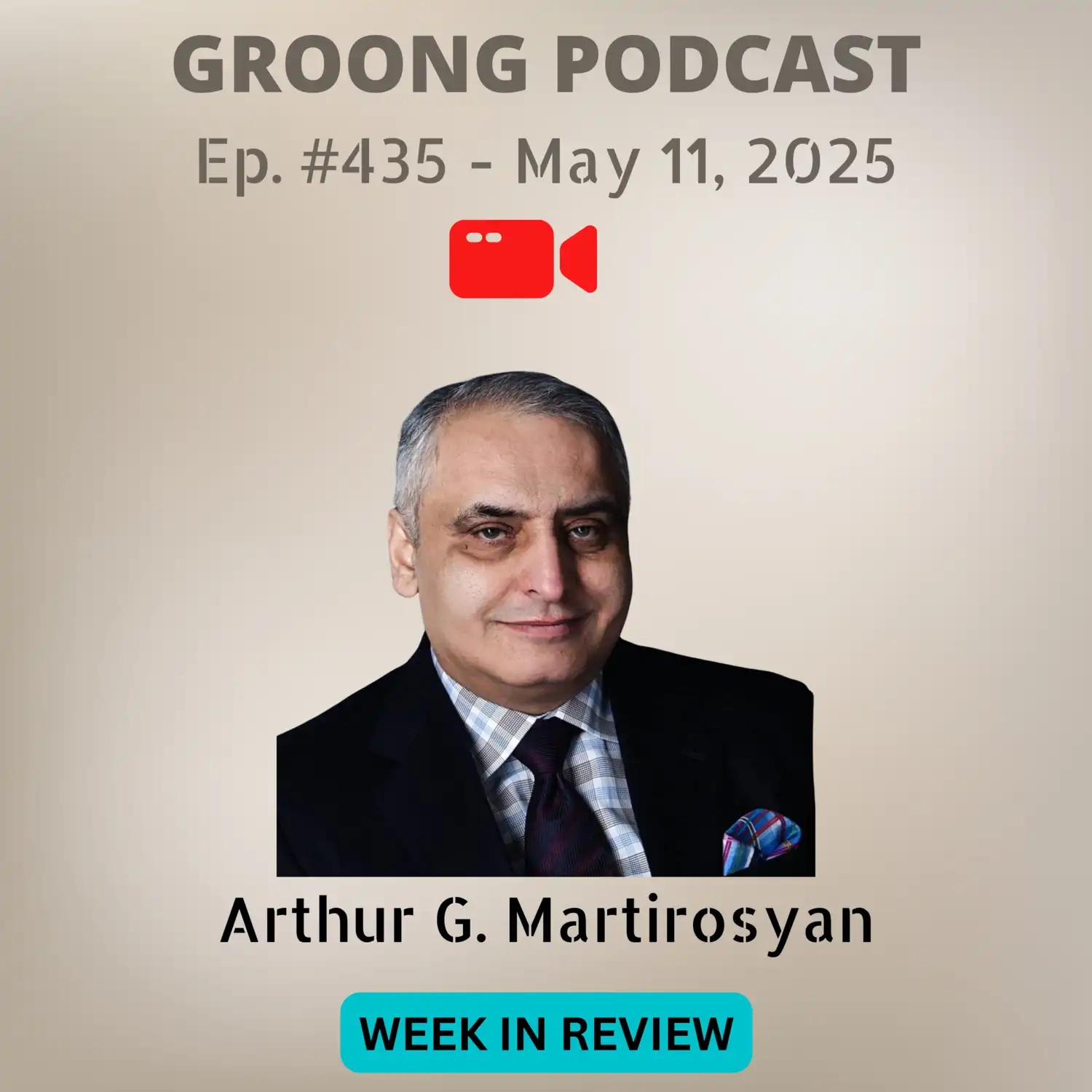
Groong Links:
Guest:
Topics:
- May 9 Victory Parade
- Ukraine
- India and Pakistan
- Armenian Azerbaijani Talks
- American Pope
Episode 435 | Recorded: May 12, 2025
Arthur G Martirosyan - Victory Day, India Pakistan, Armenia Azerbaijan, Pope Leo XIV | Ep 435, May 11, 2025 [EP435]
Posted on Wednesday, May 14, 2025 | Category: Armenia, Politics, Russia, Azerbaijan, Armenian Genocide, Armenian Church, India, Turkey, China, Genocide, Ukraine, Israel, Iran, Economy, GeorgiaGroong Links:
Guest:
Topics:
- May 9 Victory Parade
- Ukraine
- India and Pakistan
- Armenian Azerbaijani Talks
- American Pope
Episode 435 | Recorded: May 12, 2025
Benyamin Poghosyan - US-Iran Tensions, Armenia-Azerbaijan, Victory Day, Journalist Assaulted | Ep 434, May 4, 2025 [EP434]
Posted on Wednesday, May 7, 2025 | Category: Armenia, Politics, Iran, Geopolitics, Artsakh, Nagorno Karabakh, Azerbaijan, Georgia, Turkey, Russia, Israel, China, Ukraine, Syria | Series: wir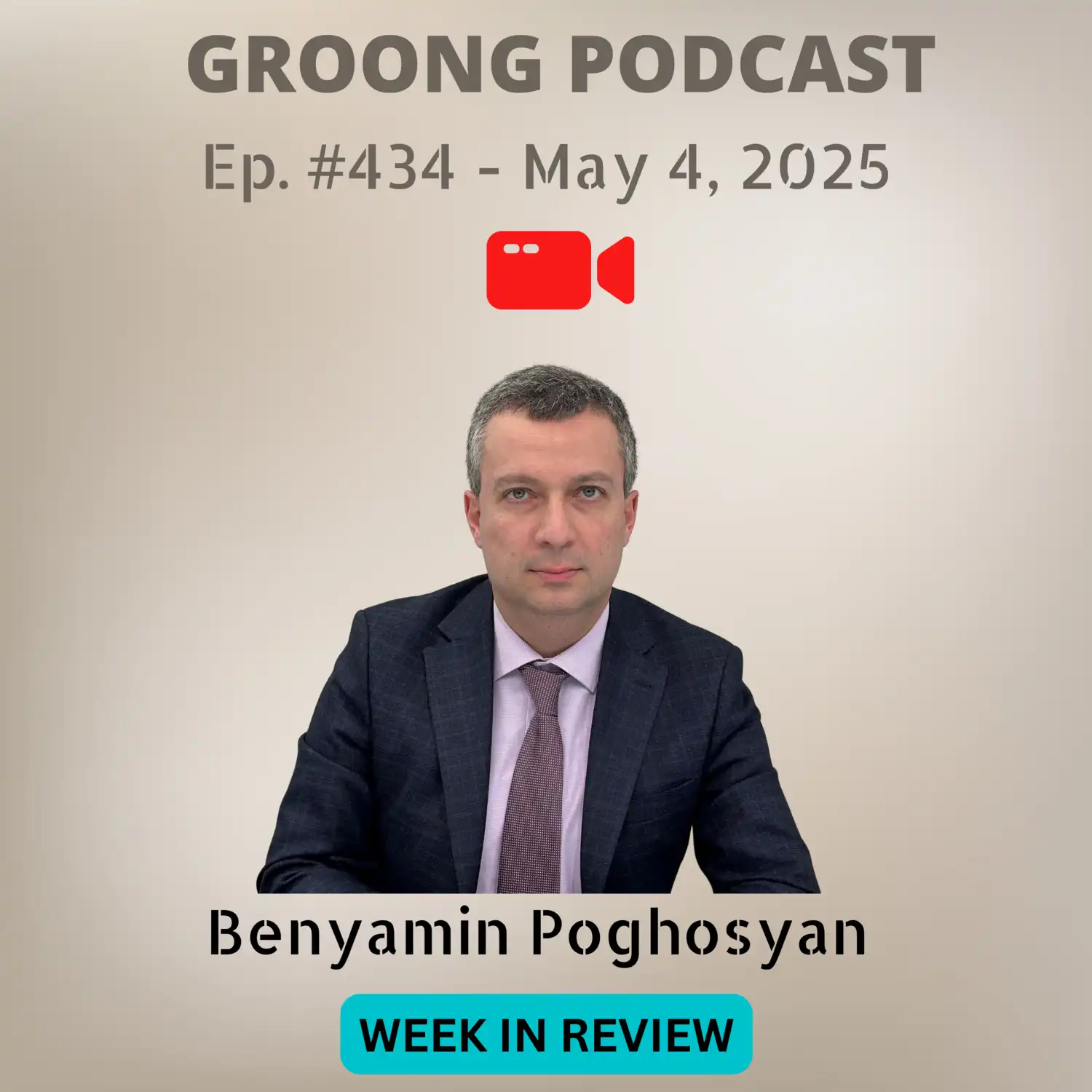
Groong Links:
Guest:
Topics:
- Iran Sanctions Escalate Amid Tensions
- Journalist Beaten Inside Yerevan Office
- Moscow Celebrates Victory Day Parade
- Armenia Caught Between EU and Russia
Episode 434 | Recorded: May 6, 2025
Benyamin Poghosyan - US-Iran Tensions, Armenia-Azerbaijan, Victory Day, Journalist Assaulted | Ep 434, May 4, 2025 [EP434]
Posted on Wednesday, May 7, 2025 | Category: Armenia, Politics, Iran, Geopolitics, Artsakh, Nagorno Karabakh, Azerbaijan, Georgia, Turkey, Russia, Israel, China, Ukraine, SyriaGroong Links:
Guest:
Topics:
- Iran Sanctions Escalate Amid Tensions
- Journalist Beaten Inside Yerevan Office
- Moscow Celebrates Victory Day Parade
- Armenia Caught Between EU and Russia
Episode 434 | Recorded: May 6, 2025
Dziunik Aghajanian - Armenian State Genocide Denial, Politics of Silence, Pezeshkian in Baku, Bandar Abbas | Ep 432, Apr 27, 2025 [EP432]
Posted on Wednesday, Apr 30, 2025 | Category: Armenia, Politics, Iran, Artsakh, Nagorno Karabakh, Turkey, Azerbaijan, Russia, China, India, Geopolitics, Diaspora, Armenian Genocide, Artsakh Blockade, BRICS, Genocide, European Union, Middle East, Economy, Lebanon, Georgia, Human Rights, Israel | Series: wir, video
Groong Links:
Guest:
Topics:
- Genocide Recognition and State Silence
- Iran-Azerbaijan Talks & Geopolitical Shifts
- Bandar Abbas: Explosion, or Warning?
Episode 432 | Recorded: April 29, 2025
Dziunik Aghajanian - Armenian State Genocide Denial, Politics of Silence, Pezeshkian in Baku, Bandar Abbas | Ep 432, Apr 27, 2025 [EP432]
Posted on Wednesday, Apr 30, 2025 | Category: Armenia, Politics, Iran, Artsakh, Nagorno Karabakh, Turkey, Azerbaijan, Russia, China, India, Geopolitics, Diaspora, Armenian Genocide, Artsakh Blockade, BRICS, Genocide, European Union, Middle East, Economy, Lebanon, Georgia, Human Rights, IsraelGroong Links:
Guest:
Topics:
- Genocide Recognition and State Silence
- Iran-Azerbaijan Talks & Geopolitical Shifts
- Bandar Abbas: Explosion, or Warning?
Episode 432 | Recorded: April 29, 2025
Alberto M. Fernandez – Vatican-Baku Partnership & Erosion of Moral Authority | Ep 431, Apr 29, 2025 [EP431]
Posted on Tuesday, Apr 29, 2025 | Category: Armenia, World, Vatican, Azerbaijan, Artsakh, Nagorno Karabakh, Armenian Church, Iran, Armenian Genocide, Artsakh Blockade, Syria, Genocide, Turkey, Russia, Middle East, Lebanon, Human Rights, Georgia, Israel, China, India, NATO, Ukraine | Series: cog, video
Groong Links:
Guest:
Topics:
- Vaticanâs alliance with Azerbaijan
- Whitewashing of Artsakhâs ethnic cleansing
- Global silence on Armenian Genocide
- U.S. policy under Trump and risks to Armenia
Episode 431 | Recorded: April 29, 2025
Alberto M. Fernandez – Vatican-Baku Partnership & Erosion of Moral Authority | Ep 431, Apr 29, 2025 [EP431]
Posted on Tuesday, Apr 29, 2025 | Category: Armenia, World, Vatican, Azerbaijan, Artsakh, Nagorno Karabakh, Armenian Church, Iran, Armenian Genocide, Artsakh Blockade, Syria, Genocide, Turkey, Russia, Middle East, Lebanon, Human Rights, Georgia, Israel, China, India, NATO, UkraineGroong Links:
Guest:
Topics:
- Vaticanâs alliance with Azerbaijan
- Whitewashing of Artsakhâs ethnic cleansing
- Global silence on Armenian Genocide
- U.S. policy under Trump and risks to Armenia
Episode 431 | Recorded: April 29, 2025
Anna Karapetyan - Iran-Armenia Military Exercises, Azerbaijan Border Shootings, Mirzoyan at Antalya Diplomatic Forum, Genocide Denial by the Armenian Government | Ep 428, Apr 13, 2025 [EP428]
Posted on Tuesday, Apr 15, 2025 | Category: Armenia, Azerbaijan, Artsakh, Iran, Genocide, Nagorno Karabakh, Turkey, Armenian Genocide, Israel, Georgia, India, Middle East, Russia, Syria | Series: wir
Groong Links:
Guest:
- Anna Karapetyan Director of the Insight Analytical Center for Applied Policy and Research.
Topics:
- Iran-Armenia Military Exercises
- Armenian Villages Terrorized by Azerbaijan
- Mirzoyan in Antalya
- Armeniaâs Genocide Denial
Episode 428 | Recorded: April 14, 2025
Anna Karapetyan - Iran-Armenia Military Exercises, Azerbaijan Border Shootings, Mirzoyan at Antalya Diplomatic Forum, Genocide Denial by the Armenian Government | Ep 428, Apr 13, 2025 [EP428]
Posted on Tuesday, Apr 15, 2025 | Category: Armenia, Azerbaijan, Artsakh, Iran, Genocide, Nagorno Karabakh, Turkey, Armenian Genocide, Israel, Georgia, India, Middle East, Russia, SyriaGroong Links:
Guest:
- Anna Karapetyan Director of the Insight Analytical Center for Applied Policy and Research.
Topics:
- Iran-Armenia Military Exercises
- Armenian Villages Terrorized by Azerbaijan
- Mirzoyan in Antalya
- Armeniaâs Genocide Denial
Episode 428 | Recorded: April 14, 2025
Benyamin Poghosyan - US-Iran, Gyumri, Armenia MFA Blames Artsakh, Negotiations with Azerbaijan | Ep 426, Apr 6, 2025 [EP426]
Posted on Wednesday, Apr 9, 2025 | Category: Armenia, Politics, Iran, Geopolitics, Artsakh, Nagorno Karabakh, Azerbaijan, USA, Russia, China, Israel, Middle East, Ukraine, Artsakh Blockade, Armenian Genocide, Genocide, Turkey, NATO, Syria | Series: wir
Groong Links:
Guest:
Topics:
- US Iran Escalation
- Aftermath of Gyumri and Parakar
- MFA blames Artsakh for Regional Isolation
- Bullets and Peace
Episode 426 | Recorded: April 8, 2025
Benyamin Poghosyan - US-Iran, Gyumri, Armenia MFA Blames Artsakh, Negotiations with Azerbaijan | Ep 426, Apr 6, 2025 [EP426]
Posted on Wednesday, Apr 9, 2025 | Category: Armenia, Politics, Iran, Geopolitics, Artsakh, Nagorno Karabakh, Azerbaijan, USA, Russia, China, Israel, Middle East, Ukraine, Artsakh Blockade, Armenian Genocide, Genocide, Turkey, NATO, SyriaGroong Links:
Guest:
Topics:
- US Iran Escalation
- Aftermath of Gyumri and Parakar
- MFA blames Artsakh for Regional Isolation
- Bullets and Peace
Episode 426 | Recorded: April 8, 2025
Dziunik Aghajanian - Illusions of Peace and Geopolitical Games | Ep 424 - Mar 23, 2025 [EP424]
Posted on Wednesday, Mar 26, 2025 | Category: Armenia, Politics, Iran, Artsakh, Nagorno Karabakh, Azerbaijan, Middle East, Israel, Geopolitics, Russia, Syria, Turkey, Lebanon, Ukraine, China | Series: wir, video
Groong Links:
Guest:
Topics:
- Trumpâs Iran ultimatum explored
- Turkeyâs protests seen as strategic
- Azerbaijanâs peace deal as smokescreen
- Armeniaâs Westward drift analyzed
- Gyumri elections stir controversy
Episode 424 | Recorded: March 25, 2025
Dziunik Aghajanian - Illusions of Peace and Geopolitical Games | Ep 424 - Mar 23, 2025 [EP424]
Posted on Wednesday, Mar 26, 2025 | Category: Armenia, Politics, Iran, Artsakh, Nagorno Karabakh, Azerbaijan, Middle East, Israel, Geopolitics, Russia, Syria, Turkey, Lebanon, Ukraine, ChinaGroong Links:
Guest:
Topics:
- Trumpâs Iran ultimatum explored
- Turkeyâs protests seen as strategic
- Azerbaijanâs peace deal as smokescreen
- Armeniaâs Westward drift analyzed
- Gyumri elections stir controversy
Episode 424 | Recorded: March 25, 2025
Benyamin Poghosyan - Peace or Capitulation? Armenia's Dilemma & Ukraine Shifts | Ep 423 - Mar 16, 2025 [EP423]
Posted on Tuesday, Mar 18, 2025 | Category: Armenia, Politics, Artsakh, Azerbaijan, Geopolitics, Russia, Iran, Turkey, Nagorno Karabakh, NATO, European Union, Ukraine, Israel, China, Middle East, Genocide | Series: wir
Groong Links:
Guest:
Topics:
- Armenia-Azerbaijan “Treaty”: Concessions, secrecy, opposition backlash.
- Preconditions for Peace: OSCE Minsk dissolution, constitutional changes.
- Ukraine War Talks: Jeddah negotiations, UAV attacks, Trump-Putin call.
- Witkoffâs Baku Stop: Mysterious visit raising geopolitical questions.
Episode 423 | Recorded: March 17, 2025
Benyamin Poghosyan - Peace or Capitulation? Armenia's Dilemma & Ukraine Shifts | Ep 423 - Mar 16, 2025 [EP423]
Posted on Tuesday, Mar 18, 2025 | Category: Armenia, Politics, Artsakh, Azerbaijan, Geopolitics, Russia, Iran, Turkey, Nagorno Karabakh, NATO, European Union, Ukraine, Israel, China, Middle East, GenocideGroong Links:
Guest:
Topics:
- Armenia-Azerbaijan “Treaty”: Concessions, secrecy, opposition backlash.
- Preconditions for Peace: OSCE Minsk dissolution, constitutional changes.
- Ukraine War Talks: Jeddah negotiations, UAV attacks, Trump-Putin call.
- Witkoffâs Baku Stop: Mysterious visit raising geopolitical questions.
Episode 423 | Recorded: March 17, 2025
Hrant Mikaelian - Abkhazia Polls, Armenian Hostages in Baku, Yerevan Protests | Ep 421, Mar 2, 2025 [EP421]
Posted on Wednesday, Mar 5, 2025 | Category: Armenia, Politics, Artsakh, Azerbaijan, Geopolitics, Human Rights, Russia, Nagorno Karabakh, Georgia, Turkey, Ukraine, Iran, China, Israel, Middle East | Series: wir
Groong Links:
Guest:
Topics:
- Abkhaz Elections & Regional Implications â The second round of Abkhaziaâs presidential elections, the impact of mass protests, and what Badra Gunbaâs victory means for the region.
- Armenian Hostages in Baku â Ongoing trials of Armenian POWs and former Artsakh leaders, reports of torture, and international calls for independent medical evaluations.
- Protests in Yerevan Over POWs â Civil society and opposition-led demonstrations demanding stronger government action and international intervention.
Hrant Mikaelian - Abkhazia Polls, Armenian Hostages in Baku, Yerevan Protests | Ep 421, Mar 2, 2025 [EP421]
Posted on Wednesday, Mar 5, 2025 | Category: Armenia, Politics, Artsakh, Azerbaijan, Geopolitics, Human Rights, Russia, Nagorno Karabakh, Georgia, Turkey, Ukraine, Iran, China, Israel, Middle EastGroong Links:
Guest:
Topics:
- Abkhaz Elections & Regional Implications â The second round of Abkhaziaâs presidential elections, the impact of mass protests, and what Badra Gunbaâs victory means for the region.
- Armenian Hostages in Baku â Ongoing trials of Armenian POWs and former Artsakh leaders, reports of torture, and international calls for independent medical evaluations.
- Protests in Yerevan Over POWs â Civil society and opposition-led demonstrations demanding stronger government action and international intervention.
Carden, Shakarian - Trump, Foreign Policy, Foreign Aid, US-Armenia and Regions | Ep 420, Mar 3, 2025 [EP420]
Posted on Tuesday, Mar 4, 2025 | Category: USA, Ukraine, Russia, Armenia, Azerbaijan, Turkey, Geopolitics, China, Nagorno Karabakh, NATO, Israel, Iran, Georgia, Human Rights, Syria, Genocide | Series: cog, video
Groong Links:
Guest:
Topics:
- US Foreign Policy Under Trump
- Transactional Foreign Policy
- Trumpâs Cabinet & Policy Shifts
- US-Armenia Relations
Episode 420 | Recorded: February 27, 2025
Carden, Shakarian - Trump, Foreign Policy, Foreign Aid, US-Armenia and Regions | Ep 420, Mar 3, 2025 [EP420]
Posted on Tuesday, Mar 4, 2025 | Category: USA, Ukraine, Russia, Armenia, Azerbaijan, Turkey, Geopolitics, China, Nagorno Karabakh, NATO, Israel, Iran, Georgia, Human Rights, Syria, GenocideGroong Links:
Guest:
Topics:
- US Foreign Policy Under Trump
- Transactional Foreign Policy
- Trumpâs Cabinet & Policy Shifts
- US-Armenia Relations
Episode 420 | Recorded: February 27, 2025
Jean-Daniel Ruch - Geopolitics, Justice and the Future World Order | Ep 419, Mar 1, 2025 [EP419]
Posted on Sunday, Mar 2, 2025 | Category: Armenia, Russia, Ukraine, Artsakh, Nagorno Karabakh, Geopolitics, Azerbaijan, Turkey, NATO, Israel, Georgia, Human Rights, China, Syria, Economy, Iran, Middle East | Series: cog, video
Groong Links:
Guest:
Topics:
- Jean-Daniel Ruchâs Career & Background
- The Role of Diplomacy in Conflict Resolution
- Western Democracy Promotion & Geopolitical Power Plays
- The War in Ukraine & Failed Peace Efforts
- US & European Geopolitical Strategies
- The International Criminal Court & Selective Justice
- The Artsakh Conflict & Armenian Displacement
Episode 419 | Recorded: February 27, 2025
Jean-Daniel Ruch - Geopolitics, Justice and the Future World Order | Ep 419, Mar 1, 2025 [EP419]
Posted on Sunday, Mar 2, 2025 | Category: Armenia, Russia, Ukraine, Artsakh, Nagorno Karabakh, Geopolitics, Azerbaijan, Turkey, NATO, Israel, Georgia, Human Rights, China, Syria, Economy, Iran, Middle EastGroong Links:
Guest:
Topics:
- Jean-Daniel Ruchâs Career & Background
- The Role of Diplomacy in Conflict Resolution
- Western Democracy Promotion & Geopolitical Power Plays
- The War in Ukraine & Failed Peace Efforts
- US & European Geopolitical Strategies
- The International Criminal Court & Selective Justice
- The Artsakh Conflict & Armenian Displacement
Episode 419 | Recorded: February 27, 2025
Arthur G Martirosyan - Ukraine, Edgar Ghazaryan, Robert Kocharyan, Yerevan Bus Fares | Ep 418, Feb 23, 2025 [EP418]
Posted on Tuesday, Feb 25, 2025 | Category: Armenia, Politics, Artsakh, Nagorno Karabakh, Georgia, Turkey, Russia, Azerbaijan, Ukraine, China, Iran, NATO, Israel, European Union, Syria | Series: wir, video
Groong Links:
Guest:
Topics:
- Ukraine Negotiations in Riyadh
- Edgar Ghazayan Bullied by the Government
- Robert Kocharyan Press Conference
- Yerevan Bus Fares
Episode 418 | Recorded: February 24, 2025
Arthur G Martirosyan - Ukraine, Edgar Ghazaryan, Robert Kocharyan, Yerevan Bus Fares | Ep 418, Feb 23, 2025 [EP418]
Posted on Tuesday, Feb 25, 2025 | Category: Armenia, Politics, Artsakh, Nagorno Karabakh, Georgia, Turkey, Russia, Azerbaijan, Ukraine, China, Iran, NATO, Israel, European Union, SyriaGroong Links:
Guest:
Topics:
- Ukraine Negotiations in Riyadh
- Edgar Ghazayan Bullied by the Government
- Robert Kocharyan Press Conference
- Yerevan Bus Fares
Episode 418 | Recorded: February 24, 2025
Hrant Mikaelian - Review of the Armenian Economy in 2024 | Ep 417, Feb 22, 2025 [EP417]
Posted on Saturday, Feb 22, 2025 | Category: Armenia, Turkey, Artsakh, Economy, Poll, Nagorno Karabakh, Russia, Georgia, European Union, Azerbaijan, Ukraine, Iran, NATO, India | Series: cog
Groong Links:
Guest:
Topics:
- TBD
Episode 417 | Recorded: February 12, 2025
Hrant Mikaelian - Review of the Armenian Economy in 2024 | Ep 417, Feb 22, 2025 [EP417]
Posted on Saturday, Feb 22, 2025 | Category: Armenia, Turkey, Artsakh, Economy, Poll, Nagorno Karabakh, Russia, Georgia, European Union, Azerbaijan, Ukraine, Iran, NATO, IndiaGroong Links:
Guest:
Topics:
- TBD
Episode 417 | Recorded: February 12, 2025
Dziunik Aghajanian - Peace Plan 2019, Corridor Talks, Armenia Domestic Politics, World Politics | Ep 416, Feb 16, 2025 [EP416]
Posted on Wednesday, Feb 19, 2025 | Category: Armenia, Azerbaijan, Middle East, Artsakh, Nagorno Karabakh, Georgia, Turkey, Russia, Iran, Geopolitics, BRICS, NATO, European Union, Ukraine, Israel, China, Syria, Human Rights | Series: wir, video
Groong Links:
Guest:
Topics:
- World Politics
- Plan, or No Plan?
- Corridor Talk
- Domestic Politics
Episode 416 | Recorded: February 17, 2025
Dziunik Aghajanian - Peace Plan 2019, Corridor Talks, Armenia Domestic Politics, World Politics | Ep 416, Feb 16, 2025 [EP416]
Posted on Wednesday, Feb 19, 2025 | Category: Armenia, Azerbaijan, Middle East, Artsakh, Nagorno Karabakh, Georgia, Turkey, Russia, Iran, Geopolitics, BRICS, NATO, European Union, Ukraine, Israel, China, Syria, Human RightsGroong Links:
Guest:
Topics:
- World Politics
- Plan, or No Plan?
- Corridor Talk
- Domestic Politics
Episode 416 | Recorded: February 17, 2025
Fyodor Lukyanov - Russia, the US, Ukraine, Armenia, Georgia, and the New Global Order | Ep 414, Feb. 16, 2025 [EP414]
Posted on Sunday, Feb 16, 2025 | Category: Russia, Ukraine, Armenia, Azerbaijan, Georgia, Geopolitics, Iran, Turkey, Nagorno Karabakh, BRICS, NATO, European Union, China, Economy, Genocide | Series: cog, video
Groong Links:
Guest:
Topics:
- A New Détente?
- The Trump-Putin Call
- Russiaâs Strategic Choices
- Russo-Armenian Relations
- Russo-Azerbaijani Relations
- Georgiaâs Pragmatism
Episode 414 | Recorded: Valentineâs Day, February 14, 2025
Fyodor Lukyanov - Russia, the US, Ukraine, Armenia, Georgia, and the New Global Order | Ep 414, Feb. 16, 2025 [EP414]
Posted on Sunday, Feb 16, 2025 | Category: Russia, Ukraine, Armenia, Azerbaijan, Georgia, Geopolitics, Iran, Turkey, Nagorno Karabakh, BRICS, NATO, European Union, China, Economy, GenocideGroong Links:
Guest:
Topics:
- A New Détente?
- The Trump-Putin Call
- Russiaâs Strategic Choices
- Russo-Armenian Relations
- Russo-Azerbaijani Relations
- Georgiaâs Pragmatism
Episode 414 | Recorded: Valentineâs Day, February 14, 2025
Transcript: Fyodor Lukyanov - Russia, the US, Ukraine, Armenia, Georgia, and the New Global Order | Ep 414, Feb. 16, 2025 [EP414]
Posted on Sunday, Feb 16, 2025 | Category: Russia, Ukraine, Armenia, Azerbaijan, Georgia, Geopolitics, Iran, Turkey, Nagorno Karabakh, BRICS, NATO, European Union, China, Economy, Genocide, TranscriptA New Détente? The Trump-Putin Call. Russia’s Strategic Choices. Russo-Armenian Relations. Russo-Azerbaijani Relations. Georgia’s Pragmatism.