Armenia
Last updated: June 10, 2026
Armenia is a landlocked nation in the South Caucasus region of Western Asia, bordered by Georgia, Azerbaijan, Iran, and Turkey. With a population of approximately 3 million, Armenia is one of the world’s oldest Christian civilizations, having adopted Christianity as its state religion in 301 CE—the first country to do so. The capital and largest city is Yerevan, located in the central part of the country. Armenia’s geography is characterized by the Armenian Highlands, a mountainous region with an average elevation exceeding 1,600 meters. The country is known for its rich cultural heritage, including ancient churches, monasteries, and archaeological sites. Armenia is a member of numerous international organizations including the United Nations, World Trade Organization, and the Eurasian Economic Union.
In the context of Groong’s coverage, Armenia is a landlocked South Caucasus republic facing an acute strategic and political crisis. Since the 2020 44-Day War , the country has lost control of Artsakh (Nagorno Karabakh) and hundreds of square kilometers of territory to Azerbaijan, undergone the complete ethnic cleansing of more than 150,000 Armenian inhabitants from Artsakh, and seen its borders redrawn under duress. Prime Minister Nikol Pashinyan and his Civil Contract party have governed through this catastrophe while pursuing what opponents describe as a capitulation strategy: signing ceasefire agreements, negotiating territorial concessions, and attempting to normalize relations with Turkey despite no reciprocal gesture. The government frames this course as realism and peace-building; critics argue it surrenders Armenian sovereignty without securing the rights or security of displaced Artsakhtsis. Armenia’s relationship with its traditional security guarantor Russia has deteriorated sharply, while its pivot toward the European Union and United States remains hesitant and incomplete, leaving the country in a precarious middle position between Moscow and the West.
Domestic politics in Armenia since 2021 have been dominated by the opposition’s demand for Pashinyan’s resignation and accountability for the war’s loss. The Established Opposition parties—Strong Armenia , Armenia Alliance (Hayastan Dashinq) , Prosperous Armenia , and the Republican Party of Armenia —have held street protests, mounted electoral challenges, and attempted to build coalitions for the June 7, 2026 parliamentary elections. Civil Contract’s supermajority in parliament has allowed it to pass constitutional amendments, strip opposition figures of immunity, and advance its agenda despite sustained criticism over corruption, misuse of administrative resources, and alleged election irregularities. The government has also escalated confrontation with the Armenian Church , arresting clergy, seizing church property, and pressuring the Catholicos , actions that have alarmed international observers and divided public opinion. Simultaneously, Pashinyan has consolidated control over state institutions, including the judiciary and security services, raising concerns about democratic backsliding and rule of law.
Armenia’s economy remains fragile. Growth statistics mask structural weaknesses: the country is heavily dependent on remittances and Russian trade, faces declining foreign investment, carries rising national debt, and has seen its ties to Iran—a key trade and energy partner—complicated by U.S. pressure over TRIPP, the so-called Trump Route for International Peace and Prosperity . The project aims to open transport corridors through Armenian territory in Syunik province, a move that would connect Azerbaijan to Turkey via Armenian land and raise questions about Armenian sovereignty over the route and control of its security. Russia has shifted from enthusiastic support of the corridor to public ambivalence, while Iran has issued explicit warnings that it will not accept any arrangement that bypasses or threatens its interests. The competing pressures from Washington, Moscow, Tehran, and Baku leave Armenia’s leadership navigating impossible choices between security guarantees that do not yet exist and economic partnerships that require territorial and strategic concessions it is reluctant to make permanent. The 2026 election will determine whether Armenian voters remain committed to Pashinyan’s course or whether opposition forces can forge a unified alternative around themes of security, sovereignty, and the rights of displaced Artsakhtsis to return home.
Groong episodes that include this tag
Below are all Groong episodes tagged with Armenia.
Pashinyan's Nuclear U-Turn and Armenia's Security Failures | Ep 593, Oct 11, 2026 [EP593]
Posted on Wednesday, Oct 14, 2026 | Category: Armenia, Politics, Geopolitics | Series: wir, video
Groong Links:
Topics:
- Pashinyan’s Nuclear Policy U-Turn
- Azerbaijani Infiltration Into Shaki
- Karapetyan To Unite The Opposition?
- COP17 Spending Corruption
- Pashinyan’s Broken Environmental Promises
Episode 593 | Recorded: October 13, 2026
#Armenia #Pashinyan #NuclearEnergy #Azerbaijan #NationalSecurity #SamvelKarapetyan #Corruption #Amulsar
Pashinyan's Nuclear U-Turn and Armenia's Security Failures | Ep 593, Oct 11, 2026 [EP593]
Posted on Wednesday, Oct 14, 2026 | Category: Armenia, Politics, GeopoliticsGroong Links:
Topics:
- Pashinyan’s Nuclear Policy U-Turn
- Azerbaijani Infiltration Into Shaki
- Karapetyan To Unite The Opposition?
- COP17 Spending Corruption
- Pashinyan’s Broken Environmental Promises
Episode 593 | Recorded: October 13, 2026
#Armenia #Pashinyan #NuclearEnergy #Azerbaijan #NationalSecurity #SamvelKarapetyan #Corruption #Amulsar
Transcript: Pashinyan's Nuclear U-Turn and Armenia's Security Failures | Ep 593, Oct 11, 2026 [EP593]
Posted on Wednesday, Oct 14, 2026 | Category: Armenia, Politics, Geopolitics, TranscriptIn this week’s episode of Groong Week in Review, Hovik and Asbed examine Pashinyan’s abrupt reversal on nuclear energy policy, shifting from Western small modular reactors to consideration of a Russian gigawatt-scale plant amid surging data center demands. We discuss the security implications of long-term energy dependency, the geopolitics behind Armenia’s power infrastructure choices, and ongoing concerns about Azerbaijani infiltration, opposition unity under Samvel Karapetyan, and corruption at COP17.
Groong News Digest — Week of September 28–4, 2026
Posted on Sunday, Oct 4, 2026 | Category: Digest, News DigestArmenia faces domestic political turmoil, border security breaches, and international pressure over the Azerbaijani serviceman incident and church persecution, while peace negotiations proceed amid regional tensions.
Groong Podcast Digest — Week of September 28–4, 2026
Posted on Sunday, Oct 4, 2026 | Category: Digest, Podcast DigestHovik and Asbed mark the sixth anniversary of the 44-Day War while examining Armenia’s deepening crisis over historical memory, escalating tensions between the state and the Armenian Church, international concern over election integrity, and Armenia’s isolated position as Azerbaijan demolishes Artsakh’s Armenian cultural heritage. Harut Sassounian examines Armenia’s identity crisis amid escalating conflict between Pashinyan’s government and the Armenian Apostolic Church, discussing Catholicos Garegin II’s statements at the May 2025 World Council of Churches Read More
From Yerablur to Etchmiadzin: Armenia’s Battle Over Memory | Ep 591, Sep 27, 2026 [EP591]
Posted on Thursday, Oct 1, 2026 | Category: Armenia, Politics, Geopolitics | Series: wir, video
Groong Links:
Topics:
- September 27 war anniversary and memory
- Pashinyan escalates campaign against Church
- PACE raises concerns over elections
- Armenia, Turkey, Azerbaijan at UNGA
- Witkoff reveals Turkish regional advisers
- Opposition faces post-election divisions
- Arrests and prosecutions over speech
- France and Azerbaijan move toward normalization
Episode 591 | Recorded: September 27, 2026
From Yerablur to Etchmiadzin: Armenia’s Battle Over Memory | Ep 591, Sep 27, 2026 [EP591]
Posted on Thursday, Oct 1, 2026 | Category: Armenia, Politics, GeopoliticsGroong Links:
Topics:
- September 27 war anniversary and memory
- Pashinyan escalates campaign against Church
- PACE raises concerns over elections
- Armenia, Turkey, Azerbaijan at UNGA
- Witkoff reveals Turkish regional advisers
- Opposition faces post-election divisions
- Arrests and prosecutions over speech
- France and Azerbaijan move toward normalization
Episode 591 | Recorded: September 27, 2026
Transcript: From Yerablur to Etchmiadzin: Armenia’s Battle Over Memory | Ep 591, Sep 27, 2026 [EP591]
Posted on Thursday, Oct 1, 2026 | Category: Armenia, Politics, Geopolitics, TranscriptIn this week’s Groong Week in Review, Hovik and Asbed mark the sixth anniversary of the 44-Day War and examine Armenia’s deepening crisis over historical memory and national identity. We discuss the Armenian government’s controversial response to September 27 commemorations, escalating tension between the state and the Armenian Church, international concern over election integrity, and Armenia’s isolated position as Azerbaijan demolishes Artsakh’s Armenian cultural heritage while Turkey advances regional integration plans.
Dziunik Aghajanian - From Moscow to Riyadh: New Fault Lines Around Armenia | Ep 590, Sep 25, 2026 [EP590]
Posted on Friday, Sep 25, 2026 | Category: Armenia, Politics, Geopolitics | Series: cog, video
Groong Links:
Guest(s):
Topics:
- Russian parliamentary election outcome
- Middle East escalation and the Houthis
- Armenia-Russia confrontation, including the 102nd base
- Asset confiscation, anti-corruption, and Russian interests
- Azerbaijan-Armenia “durable peace” tensions
- Armenian opposition strategy
Episode 590 | Recorded: September 23, 2026
#Armenia #Russia #SouthCaucasus #Azerbaijan #MiddleEast #UkraineWar #ArmenianPolitics #Geopolitics
Dziunik Aghajanian - From Moscow to Riyadh: New Fault Lines Around Armenia | Ep 590, Sep 25, 2026 [EP590]
Posted on Friday, Sep 25, 2026 | Category: Armenia, Politics, GeopoliticsGroong Links:
Guest(s):
Topics:
- Russian parliamentary election outcome
- Middle East escalation and the Houthis
- Armenia-Russia confrontation, including the 102nd base
- Asset confiscation, anti-corruption, and Russian interests
- Azerbaijan-Armenia “durable peace” tensions
- Armenian opposition strategy
Episode 590 | Recorded: September 23, 2026
#Armenia #Russia #SouthCaucasus #Azerbaijan #MiddleEast #UkraineWar #ArmenianPolitics #Geopolitics
Transcript: Dziunik Aghajanian - From Moscow to Riyadh: New Fault Lines Around Armenia | Ep 590, Sep 25, 2026 [EP590]
Posted on Friday, Sep 25, 2026 | Category: Armenia, Politics, Geopolitics, TranscriptIn this episode of Conversations on Groong, we speak with Dziunik Aghajanian about shifting geopolitical pressures on Armenia following Russia’s September 2026 parliamentary elections. We discuss Putin’s strengthened domestic position, the Armenia-Russia confrontation over the 102nd base, asset confiscation and anti-corruption efforts targeting Russian interests, and how Middle East escalation and the Iran War reshape Armenia’s strategic environment amid ongoing Armenia-Azerbaijan Peace Process tensions.
Arthur Khachatryan - Opposition Strategy, TRIPP, and the Russian Base | Ep 589, Sep 23, 2026 [EP589]
Posted on Wednesday, Sep 23, 2026 | Series: cog, video
Groong Links:
Guest(s):
Topics:
- Reflections on Independence Day
- Post-election opposition strategy
- Tigranashen and other territorial concessions
- Azerbaijani attacks on Armenian heritage
- Azerbaijani control over TRIPP access
- Future of Russia’s 102nd base
- Asset confiscation and Russia tensions
- Attacks and threats against the ARF
Episode 589 | Recorded: September 22, 2026
#Armenia #ArthurKhachatryan #ArmeniaAlliance #TRIPP #Tigranashen #Artsakh #SouthCaucasus #ArmenianPolitics
Read MoreArthur Khachatryan - Opposition Strategy, TRIPP, and the Russian Base | Ep 589, Sep 23, 2026 [EP589]
Posted on Wednesday, Sep 23, 2026Groong Links:
Guest(s):
Topics:
- Reflections on Independence Day
- Post-election opposition strategy
- Tigranashen and other territorial concessions
- Azerbaijani attacks on Armenian heritage
- Azerbaijani control over TRIPP access
- Future of Russia’s 102nd base
- Asset confiscation and Russia tensions
- Attacks and threats against the ARF
Episode 589 | Recorded: September 22, 2026
#Armenia #ArthurKhachatryan #ArmeniaAlliance #TRIPP #Tigranashen #Artsakh #SouthCaucasus #ArmenianPolitics
Read MoreArmenia at 35: Independence, Loss, and Unfinished Wars | Ep 588, Sep 20, 2026 [EP588]
Posted on Wednesday, Sep 23, 2026 | Category: Armenia, Politics, Geopolitics | Series: wir, video
Groong Links:
Topics:
- Armenia marks 35 years independent
- Artsakh remembered three years later
- Armenian POWs remain in Baku
- Ukraine strikes deep inside Russia
- Turkey-Azerbaijan deepen strategic coordination
- Citizenship costs rise sharply
- Government opacity over war casualties
Episode 588 | Recorded: September 22, 2026
#Armenia #Artsakh #UkraineWar #ArmenianPOWs #Azerbaijan #Turkey #SouthCaucasus #ArmenianPolitics
Armenia at 35: Independence, Loss, and Unfinished Wars | Ep 588, Sep 20, 2026 [EP588]
Posted on Wednesday, Sep 23, 2026 | Category: Armenia, Politics, GeopoliticsGroong Links:
Topics:
- Armenia marks 35 years independent
- Artsakh remembered three years later
- Armenian POWs remain in Baku
- Ukraine strikes deep inside Russia
- Turkey-Azerbaijan deepen strategic coordination
- Citizenship costs rise sharply
- Government opacity over war casualties
Episode 588 | Recorded: September 22, 2026
#Armenia #Artsakh #UkraineWar #ArmenianPOWs #Azerbaijan #Turkey #SouthCaucasus #ArmenianPolitics
Transcript: Armenia at 35: Independence, Loss, and Unfinished Wars | Ep 588, Sep 20, 2026 [EP588]
Posted on Wednesday, Sep 23, 2026 | Category: Armenia, Politics, Geopolitics, TranscriptIn this week’s Groong podcast episode, Hovik and Asbed reflect on Armenia’s 35th independence anniversary amid ongoing regional tensions and unresolved conflicts. We discuss the state of Armenian statehood three years after the ethnic cleansing of Artsakh, Armenian prisoners of war still held in Baku, rising citizenship costs, government opacity over war casualties, and deepening Turkey-Azerbaijan strategic coordination.
Transcript: Arthur Khachatryan - Opposition Strategy, TRIPP, and the Russian Base | Ep 589, Sep 23, 2026 [EP589]
Posted on Wednesday, Sep 23, 2026 | Category: TranscriptIn this episode of Conversations on Groong, we speak with Arthur Khachatryan, MP from Armenia Alliance, about opposition strategy following the June 2026 Armenian Parliamentary Election. We discuss the Established Opposition’s plans to counter Pashinyan’s agenda, territorial concessions including Tigranashen, Azerbaijani attacks on Armenian heritage, the role of TRIPP and Azerbaijan’s control over transit corridors, the future of Russia’s 102nd military base, and escalating threats against opposition parties.
Hrant Mikaelian - Chips for TRIPP, Education Crisis, and Economic Risks | Ep 586, Sep 17, 2026 [EP586]
Posted on Friday, Sep 18, 2026 | Category: Armenia, Politics, Geopolitics | Series: cog, video
Groong Links:
Guest(s):
Topics:
- AI chips tied to TRIPP diplomacy
- Data centers raise major energy questions
- Armenia faces severe education outcomes
- Government reforms versus poor student performance
- Azerbaijan targets Armenian heritage in Artsakh
- Gas dependence exposes Armenia to shocks
Episode 586 | Recorded: September 16, 2026
#Armenia #TRIPP #ArtificialIntelligence #EducationCrisis #Artsakh #EnergySecurity #SouthCaucasus #HrantMikaelian
Hrant Mikaelian - Chips for TRIPP, Education Crisis, and Economic Risks | Ep 586, Sep 17, 2026 [EP586]
Posted on Friday, Sep 18, 2026 | Category: Armenia, Politics, GeopoliticsGroong Links:
Guest(s):
Topics:
- AI chips tied to TRIPP diplomacy
- Data centers raise major energy questions
- Armenia faces severe education outcomes
- Government reforms versus poor student performance
- Azerbaijan targets Armenian heritage in Artsakh
- Gas dependence exposes Armenia to shocks
Episode 586 | Recorded: September 16, 2026
#Armenia #TRIPP #ArtificialIntelligence #EducationCrisis #Artsakh #EnergySecurity #SouthCaucasus #HrantMikaelian
Transcript: Hrant Mikaelian - Chips for TRIPP, Education Crisis, and Economic Risks | Ep 586, Sep 17, 2026 [EP586]
Posted on Friday, Sep 18, 2026 | Category: Armenia, Politics, Geopolitics, TranscriptIn this episode of Conversations on Groong, we speak with Hrant Mikaelian about chip diplomacy, the TRIPP framework, and Armenia’s structural economic vulnerabilities. We discuss how the U.S. fast-tracked advanced AI exports to secure the Armenia-Azerbaijan Peace Process agreement, the massive energy demands of the planned Firebird data center, Armenia’s deepening education crisis, and the risks of energy dependence as the Armenian Nuclear Power Plant approaches shutdown.
Gandzasar Erasure, Chips for Territory, Russian Money & Pashinyan in Space | Ep 585, Sep 13, 2026 [EP585]
Posted on Wednesday, Sep 16, 2026 | Category: Armenia, Politics, Geopolitics | Series: wir, video
Groong Links:
Topics:
- 2022 border war and its legacy
- Hajiyev spouts hate, EU reps giggle
- Armenia’s muted response to Azerbaijan
- TRIPP, NVIDIA chips, and sovereignty
- Pashinyan’s Paris space summit visit
- Russian money flows through Armenia
- Russia-Iran coordination in South Caucasus
- Political prosecutions and Grigoryan reshuffle
Episode 585 | Recorded: September 14, 2026
#Armenia #Artsakh #Gandzasar #TRIPP #SouthCaucasus #Azerbaijan #Russia #Iran
Gandzasar Erasure, Chips for Territory, Russian Money & Pashinyan in Space | Ep 585, Sep 13, 2026 [EP585]
Posted on Wednesday, Sep 16, 2026 | Category: Armenia, Politics, GeopoliticsGroong Links:
Topics:
- 2022 border war and its legacy
- Hajiyev spouts hate, EU reps giggle
- Armenia’s muted response to Azerbaijan
- TRIPP, NVIDIA chips, and sovereignty
- Pashinyan’s Paris space summit visit
- Russian money flows through Armenia
- Russia-Iran coordination in South Caucasus
- Political prosecutions and Grigoryan reshuffle
Episode 585 | Recorded: September 14, 2026
#Armenia #Artsakh #Gandzasar #TRIPP #SouthCaucasus #Azerbaijan #Russia #Iran
Transcript: Gandzasar Erasure, Chips for Territory, Russian Money & Pashinyan in Space | Ep 585, Sep 13, 2026 [EP585]
Posted on Wednesday, Sep 16, 2026 | Category: Armenia, Politics, Geopolitics, TranscriptIn this Groong Week in Review episode, Hovik and Asbed examine the fourth anniversary of the September 2022 border war, Azerbaijan’s ongoing occupation of Armenian territory, and Pashinyan’s political trajectory toward recognizing Artsakh’s loss. We discuss Hajiyev’s inflammatory rhetoric, Armenia’s muted diplomatic response, TRIPP and semiconductor sovereignty, Pashinyan’s attendance at a Paris space summit, Russian financial flows through Armenia, and Russia-Iran coordination in the South Caucasus.
Artsakh Remembered, SCO Theater, Russian Signals, and the Cucumber Paradox | Ep 584, Sep 6, 2026 [EP584]
Posted on Monday, Sep 7, 2026 | Series: wir, video
Groong Links:
Topics:
- Artsakh remembered, its cause unresolved
- Putin puts Russia’s military base on the table
- Church prosecutions begin to unravel
- EU trade headlines look better than the deal
- Army indiscipline fuels mounting non-combat deaths
- New political pressures before local elections
Episode 584 | Recorded: Sep 6, 2026
#Artsakh #Armenia #NagornoKarabakh #SouthCaucasus #SCO #Russia #EuropeanUnion #ArmenianPolitics
Artsakh Remembered, SCO Theater, Russian Signals, and the Cucumber Paradox | Ep 584, Sep 6, 2026 [EP584]
Posted on Monday, Sep 7, 2026Groong Links:
Topics:
- Artsakh remembered, its cause unresolved
- Putin puts Russia’s military base on the table
- Church prosecutions begin to unravel
- EU trade headlines look better than the deal
- Army indiscipline fuels mounting non-combat deaths
- New political pressures before local elections
Episode 584 | Recorded: Sep 6, 2026
#Artsakh #Armenia #NagornoKarabakh #SouthCaucasus #SCO #Russia #EuropeanUnion #ArmenianPolitics
Transcript: Artsakh Remembered, SCO Theater, Russian Signals, and the Cucumber Paradox | Ep 584, Sep 6, 2026 [EP584]
Posted on Monday, Sep 7, 2026 | Category: TranscriptIn this week’s Groong episode, Hovik and Asbed review September 2026 developments across Armenia and the South Caucasus. We examine Artsakh’s remembered independence declaration on September 2, 1991, and its unresolved cause following the 2023 ethnic cleansing; Putin’s signaling on Russia’s military base presence; ongoing Armenian Church prosecutions; EU trade negotiations; mounting non-combat military deaths; and political pressures ahead of local elections. We also analyze U.S. envoy Witkoff and Kushner’s diplomatic shuttle through Moscow and Kyiv.
Groong News Digest — Week of August 31–6, 2026
Posted on Sunday, Sep 6, 2026 | Category: Digest, News DigestArmenia navigates complex regional diplomacy as Pashinyan meets Putin on EU ties, discusses TRIPP corridor implementation, while prisoner rights concerns and domestic political tensions escalate.
Groong Podcast Digest — Week of August 31–6, 2026
Posted on Sunday, Sep 6, 2026 | Category: Digest, Podcast DigestHovik and Asbed examine Armenia’s precarious position at the SCO Summit amid Russian escalation in Ukraine, unprecedented Western diplomatic visits to Moscow, renewed US-Iran conflict, and Pashinyan’s meetings with regional leaders while former Artsakh presidents languish in detention and selective political prosecutions continue. Suren Sargsyan examines Washington’s unclear endgame in the Iran War, Russia’s military presence in Armenia amid great-power competition, and the competing U.S. and European stakes in TRIPP and Central Asian transit routes.
Armenia Has No Plan B if TRIPP Fails [EP583]
Posted on Saturday, Sep 5, 2026 | Category: Geopolitics, Armenia, PoliticsSuren Sargsyan warns that Pashinyan’s government has developed no contingency plans if the U.S.-backed TRIPP project fails, leaving the country dangerously exposed.
Can Armenia Avoid Choosing Sides Between Russia and the West? [EP583]
Posted on Saturday, Sep 5, 2026 | Category: Geopolitics, ArmeniaSuren Sargsyan argues that Armenia’s best survival strategy is to avoid picking sides in the Russia-West rivalry, despite mounting pressure from both sides.
Suren Sargsyan - Central Asia, TRIPP, Iran, and Armenia in the New Great Game | Ep 583, Sep 5, 2026 [EP583]
Posted on Saturday, Sep 5, 2026 | Category: Armenia, Geopolitics | Series: cog, video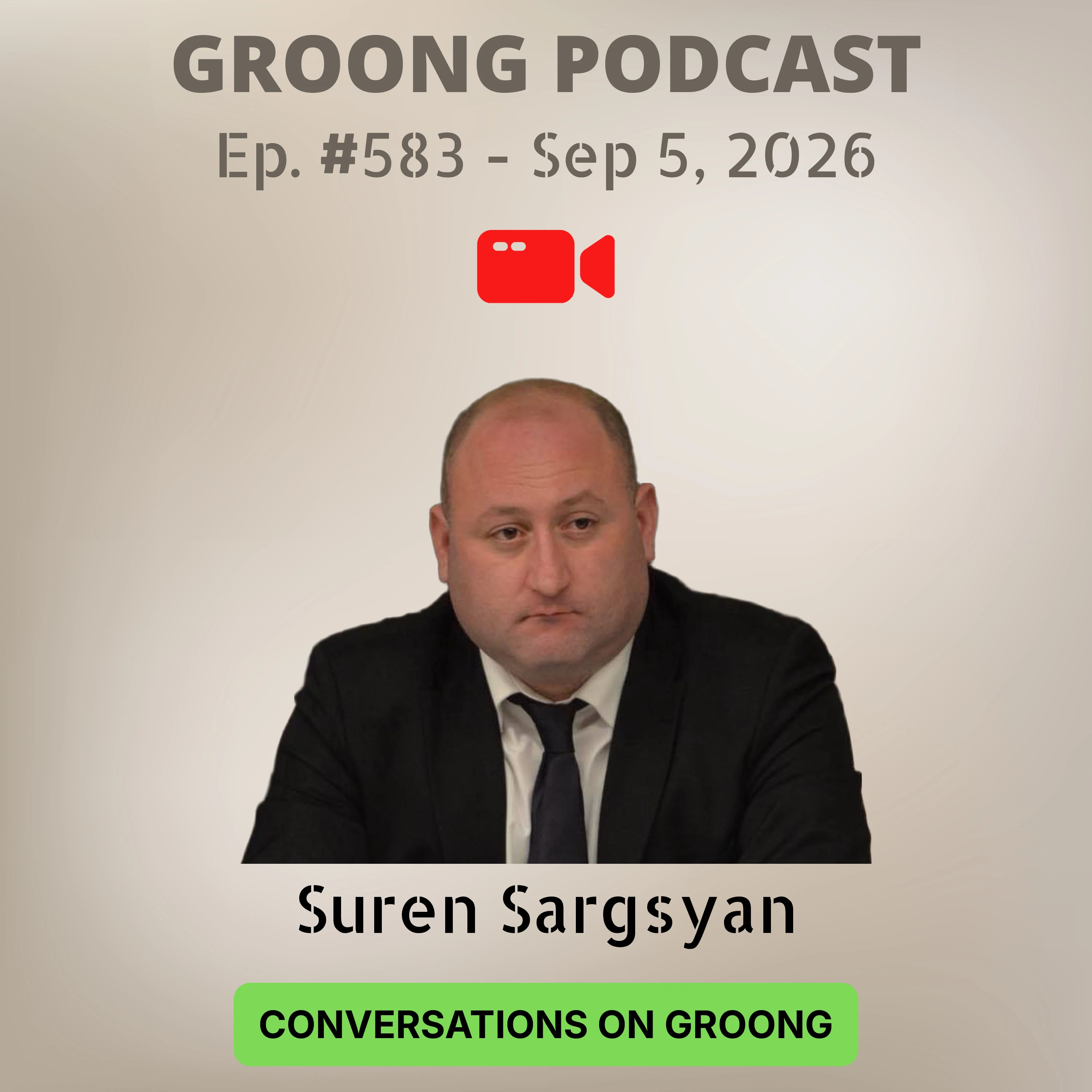
Groong Links:
Guest(s):
Topics:
- U.S. objectives in the Iran war
- Russia’s 102nd base in Armenia
- Pashinyan’s sovereignty policy contradictions
- Great-power rivalry across Central Asia
- U.S. and EU interests in TRIPP
- Armenia’s place in Eurasian competition
Episode 583 | Recorded: Sep 4, 2026
#Armenia #IranWar #TRIPP #CentralAsia #Russia #UnitedStates #Geopolitics #SouthCaucasus
Suren Sargsyan - Central Asia, TRIPP, Iran, and Armenia in the New Great Game | Ep 583, Sep 5, 2026 [EP583]
Posted on Saturday, Sep 5, 2026 | Category: Armenia, GeopoliticsGroong Links:
Guest(s):
Topics:
- U.S. objectives in the Iran war
- Russia’s 102nd base in Armenia
- Pashinyan’s sovereignty policy contradictions
- Great-power rivalry across Central Asia
- U.S. and EU interests in TRIPP
- Armenia’s place in Eurasian competition
Episode 583 | Recorded: Sep 4, 2026
#Armenia #IranWar #TRIPP #CentralAsia #Russia #UnitedStates #Geopolitics #SouthCaucasus
TRIPP: Who Developed the Corridor Deal and Why Steve Witkoff Matters [EP583]
Posted on Saturday, Sep 5, 2026 | Category: Geopolitics, Armenia, Azerbaijan, USASuren Sargsyan traces the origins of TRIPP back decades and identifies Steve Witkoff as the key architect of the current U.S. initiative.
Why Putin and Pashinyan Both Avoid Deciding on Russian Military Base [EP583]
Posted on Saturday, Sep 5, 2026 | Category: Geopolitics, Politics, Armenia, RussiaSuren Sargsyan analyzes why both Putin and Pashinyan publicly defer the decision on the 102nd Russian military base in Gyumri, avoiding responsibility while maintaining the status quo.
Why Russia Might Outsource South Caucasus Control to Iran [EP583]
Posted on Saturday, Sep 5, 2026 | Category: Geopolitics, Russia, Iran, ArmeniaSuren Sargsyan explores whether Russia might cede South Caucasus dominance to Iran as a strategic partner, given Moscow’s focus on Ukraine.
Transcript: Suren Sargsyan - Central Asia, TRIPP, Iran, and Armenia in the New Great Game | Ep 583, Sep 5, 2026 [EP583]
Posted on Saturday, Sep 5, 2026 | Category: Armenia, Geopolitics, TranscriptIn this episode of Conversations on Groong, we speak with Suren Sargsyan about the Iran War and great power competition for Armenia’s strategic position. We discuss Washington’s unclear endgame in the conflict with Iran, the future of Russia’s military presence in Armenia and CSTO membership, and competing U.S. and European interests in new east-west transit routes through Armenia and Central Asia amid broader geopolitical rivalries.
Armenia at the SCO Summit as Ukraine and Iran Wars Intensify | Ep 582, Aug 30, 2026 [EP582]
Posted on Wednesday, Sep 2, 2026 | Series: wir, video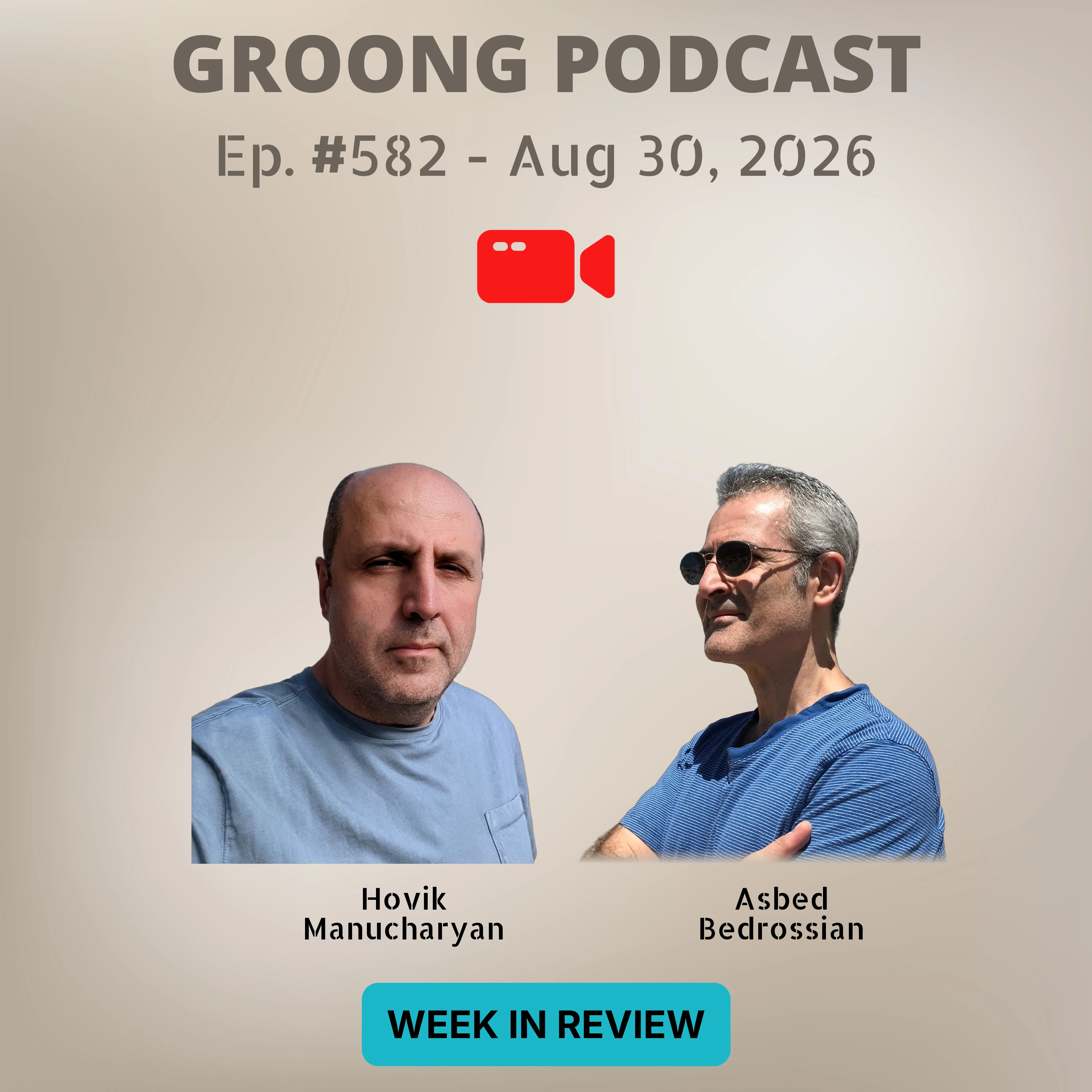
Groong Links:
Topics:
- Russia Escalates War Against Ukraine
- Unprecedented Western Visits to Moscow
- US-Iran War Flares Again
- All Artsakh Presidents Behind Bars
- Armenia at the SCO Summit
- Pashinyan Meets Aliyev, Putin, Modi
- Political Persecutions and Selective Justice
Episode 582 | Recorded: September 1, 2026
#Armenia #Artsakh #UkraineWar #IranWar #SCO #Pashinyan #SouthCaucasus #ArmenianPolitics
Armenia at the SCO Summit as Ukraine and Iran Wars Intensify | Ep 582, Aug 30, 2026 [EP582]
Posted on Wednesday, Sep 2, 2026Groong Links:
Topics:
- Russia Escalates War Against Ukraine
- Unprecedented Western Visits to Moscow
- US-Iran War Flares Again
- All Artsakh Presidents Behind Bars
- Armenia at the SCO Summit
- Pashinyan Meets Aliyev, Putin, Modi
- Political Persecutions and Selective Justice
Episode 582 | Recorded: September 1, 2026
#Armenia #Artsakh #UkraineWar #IranWar #SCO #Pashinyan #SouthCaucasus #ArmenianPolitics
Transcript: Armenia at the SCO Summit as Ukraine and Iran Wars Intensify | Ep 582, Aug 30, 2026 [EP582]
Posted on Wednesday, Sep 2, 2026 | Category: TranscriptIn this week’s Groong news roundup, Hovik and Asbed examine Armenia’s position at the SCO Summit amid intensifying global conflicts. We discuss Russia’s escalation in Ukraine, unprecedented Western diplomatic visits to Moscow, the renewed US-Iran War, and Pashinyan’s meetings with regional and global leaders including Aliyev and Putin. We also address the ongoing persecution of former Artsakh leaders and the selective justice targeting Armenia’s political landscape.
All Opposition Leaders Under Arrest: Pashinyan's Revenge Politics [EP581]
Posted on Saturday, Aug 29, 2026 | Category: Politics, Human Rights, ArmeniaPashinyan intensifies crackdown against opposition figures post-election. Tsarukyan, Kocharyan, and Karapetyan face arrest and asset seizures as regime consolidates power.
Arthur Martirosyan - The Fourth Republic and the Politics of Erasure | Ep 581, Aug 29, 2026 [EP581]
Posted on Saturday, Aug 29, 2026 | Category: Armenia, Politics | Series: cog, video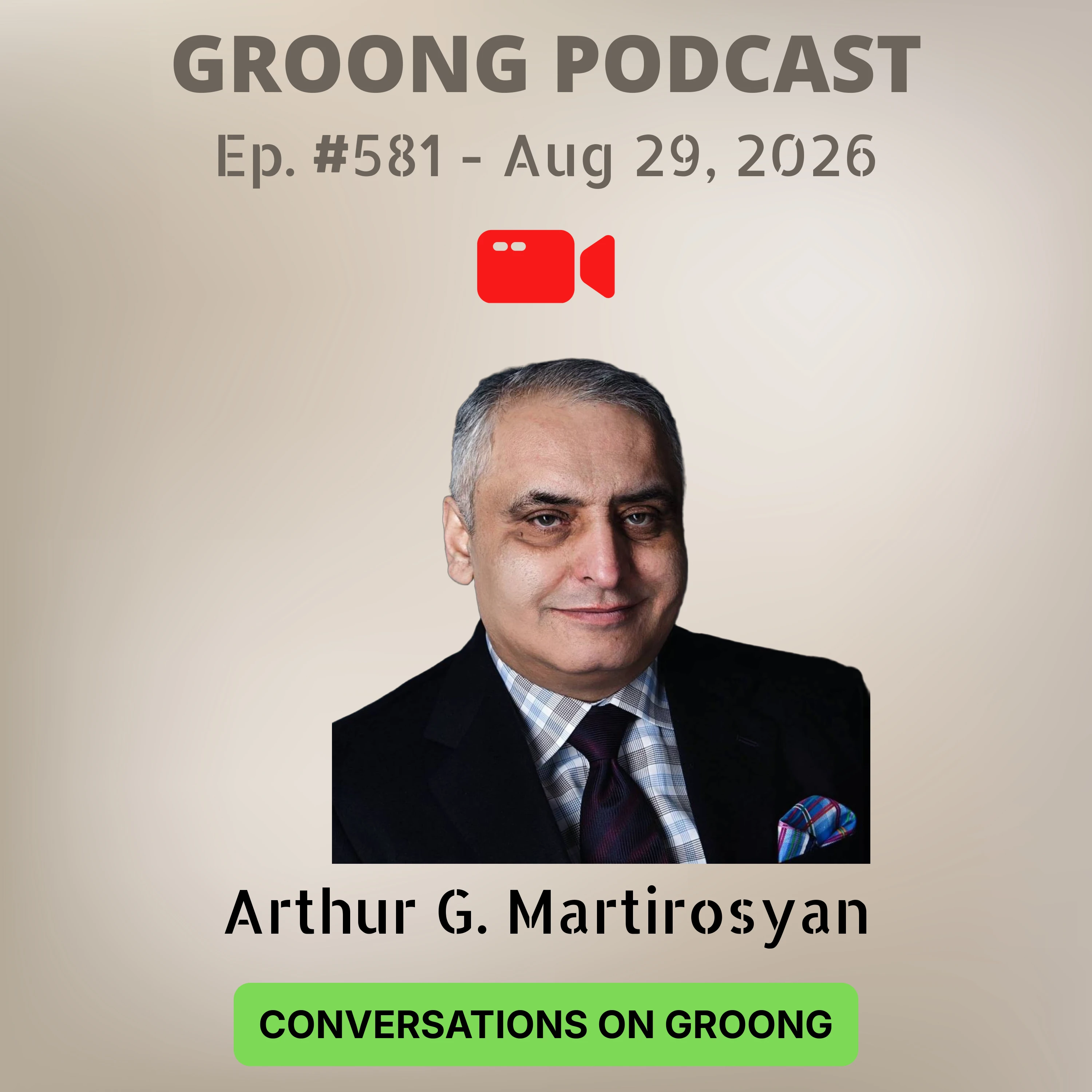
Groong Links:
Guest(s):
Topics:
- Pashinyan’s Revenge Against Opposition
- Kocharyan Arrested, Family Under State Pressure
- Opposition Strategy Under Repression
- Pashinyan’s Five-Year Transformation Agenda
- Government Assault on Armenian Church
- Tigranashen and Border Concessions
- TRIPP, Turan, and Central Asia
Episode 581 | Recorded: August 28, 2026
#ArmenianElections #Armenia #NikolPashinyan #CivilContract #StrongArmenia #ArmenianOpposition
Arthur Martirosyan - The Fourth Republic and the Politics of Erasure | Ep 581, Aug 29, 2026 [EP581]
Posted on Saturday, Aug 29, 2026 | Category: Armenia, PoliticsGroong Links:
Guest(s):
Topics:
- Pashinyan’s Revenge Against Opposition
- Kocharyan Arrested, Family Under State Pressure
- Opposition Strategy Under Repression
- Pashinyan’s Five-Year Transformation Agenda
- Government Assault on Armenian Church
- Tigranashen and Border Concessions
- TRIPP, Turan, and Central Asia
Episode 581 | Recorded: August 28, 2026
#ArmenianElections #Armenia #NikolPashinyan #CivilContract #StrongArmenia #ArmenianOpposition
The AI Factory and Energy Trap: How Armenia Becomes Dependent on Azerbaijan [EP581]
Posted on Saturday, Aug 29, 2026 | Category: Economy, Technology, ArmeniaPashinyan plans 300 MW AI facility but would shut Metsamor nuclear plant, losing net power while creating dependency on Azerbaijani electricity imports.
The Fourth Republic: Pashinyan's Plan to Kill Armenian Identity [EP581]
Posted on Saturday, Aug 29, 2026 | Category: Politics, ArmeniaPashinyan frames the Third Republic as failed and proposes a Fourth Republic based on rejecting Artsakh claims and Armenian diaspora ties. Expert analysis reveals this mirrors Atatürk’s identity transformation strategy.
Tigranashen: The Strategic Enclave Pashinyan Plans to Give Away [EP581]
Posted on Saturday, Aug 29, 2026 | Category: Geopolitics, Politics, ArmeniaPashinyan explicitly stated Armenia comprises 29,743 sq km, excluding Tigranashen. Expert analyzes this strategic territory’s importance and why Azerbaijan uses Jermuk occupation as leverage.
Why Pashinyan Attacks the Armenian Church [EP581]
Posted on Saturday, Aug 29, 2026 | Category: Politics, Armenian Church, ArmeniaPashinyan intensifies attacks on Armenian Apostolic Church after Catholicos speaks about Artsakh rights. Expert analysis reveals this targets the church’s diaspora ties and identity independence.
Armenia Must Avoid Zero-Sum Geopolitics and Preserve Regional Relations [EP580]
Posted on Friday, Aug 28, 2026 | Category: Geopolitics, ArmeniaMatlock advises Armenia to avoid choosing sides in great-power competition and instead prioritize peaceful relations with neighbors and preservation of cultural identity.
Matlock Witnessed Stalin's Statue Fall in Yerevan [EP580]
Posted on Friday, Aug 28, 2026 | Category: History, Soviet ArmeniaAmbassador Matlock recalls witnessing the removal of Stalin’s statue from Victory Park in Yerevan during Khrushchev’s denunciation of Stalin in the early 1960s.
Transcript: Arthur Martirosyan - The Fourth Republic and the Politics of Erasure | Ep 581, Aug 29, 2026 [EP581]
Posted on Saturday, Aug 29, 2026 | Category: Armenia, Politics, TranscriptIn this episode of Conversations on Groong, we speak with Arthur G. Martirosyan about Armenia’s post-election political crisis and Pashinyan’s governance agenda. We discuss the arrest of opposition leaders including Robert Kocharyan, attacks on the Armenian Church, border concessions including Tigranashen, the TRIPP corridor, and how the Established Opposition is strategizing under state repression in the Fourth Republic.
Groong News Digest — Week of August 17–23, 2026
Posted on Sunday, Aug 23, 2026 | Category: Digest, News DigestPashinyan’s government moves forward with TRIPP infrastructure projects and plans to normalize ties with Azerbaijan and Turkey, while opposition lawmakers clash with pro-government majorities over parliamentary committee assignments and the government pursues its campaign to oust Catholicos Karekin II.
Groong Podcast Digest — Week of August 17–23, 2026
Posted on Sunday, Aug 23, 2026 | Category: Digest, Podcast DigestHovik and Asbed examine Armenia’s exposure to an expanding Iran War, Russia’s December ultimatum on EAEU membership, and how TRIPP infrastructure through Syunik deepens security and energy vulnerabilities. Dziunik Aghajanian examines Armenia’s precarious position between Iran, Russia, and emerging Middle East power shifts, analyzing the Mecca joint defense pact, Iran’s objections to TRIPP, Aliyev’s militarization of Nakhijevan, Armenia’s energy dependence, Russian ultimatums, and the Established Opposition’s parliamentary strategy ahead of the 2026 Armenian Parliamentary Election.
Armenia's Nuclear Power Plant: Turkey & Azerbaijan's Prize, Security Guarantee Lost [EP579]
Posted on Saturday, Aug 22, 2026 | Category: Politics, Armenia, Azerbaijan, TurkeyAmbassador explains why Armenia’s nuclear power plant is not just an energy asset but a critical strategic deterrent against Turkish and Azerbaijani aggression, and why closing it would be catastrophic.
Dziunik Aghajanian - Armenia Between Iran, Russia & the New Middle East Order | Ep 579, Aug 22, 2026 [EP579]
Posted on Saturday, Aug 22, 2026 | Category: Armenia, Politics, Geopolitics | Series: cog, video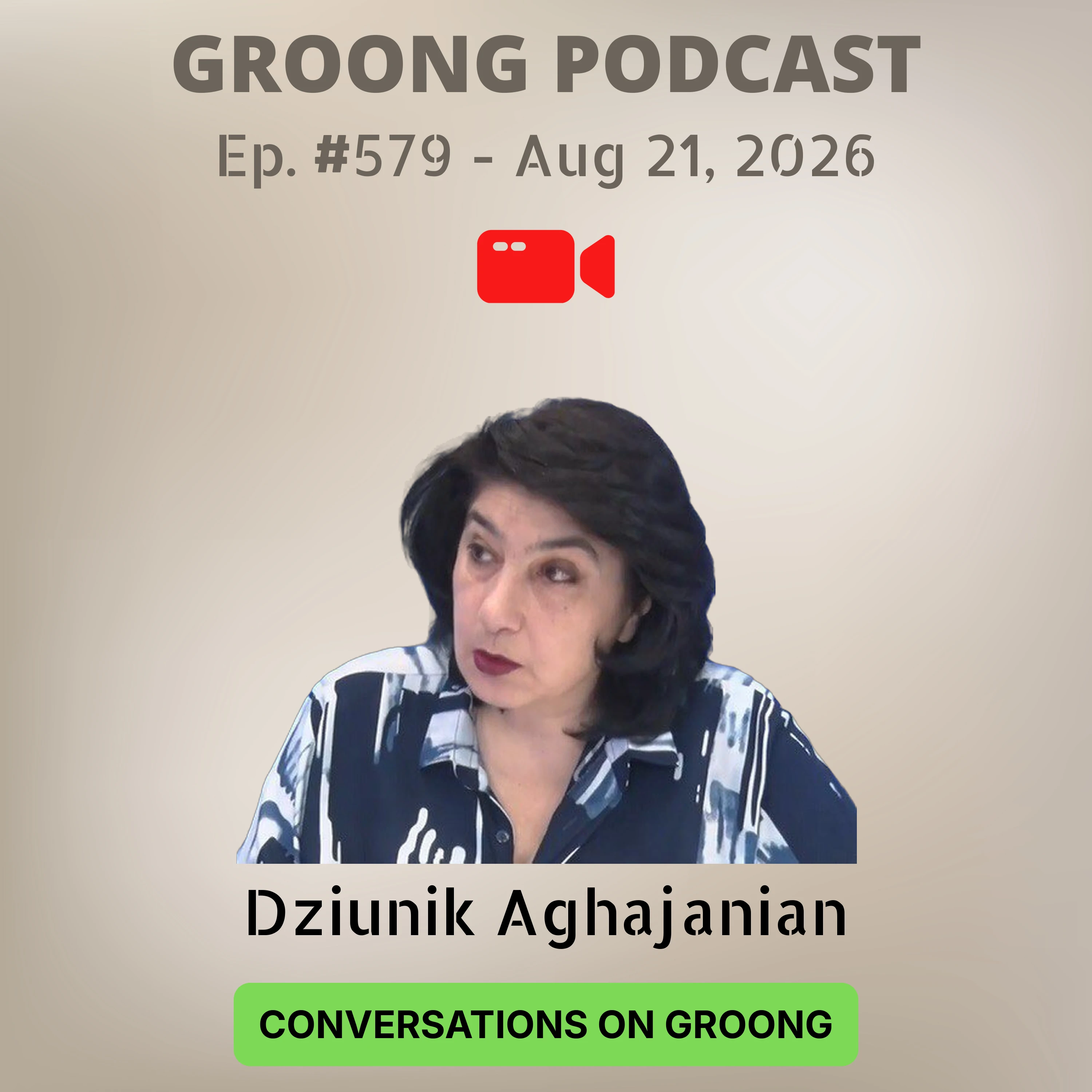
Groong Links:
Guest(s):
Topics:
- Significance of the Mecca joint defense pact
- Iran warns Armenia over TRIPP
- Aliyev advances plans through Syunik
- Armenia faces growing energy dependence
- Russia sets deadlines for Yerevan
- Opposition tests its parliamentary strategy
Episode 579 | Recorded: August 18, 2026
#Armenia #SouthCaucasus #Mecca #TRIPP #Iran #Russia #Azerbaijan #EAEU #CSTO
Dziunik Aghajanian - Armenia Between Iran, Russia & the New Middle East Order | Ep 579, Aug 22, 2026 [EP579]
Posted on Saturday, Aug 22, 2026 | Category: Armenia, Politics, GeopoliticsGroong Links:
Guest(s):
Topics:
- Significance of the Mecca joint defense pact
- Iran warns Armenia over TRIPP
- Aliyev advances plans through Syunik
- Armenia faces growing energy dependence
- Russia sets deadlines for Yerevan
- Opposition tests its parliamentary strategy
Episode 579 | Recorded: August 18, 2026
#Armenia #SouthCaucasus #Mecca #TRIPP #Iran #Russia #Azerbaijan #EAEU #CSTO
Russia's December Ultimatum: Armenia Must Choose EAEU or EU, Not Both [EP579]
Posted on Saturday, Aug 22, 2026 | Category: Geopolitics, Armenia, Russia, European UnionRussia ultimatum: Armenia must decide by December 2026 whether to hold EU membership referendum or face EAEU suspension. Ambassador explains why both paths lead to economic devastation.
The Opposition's Limited Options: How Parliament Can Block Pashinyan Without Votes to Remove Him [EP579]
Posted on Saturday, Aug 22, 2026 | Category: Politics, ArmeniaAmbassador analyzes how Armenia’s opposition can block TRIPP ratification and constitutional changes even without enough votes to remove Pashinyan, and why this leverage will define coming months.
TRIPP is a Ground Operation Against Iran, Ambassador Says [EP579]
Posted on Saturday, Aug 22, 2026 | Category: Geopolitics, Iran, Armenia, PoliticsFormer Ambassador Aghajanian argues TRIPP is designed as part of a U.S.-led ground operation strategy against Iran, putting Armenia in an extremely vulnerable position.
Transcript: Dziunik Aghajanian - Armenia Between Iran, Russia & the New Middle East Order | Ep 579, Aug 22, 2026 [EP579]
Posted on Saturday, Aug 22, 2026 | Category: Armenia, Politics, Geopolitics, TranscriptIn this episode of Conversations on Groong, we speak with Dziunik Aghajanian about Armenia’s precarious position between Iran, Russia, and emerging Middle East power shifts. We discuss the Mecca joint defense pact signed by Turkey, Pakistan, and Saudi Arabia, Iran’s warnings over TRIPP, Ilham Aliyev’s militarization plans in Nakhijevan, Armenia’s growing energy dependence, Russian deadlines for Yerevan, and how the Established Opposition is testing its parliamentary strategy ahead of the 2026 Armenian Parliamentary Election.
Aliyev's TRIPP Play: Azerbaijani Teams Scoping Syunik, Threatening Armenian Nuclear Power [EP578]
Posted on Wednesday, Aug 19, 2026 | Category: Azerbaijan, Geopolitics, ArmeniaAliyev revealed that Azerbaijani technical teams have surveyed transmission line routes through Syunik for TRIPP, and he is now signaling that Armenia’s nuclear power plant could become a future demand.
Iran's Warning to Armenia: TRIPP Could Mean War [EP578]
Posted on Wednesday, Aug 19, 2026 | Category: Iran, Geopolitics, ArmeniaA senior Iranian military advisor warns that Armenia will face the same treatment as US bases in the Middle East if TRIPP becomes a problem for Iran.