Groong Links:
Guest:
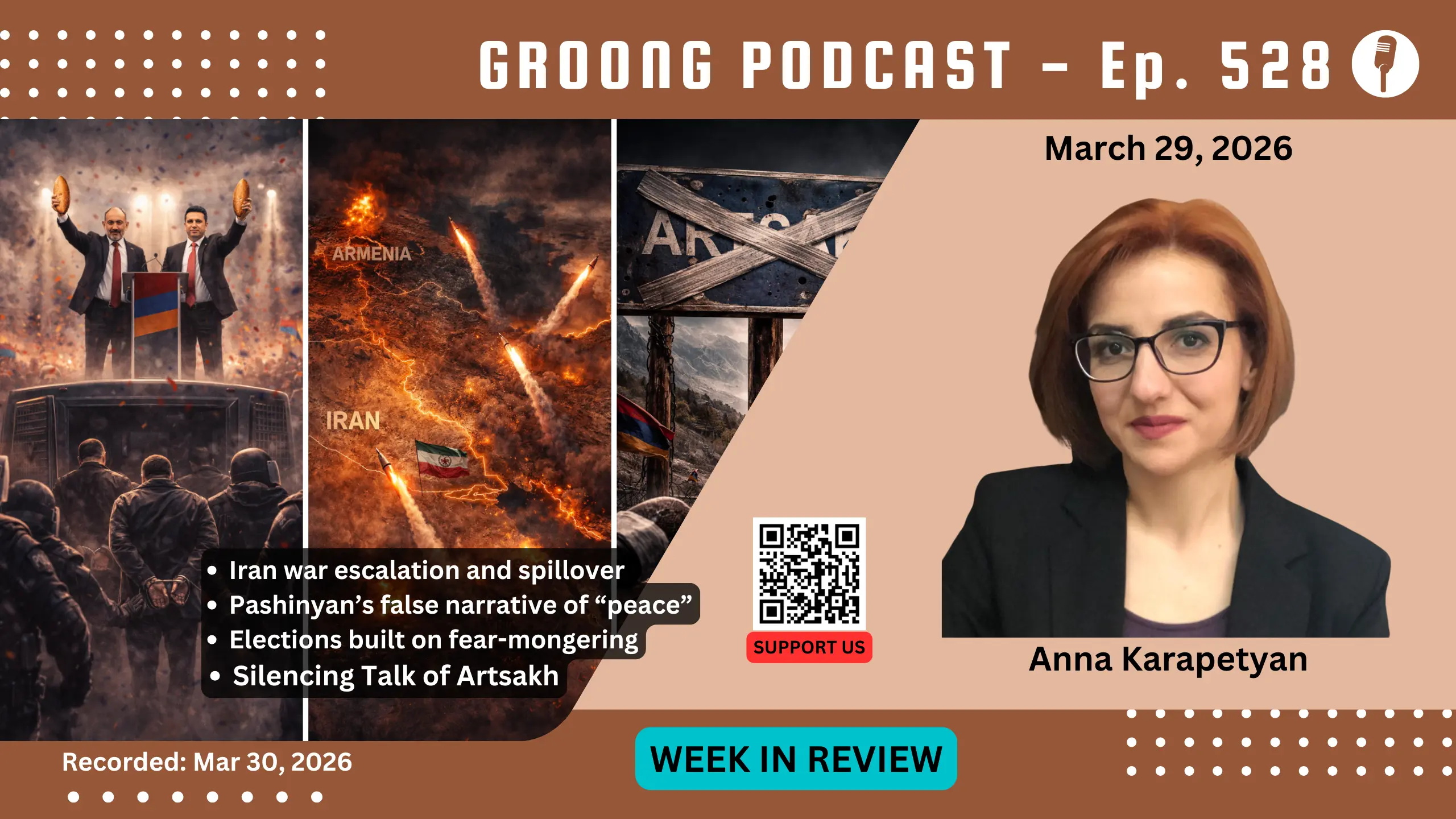
- Anna Karapetyan Director of the Insight Analytical Center for Applied Policy and Research.
Topics:
- Iran war escalation and spillover
- Pashinyan’s Fake “peace” narrative
- Elections built on fear-mongering
- Silencing talk of Artsakh
Episode 528 | Recorded: March 30, 2026
Show Notes
Summary
Our guest Anna Karapetyan focused on the widening Iran war and its possible fallout for Armenia, then turned to the narratives shaping Armenia’s election season. The discussion examined Pashinyan’s claim to have delivered peace, the taboo around speaking about Artsakh and Artsakhtsis’ rights, the uncertainty around the TRIPP corridor project, the political use of fear that an opposition victory would bring war, and the security and environmental questions surrounding a proposed AI data center. In the closing segment, the participants reflected on the broader propaganda environment in Armenia and on Formula 1’s continued partnership with authoritarian states such as Azerbaijan.
Main Topics Addressed
- The Iran war, ceasefire pressures, and likely short-term outcomes
- Armenia’s exposure to economic, refugee, and geopolitical fallout from the Iran war
- Pashinyan’s claim that Armenia is now “at peace”
- Azerbaijan’s continuing pressure, preconditions, and constitutional demands
- Whether TRIPP has been deprioritized or delayed by the regional war
- The growing taboo on speaking about Artsakh and Artsakhtsis’ rights
- The political use of the “opposition will bring war” narrative
- Fearmongering around a possible September war if Civil Contract loses
- The AI data center as a geopolitical project rather than a security guarantee
- Environmental and water-use concerns around the proposed data center
- Palm Sunday tensions and the use of church-related provocations in campaign politics
- Formula 1’s business ties with authoritarian states, especially Azerbaijan
Key Questions Discussed
- Do the United States and Iran actually want peace, or only a pause in this phase of the war?
- Is Armenia prepared for economic disruption, refugee inflows, and regional escalation?
- Has Pashinyan brought peace, or only a temporary arrangement tied to his own rule?
- Why would Azerbaijan sign a peace treaty if it gains more by keeping pressure on Armenia?
- Can a country be called “at peace” if citizens are discouraged from speaking about Artsakh?
- How is the taboo on Artsakh reshaping party politics and public behavior in Armenia?
- Is TRIPP still a real project, or was it more branding than a workable plan?
- Why are opposition parties not challenging TRIPP more directly?
- Does a foreign-backed AI data center actually make Armenia safer in wartime?
- Have Armenian authorities seriously assessed the data center’s water, energy, and environmental costs?
- Is the “elect the opposition and there will be war” message credible, or political blackmail?
Thoughts from the Participants
Hovik argued that Armenians should reject the narrative that there is already peace and that only Pashinyan can preserve it. He said Pashinyan himself has led Armenia into repeated wars, and that the larger Artsakh conflict never truly ended. He framed real peace as impossible without a dignified settlement that includes Armenians’ rights in their historic homeland.
Anna said Pashinyan is using even Holy Week and church-related incidents for electoral messaging, including provocations meant to trigger emotional reactions that can later be weaponized in propaganda. She urged people not to respond on his terms and not to feed new narratives during the campaign.
Asbed used the cancellation of Gulf-region Formula 1 races during the Iran war to criticize F1’s long-running ties to authoritarian states. He argued that Formula 1 has helped whitewash Azerbaijan’s record, including after the 2023 ethnic cleansing of Artsakh, and called on the sport to stop racing in countries with severe human rights abuses.
Referenced Articles & Sources
- Iran rejects US proposal, lays out five conditions for ending imposed war
- Pashinyan says opposition is the “party of war”
- Data Now on the Front Line of Warfare
- Tech Impact Report, data center water use and cooling demands
- Microsoft data center sustainability and water efficiency
Wrap-up
Links and Resources
That’s our show! We hope you found it useful. Please find us on Social Media and follow us everywhere you get your Armenian news.
Thanks to Laura Osborn for the music on our podcasts.
Guests

Hosts
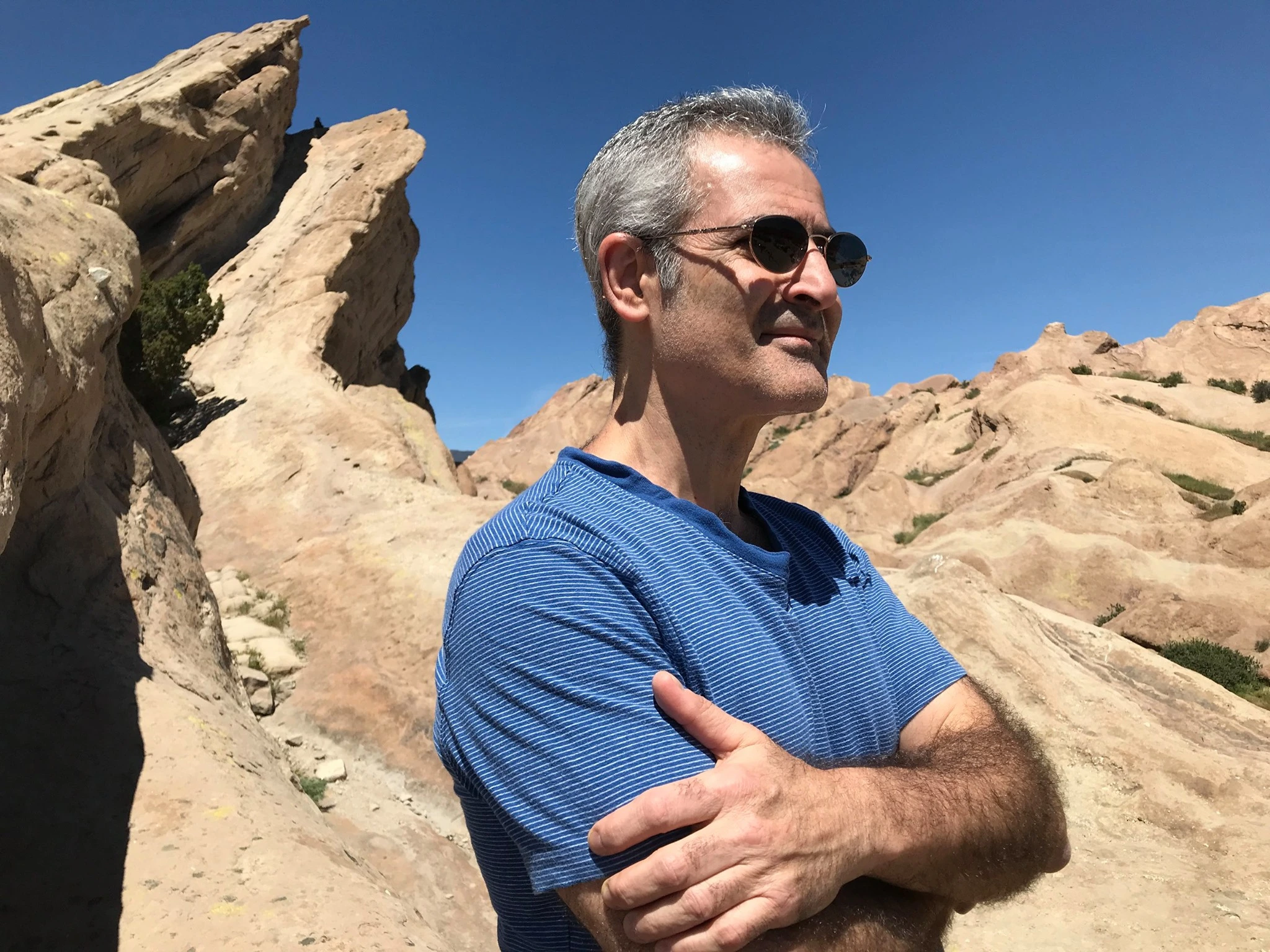
Asbed Bedrossian
Asbed Bedrossian is an IT professional, and for years oversaw the central IT enterprise infrastructure and services at USC. His decades of experience spanned across IT strategy, enterprise architecture, infrastructure, cybersecurity, enterprise applications, data center operations, high performance computing, ITSM, ITPM, and more.
Asbed founded the Armenian News Network Groong circa 1989/1990, and co-founded the ANN/Groong podcast in 2020.
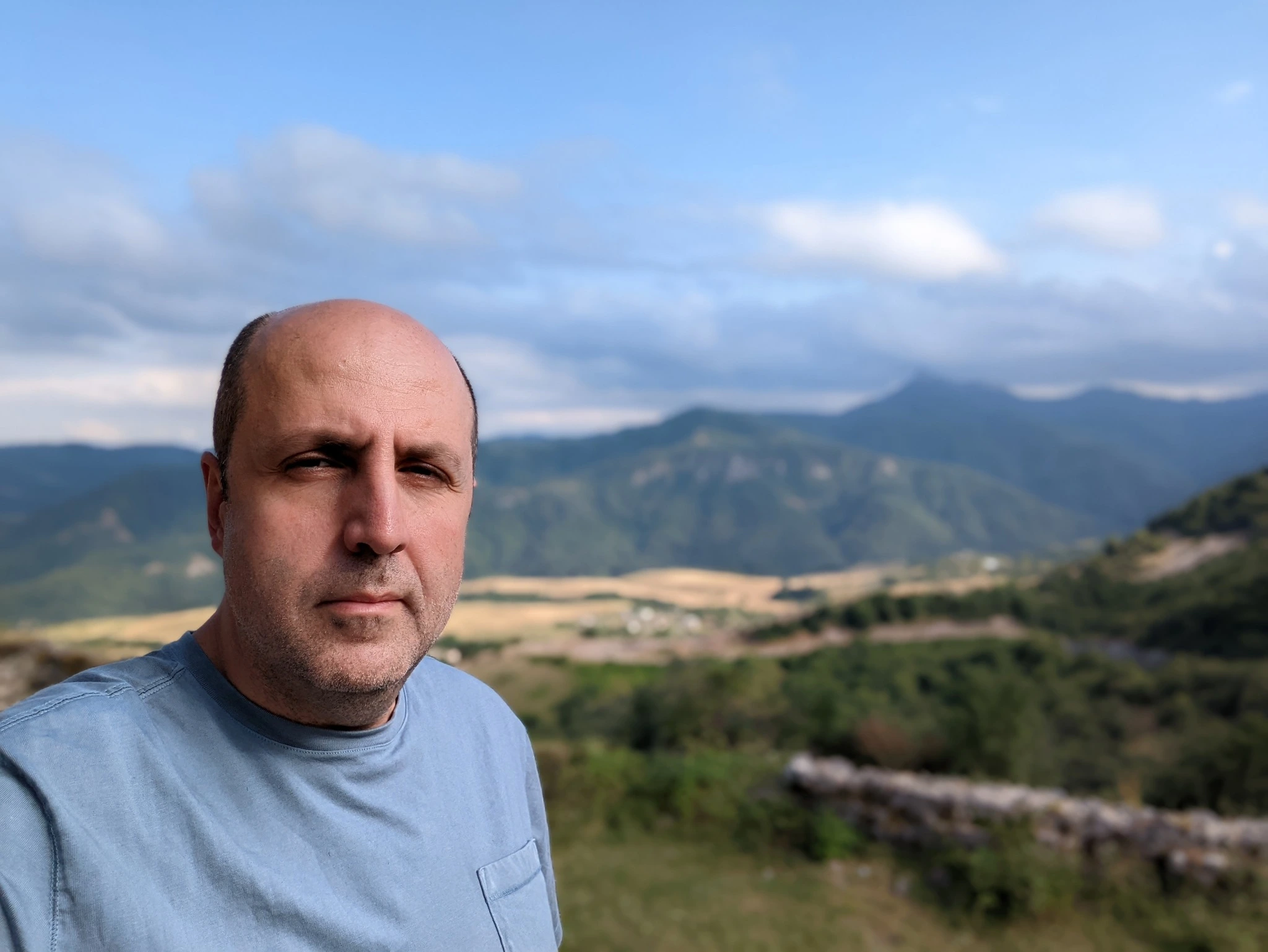
Hovik Manucharyan
Hovik Manucharyan is an information security engineer who moved from Seattle to Armenia in 2022. He co-founded the ANN/Groong podcast in 2020 and has been a contributor to Groong News since the late 1990s.
Disclaimer: The views expressed by Hovik Manucharyan on the ANN/Groong podcast are his own and do not necessarily reflect the opinions of his employer or any other organization.