Andrei Tsygankov - Canceling Russia and the Towers of the Kremlin | Ep 514, Feb 5, 2026 [EP514]
Posted on Thursday, Feb 5, 2026 | Category: Russia, Politics, Geopolitics | Series: cog, video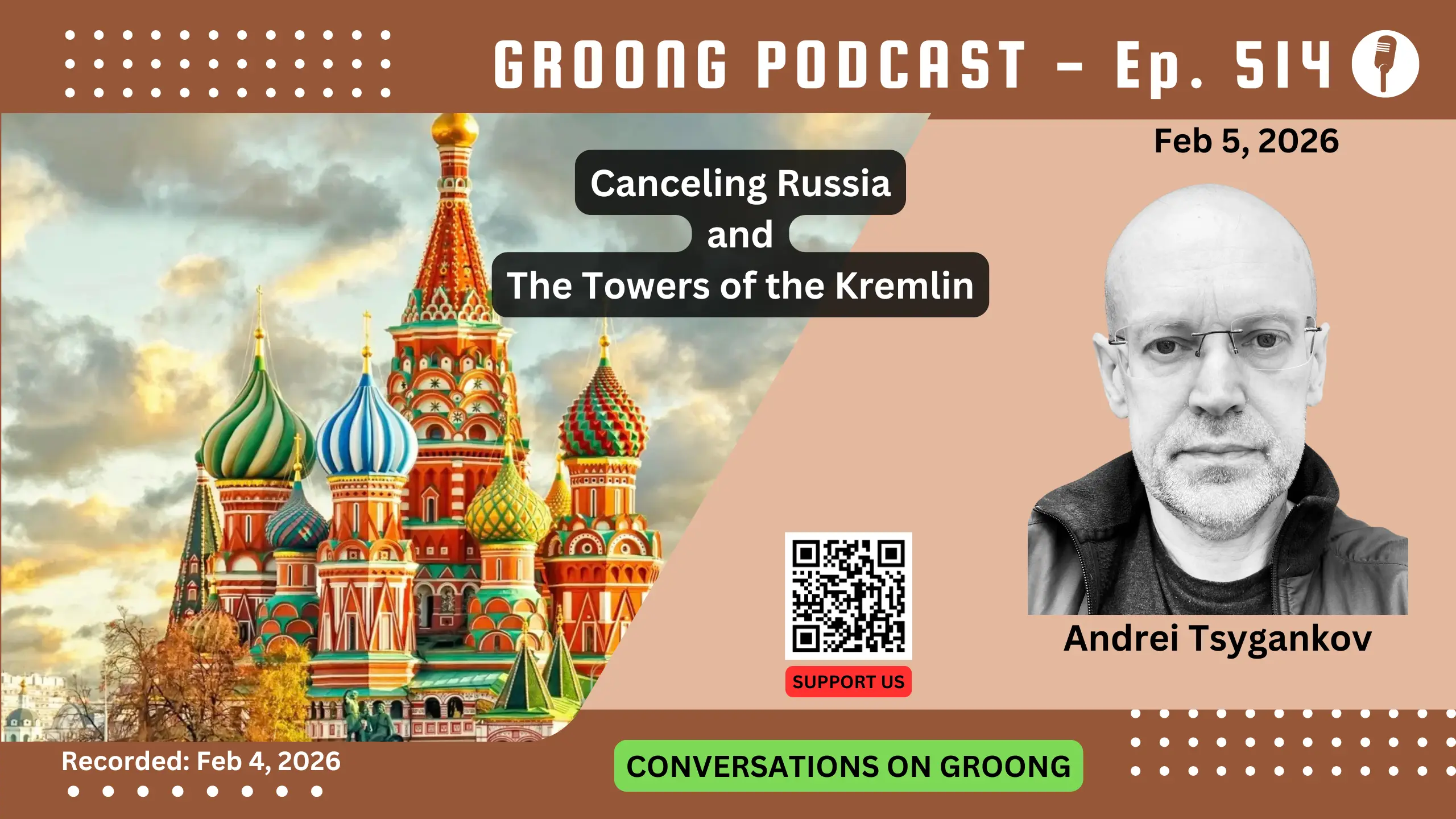
Groong Links:
Guest:
Topics:
- Defining the “Canceling Russia” phenomenon
- The “cancel Russia” lobby
- Containment shifts to coercive transformation
- Russian Orthodox Church as battleground
- Kremlin “towers” and civilizational logic
Episode 514 | Recorded: February 4, 2026
#CancelingRussia #RussianForeignPolicy #UkraineWar #StateCivilization #TowersOfTheKremlin #RussianOrthodoxChurch
Show Notes
This episode features political scientist Andrei Tsygankov on his new book Canceling Russia, the Western shift from “containment” to “coercive transformation,” and how the “towers of the Kremlin” shape Russian foreign policy. The discussion also examines the “state-civilization” concept, civilizational competition around Russia, and whether today’s “might makes right” climate could push Russia toward a more unilateral, jungle-rules approach.
Main Topics Addressed
- “Canceling Russia” as a mass-scale political and cultural campaign
- Western strategy shift: containment to coercive transformation
- The “cancel Russia lobby” and the role of think tanks
- Trump’s approach to Russia and Europe’s burden-sharing
- The Russian Orthodox Church as a geopolitical and information battleground
- How Russian foreign policy is made (the “towers of the Kremlin”)
- “State-civilization” and civilizational discourse
- Degradation of the international order into “law of the jungle”
- Whether Russia could adopt a more unilateral style
Key Questions Discussed
- How did “Canceling Russia” begin, and how is it sustained?
- How has canceling affected academia and scholarship, including the guest’s experience?
- What explains the West’s policy trajectory from containment to coercive transformation?
- When and why did the window for coexistence close, if it did?
- Who makes up the “cancel Russia lobby,” and how does it function?
- What role do think tanks play in shaping the agenda and narrative?
- How should Trump’s Russia policy be read, real shift or tactical adjustment?
- How does pressure on the Russian Orthodox Church in Ukraine serve wider aims, and what risks follow?
- How do “towers of the Kremlin” shape policy signals and red lines?
- In Ukraine, were Moscow’s red lines misread, dismissed, or judged irrational?
- What does “state-civilization” mean internally vs. externally?
- Is it compatible with Huntington-style civilizational blocs?
- Why has “international order” weakened into raw power politics?
- Could Russia evolve toward a more unilateral “might makes right” posture beyond Ukraine?
Referenced Articles & Sources
- Prof. Tsygankov’s recent books:
- FIFA President Infantino added to Myrotvorets database (UNN)
Wrap-up
Don’t forget to support us:
That’s our show! We hope you found it useful. Please find us on Social Media and follow us everywhere you get your Armenian news.
Thanks to Laura Osborn for the music on our podcasts.
Guests
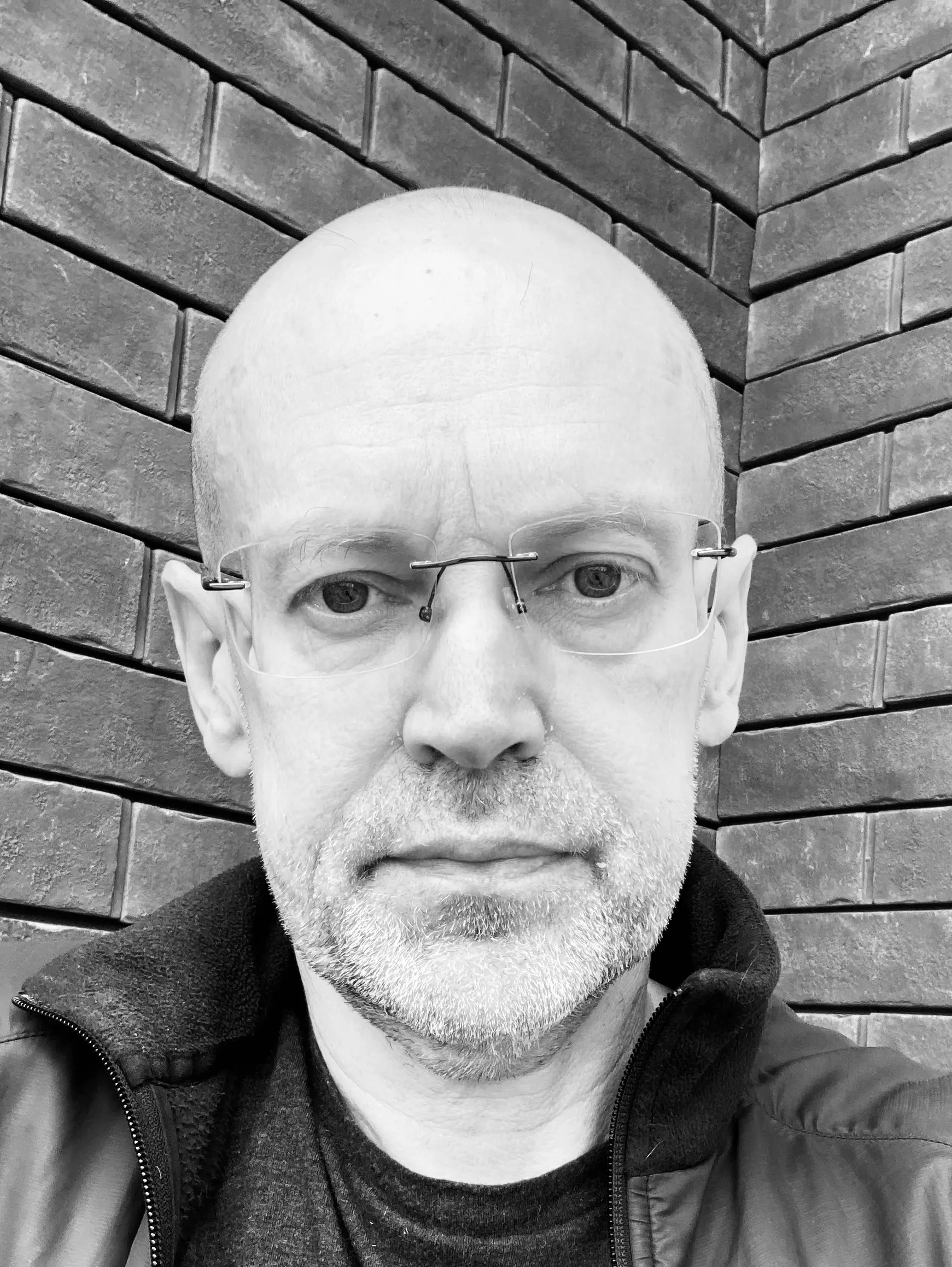
Andrei P. Tsygankov
Andrei P. Tsygankov is a Professor of International Relations at San Francisco State University. He studies Russian foreign policy, IR theory, and Western perceptions of Russia. His books include Russia’s Foreign Policy (Bloomsbury), a trilogy on Russian IR theory (Routledge), and “Canceling” Russia (Palgrave).
Hosts
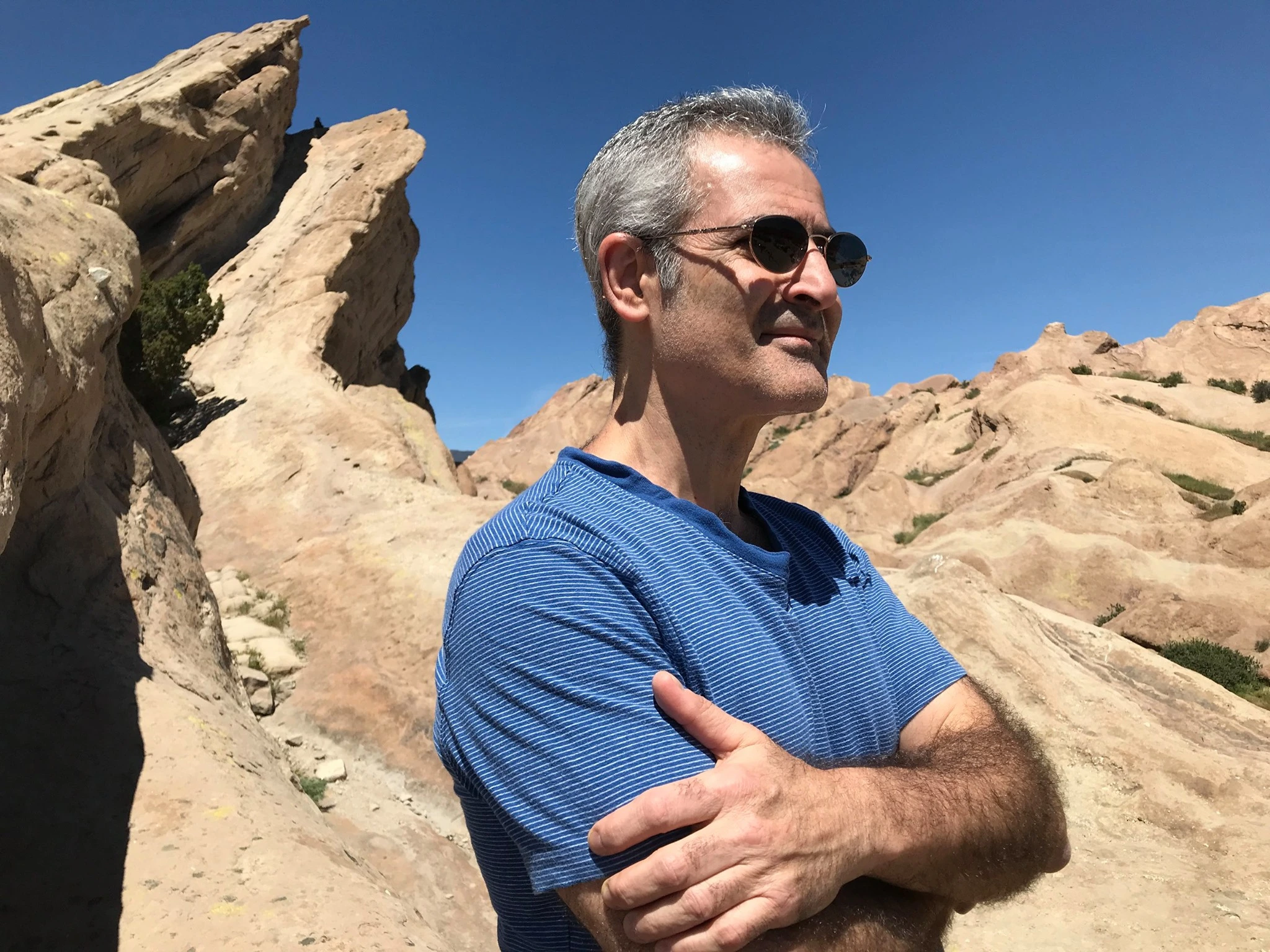
Asbed Bedrossian
Asbed Bedrossian is an IT professional, and for years oversaw the central IT enterprise infrastructure and services at USC. His decades of experience spanned across IT strategy, enterprise architecture, infrastructure, cybersecurity, enterprise applications, data center operations, high performance computing, ITSM, ITPM, and more.
Asbed founded the Armenian News Network Groong circa 1989/1990, and co-founded the ANN/Groong podcast in 2020.
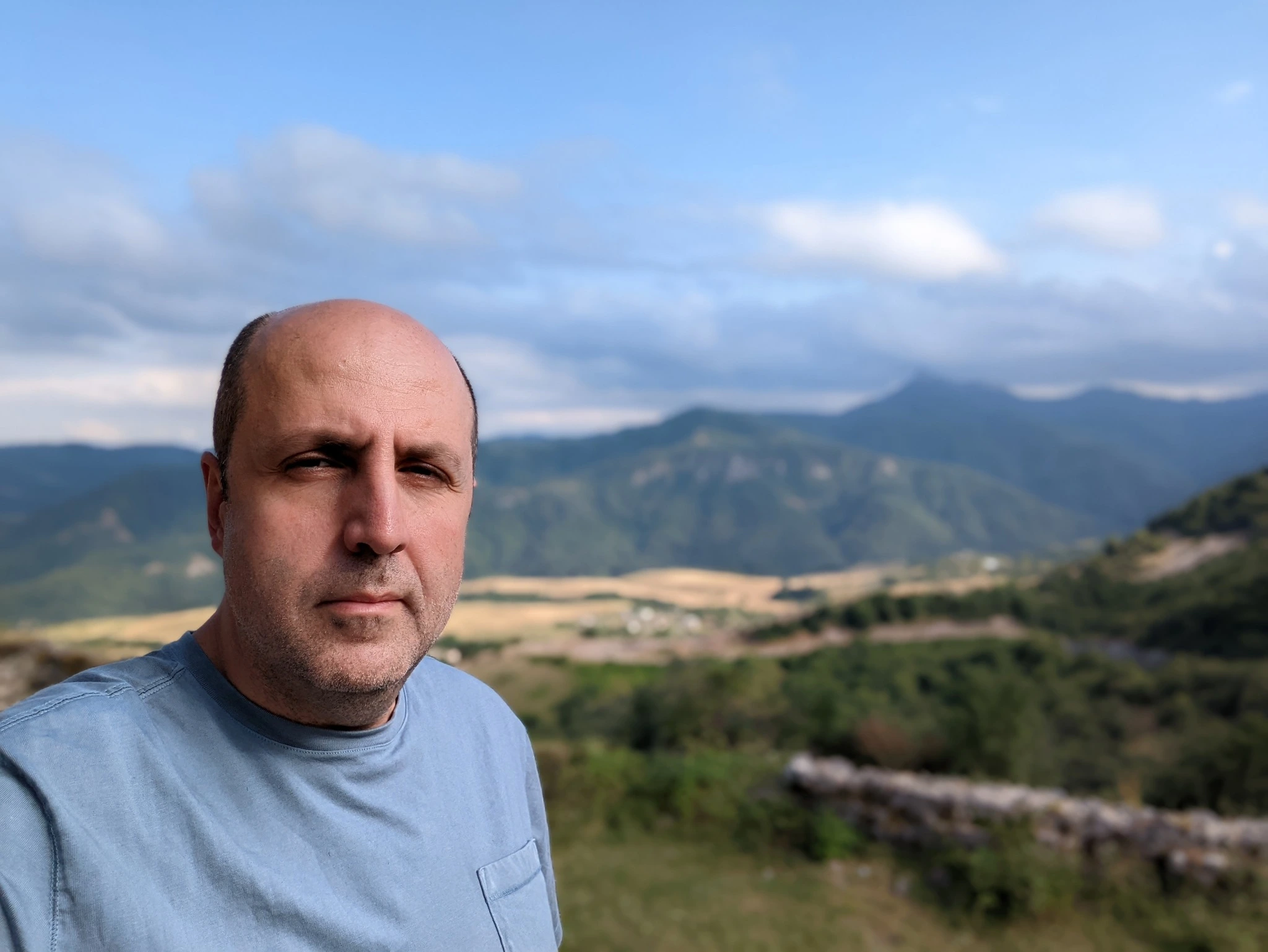
Hovik Manucharyan
Hovik Manucharyan is an information security engineer who moved from Seattle to Armenia in 2022. He co-founded the ANN/Groong podcast in 2020 and has been a contributor to Groong News since the late 1990s.
Disclaimer: The views expressed by Hovik Manucharyan on the ANN/Groong podcast are his own and do not necessarily reflect the opinions of his employer or any other organization.