Groong Links:
Guest Host:
Guest:
- Erhan Arik,Photojournalist
Topics:
- Horovel, a cross-border memory project
- Ojakh, a second trip down memory lane
- Gayan, a wider regional lens
- Our Seeds, continuity across generations
Episode 509 | Recorded: January 18, 2026
Show Notes
Summary
Bedros Afeyan speaks with photographer and photojournalist Erhan Arik about the personal shock that drove him to make Horovel, his long-term work with elderly Armenians in Armenia whose families came from historic Armenian regions, and the ethical choices involved in witnessing, listening, and photographing. They then discuss the return journey that became Ojakh with Diana Mkrtchyan, how authorship changes when the camera and narrative belong to someone else, and what it means to become a character in another person’s film. The conversation broadens to Gayan, Erhan’s Middle East work across several countries, and how Armenian identity, memory, and community adapt across different political and social contexts. They close with Erhan’s current documentary project Our Seeds (Tohum), using the story of an ancient wheat seed tradition as a metaphor for inheritance, rupture, and continuity.
Main Topics Addressed
- Erhan’s personal entry point into Armenian absence and presence, and why a single “hearth” image became a moral trigger.
- Horovel as a cross-border memory project, and the practical constraints of border zones and trust-building.
- The ethics of photojournalism: when the camera helps, when it harms, and how “distance” protects the subject’s story.
- A pivotal encounter with Dikranouhi Asadourian, and what consent and agency look like in practice.
- Returning years later and re-encountering people as time changes memory, expectations, and responsibility.
- Ojakh as a second trip with a different author, and how Erhan’s role shifts when the film is Diana Mkrtchyan’s.
- Gayan as a wider regional lens, and what remains common across Armenian communities in different countries.
- Our Seeds (Tohum) and “seed” as a non-ideological metaphor for continuity across generations.
Key Questions Discussed
- What personal rupture begins a serious body of work, and why does it create an obligation to act?
- What does “Horovel” mean in context, and what does that reveal about cultural loss and distortion?
- How do you enter a community ethically when your presence can trigger pain, anger, or distrust?
- Where is the line between witnessing and taking, and how does a photographer avoid becoming the story?
- What changes when you return years later, and how does time reshape both the subject and the documentarian?
- What changes when someone else holds authorship, and you move from observer to character?
- What is shared across Armenian communities in Armenia and the Middle East, and what is shaped by local politics?
- Why frame a regional project around “Gayan” as a gathering and searching point after catastrophe?
- What can a “seed” story express about inheritance and survival that memory projects cannot say directly?
Referenced in Conversation
- Dikranouhi Asadourian Clip
- Gayan (Aras Publishing)
- Horovel (photo project and exhibit)
- Ojakh (documentary project with Diana Mkrtchyan)
- Our Seeds / Tohum (documentary project)
- Yearning / Garod (film referenced as an analogy)
- Ojakh, on the other side of silence - in original French, with English subtitles.
Wrap-up
Don’t forget to support us:
That’s our show! We hope you found it useful. Please find us on Social Media and follow us everywhere you get your Armenian news.
Thanks to Laura Osborn for the music on our podcasts.
Guests
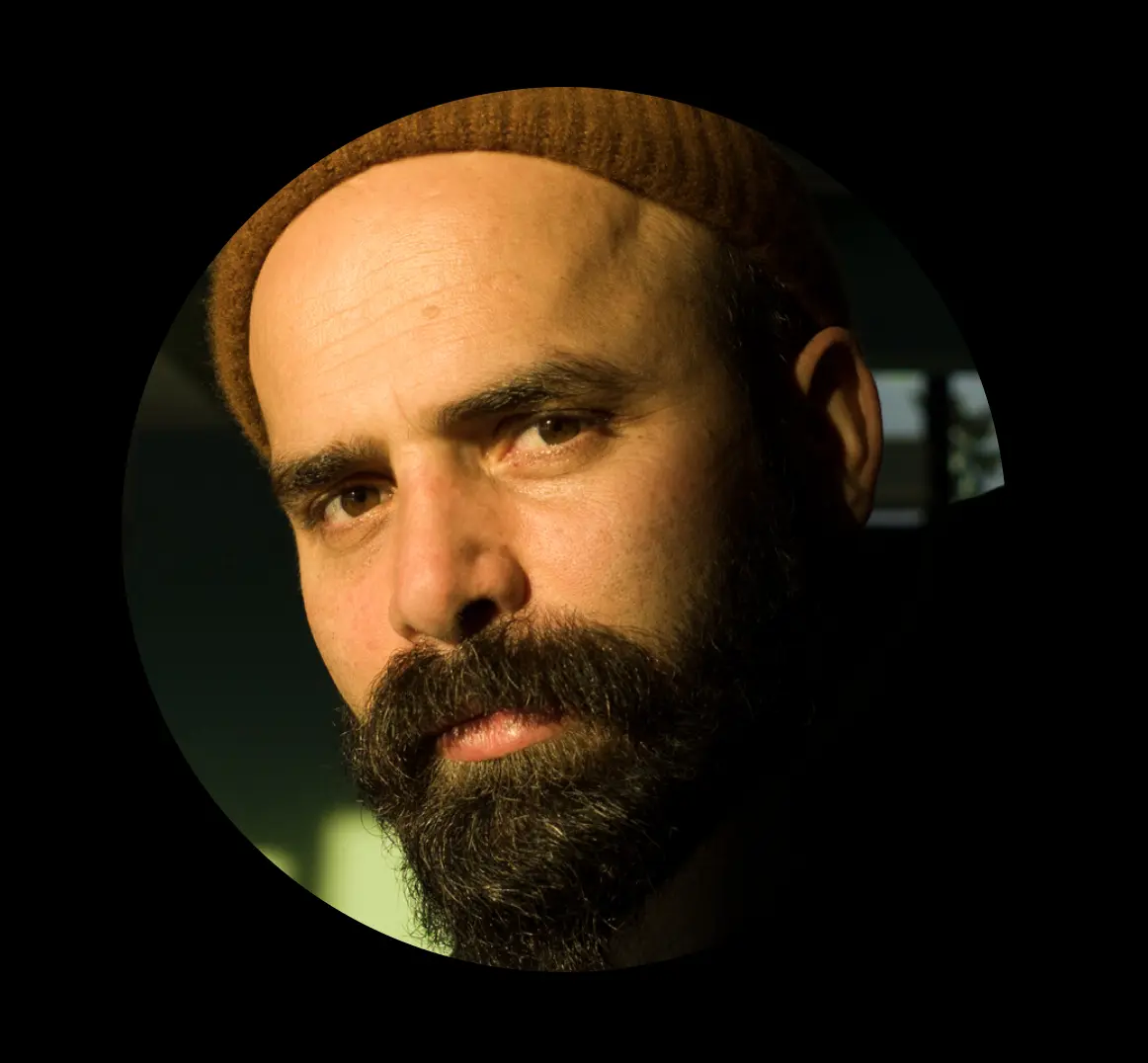
Erhan Arik
Erhan Arık was born in Ardahan, Turkey, in 1984. He studied Journalism at Anadolu University in Eskişehir. During this period he became a student of Merter Oral who is a significant figure in the field of social documentary photograph. He started his career as a social documentary photographer. Since 2010, he has worked on photography and video projects focused on the memory of the 1915 Armenian Genocide. His photography and video project, which he shot in the villages at the border between Turkey and Armenia titled “Horovel”, was exhibited in Turkey, Armenia and France. His photography work “Gayan” which he started in 2014, is about the Armenian diaspora of the Middle East (Iran, Iraqi Kurdistan, Jordan, Lebanon, Israel, Palestine) was exhibited in Turkey and Iran in 2016. His documentary works “Remembering” and “Voice” were shown in IDFA under Doc Next section. In 2021, he founded Horovel Films with Meryem Yavuz to produce documentary films. He participated in IDFA Project Space, Close Up Documentary Program, IDFAcademy and IDFA Forum with his first feature-length documentary project, Our Seeds (wt). Our Seeds (wt) was supported by IDFA Bertha, Sundance Institute, Redford Grant Center and MFG Baden-Württemberg, World Cinema Found.
Hosts
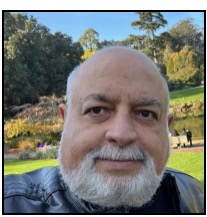
Bedros Afeyan
Dr. Bedros Afeyan is a theoretical physicist specializing in plasma physics and laser fusion since 1980. He also paints, sculpts and writes poetry. He is keenly interested in classical music, classical guitar, theater, cinema, and chess. He lives and works in Palo Alto with his wife Mariné. They have been together since the day they met in March, 1998. He is the current editor of The Literary Groong.