Groong Links:
Guest:
Topics:
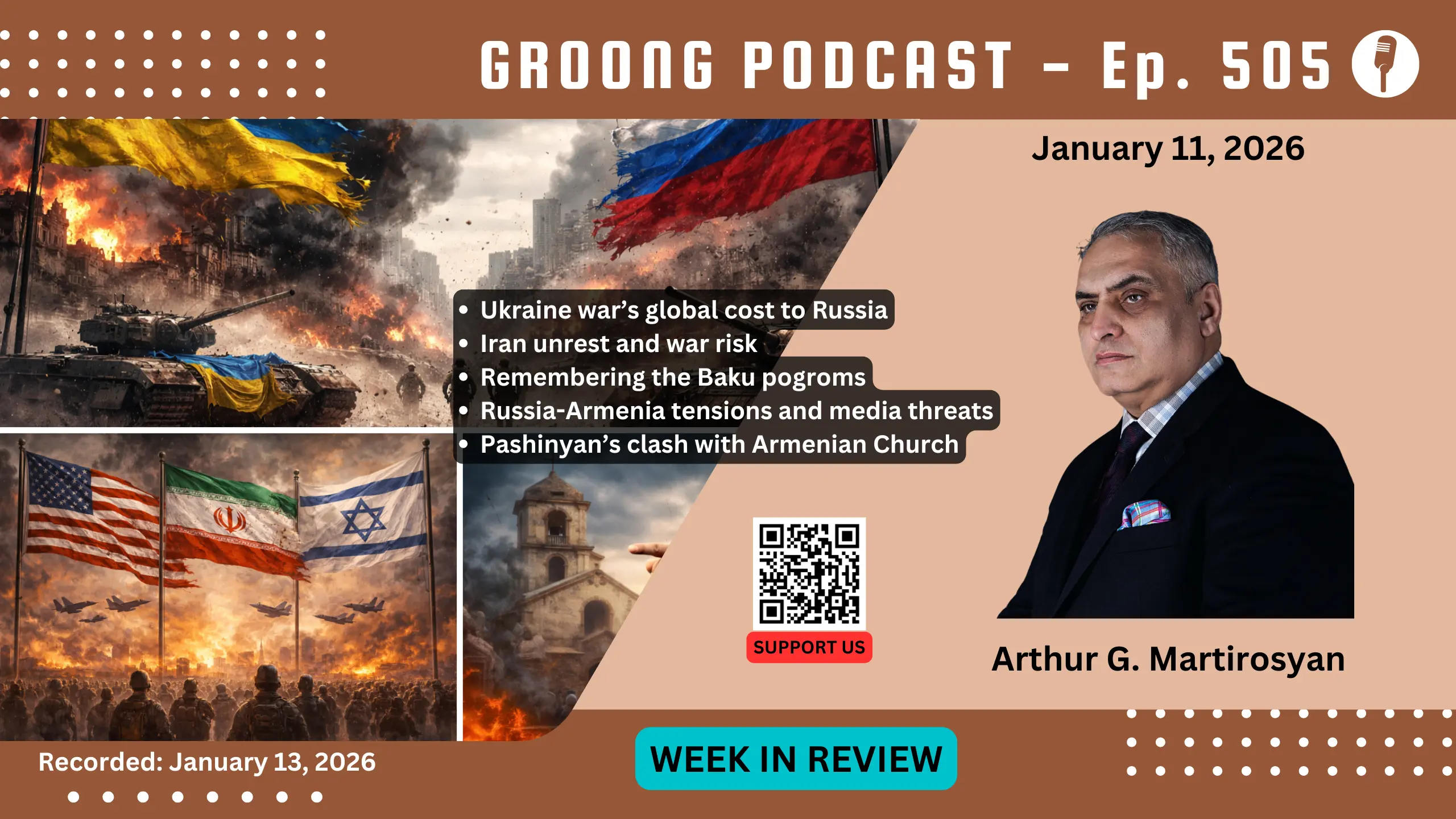
- Ukraine war’s global cost to Russia
- Iran unrest and war risk
- Remembering the Baku pogroms
- Russia-Armenia tensions and media threats
- Pashinyan’s clash with Armenian Church
Episode 505 | Recorded: January 13, 2026
Show Notes
Summary
Recorded on January 13, 2026, this Week in Review episode with Arthur Martirosyan examines how the prolonged Ukraine war has reshaped Russia’s leverage and long-term strategy, why a US–Israel–Iran confrontation now appears increasingly likely, and how Iran’s internal unrest and external pressure could open new risks for Armenia. The discussion also marks the anniversary of the Baku pogroms, reflecting on their long-term consequences, before turning to Russia–Armenia tensions and Nikol Pashinyan’s escalating confrontation with the Armenian Apostolic Church.
Main Topics Addressed
Ukraine War
- Arthur frames the war as a broader confrontation with the West over post–Cold War security architecture, not merely a Russia–Ukraine conflict.
- He argues Ukraine cannot achieve a decisive military victory, and that the key issue is where the war stops and whether Russia can “win the peace.”
- Sanctions, technology denial, and drone warfare are highlighted as decisive factors, with Sloviansk and Kramatorsk discussed as major operational focal points.
Iran War
- The discussion treats the US–Israel–Iran triangle as fundamentally zero-sum, with little room for negotiated settlement absent regime change in Tehran.
- Arthur argues Israel’s objectives extend beyond the nuclear file to weakening Iran’s regional posture and triggering internal implosion.
- The panel discusses unrest, economic pressure, internet shutdowns, psychological operations, and potential spillover risks for Armenia.
January 13, 1990: Baku Pogroms
- Arthur argues the pogroms locked the conflict into a zero-sum trajectory and closed off any remaining space for a negotiated Karabakh settlement at the time.
- He connects the pogroms directly to the later trajectory that culminated in the depopulation of Artsakh and rejects claims that the Artsakh movement was a mistake.
Russia–Armenia Relations
- Solovyov’s rhetoric is framed as part of a broader “spheres of influence” worldview rather than an immediate operational threat.
- Arthur argues Russia lacks an attractive development model or modern soft power, limiting its influence tools to trade leverage and coercive rhetoric.
Pashinyan vs. Armenian Church
- Arthur describes the conflict as values-driven and externally shaped, aimed at bringing the Church under state control and weakening diaspora-linked influence.
- He argues that meaningful off-ramps are unlikely while Pashinyan remains in power, citing police protection of renegade clergy and direct state interference as unconstitutional.
Key Questions Discussed
Ukraine War
- How should Russia’s four-year foreign policy trajectory be understood, and what is Moscow buying with time?
- What kind of post-war security architecture does Russia seek, and how does it plan to force negotiations?
- What military inflection points could accelerate or slow the conflict?
Iran War
- What are the real objectives of a renewed confrontation: regime change, nuclear rollback, or broader strategic reset?
- Do the protests and unrest appear organic, opportunistic, or externally amplified?
- What would Trump’s proposed 25 percent tariff on Iran-linked trade mean for Armenia’s economy and logistics?
- Could escalation increase Azerbaijan’s strategic value and create new risks for Armenia?
Baku Pogroms
- What did the pogroms change about the conflict’s logic, and why did they foreclose negotiated outcomes?
- How should Armenians assess proposals to “close” the Artsakh issue in exchange for Azerbaijani concessions?
Russia–Armenia Relations
- How should Armenia interpret Russian media threats, and what do they reveal about Moscow’s real capabilities?
- What does Russia’s lack of a compelling development model imply for Armenia’s strategic options?
Pashinyan vs. Armenian Church
- Is there any negotiated path that restores social cohesion without granting blanket impunity?
- Are we already facing a durable schism within the Armenian Apostolic Church?
Referenced Articles & Sources
- Trump TruthSocial post urging protests in Iran
- Luke Coffey tweet: “Be prepared 🇦🇿”
- NGO statement urging ban of Russian state TV
- Armenpress: Increased Azerbaijani petroleum imports
- Azatutyun: Police protection of renegade bishop / church standoff
Thoughts from the Participants
- Hovik: Warns that the Iran crisis highlights large-scale psychological operations online, including bot amplification and platform-level signaling, and says he will not renew his X subscription.
- Arthur: Argues that Pashinyan’s challenge to judicial independence reflects a broader attack on republican governance and warns that Armenia is drifting toward a weak authoritarian system unable to withstand major external shocks.
Wrap-up
Links and Resources
That’s our Week in Review, we hope you found it helpful. We invite your feedback and your suggestions, you can find us on most social media and podcast platforms.
Thanks to Laura Osborn for the music on our podcasts.
Guests
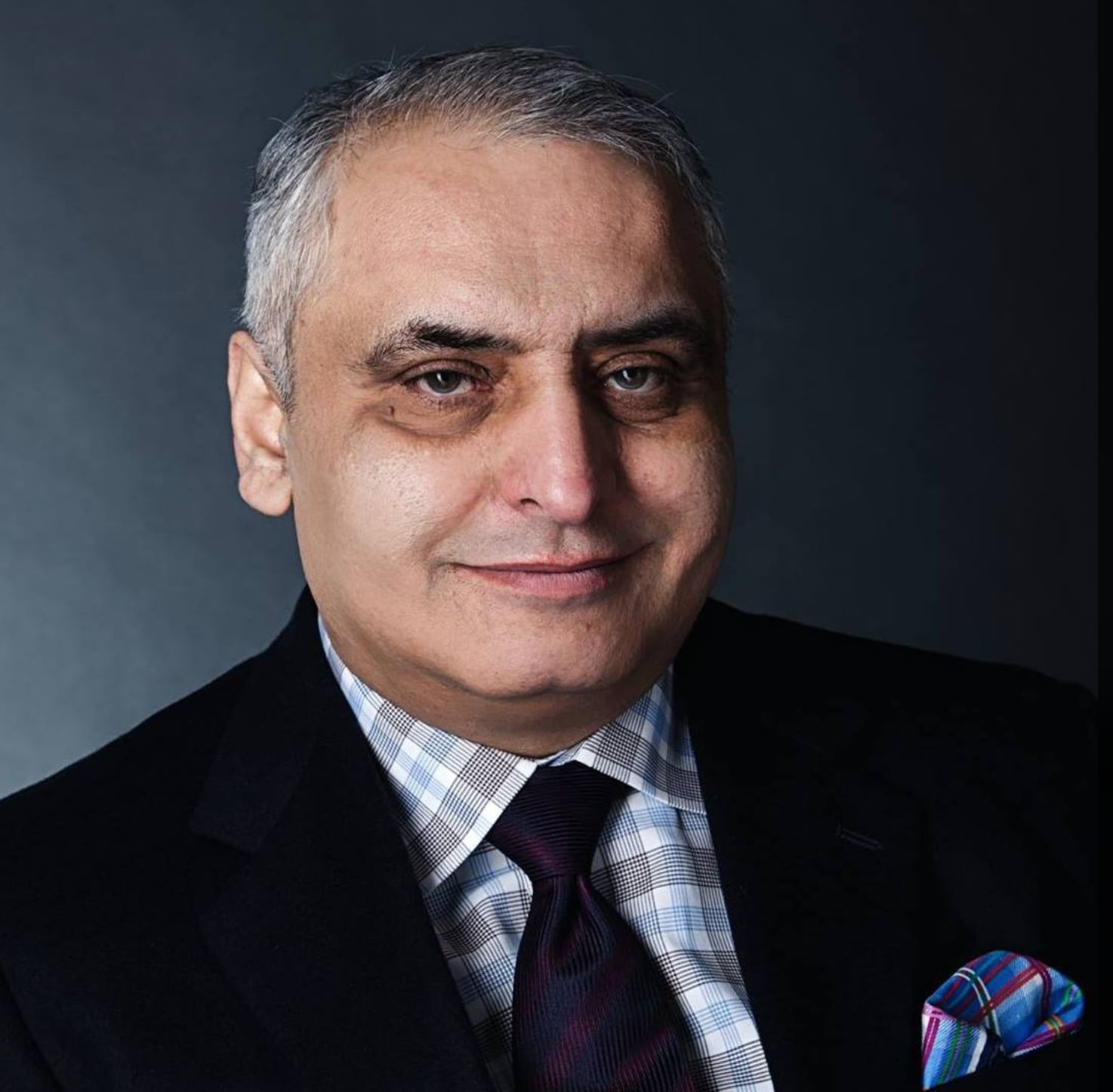
Arthur G. Martirosyan
Arthur G. Martirosyan is a Senior Consultant with CM Partners. In 1994, after graduating from Yale University, he joined Conflict Management Group and Harvard Negotiation Project, and has since worked on conflicts in the former Soviet Union, the Middle East, the Balkans, Africa, and Latin America.
Hosts
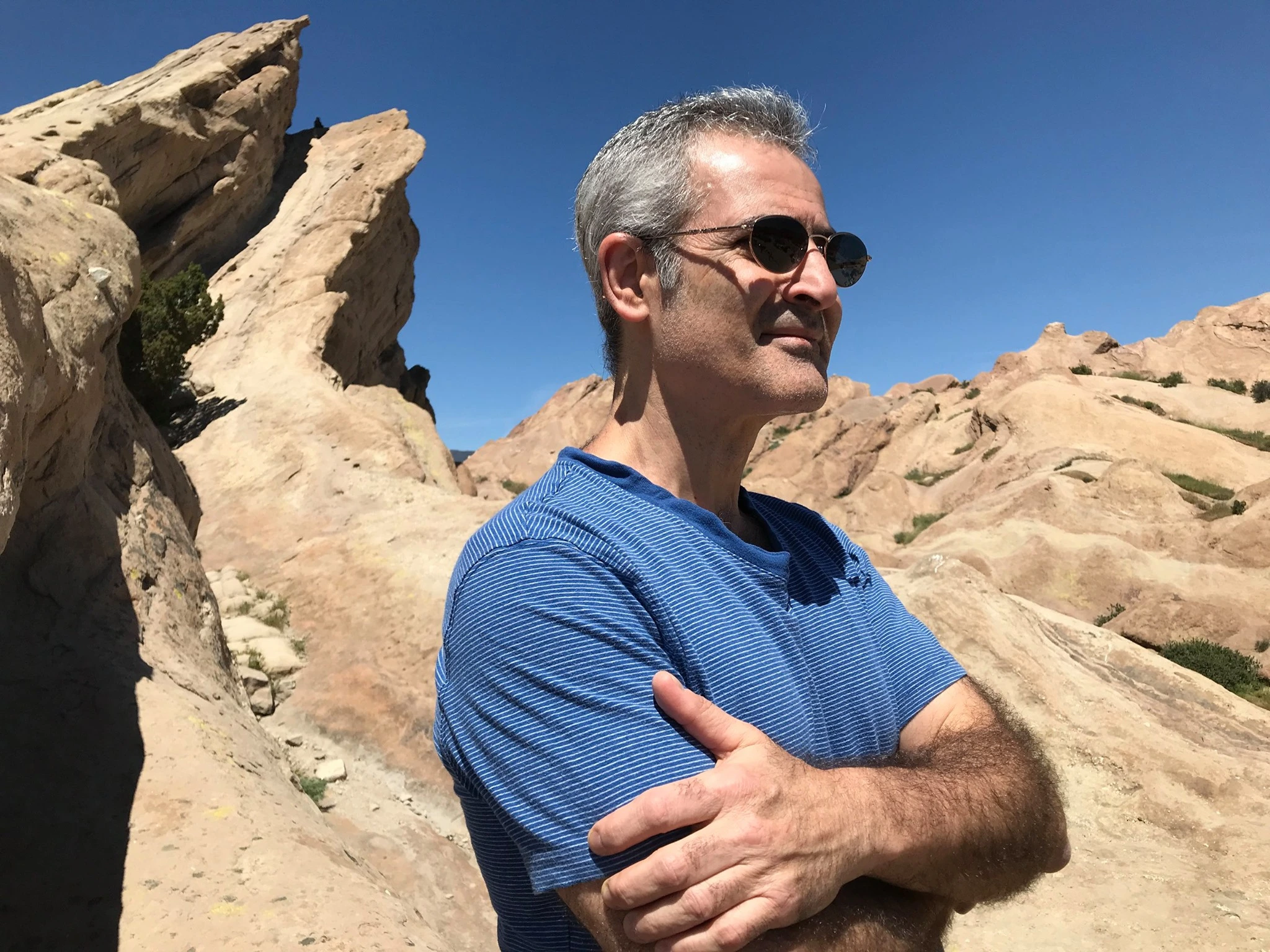
Asbed Bedrossian
Asbed Bedrossian is an IT professional, and for years oversaw the central IT enterprise infrastructure and services at USC. His decades of experience spanned across IT strategy, enterprise architecture, infrastructure, cybersecurity, enterprise applications, data center operations, high performance computing, ITSM, ITPM, and more.
Asbed founded the Armenian News Network Groong circa 1989/1990, and co-founded the ANN/Groong podcast in 2020.
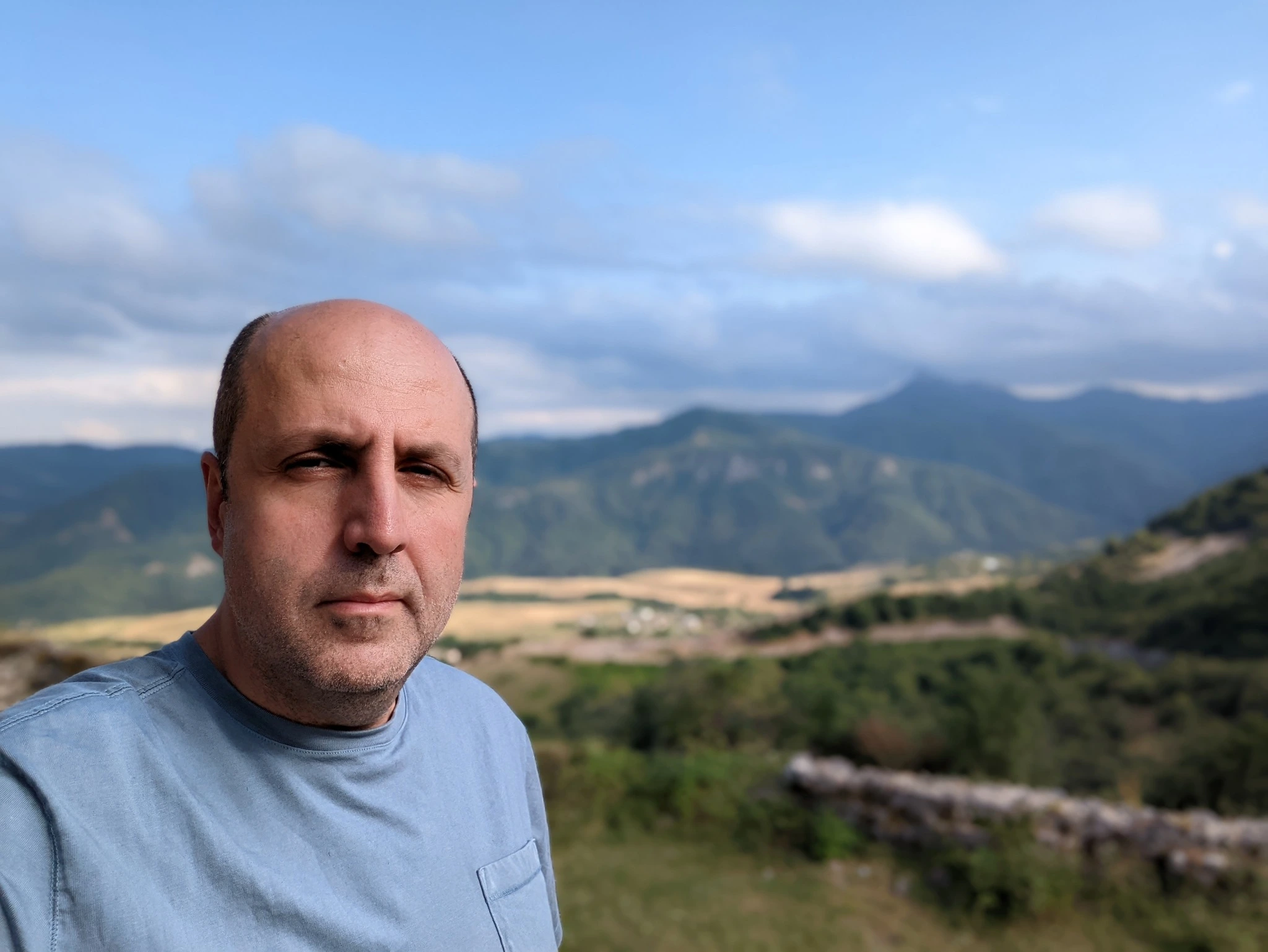
Hovik Manucharyan
Hovik Manucharyan is an information security engineer who moved from Seattle to Armenia in 2022. He co-founded the ANN/Groong podcast in 2020 and has been a contributor to Groong News since the late 1990s.
Disclaimer: The views expressed by Hovik Manucharyan on the ANN/Groong podcast are his own and do not necessarily reflect the opinions of his employer or any other organization.