Benyamin Poghosyan - Ukraine, Iran, Armenia, Azerbaijan, Russia, TRIPP, Review & Outlook | Ep 500, Dec 28, 2025 [EP500]
Posted on Wednesday, Dec 31, 2025 | Category: Armenia, Geopolitics | Series: video, wir
Groong Links:
Guest:
Topics:
- Foreign Crises Affecting Armenia
- Armenia-Azerbaijan Saga
- Russia and TRIPP
- Change of US Ambassador
- Year-End Review & Outlook
Episode 500 | Recorded: December 31, 2025
Show Notes
Summary
In this milestone 500th episode of Groong Week in Review, we assess how major external crises are shaping Armenia’s strategic environment in 2025, examine the stalled Armenia–Azerbaijan process, analyze Russia’s posture around TRIPP, and discuss the implications of a change in the U.S. ambassador. The episode concludes with an extended year-end review, where each participant evaluates their 2025 predictions from a year ago (in Episode 403), and presents high-, medium-, and low-probability forecasts for 2026.
Main Topics Addressed
- Foreign crises affecting Armenia’s security environment
- The Armenia–Azerbaijan saga and unresolved preconditions
- Russia, TRIPP, and regional leverage
- Change of U.S. ambassador to Armenia
- Year-end review of 2025 and outlook for 2026
Key Questions Discussed
- How do the wars in Ukraine and between Israel and Iran constrain Armenia’s options?
- What do Azerbaijan’s latest statements reveal about its real conditions for peace?
- How does TRIPP affect Russian, Iranian, and regional security calculations?
- Is the ambassadorial change a cosmetic move or a policy signal?
- How accurate were last year’s forecasts, and what lies ahead in 2026?
Year-End Review: 2025 Self-Assessments
Asbed Bedrossian (3/3 correct).
Asbed predicted that the Ukraine war would slow without a decisive resolution, that Gaza would remain a humanitarian catastrophe amid global indifference, and that Armenia would avoid regime collapse while relying on Western loans and accumulating debt. By the end of 2025, all three assessments were borne out.
Hovik Manucharyan (2/3 correct).
Hovik identified Iran as the main regional flashpoint and expected the Ukraine war to slow rather than end, both of which largely materialized. He also warned that Armenia faced no positive trajectory without regime change and that an Azerbaijani attack was a matter of timing, which did not occur in 2025.
Benyamin Poghosyan (3/3 correct).
Benyamin framed Ukraine as the central global variable of 2025, predicted Iran would emerge as the main regional flashpoint, and argued that no genuine Armenia–Azerbaijan peace agreement would be reached. Developments during the year confirmed all three assessments.
Outlook: 2026 Predictions
Benyamin Poghosyan
- High probability: Continued instability in the South Caucasus, with Azerbaijan preserving escalation leverage rather than finalizing peace.
- Medium probability: A slowdown or freeze in the Ukraine war that allows Russia to redirect attention toward its southern flank, including the South Caucasus and Iran.
- Low probability: A comprehensive and durable Armenia–Azerbaijan peace agreement in 2026.
Hovik Manucharyan
- High probability: Pashinyan remains in power after the 2026 parliamentary elections, including through falsified or heavily managed voting.
- Medium probability: Ongoing political deterioration without decisive regime change.
- Low probability: A clean, competitive election producing a legitimate transfer of power.
Asbed Bedrossian
- High probability: A renewed phase of the Israel–Iran war, with Iran sustaining damage but surviving, and Armenia facing pressure to avoid being used against Iran through projects such as TRIPP.
- Medium probability: Armenia formally exits the CSTO, replaces Russian energy with Azerbaijani supplies, and issues notice for Russia to vacate the 102nd base, triggering severe regional consequences.
- Low probability: Pashinyan loses the June 2026 parliamentary elections, as most strategic concessions are already being achieved without open war.
Links & References
Articles and documents referenced
- Iran’s president says his country is in a full-scale war with the West
- Armenia, Azerbaijan Still Disagree On ‘Important Issues’
- U.S. Ambassador To Armenia Reportedly Recalled By Trump
- Azerbaijan MFA: 2025 year-end press release (26.12.2025) (PDF)
Prior episode referenced
Wrap-up
Don’t forget to support us:
That’s our show! We hope you found it useful. Please find us on Social Media and follow us everywhere you get your Armenian news.
Thanks to Laura Osborn for the music on our podcasts.
Guests

Benyamin Poghosyan
Dr. Benyamin Poghosyan is a Senior Research Fellow at APRI Armenia, a Yerevan based think tank,and the Chairman of the Center for Political and Economic Strategic Studies. He has served as the vice president for research and head of the Institute for National Strategic Studies at the National Defense Research University in Armenia. Dr. Poghosyan was a Distinguished Research Fellow at the US National Defense University College of International Security Affairs. He is a graduate from the US State Department Study of the US Institutes for Scholars 2012 Program on US National Security Policy Making. He holds a PhD in history and is a graduate from the 2006 Tavitian Program on International Relations at Fletcher School of Law and Diplomacy.
Hosts
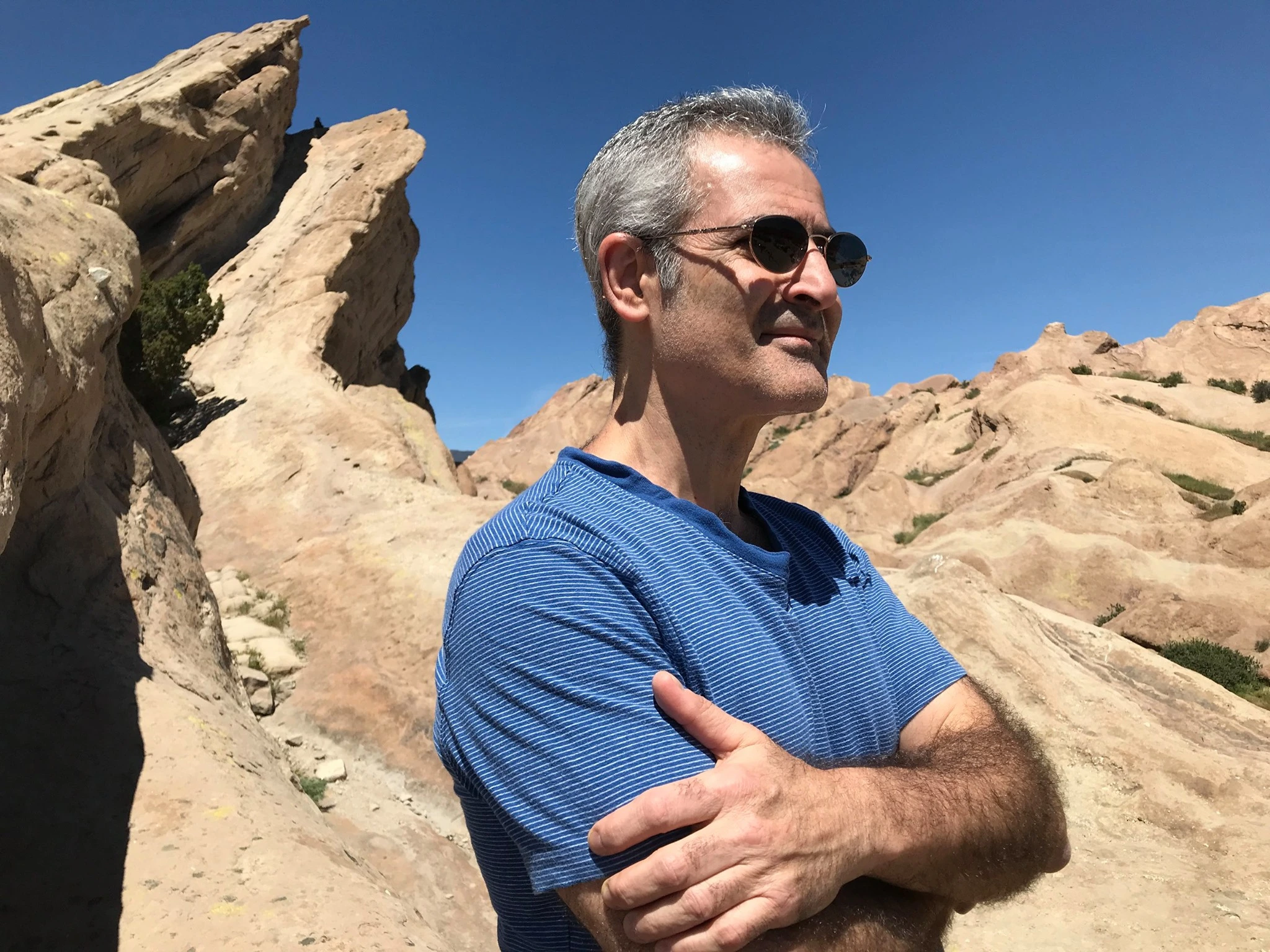
Asbed Bedrossian
Asbed Bedrossian is an IT professional, and for years oversaw the central IT enterprise infrastructure and services at USC. His decades of experience spanned across IT strategy, enterprise architecture, infrastructure, cybersecurity, enterprise applications, data center operations, high performance computing, ITSM, ITPM, and more.
Asbed founded the Armenian News Network Groong circa 1989/1990, and co-founded the ANN/Groong podcast in 2020.
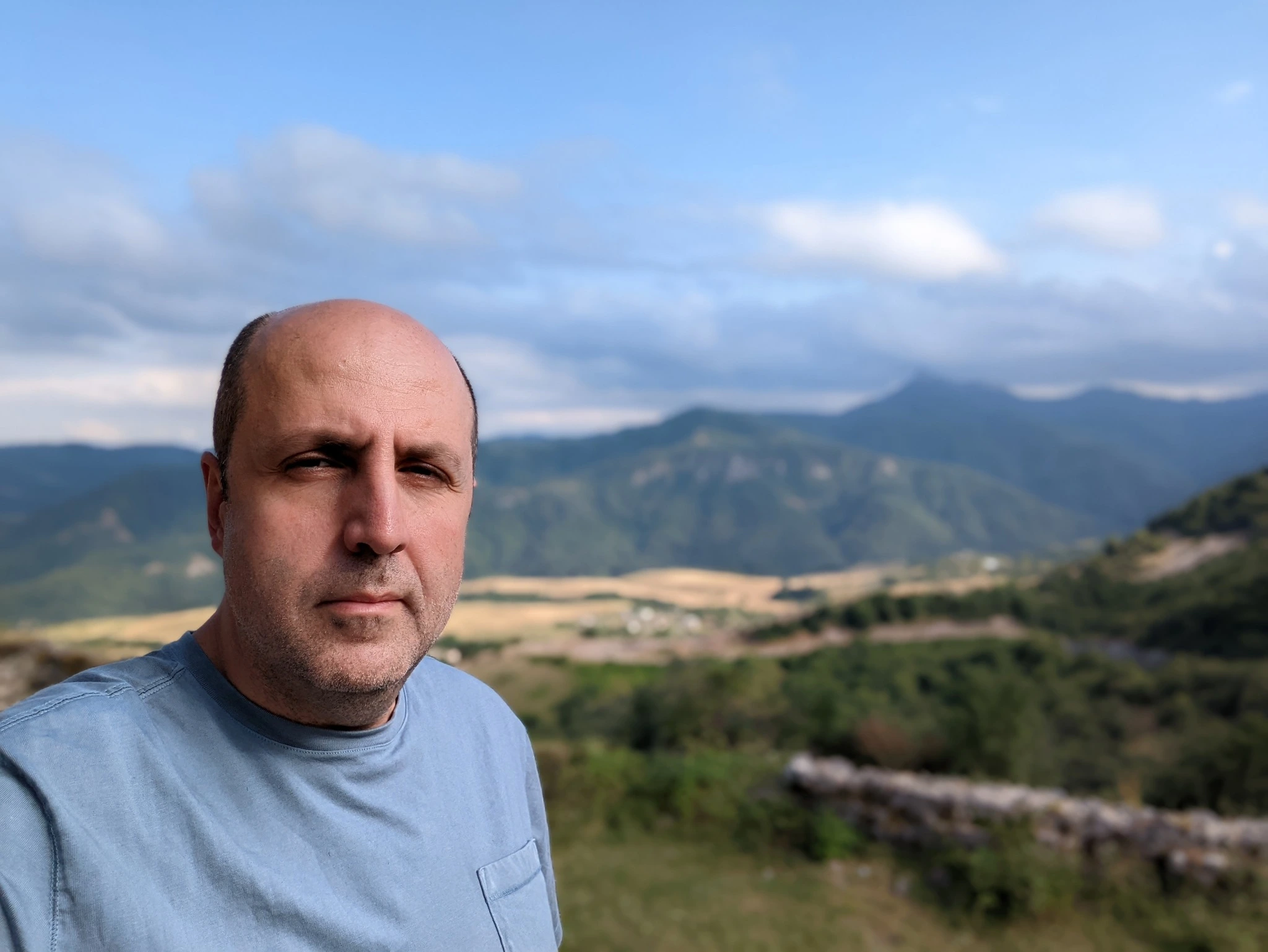
Hovik Manucharyan
Hovik Manucharyan is an information security engineer who moved from Seattle to Armenia in 2022. He co-founded the ANN/Groong podcast in 2020 and has been a contributor to Groong News since the late 1990s.
Disclaimer: The views expressed by Hovik Manucharyan on the ANN/Groong podcast are his own and do not necessarily reflect the opinions of his employer or any other organization.