
Groong Links:
Guest:
Topics:
- Ukraine War and EU Rift
- Siege on Etchmiadzin and the Church
- Peace Dividend or Political Theater
- TRIPP and Competing Power Claims
Episode 498 | Recorded: December 23, 2025
#ArmenianChurch #Etchmiadzin #TRIPP #ArmeniaPolitics #Groong
Show Notes
In this Groong Week in Review, Hovik Manucharyan and Asbed Bedrossian are joined by Dziunik Aghajanian to examine a volatile week marked by escalating confrontation between the Armenian state and the Armenian Apostolic Church, deepening fractures inside Europe over the Ukraine war, and controversial developments around Armenia–Azerbaijan trade and regional transport corridors. The discussion focuses on state power, legitimacy, and the geopolitical tradeoffs shaping Armenia’s present and future.
Topics Covered
Ukraine War Update
Ukraine’s battlefield situation continues to deteriorate, with reports of Ukrainian withdrawals from key positions amid shortages of weapons, manpower, and electricity. European leaders are increasingly divided on how to proceed, as French President Emmanuel Macron shifts toward dialogue with Moscow while blocking German efforts to seize Russian assets for Ukraine and lobbying to restore nuclear fuel cooperation with Russia.
Key developments discussed:
- Ukraine battlefield setbacks https://www.france24.com/en/europe/20251223-live-russia-launches-air-attack-on-kyi-after-latest-round-of-peace-talks
- Macron–Putin dialogue https://www.lemonde.fr/en/international/article/2025/12/22/ukraine-peace-talks-stall-as-putin-says-ready-for-dialogue-with-macron_6748749_4.html
- Macron blocks asset seizure https://www.voxnews.al/english/kosovabota/prapaskenat-macron-tradhtoi-merz-in-per-ukrainen-i106907
- Nuclear fuel lobbying https://www.hungarianconservative.com/articles/current/russian-nuclear-energy-rosatom-framatome-germany-eu-trade-economy/
- Assassination of Russian general https://www.aljazeera.com/news/2025/12/22/moscow-car-bomb-kills-russian-general
Pashinyan vs. the Catholicos
Etchmiadzin Under Siege
Following public denials of state involvement, events at Holy Etchmiadzin suggested coordinated pressure against the Armenian Apostolic Church. Ten renegade archbishops attempted to force the Catholicos’s resignation during evening worship, backed by security forces, while large crowds of supporters prevented their entry.
- Armenian Weekly report https://armenianweekly.com/2025/12/22/pashinyan-orders-invasion-of-holy-etchmiadzins-sacred-grounds/
- Police and NSS escort details https://www.azatutyun.am/a/33628203.html
The KGB “Leak”
A day later, civic.am published a purportedly declassified KGB document alleging that Archbishop Ezras, the Catholicos’s brother, collaborated with Soviet intelligence in 1986–1988. The document raised major authenticity concerns, including format irregularities, Armenian-language text, and lack of confirmation by the National Security Service.
- civic.am leak https://civic.am/news/107580
December 28
Media reports claim that Pashinyan plans to personally go to Etchmiadzin on December 28 to force the Catholicos’s removal, marking a potential escalation from indirect pressure to direct confrontation.
- Media report https://24news.am/politics/483159
Transport and Communications
The “Peace Dividend”
The government promoted the arrival of Azerbaijani fuel to Armenia as the first bilateral commercial transaction in decades, framing it as an early peace dividend under the August 8 Washington framework. Critics questioned the political nature of the deal, Georgia’s one-time transit waiver, lack of formal relations with Azerbaijan, and whether the fuel actually reduces dependence on Russia.
- Fuel shipment report https://asbarez.com/first-shipment-of-azerbaijani-fuel-to-arrive-in-armenia/
- Dependence on Russian imports https://www.rferl.org/a/armenia-azerbaijan-gasoline-russia-imports/33628610.html
T(rump)RIPP vs. P(utin)RIPP
Russia reasserted its claim over transit routes under the November 10, 2020 statement, signaling readiness to participate in the TRIPP project based on rail concessions, border guard presence, and Armenia’s EAEU membership. Pashinyan rejected Russian involvement, insisting TRIPP is a bilateral Armenia–U.S. initiative.
- Armenpress report https://armenpress.am/en/article/1237639
Key Questions Discussed
- Does Europe’s internal division over Ukraine signal a shift toward negotiations with Russia?
- Did public resistance at Etchmiadzin represent a rare defeat for Pashinyan?
- Is the campaign against the Church legal, political, or personal?
- What purpose did the KGB “leak” serve, regardless of authenticity?
- Is Azerbaijani fuel a genuine peace dividend or political theater?
- Can Armenia realistically balance U.S. and Russian interests in TRIPP?
Links Referenced During The Show
- https://www.france24.com/en/europe/20251223-live-russia-launches-air-attack-on-kyi-after-latest-round-of-peace-talks
- https://www.lemonde.fr/en/international/article/2025/12/22/ukraine-peace-talks-stall-as-putin-says-ready-for-dialogue-with-macron_6748749_4.html
- https://www.voxnews.al/english/kosovabota/prapaskenat-macron-tradhtoi-merz-in-per-ukrainen-i106907
- https://www.hungarianconservative.com/articles/current/russian-nuclear-energy-rosatom-framatome-germany-eu-trade-economy/
- https://www.aljazeera.com/news/2025/12/22/moscow-car-bomb-kills-russian-general
- https://armenianweekly.com/2025/12/22/pashinyan-orders-invasion-of-holy-etchmiadzins-sacred-grounds/
- https://www.azatutyun.am/a/33628203.html
- https://civic.am/news/107580
- https://24news.am/politics/483159
- https://asbarez.com/first-shipment-of-azerbaijani-fuel-to-arrive-in-armenia/
- https://www.rferl.org/a/armenia-azerbaijan-gasoline-russia-imports/33628610.html
- https://armenpress.am/en/article/1237639
Thoughts from the Participants
- Hovik: Archbishop Hovnan Derderian should explain himself. Reflections on interview with Father Serob Azarian https://youtu.be/jaOys5ug8VE
- Dziunik: Disrespect for the state and disrespect for the Church.
Wrap-up
That’s our show! We hope you found it useful. Please find us on Social Media and follow us everywhere you get your Armenian news.
Thanks to Laura Osborn for the music on our podcasts.
Guests
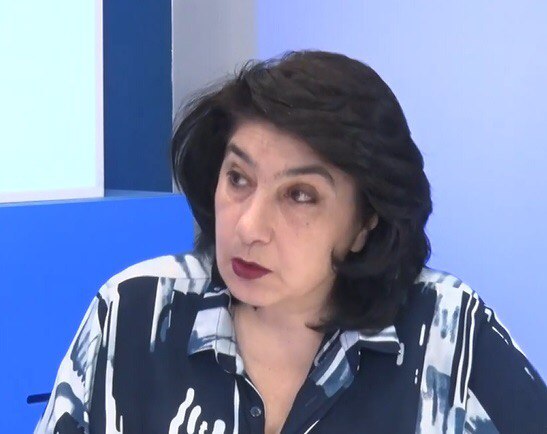
Dziunik Aghajanian
Ms. Dziunik Aghajanian has served Armenia through the ranks of the Ministry of Foreign Affairs, and most recently as a diplomat, as Armenia’s Ambassador to such countries as the Netherlands, Malaysia, and Indonesia. She received her education at Yerevan State University, Columbia University in NY, and Uppsala University in Sweden.
Hosts
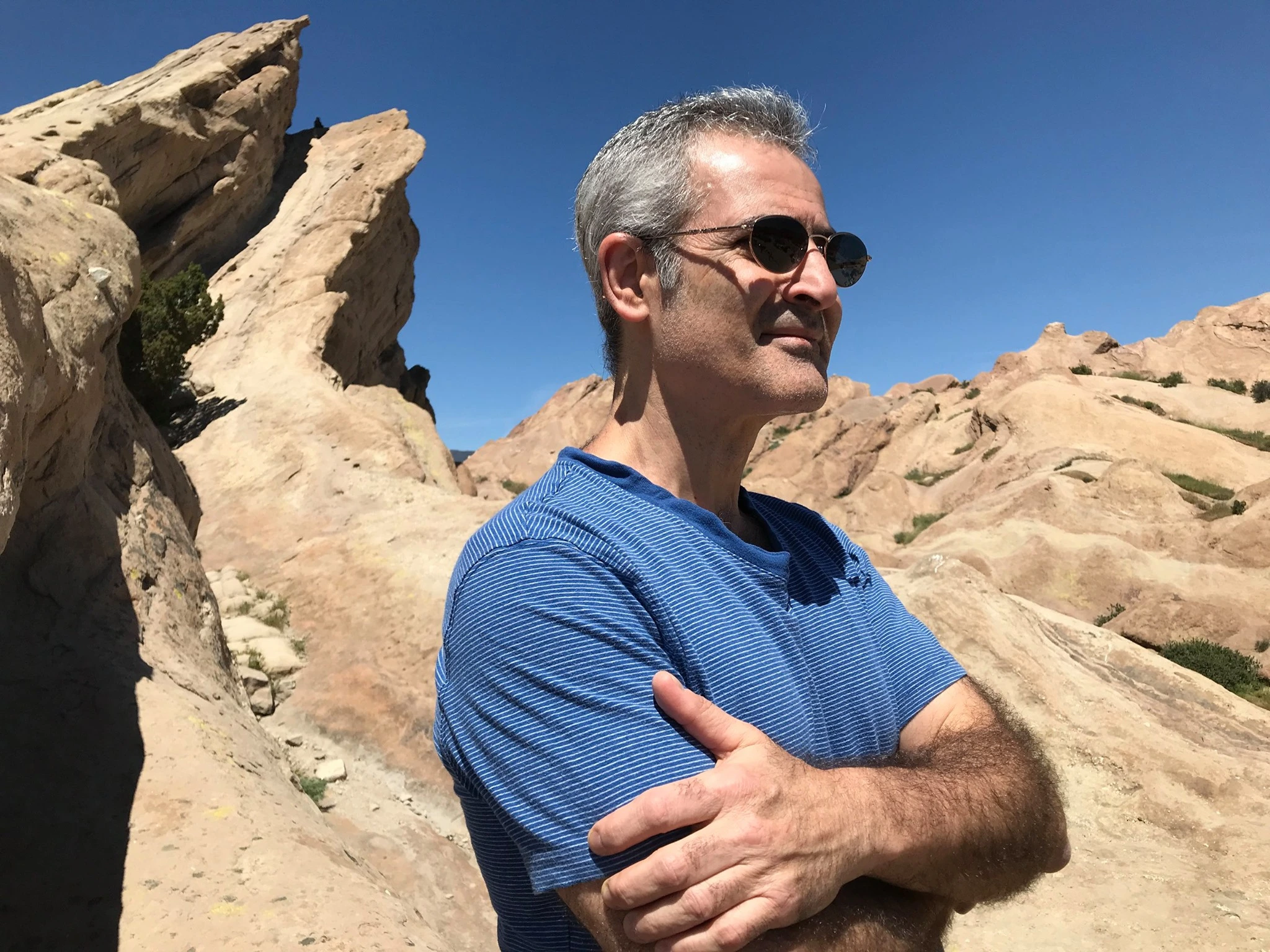
Asbed Bedrossian
Asbed Bedrossian is an IT professional, and for years oversaw the central IT enterprise infrastructure and services at USC. His decades of experience spanned across IT strategy, enterprise architecture, infrastructure, cybersecurity, enterprise applications, data center operations, high performance computing, ITSM, ITPM, and more.
Asbed founded the Armenian News Network Groong circa 1989/1990, and co-founded the ANN/Groong podcast in 2020.
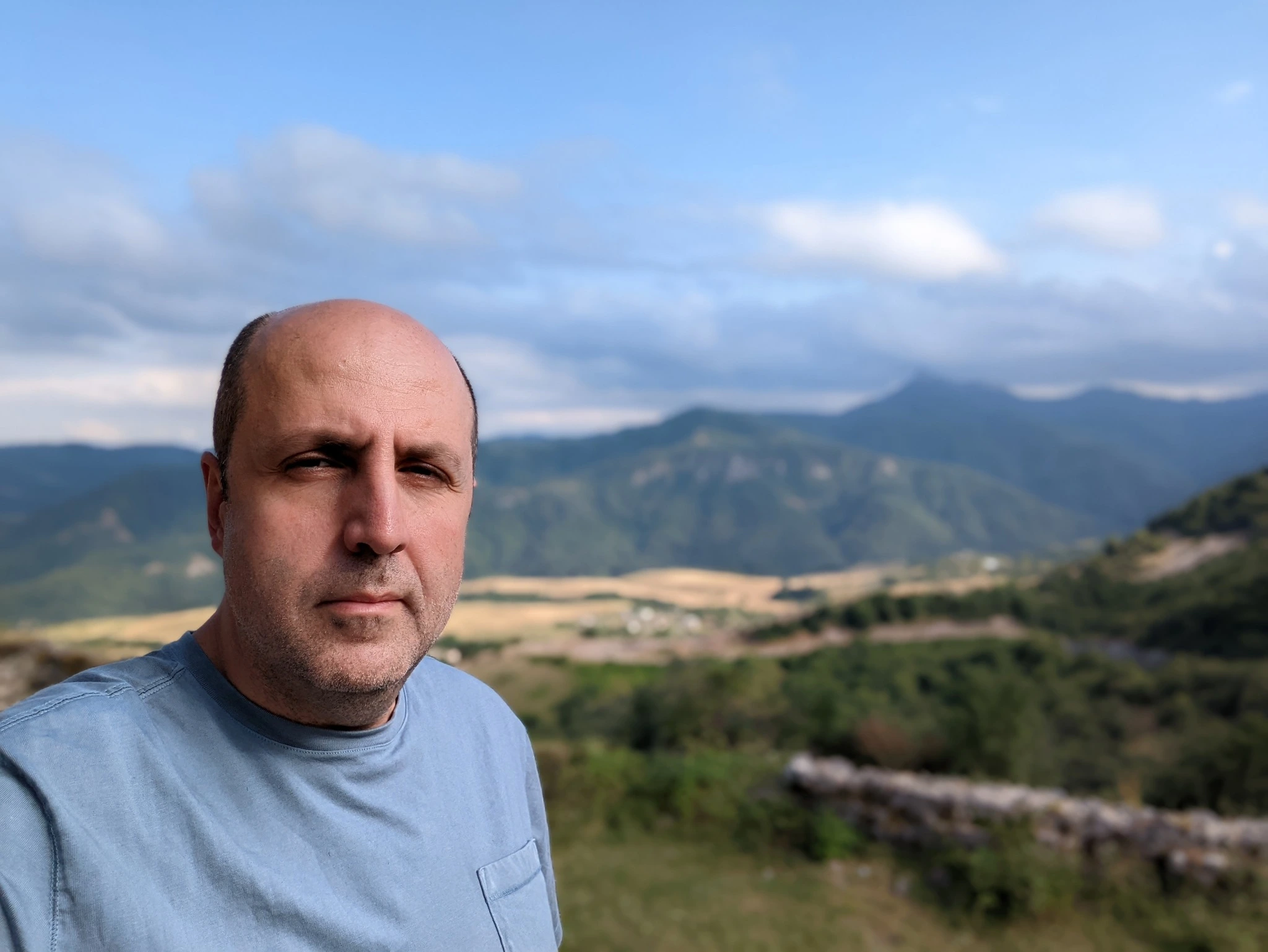
Hovik Manucharyan
Hovik Manucharyan is an information security engineer who moved from Seattle to Armenia in 2022. He co-founded the ANN/Groong podcast in 2020 and has been a contributor to Groong News since the late 1990s.
Disclaimer: The views expressed by Hovik Manucharyan on the ANN/Groong podcast are his own and do not necessarily reflect the opinions of his employer or any other organization.