Spotlight on Silence: InJustice in Armenia | Ep 497, Dec 18, 2025 [EP497]
Posted on Thursday, Dec 18, 2025 | Category: Armenia, Spotlight on Silence, Political Prisoners | Series: video, sos
Groong Links:
Guest:
Follow ACPR on Facebook: Քաղաքական իրավունքների հայկական կենտրոն - ՔԻՀԿ / ACPR
Topics:
- Criminalization of Speech and Dissent in Armenia
- Legal Pressure on Lawyers, Journalists, and Clergy
- Selective Justice and Coordinated Propaganda
- Article 236 and the Policing of Protest
Episode 497 | Recorded: December 14, 2025
#SpotlightOnSilence #ArmeniaJustice #PoliticalPrisoners #FreedomOfSpeech #RuleOfLaw #HumanRights #Groong
Show Notes
This episode examines a widening pattern of political repression in Armenia, focusing on the criminalization of speech, selective justice, and coordinated pressure against journalists, lawyers, clergy, and human rights defenders. Drawing on multiple statements and reports by the Armenian Center for Political Rights (ACPR), the discussion traces how legal tools, media campaigns, and vague criminal provisions are used to silence dissent and reshape the boundaries of acceptable public life.
Imnemnimi / Antifake Case
The discussion opens with the case of the Imnemnimi podcasters from Antifake, which illustrates how repression functions in practice. Two podcasters were arrested twice for speech expressed on a political podcast. Although insult has been decriminalized, authorities reclassified their words as “online hooliganism,” seized their equipment, and crippled their newsroom.
The same podcasters were previously detained in March 2024 on identical charges and were later acquitted in May 2025. Despite the acquittal, authorities re-arrested them and again imposed pre-trial detention.
Referenced links
- Acquittal of Antifake podcasters (OC Media): https://oc-media.org/armenian-anti-government-podcast-hosts-acquitted-of-hooliganism-charges-after-insulting-pm/
- Council of Europe Safety of Journalists Platform alert: https://fom.coe.int/en/alerte/detail/107643293
- ACPR statement on the Antifake case (Nov 14, 2025): https://drive.google.com/file/d/1b-kuEpHJui1heNOgj5yHz0mtpvfn9-H5/view
Lawyers Under Pressure
The episode then turns to the arrest of two lawyers in November, highlighting that even the legal profession is no longer protected when it defends politically sensitive cases.
- Aleksander Kochubaev was jailed after publishing a harsh Facebook post criticizing judges and prosecutors over church-related cases, under a criminal article that does not apply to insults.
- Ruben Mkhitaryan was arrested while present as a lawyer at a protest outside Gyumri City Hall, where he was negotiating with police and raising his hands. Despite video evidence showing no unlawful conduct, he was charged with mass disorder and interference with justice.
Referenced links
- ACPR statement on Aleksander Kochubaev (Oct 17, 2025): https://drive.google.com/file/d/1TFHTHD3D5V7EXz_EQiG1juR4WePiTm5-/view
- ACPR statement on Ruben Mkhitaryan (Oct 27, 2025): https://drive.google.com/file/d/1msixBSSSliim7AtJHzrG5LmYq77wM9Jo/view
Mass Political Persecutions of 2025
Setting the Context
In early November, the ACPR published a comprehensive report documenting major political prosecutions between May and September 2025, examining why repression escalated during this period and how political control over law enforcement and the judiciary has intensified.
Referenced link
- ACPR report: Mass political persecutions of 2025 (May–September) https://drive.google.com/file/d/1cF8bcqCOAgPDCaK9Oa-uDFxCCEH5CwHv/view
The report also notes that months have passed since these incidents without meaningful assessment or condemnation from international bodies.
The Case of Samvel Karapetyan and Supporters
One highlighted case involves Samvel Karapetyan and those associated with him. Beyond the charges themselves, the defining feature is the collective nature of enforcement, with supporters targeted through arrests, pressure, and legal action.
Karapetyan was arrested for stating: “If politicians do not succeed, we will take part in our own way,” which authorities interpreted as a call to seize power. Even an expert witness who concluded otherwise later had his home searched.
The Case of the “Holy Struggle” (Srbazan Baykar) Movement
The report also analyzes the treatment of participants in the “Holy Struggle” movement, led in 2024 by Archbishop Bagrat Galstanyan. The movement combined religious motivation and civic activism and was met with a particularly forceful response.
Members of the government characterized the movement as terrorism and likened it to October 27, despite the absence of publicly available evidence supporting such claims.
The Case of Archbishop Mikael Ajapahyan
The case of Archbishop Mikael Ajapahyan extends the discussion into the Armenian Apostolic Church. According to the report, legal and administrative pressure in this case served to draw boundaries around acceptable religious and public speech rather than to address criminal conduct, demonstrating that senior clergy are not immune from political pressure.
Coordinated Campaign Against Human Rights Defenders
Beyond arrests and courtrooms, the report documents a coordinated information campaign against human rights defenders, lawyers, journalists, and clergy supporters. These actors are portrayed as foreign agents, particularly Russian agents, extremists, or threats to Armenia’s national interests. The campaign works in parallel with legal action to undermine credibility and public trust.
Article 236
The episode concludes with a discussion of Article 236 of Armenia’s Criminal Code, informed by a 2025 Venice Commission decision. Article 236 criminalizes interference with assemblies and so-called material incentivizing of participation or non-participation in protests. The Venice Commission warned that the provision is overly vague and grants excessive discretion, making it incompatible with legal certainty and freedom of assembly.
Referenced links
- Venice Commission decision on Article 236: https://www.venice.coe.int/webforms/documents/default.aspx?pdffile=CDL-AD(2025)037-e
- Avetik Chalabyan detention (4 months): https://armhels.com/wp-content/uploads/2024/01/Joint_Report_HCA_ACPR_10.01.2024_ARM_REVISED-1.pdf
- Gerasim Vardanyan detention (6 months): https://alphanews.am/en/my-friends-and-i-were-detained-for-six-months-on-fabricated-charges-gerasim-vardanyan/
Wrap-up
Don’t forget to support us:
That’s our show! We hope you found it useful, and you will SHARE OUR SHOWS with your friends on Social Media. That is a great way to support us.
Thanks to Laura Osborn for the music on our podcasts.
Guests
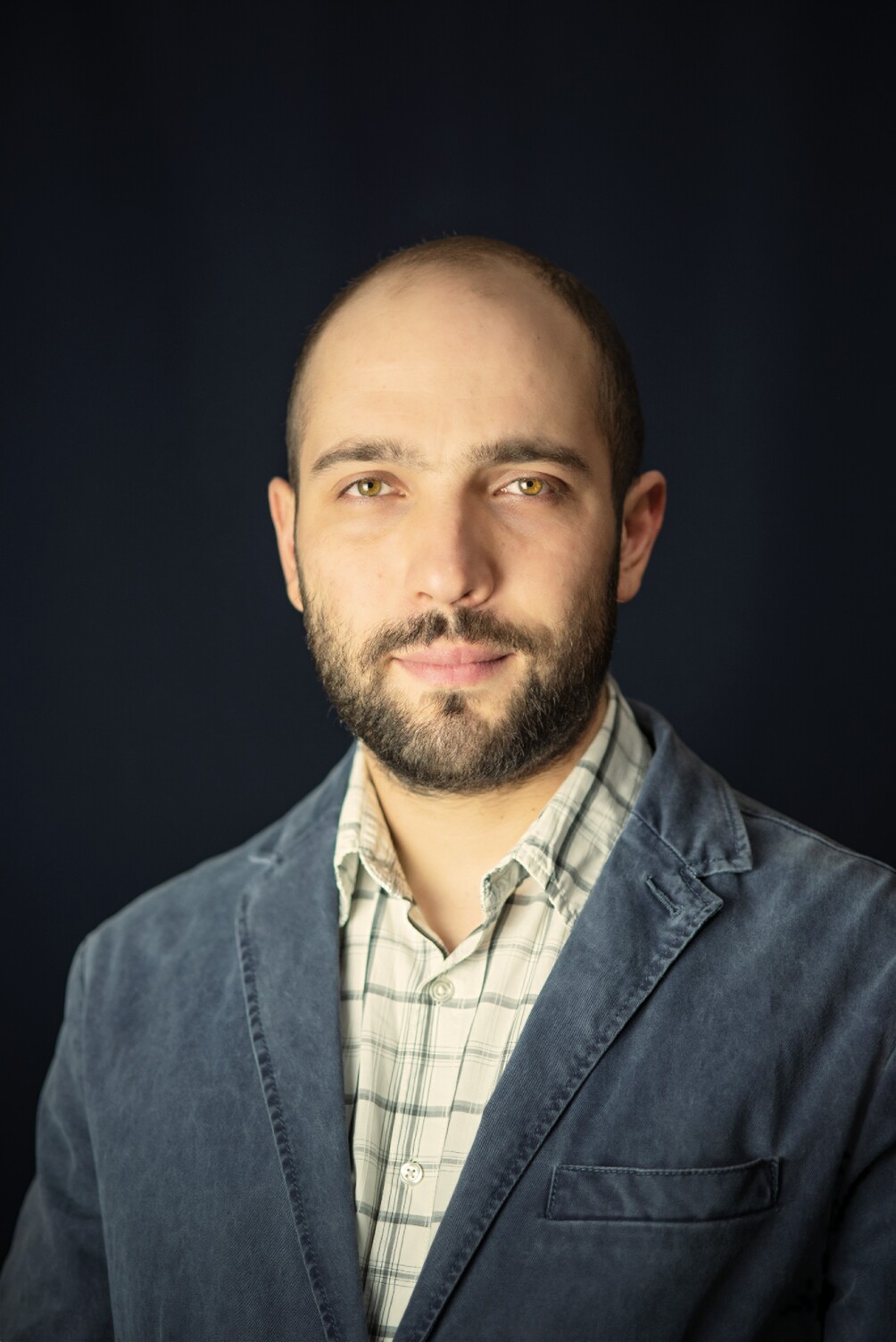
Rafael Ishkhanyan
Rafael Ishkhanyan is a lawyer specializing in human rights, particularly freedom of assembly and expression. He coordinates the monitoring of peaceful assemblies at the Helsinki Committee of Armenia and is a member of the ODIHR Panel of Experts on Freedom of Assembly and Association. In 2023, together with colleagues, he co founded the Armenian Center for Political Rights, a watchdog organization focusing on detecting, responding to, and preventing political persecution and safeguarding political rights.
Hosts
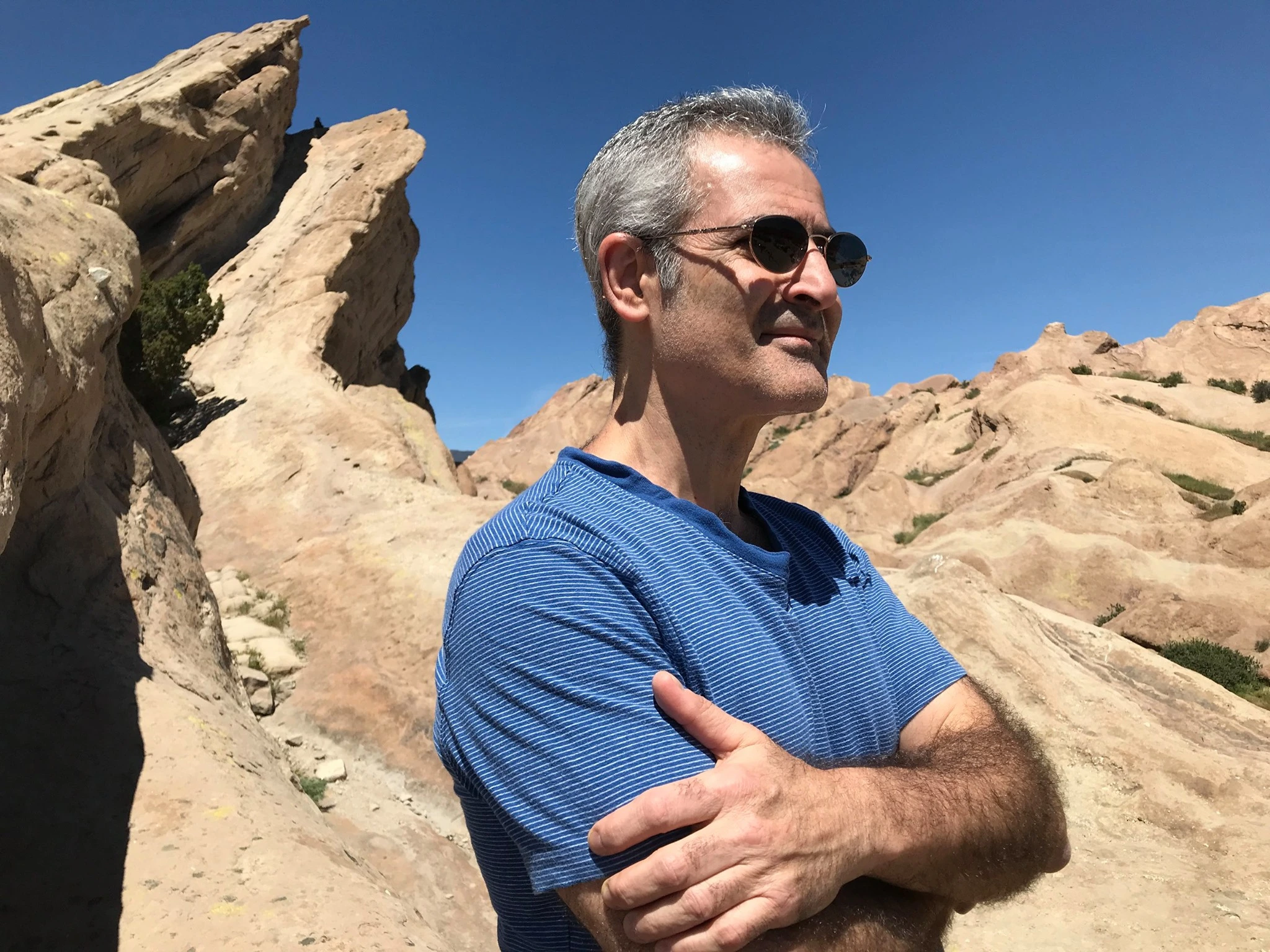
Asbed Bedrossian
Asbed Bedrossian is an IT professional, and for years oversaw the central IT enterprise infrastructure and services at USC. His decades of experience spanned across IT strategy, enterprise architecture, infrastructure, cybersecurity, enterprise applications, data center operations, high performance computing, ITSM, ITPM, and more.
Asbed founded the Armenian News Network Groong circa 1989/1990, and co-founded the ANN/Groong podcast in 2020.
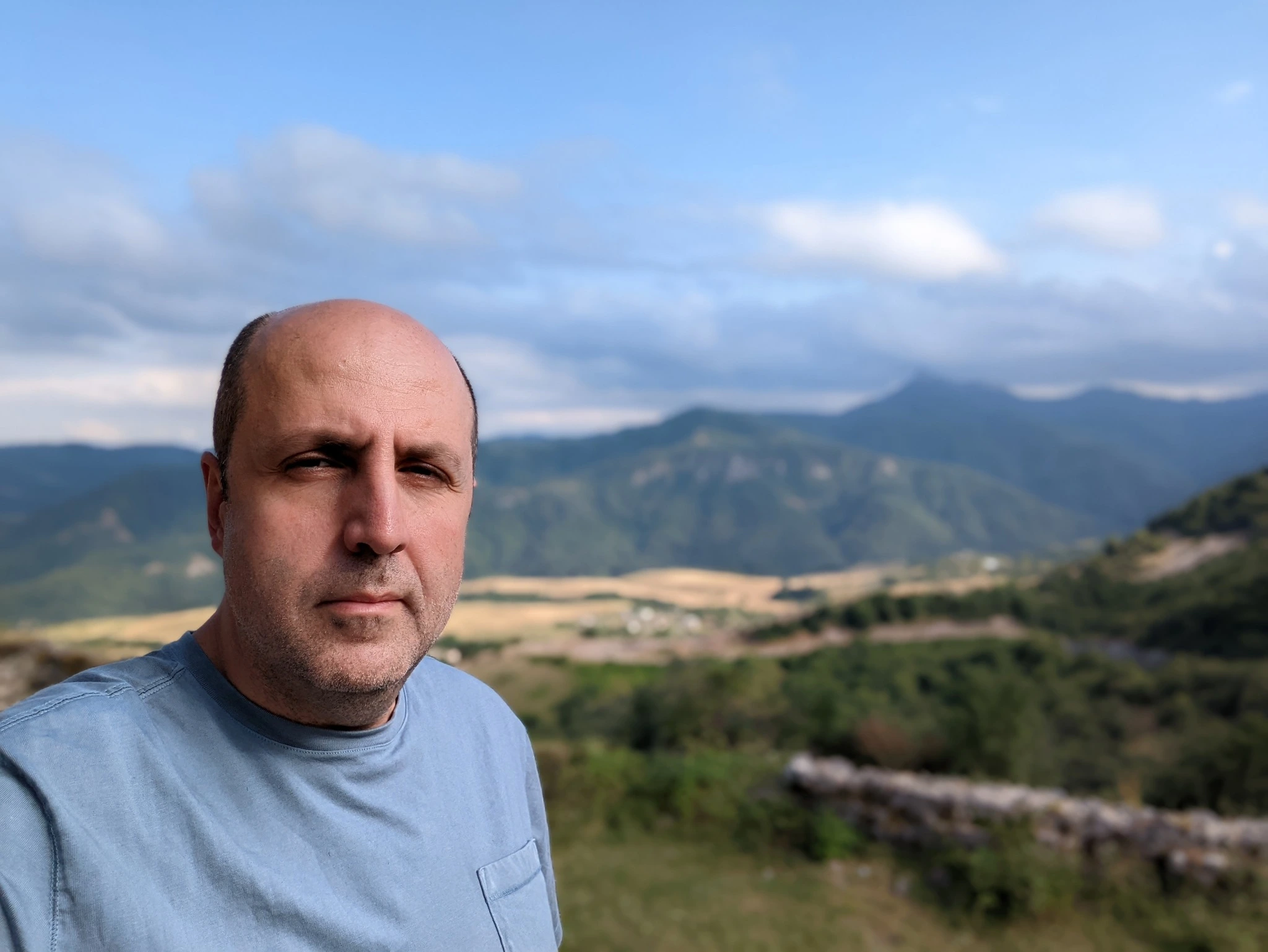
Hovik Manucharyan
Hovik Manucharyan is an information security engineer who moved from Seattle to Armenia in 2022. He co-founded the ANN/Groong podcast in 2020 and has been a contributor to Groong News since the late 1990s.
Disclaimer: The views expressed by Hovik Manucharyan on the ANN/Groong podcast are his own and do not necessarily reflect the opinions of his employer or any other organization.